

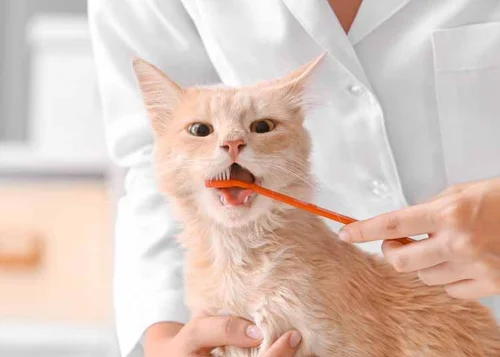
Have you ever wondered if your cat really needs their teeth brushed? You might think it’s just a human thing, but your furry friend’s dental health is just as important.
Ignoring their teeth can lead to pain, bad breath, and costly vet visits. But don’t worry—brushing your cat’s teeth can be easier than you think. Keep reading to discover why it matters and how you can keep your cat’s smile bright and healthy.
Importance Of Cat Dental Care
Taking care of your cat’s teeth is more important than you might think. Poor dental health can lead to pain, infections, and even affect other organs like the heart and kidneys. You might not see the signs right away, but your cat could be suffering silently.
Many cat owners don’t realize how common dental issues are in cats. Just like humans, cats can develop plaque, tartar, and gum disease. Regular dental care helps keep these problems at bay and improves your cat’s overall quality of life.
Early Detection Of Dental Problems
Brushing your cat’s teeth helps you spot issues early. You can notice changes like bad breath, red gums, or loose teeth before they get worse. Catching these signs early means easier treatment and less discomfort for your cat.
Preventing Pain And Discomfort
Cats are good at hiding pain, especially dental pain. Without proper care, they might stop eating or grooming themselves. Keeping their teeth clean reduces the chance of painful infections and keeps your cat happy and active.
Supporting Overall Health
Did you know dental disease can affect your cat’s heart and kidneys? Harmful bacteria from the mouth can travel through the bloodstream and cause serious health issues. Brushing your cat’s teeth helps protect their entire body, not just their mouth.
Building A Strong Bond
Brushing your cat’s teeth can be a way to strengthen your relationship. It takes patience and trust, but many cats learn to enjoy the routine. This daily care moment can deepen your connection and make your cat feel loved.
Signs Of Dental Issues In Cats
Cats often hide pain well, especially dental pain. Watching for signs of dental problems helps catch issues early. Early detection can prevent discomfort and serious health problems.
Dental issues in cats can cause bad breath, difficulty eating, and behavior changes. Knowing these signs can protect your cat’s health and happiness.
Bad Breath
Bad breath is a common sign of dental trouble. It may smell stronger or unpleasant. Healthy cat breath is usually mild and clean.
Difficulty Eating Or Dropping Food
Cats with dental pain may eat slowly or drop food. They might avoid hard food or chew on one side only. Watch for sudden changes in eating habits.
Red Or Swollen Gums
Check your cat’s gums for redness or swelling. Healthy gums are pink and smooth. Red, swollen, or bleeding gums signal inflammation or infection.
Excessive Drooling
Drooling more than usual can mean dental pain. Cats usually do not drool unless something is wrong. Notice any wet fur around the mouth or chin.
Pawing At The Mouth
Pets often paw at painful areas. If your cat paw their mouth, it may hurt. This behavior can show they feel discomfort or irritation.
Loose Or Missing Teeth
Loose or missing teeth often point to dental disease. Teeth may fall out or look unstable. This needs immediate attention from a vet.
Benefits Of Brushing Your Cat’s Teeth
Brushing your cat’s teeth offers more than just fresh breath. It plays a crucial role in keeping your feline friend healthy and comfortable. Many cat owners don’t realize how much dental care impacts their pet’s overall well-being.
Improves Oral Health
Regular brushing helps remove plaque and tartar buildup before they turn into serious problems. This reduces the risk of gum disease, which can cause pain and tooth loss. Have you noticed your cat avoiding dry food or chewing on one side? It could be dental discomfort that brushing can prevent.
Prevents Bad Breath
Cat breath can sometimes be a warning sign of oral issues. Brushing helps keep your cat’s mouth clean and fresh. Imagine being greeted by your cat’s sweet-smelling breath instead of an unpleasant odor—it’s a small change with a big impact on your daily interactions.
Supports Overall Health
Dental disease doesn’t just stay in the mouth. Bacteria can enter the bloodstream and affect organs like the heart and kidneys. By brushing your cat’s teeth, you reduce this risk and help them stay healthier for longer.
Saves You Money On Vet Bills
Preventative care can cut down on costly treatments later. Dental cleanings and extractions at the vet can add up quickly. Taking a few minutes each day to brush can save you from unexpected expenses.
Strengthens Your Bond
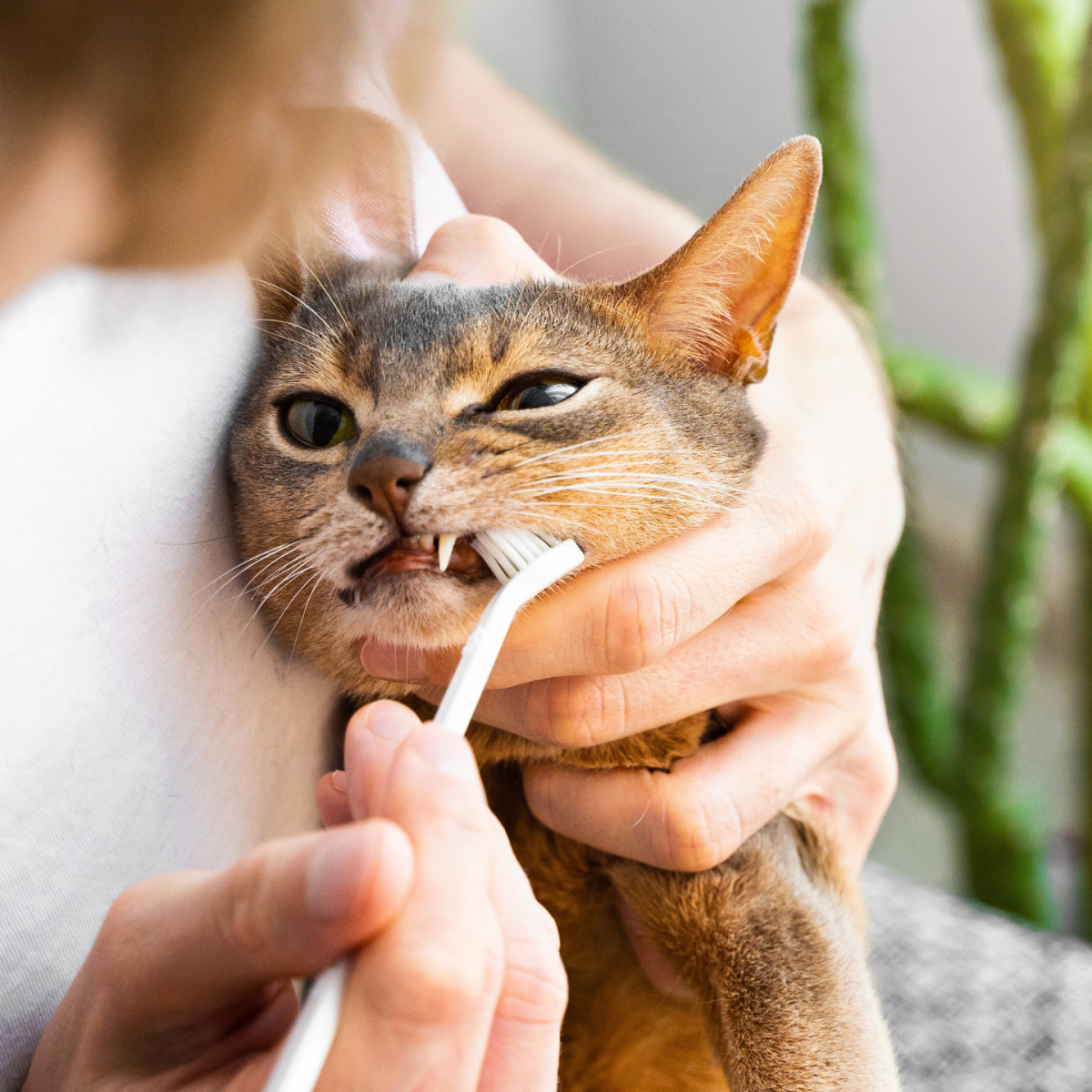
Brushing your cat’s teeth requires trust and patience. Spending this quiet time together builds a stronger connection. Have you tried turning brushing into a calm, rewarding ritual your cat looks forward to?
Credit: paradepets.com
Choosing The Right Tools For Cat Dental Care
Choosing the right tools for your cat’s dental care can make all the difference in keeping their teeth healthy and clean. Not every toothbrush or toothpaste is safe or effective for cats. Using the appropriate products helps avoid discomfort and encourages your cat to cooperate during brushing sessions.
Types Of Toothbrushes
There are several toothbrush options designed specifically for cats. Some have small, soft bristles that gently clean without irritating your cat’s gums. Others come as finger brushes that fit over your fingertip, giving you better control and allowing your cat to get used to the sensation gradually.
- Standard cat toothbrush:Long handle with soft bristles, perfect for reaching all areas.
- Finger brush:Fits on your finger, ideal for sensitive or nervous cats.
- Dual-headed toothbrush:Offers two sizes on one brush for different mouth areas.
Which type do you think your cat would tolerate best? Trying different brushes can help you find the perfect fit for your feline friend.
Cat-friendly Toothpaste Options
Never use human toothpaste on your cat—it contains ingredients that can harm them if swallowed. Instead, choose toothpaste made specifically for cats, which is safe to swallow and comes in flavors your cat may enjoy, like poultry or seafood.
- Enzymatic toothpaste:Breaks down plaque and freshens breath effectively.
- Natural toothpaste:Made with mild, non-toxic ingredients for sensitive cats.
- Gel toothpaste:Easy to apply and often more palatable.
Have you noticed if your cat prefers a particular flavor or texture? Paying attention to these details can make brushing a smoother experience for both of you.
Step-by-step Guide To Brushing Cat’s Teeth
Brushing your cat’s teeth might seem challenging at first, but breaking it down into simple steps can make the process smoother for both you and your furry friend. Patience and a gentle approach are key to building trust and ensuring your cat stays comfortable throughout. Here’s a clear guide to help you get started and keep your cat’s smile healthy.
Getting Your Cat Comfortable
Start by letting your cat get used to the idea of having their mouth touched. Gently lift their lips and rub their gums with your finger for a few seconds daily. This helps your cat associate mouth handling with something positive and non-threatening.
Choose a quiet, calm spot where your cat feels safe. Avoid rushing; if your cat pulls away, take a break and try again later. Have some tasty treats ready to reward good behavior and encourage cooperation.
Proper Brushing Technique
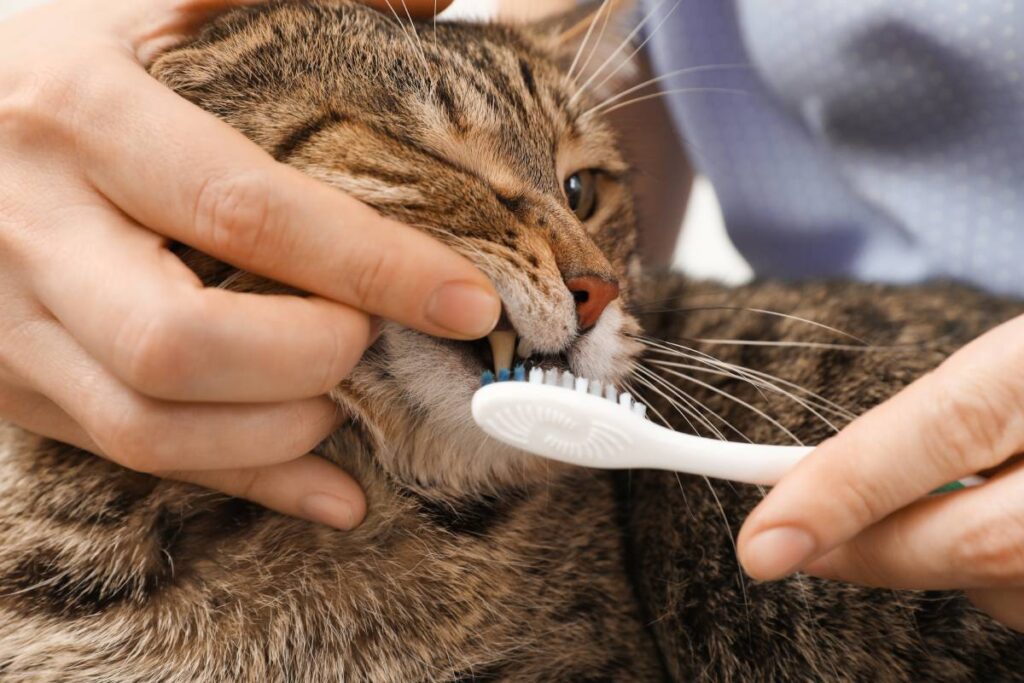
Use a toothbrush designed for cats or a soft-bristled child’s toothbrush. Apply a small amount of cat-friendly toothpaste—never use human toothpaste, as it can be harmful. Hold the brush at a 45-degree angle to your cat’s teeth and gently brush in small circular motions.
- Focus on the outer surfaces of the teeth where plaque builds up most.
- Brush for about 30 seconds to one minute, gradually increasing as your cat gets used to it.
- Be patient if your cat resists; it’s better to stop early than force the process.
Have you noticed your cat’s reaction to touch around their mouth before? Understanding their comfort level helps you decide how quickly to move through these steps. Remember, consistency matters more than speed.
Credit: weareallaboutcats.com
Alternatives To Tooth Brushing
Brushing a cat’s teeth can be tough for many pet owners. Fortunately, there are alternatives to tooth brushing that help keep cats’ teeth clean and healthy. These options support dental care and reduce plaque and tartar buildup. They also help freshen breath and prevent gum disease in cats.
Dental Treats And Toys
Dental treats and toys are designed to clean cats’ teeth while they chew. They help remove plaque and reduce tartar naturally. Many treats contain ingredients that fight bacteria and freshen breath. Toys with textured surfaces massage gums and scrape off food debris. Using these regularly supports healthy teeth without stress.
Professional Dental Cleanings
Veterinarians offer professional dental cleanings under anesthesia. This process removes plaque and tartar from above and below the gum line. It also allows vets to check for dental problems early. Regular cleanings help maintain oral health and prevent pain or infections. Schedule cleanings based on your cat’s needs and vet advice.
Preventive Measures For Cat Dental Health
Keeping your cat’s teeth healthy takes more than just brushing. Preventive care helps avoid dental problems early. Healthy teeth improve your cat’s overall well-being and comfort.
Dietary Recommendations
Food plays a big role in dental health. Dry kibble can help reduce plaque buildup by gently scraping the teeth.
Special dental diets are made to support oral health. These foods often have larger pieces to encourage chewing.
Avoid giving sugary treats. They increase the risk of tooth decay and gum disease.
Offer plenty of fresh water to keep the mouth clean and moist.
Regular Vet Check-ups
Veterinarians check your cat’s teeth for signs of disease or damage. Early detection helps prevent pain and infections.
Professional cleanings remove tartar that brushing can miss. This keeps gums healthy and teeth strong.
Schedule visits at least once a year. Cats with dental issues may need more frequent checks.
Common Myths About Cat Dental Care
Many pet owners have wrong ideas about cat dental care. These myths can stop cats from getting the care they need. Understanding the truth helps keep your cat’s teeth healthy and strong.
Brushing Cats’ Teeth Is Not Necessary
Some think brushing cats’ teeth is not important. This is false. Cats can get dental diseases just like humans. Brushing removes plaque and stops bad breath. It also prevents painful tooth problems.
Cats Will Let You Brush Their Teeth Easily
Many believe cats enjoy tooth brushing. Most cats don’t. They may resist at first. Patience and gentle training help cats get used to brushing. Starting early makes the process easier.
Dental Problems Only Affect Old Cats
People often say only old cats get dental issues. Young cats can have problems too. Bacteria build up over time. Early care helps avoid serious issues later. Regular checkups are important at any age.
Chewing Toys Or Special Food Can Replace Brushing
Some think toys or special food clean teeth well enough. These help but do not replace brushing. Toys don’t remove all plaque. Brushing is the best way to keep teeth clean and healthy.
Bad Breath Is Normal In Cats
Many owners ignore bad breath, thinking it’s normal. Bad breath can signal dental disease or other health issues. If your cat’s breath smells bad, see a vet. Early treatment helps prevent bigger problems.

Credit: www.purina.com
Frequently Asked Questions
Do Cats Really Need Their Teeth Brushed Regularly?
Yes, brushing cats’ teeth helps prevent plaque, tartar, and gum disease. It improves their oral health and overall well-being.
How Often Should I Brush My Cat’s Teeth?
Ideally, brush your cat’s teeth daily or at least 3-4 times a week to maintain clean teeth and healthy gums.
What Type Of Toothpaste Is Safe For Cats?
Use only toothpaste formulated specifically for cats. Human toothpaste contains harmful ingredients and should never be used on pets.
Can Regular Brushing Prevent Dental Diseases In Cats?
Yes, consistent brushing reduces the risk of dental issues like gingivitis, tooth decay, and bad breath in cats.
Conclusion
Brushing your cat’s teeth helps keep their mouth healthy. It can prevent pain and serious problems later. Cats may not like it at first, but patience helps. Use a soft brush and special toothpaste made for cats. Try to brush regularly, even a few times a week.
Clean teeth mean fresher breath and happier cats. Taking care of their teeth is part of good pet care. Small effort now saves bigger trouble in the future. Start slow, be gentle, and your cat will adjust. Healthy teeth, happy cat!
