

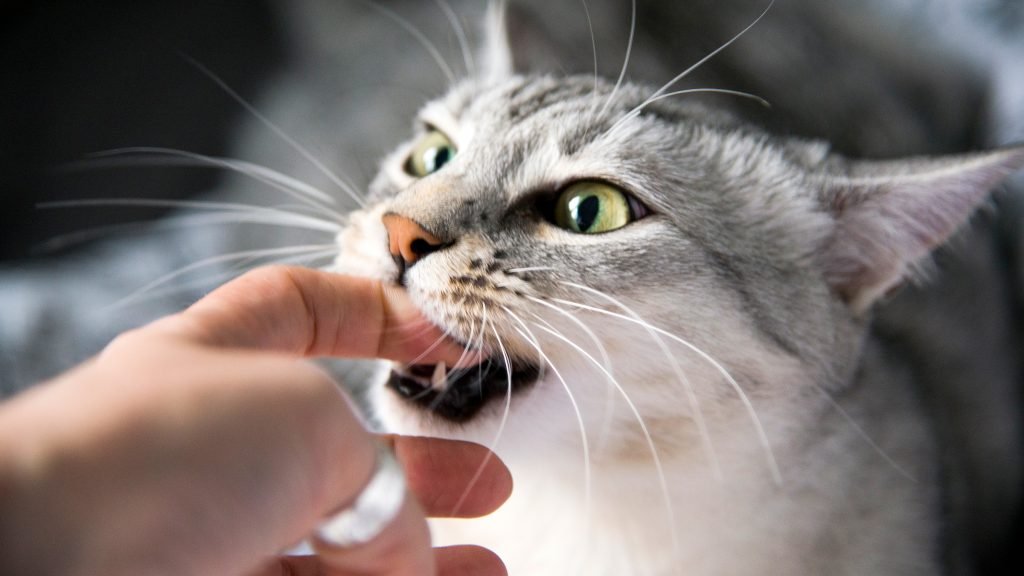
Have you ever been happily petting your cat, only to feel a sudden nip or bite out of nowhere? It’s confusing and can even hurt a little.
You might wonder, why does your sweet cat turn from cuddly to a bit aggressive when you’re just trying to show some love? Understanding the reasons behind this behavior can help you build a better bond and avoid those unexpected bites.
Keep reading to discover what’s really going on in your cat’s mind and how you can make petting time enjoyable for both of you.

Credit: www.youtube.com
Cat Behavior Basics
Understanding why cats bite when you pet them starts with grasping the basics of their behavior. Cats have unique ways of interacting with their environment and expressing their feelings. Knowing these basics helps you read their signals better and respond in ways that make your bond stronger.
Natural Instincts
Cats are hunters by nature. Their instincts often kick in during petting sessions, especially if you touch sensitive areas like their belly or tail. This can trigger a playful or defensive bite because they see your hand as a moving target.
Think about how your cat reacts when it suddenly pounces on a toy. That same predatory drive can appear when you pet them. Recognizing this helps you avoid petting spots that might cause overstimulation.
Communication Methods
Cats use biting as a form of communication. A gentle nip can mean “stop, I’ve had enough,” while a harder bite may signal discomfort or stress. Paying attention to other signs like tail flicks or ear positions can give you clues before the biting happens.
Have you noticed your cat suddenly biting after a long petting session? That’s their way of telling you to pause. Learning to read these signals lets you respect their boundaries and keeps your interactions positive.

Credit: www.youtube.com
Reasons Cats Bite When Petted
Understanding why cats bite when you pet them can help you build a stronger bond with your furry friend. Biting is often a way cats communicate discomfort or playfulness. Recognizing the reasons behind this behavior lets you respond appropriately and keep your interactions positive.
Overstimulation Response
Sometimes, petting can become too much for a cat. Their skin is very sensitive, and what starts as enjoyable can quickly turn overwhelming. You might notice your cat twitching its tail or flattening its ears just before a gentle nip or bite.
Have you ever felt annoyed when someone repeatedly taps your shoulder? Cats experience a similar sensation. Paying attention to these warning signs helps you stop petting before your cat feels the need to bite.
Sensitive Areas
Not all parts of a cat’s body like to be touched. Areas like the belly, tail, or paws are often off-limits. When you pet these zones, your cat might bite to tell you they don’t appreciate it.
Try observing where your cat prefers to be stroked. Most cats enjoy gentle scratches behind the ears or under the chin. Respecting their preferences can reduce biting incidents significantly.
Attention-seeking Actions
Sometimes, biting is a way for your cat to get your attention. If they want to play or feel neglected, a quick bite might be their way of saying “look at me.”
Instead of punishing this behavior, try redirecting their energy with toys or interactive play sessions. This approach turns biting into a fun and positive experience for both of you.
Playful Behavior
Cats often use their mouths while playing, especially when they are kittens. A gentle bite can be part of their natural play style. However, if the bite hurts, it’s important to teach them boundaries early on.
Offering chew toys or engaging in play with wand toys can help your cat satisfy their need to bite without hurting you. How do you redirect your cat’s playful bites?
Signs Your Cat Might Bite
Recognizing the signs your cat might bite is crucial to building a trusting relationship. Cats often give clear signals before they snap, helping you avoid painful surprises. Paying attention to these subtle warnings can keep your interactions enjoyable and safe.
Body Language Cues
Watch your cat’s posture closely. If their ears flatten against their head or they tense up, it usually means they feel threatened or overstimulated. A sudden stillness or a quick turn of the head away from your hand can also signal that a bite might be coming.
I once ignored my cat’s stiffening body and ended up with a quick nip on my finger. Since then, I’ve learned to pause and give her space the moment I see these signs.
Vocal Warnings
Cats often use sounds to tell you they’re uncomfortable. Low growls, hisses, or a sharp “chirp” can mean your cat is on edge. These vocal warnings rarely come out of nowhere, so hearing them should prompt you to stop petting immediately.
Have you noticed your cat’s sudden change in tone during petting? That’s your cue to step back and let them calm down before trying again.
Tail Movements
Your cat’s tail is a powerful indicator of their mood. A flicking or lashing tail often shows irritation and impatience. Even a slowly swishing tail can mean your cat is overstimulated and might bite if you continue.
- A tail that thrashes side to side is a clear sign to stop.
- A gently twitching tail tip may mean they’re close to losing patience.
Next time you pet your cat, observe their tail carefully—this simple habit can save you from unexpected bites.

Credit: www.feliway.co.uk
Preventing Unwanted Biting
Preventing unwanted biting is key to enjoying time with your cat. Understanding why cats bite helps reduce this behavior. Cats use biting to communicate discomfort or overstimulation. Learning to prevent biting keeps both you and your cat happy and safe.
Recognizing Triggers
Notice what makes your cat bite during petting. Common triggers include:
- Too much petting in one spot
- Sudden movements or loud noises
- Touching sensitive areas like the tail or belly
- Overstimulation from long petting sessions
Watch your cat’s body language to spot early signs. Tail flicking, ears back, or tense muscles show discomfort.
Adjusting Petting Techniques
Change how you pet your cat to avoid bites. Use gentle strokes and keep sessions short. Focus on safe areas like the head and chin. Stop petting if your cat shows signs of irritation.
- Use slow, calm hand movements
- Keep petting sessions under five minutes
- Avoid petting the belly unless your cat likes it
- Pause to see if your cat wants more attention
Creating A Calm Environment
A peaceful space reduces stress and biting. Keep noise low and avoid sudden changes. Provide quiet places where your cat can relax. A calm environment helps your cat feel safe during petting.
- Use soft lighting and quiet sounds
- Offer cozy beds or hiding spots
- Keep other pets away during petting time
- Maintain a routine to build trust
When To Seek Professional Help
Knowing when to seek professional help is key to handling your cat’s biting behavior. Some biting is normal, but certain signs mean it is time to get expert advice. Persistent biting or sudden aggression can signal health or emotional issues. Understanding these signs helps keep your cat happy and safe.
Consulting A Veterinarian
A vet can rule out pain or illness causing biting. Cats often hide discomfort. If your cat’s biting is new or severe, a vet visit is wise. Health problems like dental pain or infections may trigger biting. The vet can recommend treatment or medication to ease symptoms. Regular check-ups help catch issues early.
Behavioral Therapy Options
Some cats need help changing bad habits. A cat behaviorist studies your cat’s actions and environment. They create a plan to reduce biting using positive reinforcement. Therapy may include training techniques and environmental changes. This support helps your cat feel calm and less stressed. Patience and consistency are important during therapy.
The Bond Between Humans And Cats
The bond between humans and cats is unique and complex. Cats show affection differently than dogs. Sometimes, a cat may bite during petting. This behavior can confuse many owners. Understanding the relationship helps explain why cats bite.
Trust is the foundation of this bond. Cats need to feel safe and comfortable. They use biting as a way to communicate boundaries or excitement. Learning to read these signals improves the connection between cat and owner.
Building Trust
Trust grows slowly over time. Cats watch body language and tone carefully. Gentle touches and calm voices make cats feel secure. Respect their space and stop petting if they seem tense. Trust allows cats to relax and enjoy petting without biting.
Positive Reinforcement
Reward good behavior to encourage calm petting. Use treats or soft praise when cats stay relaxed. Avoid punishment, as it breaks trust and causes fear. Positive reinforcement teaches cats that gentle petting feels good. This strengthens the bond and reduces biting incidents.
Frequently Asked Questions
Why Do Cats Bite When Petted Gently?
Cats may bite when petted gently due to overstimulation. Their nerves get too sensitive, causing sudden biting. It’s a natural way to communicate discomfort or signal playfulness. Understanding their body language helps prevent bites and strengthens your bond.
How Can I Stop My Cat From Biting During Petting?
To stop biting, watch for signs like tail flicking or ear twitching. Pause petting before biting starts. Use gentle strokes and avoid sensitive areas. Consistent positive reinforcement encourages calm behavior. Providing toys can redirect biting instincts safely.
Is Biting A Sign Of Aggression In Cats?
Not always. Cats often bite from playfulness, fear, or overstimulation, not just aggression. Recognizing context and body language helps determine intent. Proper training and patience reduce unwanted biting. Aggressive biting usually involves growling or hissing as warnings.
Can Petting Cause Stress Leading To Cat Bites?
Yes, petting can stress some cats, especially if they dislike touch. Stress triggers defensive biting to protect themselves. Gradual, gentle petting and respecting their boundaries reduce stress. Creating a calm environment also helps prevent biting episodes.
Conclusion
Cats bite during petting for many simple reasons. Sometimes, they feel overstimulated or want to set limits. Other times, they may be in pain or stressed. Understanding your cat’s body language helps prevent bites. Watching their tail and ears can give clues.
Respecting their signals keeps your bond strong and happy. Patience and gentle touch make petting time better for both of you. Every cat is different, so learn what yours likes best. This way, petting stays fun and safe for everyone involved.
