

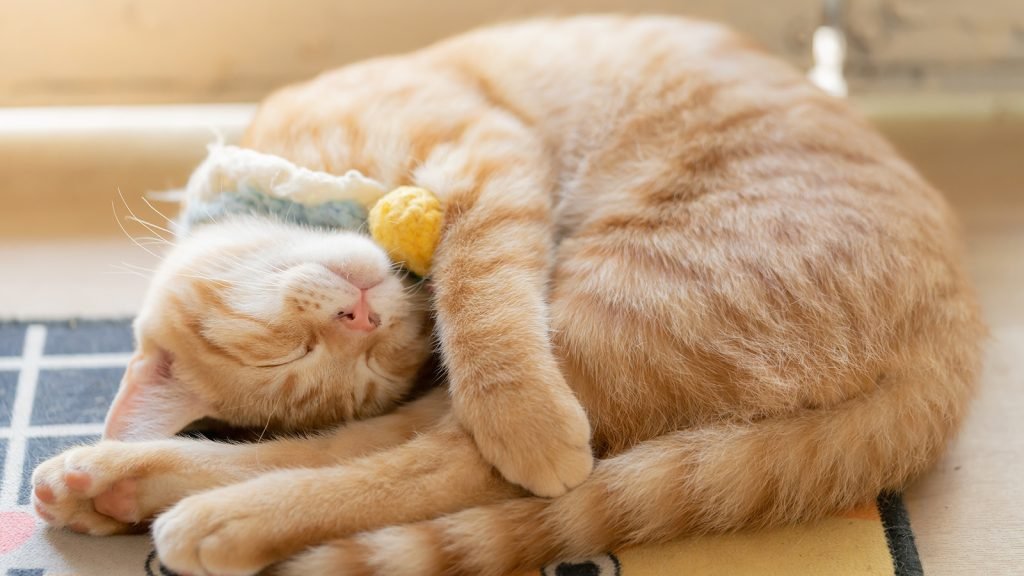
Have you ever heard your cat making strange noises while sleeping and wondered, “Do cats snore?” It’s a curious question because snoring is often linked to humans, but your furry friend might be doing it too.
Understanding why your cat snores can help you learn more about their health and comfort. Keep reading to discover surprising facts about cat snoring and what it means for your beloved pet’s well-being. You might just find out something that changes how you see your cat’s sleepy habits!
Do Cats Really Snore?
Many cat owners wonder if their furry friends really snore. The idea of a cat snoring might surprise some. Cats do sleep deeply, just like humans. This deep sleep can sometimes cause snoring sounds. These noises can be soft or loud, depending on the cat.
Snoring in cats happens when air struggles to pass through the nose or throat. This can be due to relaxed muscles during sleep. Some cats have narrow airways, which increase snoring chances. Other factors like allergies or weight can also play a part.
What Causes Cats To Snore?
- Relaxed throat muscles during deep sleep
- Narrow nasal passages
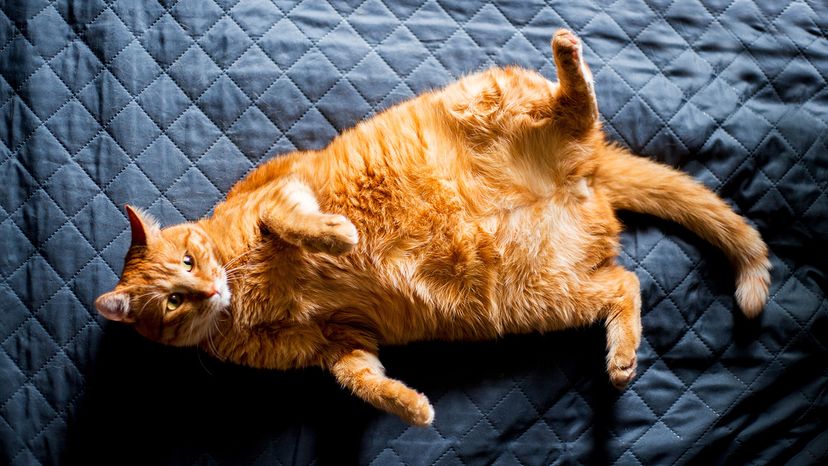
- Obesity or excess weight
- Allergies causing nasal congestion
- Respiratory infections or illnesses
Which Cats Are More Likely To Snore?
- Flat-faced breeds like Persians and Himalayans
- Overweight or obese cats
- Older cats with looser throat muscles
- Cats with allergies or respiratory issues
When Should You Worry About Cat Snoring?
- Snoring with coughing or sneezing
- Difficulty breathing or noisy breathing
- Sudden changes in snoring patterns
- Loss of appetite or lethargy
- Snoring that disturbs normal sleep
Credit: animals.howstuffworks.com
Causes Of Cat Snoring
Have you ever noticed your cat making those soft snoring sounds and wondered why? Cats snore for various reasons, some harmless and others that might need your attention. Understanding these causes helps you decide when a snoring cat is just being cute or when it signals a health problem.
Common Reasons
Many cats snore simply because of how they sleep. Just like people, their position can affect airflow, causing gentle snoring sounds. If your cat curls up tightly or lies with their head pressed against a surface, airflow can get restricted.
Breed also plays a role. Cats with flat faces, like Persians or Himalayans, often snore more because of their shorter nasal passages. Even a little extra weight can increase snoring, so watch your cat’s diet and activity level carefully.
Health Concerns
Sometimes, snoring points to health issues. Allergies, respiratory infections, or nasal blockages can cause your cat to snore louder or more frequently. If the snoring is new or comes with other symptoms like coughing or sneezing, it’s worth a vet visit.
Dental problems or tumors in the mouth or throat may also cause snoring. When was the last time you checked your cat’s mouth? Regular checks can help you catch problems early. Don’t ignore snoring that sounds harsh or is accompanied by difficulty breathing.
Breeds Prone To Snoring
Some cat breeds are more likely to snore than others due to their physical traits. Understanding which breeds tend to snore can help you recognize if your cat’s snoring is normal or if it might signal a health issue. Let’s look at the breeds most prone to this noisy habit.
Persian Cats
Persians have flat faces and short noses, a trait called brachycephalic. This unique shape can cause their airways to be narrower, making snoring common. If your Persian snores, it’s usually harmless but keep an eye out for any breathing difficulties.
Himalayan Cats
Similar to Persians, Himalayans share the flat-faced feature that often leads to snoring. Their thick fur can also contribute to overheating, which might worsen snoring episodes. Have you noticed your Himalayan snoring more after a warm nap?
Exotic Shorthair Cats
Exotic Shorthairs are like short-haired Persians, with the same brachycephalic face. This breed often snores due to their compact facial structure. If your Exotic Shorthair snores loudly, it’s a good idea to check with your vet to rule out any airway issues.
Burmese Cats
Burmese cats sometimes snore because of their slightly shorter muzzle compared to other breeds. Their airway shape can cause mild snoring, especially when they’re relaxed or sleeping deeply. Does your Burmese sound like a tiny purr-machine when it sleeps?
Other Breeds
- British Shorthairscan snore occasionally due to their round faces.
- Scottish Foldsmight snore, especially if overweight.
- Ragdollssometimes snore when in deep sleep phases.
Keep in mind, snoring in these breeds is often normal but sudden changes or loud snoring can mean your cat needs a vet check. Do you notice your cat’s snoring change with age or weight?
When To Worry About Snoring
Snoring in cats is often harmless, but it can sometimes signal a health problem. Knowing when to worry about your cat’s snoring can help you catch issues early. Pay close attention to changes in the sound, frequency, and your cat’s overall behavior.
Signs Of Health Issues
Watch for snoring that suddenly starts or gets louder. It might be a sign of nasal congestion, obesity, or even breathing problems. If your cat shows other symptoms like coughing, sneezing, or difficulty breathing, it’s time to take action.
Also, notice if your cat’s snoring interrupts their sleep or causes restlessness. Lethargy, loss of appetite, or weight changes can accompany snoring related to health issues. These signs mean you shouldn’t ignore the snoring.
Consulting A Veterinarian
If you see any worrying signs, schedule a visit to your vet. They can examine your cat’s airways, check for infections, and run tests if needed. Early diagnosis can prevent minor problems from turning serious.
Don’t wait for the snoring to become constant or severe. Your vet can also advise on weight management or environmental changes that might reduce snoring. Remember, your cat’s comfort and health depend on your attention to these details.
Tips To Reduce Cat Snoring
Snoring in cats can disrupt their rest and yours. Simple changes can help reduce this noisy habit. Small adjustments often bring big relief for snoring cats.
Adjusting Sleeping Positions
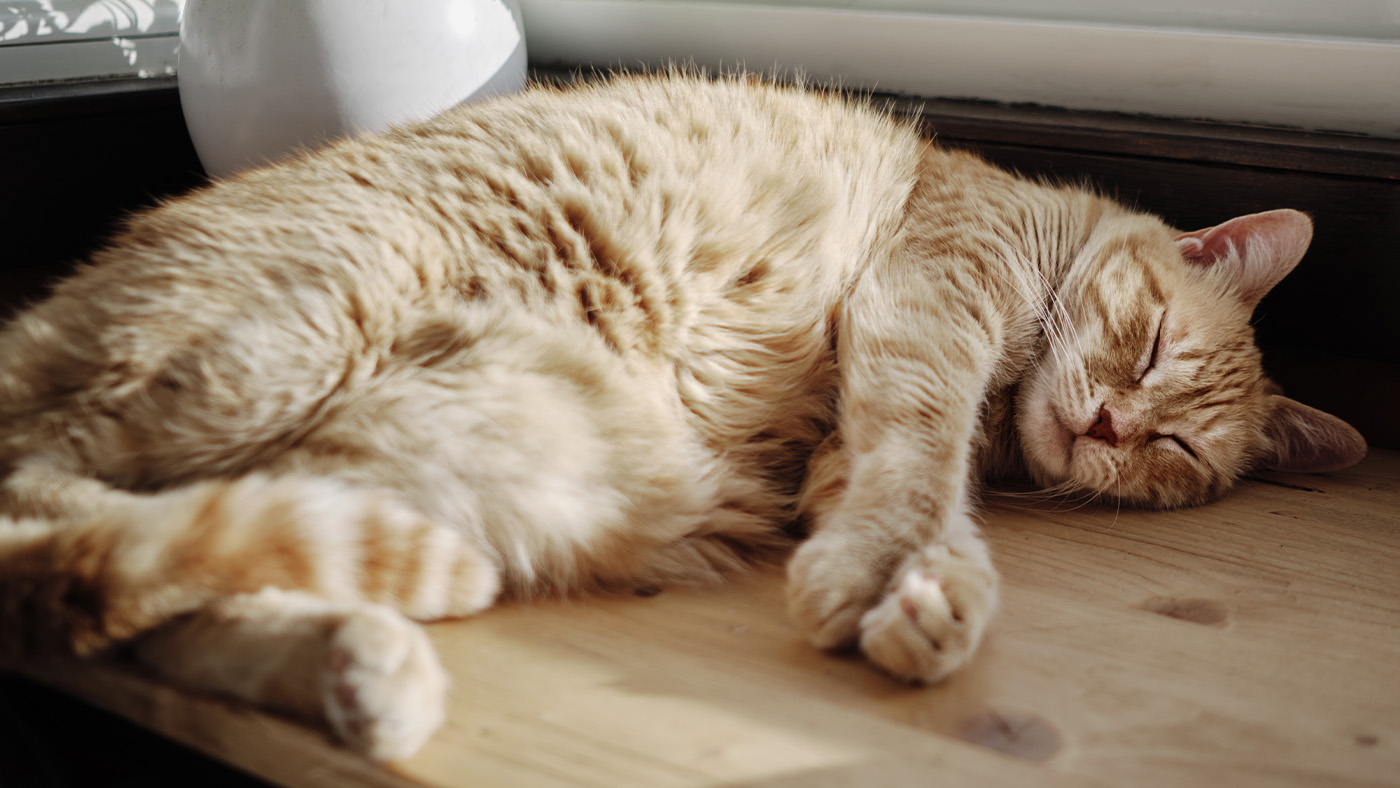
The way a cat sleeps affects its breathing. Encourage your cat to sleep on its side. Side sleeping helps keep airways clear and reduces snoring.
- Place soft bedding in quiet, comfortable spots.
- Gently move your cat if it sleeps on its back.
- Use pillows or cushions to support side sleeping.
These tips help your cat breathe easier at night and snore less.
Maintaining Healthy Weight
Excess weight causes extra pressure on your cat’s throat. This pressure narrows airways and leads to snoring. Keeping your cat at a healthy weight reduces this risk.
- Feed balanced meals with proper portion sizes.
- Encourage daily play to burn calories.
- Consult a vet for a safe weight loss plan.
A fit cat breathes better and snores less during sleep.
Credit: www.petsradar.com
Snoring Vs. Other Noises
Cats make different sounds while they rest. Some of these sounds might seem like snoring. Others can be quite different but easily confused with snoring. Knowing the difference helps you understand your cat better.
Snoring happens when air moves through the throat in a special way. Other noises come from different causes. These sounds can tell you if your cat is relaxed or if there might be a health issue.
What Does Cat Snoring Sound Like?
Cat snoring is soft and steady. It often happens when your cat sleeps deeply. The noise is rhythmic and low. It sounds like gentle wheezing or light buzzing.
Common Noises Mistaken For Snoring
- Snorting:A sudden sharp sound, often from clearing the nose.
- Wheezing:A high-pitched sound during breathing, can signal breathing trouble.
- Chirping or Trilling:Soft vocal sounds cats make when alert or happy, not related to breathing.
When Noises Indicate Health Concerns
Harsh or loud breathing sounds may mean a problem. Coughing, gagging, or constant wheezing need attention. These noises differ from gentle snoring and should be checked by a vet.
Fun Facts About Cats And Sleep
Cats are known for their love of sleep, spending much of their day napping. Their sleep habits hold many surprises. Understanding these habits helps us appreciate our feline friends better. Here are some fun facts about cats and sleep that you might not know.
How Much Do Cats Sleep?
Cats sleep between 12 to 16 hours daily. Some cats even sleep up to 20 hours. They are among the top sleepers in the animal kingdom. This helps them conserve energy for hunting and playing.
Do Cats Dream?
Cats experience REM sleep, the stage linked to dreaming. You may see their paws twitch or whiskers move. This shows they are likely dreaming about chasing or playing. Dreaming helps process memories and experiences.
Why Do Cats Purr When They Sleep?
Purring often happens during relaxation, including sleep. It may comfort cats and reduce stress. Purring might also help heal their bodies. This soothing sound shows cats feel safe and happy.
Do Cats Snore?
Yes, some cats do snore. Snoring is usually harmless and happens during deep sleep. It can be due to their sleeping position or blocked airways. If snoring is loud or frequent, a vet check is wise.

Credit: tryfurgo.com
Frequently Asked Questions
Do Cats Snore While Sleeping?
Yes, cats can snore during sleep. Snoring happens when their airways are partially blocked. It’s usually harmless but can indicate health issues if loud or frequent.
Why Do Cats Snore Sometimes?
Cats snore due to relaxed throat muscles, obesity, or sleeping position. Allergies or respiratory problems can also cause snoring in cats.
Is Cat Snoring A Sign Of Illness?
Occasional snoring is normal. However, persistent loud snoring may signal respiratory infections, obesity, or dental problems. Consult a vet if snoring worsens.
Can Certain Cat Breeds Snore More?
Yes, flat-faced breeds like Persians and Himalayans snore more. Their shorter airways make breathing noisier, leading to frequent snoring episodes.
Conclusion
Cats can snore just like people do. It usually happens when they sleep deeply. Snoring is often normal and not a sign of illness. But if your cat snores loudly or often, it might need a vet check. Keep an eye on their breathing and behavior.
A healthy cat is a happy cat. Knowing about cat snoring helps you care better for your pet. Sleep well, kitty!
