

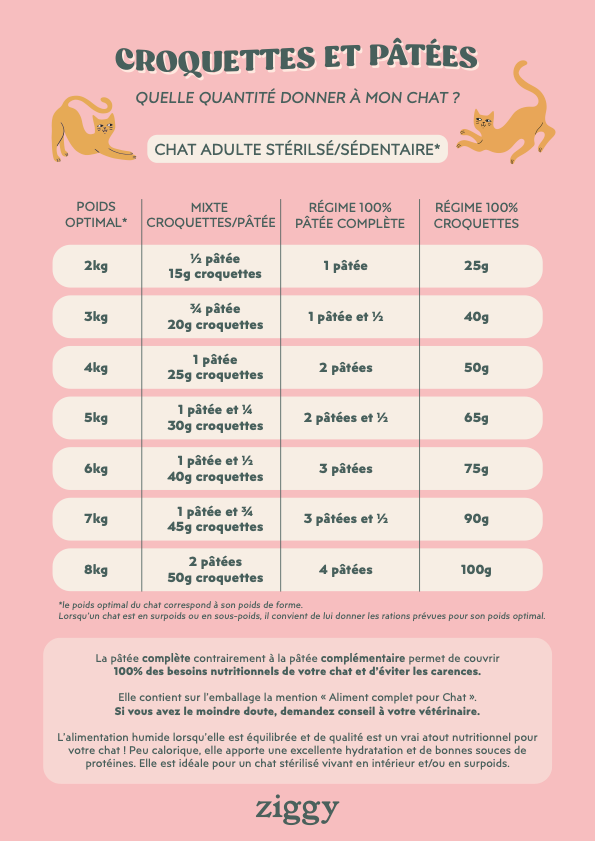
Wondering how much food your cat really needs each day? Feeding your furry friend just the right amount can keep them healthy, happy, and full of energy.
Too little, and they might feel hungry and weak. Too much, and weight problems can sneak in. You want to give your cat the perfect portion, but it’s not always easy to know where to start. You’ll discover simple tips and clear guidelines to help you feed your cat just the right amount every day.
Keep reading to make sure your feline friend stays fit and satisfied!
Factors Affecting Cat’s Food Requirements
Several factors influence how much food a cat needs each day. Understanding these elements helps provide the right nutrition. Cats have different needs based on their body and lifestyle. Feeding them correctly keeps them healthy and happy.
Age And Life Stage
Kittens need more food to support fast growth. Adult cats require fewer calories to maintain weight. Senior cats may eat less due to lower activity. Each life stage demands specific nutrients and amounts.
Activity Level
Active cats burn more energy and need extra food. Indoor cats tend to be less active and need fewer calories. Playful cats or outdoor cats require more to fuel their movement.
Breed And Size
Large breeds like Maine Coons eat more than smaller breeds. Small breeds need less food but higher nutrient density. Body size directly affects daily calorie needs.
Health Conditions
Some health issues change a cat’s appetite and metabolism. Cats with diabetes or kidney problems need special diets. Always consult a vet for feeding advice if health issues arise.
Credit: goodnessgracioustreats.com
Types Of Cat Food
Cats need a balanced diet for good health and energy. Different types of cat food provide various nutrients and benefits. Choosing the right type depends on your cat’s age, health, and preferences. Understanding each type helps you feed your cat properly and avoid overfeeding or underfeeding.
Dry Food
Dry cat food is easy to store and serve. It often contains more calories per serving. Cats enjoy the crunchy texture, which can help clean their teeth. Dry food lasts longer once opened. It tends to be less expensive than other types. Check the label for protein and fat content to ensure it meets your cat’s needs.
Wet Food
Wet cat food has high moisture content, which helps keep cats hydrated. It usually contains more protein and fewer carbohydrates than dry food. Wet food comes in cans or pouches with soft texture. Cats often find it tastier and more palatable. This type of food is good for cats with dental issues or those who need more fluids.
Raw Diet
The raw diet includes uncooked meat, organs, and bones. It mimics what cats eat in the wild. Some owners prefer this diet to provide natural nutrients. Raw food requires careful handling to avoid bacteria. It is important to consult a vet before starting a raw diet. This diet can be high in protein and fat but low in carbohydrates.
Homemade Meals
Homemade cat food lets you control ingredients and quality. Cooking meals for cats requires balanced nutrients. Use fresh meat, vegetables, and supplements as advised by a vet. Homemade meals can prevent allergies or sensitivities. They take more time and effort compared to commercial foods. Always research recipes to ensure your cat’s health.
Daily Caloric Needs For Cats
Understanding your cat’s daily caloric needs is essential for keeping them healthy and happy. Just like people, cats need the right amount of energy to maintain their body functions, stay active, and support growth. Feeding too much or too little can lead to weight issues and health problems.
Calculating Caloric Requirements
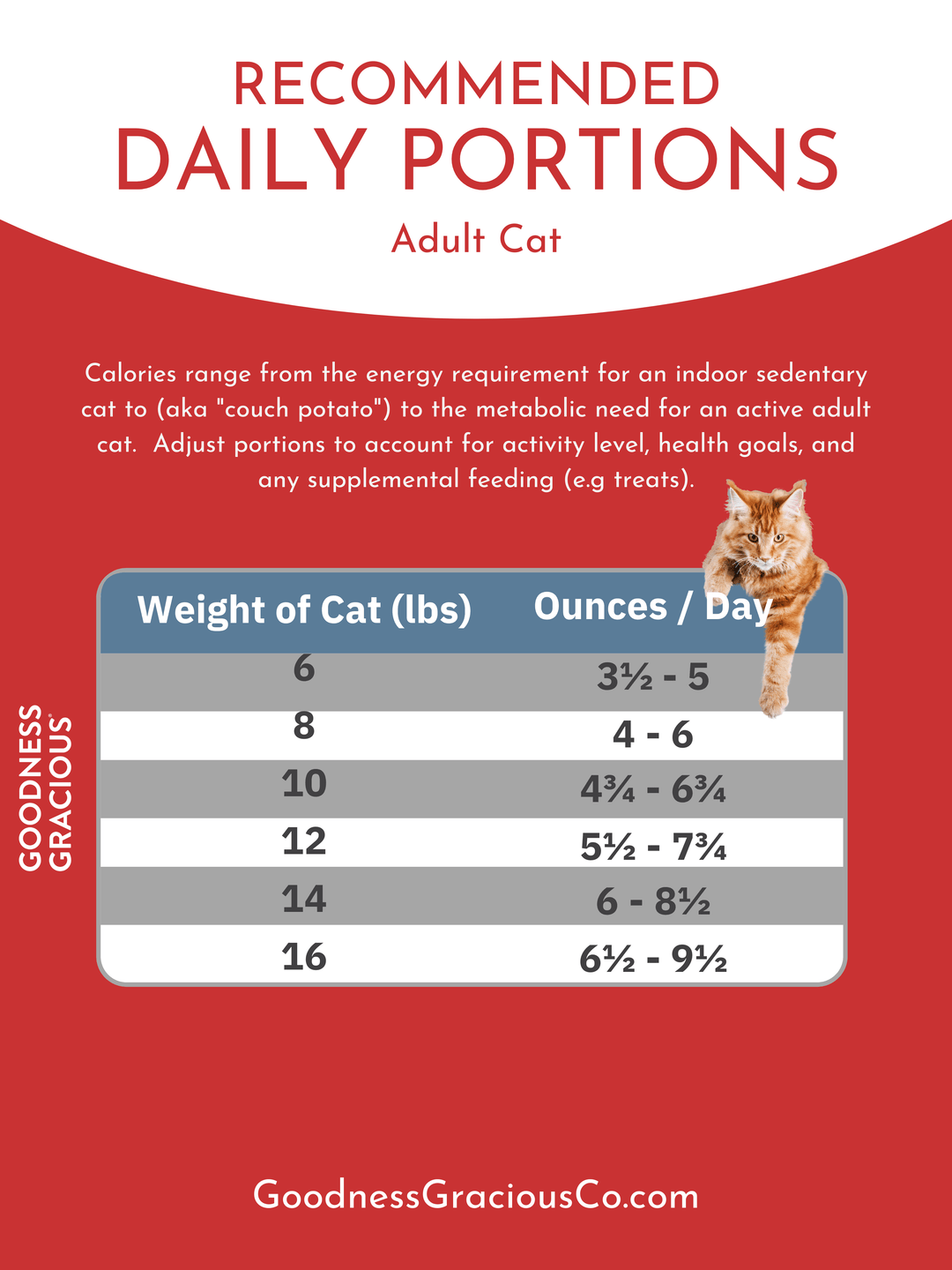
Start by knowing your cat’s weight and activity level. Most adult cats need around 20 calories per poundof body weight each day. For example, a 10-pound cat typically requires about 200 calories daily.
Keep in mind these numbers vary with age, breed, and health conditions. Kittens, pregnant cats, and very active cats often need more calories. Older or less active cats might need fewer.
Here’s a simple formula you can use:
| Cat’s Weight (lbs) | Calories Needed Per Day |
|---|---|
| 8 | 160 |
| 10 | 200 |
| 12 | 240 |
Adjustments For Weight Management
Is your cat gaining or losing weight unexpectedly? This might mean you need to adjust their calorie intake. For weight loss, reduce calories by about 20% but never cut too quickly to avoid health issues.
If your cat is underweight, increase calories gradually with high-quality, nutrient-rich food. Monitor their weight weekly to see if changes are working.
Remember, your cat’s metabolism and lifestyle can change, so keep reassessing their needs. What small change can you make today to help your cat maintain a healthy weight?
Credit: www.petsmart.com
Feeding Schedules And Portions
Feeding schedules and portion sizes are key to keeping cats healthy and happy. Cats need the right amount of food at the right times. This helps control their weight and energy levels. Understanding different feeding methods can guide you to make better choices for your cat’s diet.
Portion control ensures your cat gets enough nutrients without overeating. It also prevents obesity and related health problems. Setting a feeding routine creates a sense of security for your cat. Let’s explore common feeding styles and tips to measure portions correctly.
Free Feeding Vs. Scheduled Meals
Free feeding means leaving food out all day. Cats eat small amounts whenever they want. This suits cats that self-regulate their intake well. It reduces stress from hunger between meals.
Scheduled meals involve feeding your cat at set times. Usually, two to three times daily works best. This helps monitor how much your cat eats. It also prevents overeating and food waste.
Both methods have pros and cons. Free feeding can lead to overeating for some cats. Scheduled meals require more effort but offer better portion control. Choose the method that fits your cat’s habits and your lifestyle.
Portion Control Tips
- Check your cat’s weight and age for feeding guidelines.
- Use a measuring cup or scale to serve food precisely.
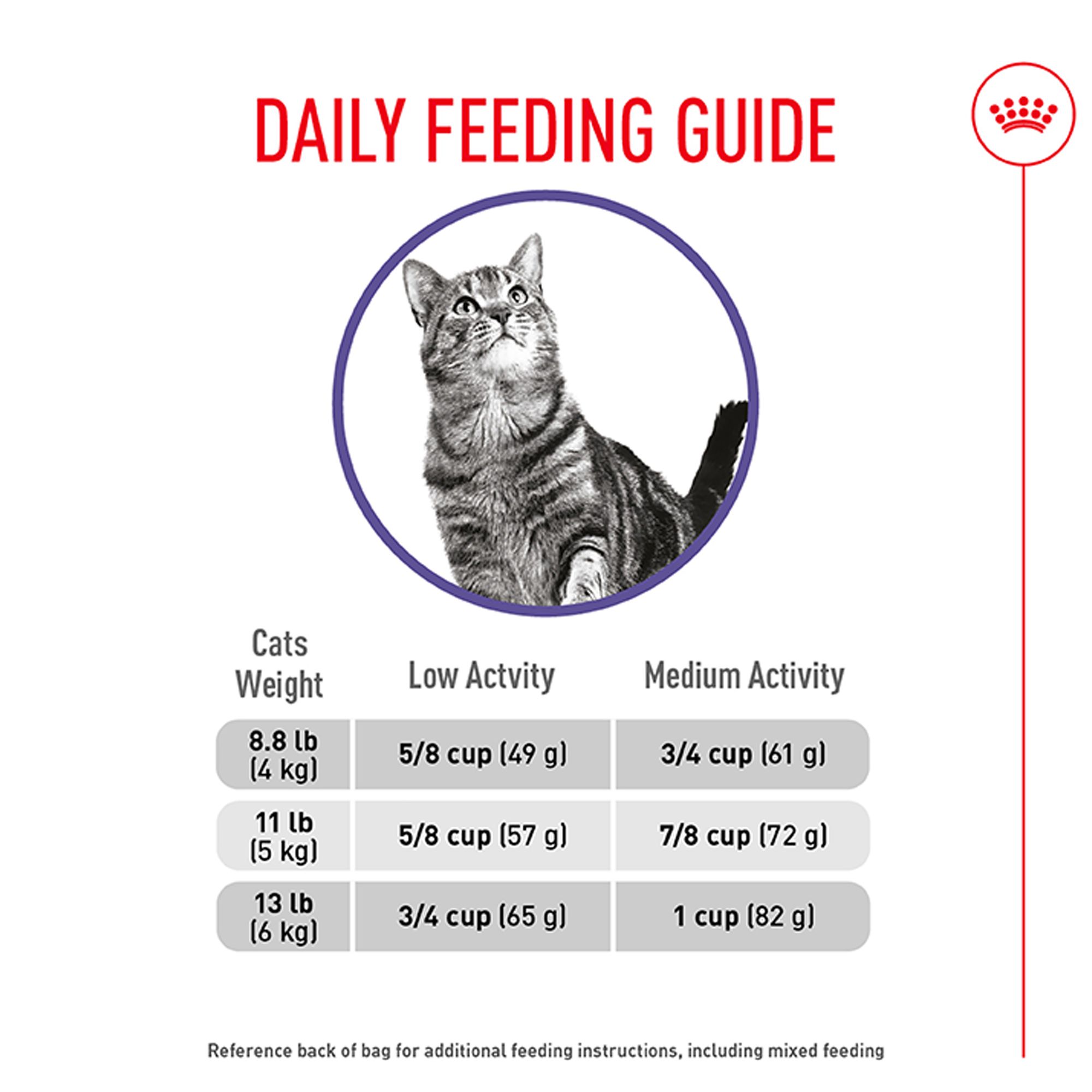
- Follow the feeding recommendations on the cat food package.
- Adjust portions based on your cat’s activity level and health.
- Watch your cat’s body condition to avoid underfeeding or overfeeding.
Regularly weigh your cat to track healthy growth or weight loss. Avoid free feeding if your cat tends to overeat. Split daily food into smaller meals for better digestion. Clean food and water bowls daily to keep your cat healthy.
Signs Of Overfeeding Or Underfeeding
Recognizing the signs of overfeeding or underfeeding your cat is crucial for maintaining their health. Feeding the right amount isn’t just about quantity; it’s about observing changes in your cat’s body and behavior. These signs can help you adjust their diet before any serious health issues develop.
Weight Fluctuations
One of the clearest signs that your cat’s feeding amount is off is noticeable weight change. If your cat is gaining weight rapidly, it might be a sign of overfeeding or too many treats. On the other hand, sudden weight loss can indicate underfeeding or a health problem.
Keep a regular check on your cat’s weight. You can do this at home with a simple scale or during vet visits. If you spot consistent weight changes, it’s time to reassess their daily food intake and quality.
Behavioral Changes
Changes in behavior often signal that your cat’s nutritional needs aren’t being met properly. Overfed cats might become less active or show signs of lethargy because they feel sluggish. Conversely, underfed cats may appear restless, constantly searching for food or meowing more than usual.
Watch how your cat acts around meal times and throughout the day. Are they begging for food even after being fed? Or do they ignore their meals? These behaviors can tell you a lot about whether their diet is right or needs adjustment.
Special Dietary Considerations
Special dietary needs affect how much food a cat requires each day. Age, health, and life stage change their energy and nutrient needs. Feeding the right amount supports their growth, health, and activity levels.
Kittens
Kittens grow fast and need more calories than adult cats. Their food must be rich in protein and fat. Offer several small meals daily to support their energy. Kittens also need food with essential vitamins and minerals for strong bones and development.
Senior Cats
Older cats often have slower metabolism and less activity. They need fewer calories to avoid weight gain. Choose food that is easy to digest and supports joint health. Some senior cats may need diets for kidney health or other medical issues. Monitor their weight and adjust portions carefully.
Pregnant Or Nursing Cats
Pregnant and nursing cats need extra nutrients and calories. Their food should have high protein and fat to support kittens’ growth and milk production. Feed them more often and increase portion sizes gradually. Ensure fresh water is always available to keep them hydrated.
Choosing The Right Cat Food
Choosing the right cat food is essential for your cat’s health and happiness. Cats need balanced nutrition to stay active and strong. Their diet should provide all the necessary nutrients in the right amounts. Selecting food based on quality ingredients supports their overall well-being.
Reading Labels And Ingredients
Check the food label carefully. Look for named protein sources like chicken, fish, or beef. Avoid foods with vague terms like “meat by-products.” Ingredients are listed by weight, so the first few are the most important.
Ensure the food contains essential nutrients such as taurine, vitamins, and minerals. Avoid excessive fillers like corn and wheat. These add calories but little nutrition. High-quality cat food supports healthy muscles and a shiny coat.
Consulting With Veterinarians
Veterinarians offer expert advice on your cat’s diet. They consider your cat’s age, weight, and health needs. Some cats need special diets for allergies or medical conditions.
Regular vet visits help monitor your cat’s health. The vet can recommend portion sizes and feeding schedules. This ensures your cat stays at a healthy weight and receives proper nutrition every day.
Tips For Encouraging Healthy Eating Habits
Encouraging healthy eating habits in your cat can make a significant difference in their overall well-being. It’s not just about how much food you give but also how you present it and pay attention to their behavior around meals. Small changes in feeding routines and observation can help your cat develop a balanced appetite and avoid overeating or pickiness.
Creating A Feeding Routine
Set specific times for feeding your cat each day. Cats thrive on consistency, and having a regular schedule can reduce anxiety around meals and help control portion sizes.
Use the same feeding spot to make mealtime predictable. This helps your cat associate that place with eating, making them more likely to come when it’s time to eat.
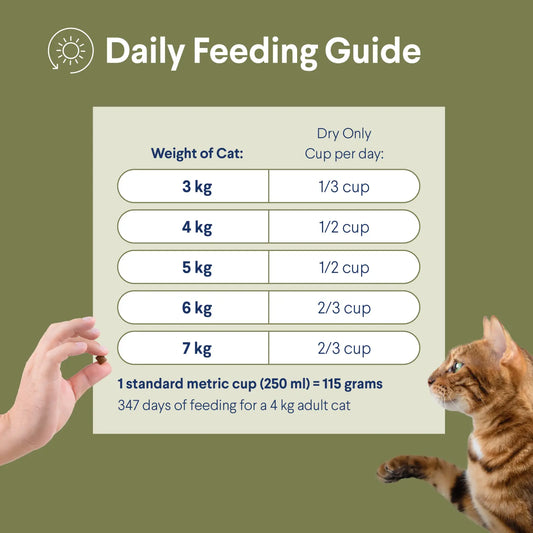
Try to avoid free-feeding, where food is always available. This can lead to overeating and weight gain. Instead, measure out portions to match your cat’s needs and stick to those amounts.
Monitoring Eating Patterns
Watch how much and how quickly your cat eats. Sudden changes, like eating less or more, can signal health problems or stress.
Keep a simple feeding diary for a week or two. Note what your cat eats, how much, and any unusual behavior. This record can be a valuable tool for your vet if problems arise.
Notice if your cat is picky or leaves food behind regularly. Changing the type or flavor of food occasionally can keep them interested and ensure they get all necessary nutrients.
Credit: petfood.advancepet.com.au
Frequently Asked Questions
How Much Food Does An Average Cat Need Daily?
An average adult cat needs about 20 calories per pound daily. This equals roughly 200-250 calories a day for a 10-pound cat. Adjust portions based on age, activity, and health for proper nutrition.
Does A Cat’s Age Affect Daily Food Requirements?
Yes, kittens need more calories for growth, about twice as much as adults. Older cats may require fewer calories due to lower activity. Adjust their food quantity accordingly to maintain a healthy weight.
How To Measure The Right Portion For My Cat?
Use a kitchen scale or measuring cup to portion food accurately. Follow feeding guidelines on packaging as a starting point. Monitor your cat’s weight and adjust portions if needed for ideal health.
Can Feeding Frequency Impact How Much Food A Cat Needs?
Yes, feeding multiple small meals can help regulate appetite and digestion. Cats fed free-choice may eat less per sitting but more overall. Adjust total daily food amounts based on feeding style and cat’s preferences.
Conclusion
Feeding your cat the right amount keeps them healthy and happy. Cats need food based on their age, weight, and activity. Overfeeding can cause weight problems and health issues. Underfeeding may lead to weakness and poor growth. Watch your cat’s body and adjust food as needed.
Fresh water should always be available. Balanced meals support a long, active life. Understanding your cat’s needs helps you care better. Small steps make a big difference in your cat’s health.
