

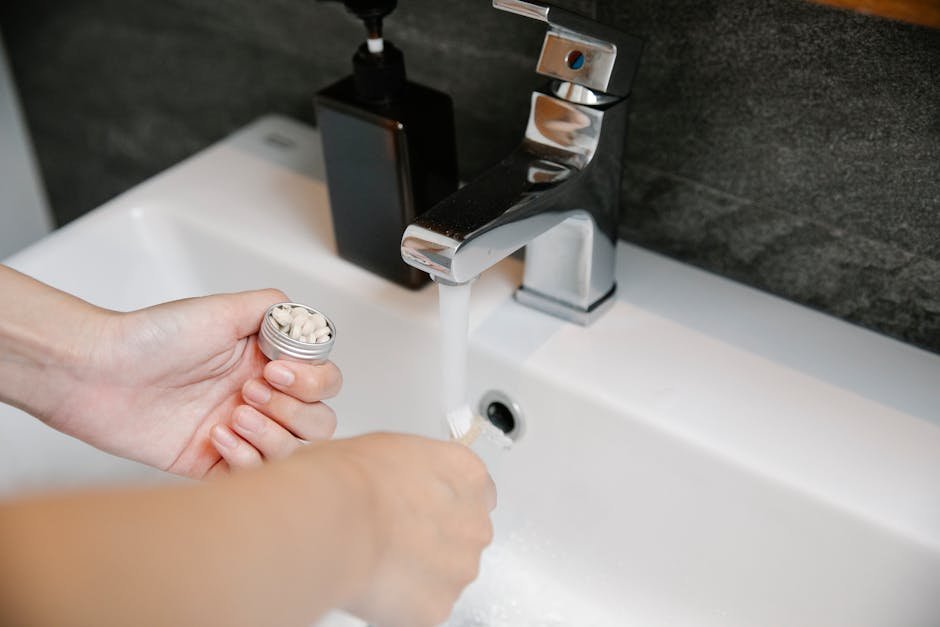
You love your cat and want to keep them healthy and happy. But have you ever thought about their dental health?
Just like people, cats need regular dental care to avoid pain and serious problems. You might wonder, how often do cats need dental cleaning? Knowing the answer can save your furry friend from discomfort and costly vet visits. Keep reading to discover the signs your cat needs a cleaning, how often it should happen, and simple tips to keep their teeth sparkling clean.
Your cat’s smile depends on it!
Importance Of Cat Dental Health
Keeping your cat’s teeth clean is more than just about fresh breath. Healthy teeth and gums are key to your cat’s overall well-being. Ignoring dental health can lead to pain, infections, and even affect vital organs.
Have you noticed your cat avoiding food or pawing at their mouth? These can be signs of dental discomfort. Understanding why dental care matters helps you take better care of your furry friend.
How Dental Problems Affect Your Cat’s Health
Poor dental health can cause bacteria to enter your cat’s bloodstream. This can lead to serious issues like heart, liver, and kidney diseases.
Gingivitis and tooth decay don’t just hurt your cat’s mouth—they can cause long-term damage. Pain from dental problems often goes unnoticed because cats hide their discomfort well.
Benefits Of Regular Dental Cleaning
Regular cleaning removes plaque and tartar before they cause harm. This reduces the risk of gum disease and tooth loss.
Besides preventing disease, clean teeth improve your cat’s appetite and mood. You’ll notice a happier pet who enjoys eating without pain.
Signs You Should Watch For
- Bad breath that doesn’t go away
- Red or swollen gums
- Difficulty eating or dropping food
- Excessive drooling
- Loose or missing teeth
If you see these signs, it’s time to schedule a dental checkup. Early action can save your cat from serious pain and expensive treatments.

Credit: justcatsclinic.com
Signs Of Dental Issues In Cats
Knowing the signs of dental issues in your cat can save you from costly vet visits and painful treatments down the line. Cats often hide their discomfort well, so spotting subtle changes early can make a big difference. If you’re wondering how often your feline friend might need a dental cleaning, start by watching for these key warning signals.
Bad Breath And Mouth Odor
Bad breath is one of the most obvious signs that your cat might have dental problems. If you notice a strong, unpleasant smell coming from your cat’s mouth, it could indicate plaque buildup or infection.
Your cat’s breath shouldn’t smell like anything more than a faint, natural scent. If it does, consider scheduling a dental checkup to prevent further issues.
Difficulty Eating Or Dropping Food
Has your cat started eating less or dropping food while eating? This can be a sign of painful teeth or gums. Cats with dental pain may chew on one side or avoid hard food altogether.
Pay close attention if your cat suddenly shows less interest in meals or seems to struggle with their favorite treats.
Swollen Or Bleeding Gums
Healthy gums are usually pink and firm. If you notice redness, swelling, or bleeding when your cat eats or you gently touch their mouth, it’s a red flag. These symptoms often point to gingivitis or other dental diseases.
Early detection here can prevent more serious infections or tooth loss.
Excessive Drooling Or Pawing At The Mouth
Excessive drooling can be a sign that your cat is uncomfortable or in pain. You might also see your cat pawing at their mouth or rubbing their face against furniture more often.
These behaviors indicate that your cat might be struggling with dental discomfort and needs a vet’s attention.
Visible Tartar Or Loose Teeth
If you can see yellow or brown buildup on your cat’s teeth, that’s tartar. It can lead to more serious problems if not cleaned regularly. Loose or missing teeth are even clearer signs of advanced dental disease.
Keep an eye on your cat’s teeth during play or grooming to catch these issues early.
Recommended Frequency For Dental Cleanings
Knowing how often your cat needs dental cleaning is key to keeping their mouth healthy. The right frequency depends on your cat’s age, health, and daily oral care routine. Regular cleanings can prevent painful issues like gum disease and tooth loss.
Signs That Indicate Your Cat Needs A Dental Cleaning
Does your cat have bad breath or difficulty eating? These signs can mean it’s time for a professional dental cleaning. Watching for symptoms like swollen gums, drooling, or pawing at the mouth helps you catch problems early.
General Recommendations For Dental Cleaning Frequency
Most cats benefit from a dental cleaning once a year. However, some cats with dental problems may need cleanings every six months. Discuss your cat’s specific needs with your vet to set a schedule that fits them best.
How Age And Health Affect Cleaning Frequency
Older cats often need more frequent cleanings due to natural wear and tear on their teeth. Cats with chronic health issues like diabetes or kidney disease might also require closer dental monitoring. Adjusting cleaning frequency to your cat’s health can extend their comfort and quality of life.
Daily Home Care’s Impact On Professional Cleaning Needs
Brushing your cat’s teeth regularly can reduce how often they need professional cleanings. Even just a few minutes a day with a cat-friendly toothbrush makes a big difference. This daily care helps keep plaque and tartar at bay, meaning fewer trips to the vet.

Credit: justcatsclinic.com
Choosing The Right Dental Care Products
Choosing the right dental care products is key to keeping your cat’s teeth healthy. Many products exist, but not all suit every cat. The ideal product fits your cat’s needs and encourages good oral hygiene.
Regular use of proper dental products helps reduce plaque and tartar buildup. It also prevents bad breath and gum disease. Start with simple tools designed specifically for cats.
Types Of Dental Care Products For Cats
- Toothbrushes made for cats, with soft bristles
- Cat-friendly toothpaste, safe to swallow
- Dental wipes to clean teeth gently
- Water additives to reduce bacteria
- Dental treats that help scrub teeth
Choosing The Best Toothbrush And Toothpaste
Pick a toothbrush with soft, small bristles to fit your cat’s mouth. A finger toothbrush can work well for beginners. Use toothpaste made for cats only. Human toothpaste is harmful to them.
How To Select Dental Treats And Chews
Dental treats help reduce plaque during chewing. Choose treats with natural ingredients. Avoid treats with too much sugar or artificial additives. Check the size to prevent choking hazards.
Water Additives And Their Benefits
Water additives mix into your cat’s drinking water. They help fight bacteria and freshen breath. Choose products that are tasteless and safe. They are easy to use and low stress for cats.
At-home Dental Care Tips
Taking care of your cat’s teeth at home can make a huge difference in how often they need professional dental cleaning. Small daily efforts add up to healthier gums and fresher breath. Let’s look at some practical tips you can use right now to keep your cat’s mouth clean and comfortable.
Brushing Techniques
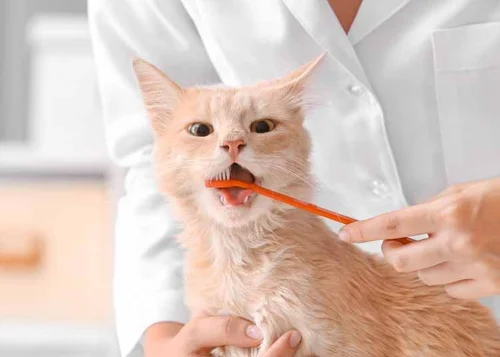
Brushing your cat’s teeth might sound tricky, but it’s possible with patience and the right approach. Use a soft-bristled toothbrush designed for cats or a finger brush to gently clean their teeth. Start slow—let your cat get used to the brush and toothpaste flavor by letting them lick it first.
Focus on the outer surfaces where plaque tends to build up the most. Keep sessions short and positive to avoid stress. Have you noticed how some cats actually enjoy the attention during brushing? That’s a good sign you’re doing it right.
Dental Treats And Toys
Dental treats and toys are more than just fun—they help reduce plaque and tartar buildup. Choose treats approved by veterinary dental associations, which are designed to clean teeth as your cat chews. Toys with ridges or nubs can massage gums and scrape off debris.
Rotate different types to keep your cat interested. Remember, these should complement brushing, not replace it. How often do you include dental treats in your cat’s routine? Small changes here can lead to big improvements.
Regular Inspections
Checking your cat’s mouth regularly helps catch dental problems early. Look for red or swollen gums, bad breath, or loose teeth. Use a flashlight to get a better view if needed.
Make it a habit to inspect your cat’s teeth at least once a week. Early detection can save your cat from pain and costly treatments. When was the last time you took a good look inside your cat’s mouth?
Professional Dental Cleaning Procedures
Professional dental cleaning is vital for a cat’s oral health. It removes plaque and tartar that regular brushing can miss. This cleaning helps prevent gum disease, tooth loss, and bad breath.
The procedure happens at a veterinary clinic. Cats receive anesthesia to keep them calm and still. This ensures a thorough and safe cleaning process.
Initial Oral Examination
The vet first checks the cat’s mouth carefully. They look for signs of infection, broken teeth, or other problems. This exam helps decide the cleaning approach and any extra treatment needed.
Scaling And Polishing
The cleaning starts with scaling, which removes plaque and tartar. The vet uses special tools to clean above and below the gum line. After scaling, the teeth are polished to smooth the surface. Polishing helps prevent future plaque build-up.
Dental X-rays
X-rays give a deeper view of the teeth and jaw. They find hidden issues like root infections or bone loss. This step is important for a full assessment of dental health.
Treatment Of Dental Problems
If the vet finds damaged teeth or gum disease, they treat it immediately. This might include tooth extraction or medication. Quick treatment stops problems from getting worse.
Post-cleaning Care
After cleaning, the cat wakes up from anesthesia. The vet checks for any issues from the procedure. Owners receive advice on how to care for their cat’s teeth at home. Regular check-ups help keep the mouth healthy.
Preventing Dental Problems
Preventing dental problems in cats is essential for their overall health. Poor dental care can lead to pain, infection, and other health issues. Regular attention to your cat’s teeth helps avoid these problems and keeps their mouth healthy. Simple habits and timely care reduce the need for frequent professional cleanings.
Balanced Diet
A balanced diet supports strong teeth and healthy gums. Feeding your cat food that helps remove plaque is important. Dry kibble can gently scrape the teeth while chewing. Some special dental diets are designed to reduce tartar buildup.
Provide fresh water at all times. Avoid sugary treats that promote tooth decay. Healthy food choices strengthen the mouth’s natural defenses. This lowers the risk of dental disease.
Routine Check-ups
Routine dental check-ups with a vet catch problems early. The vet can spot signs of gum disease or tooth decay. Early treatment is less stressful and more effective for your cat.
Schedule dental exams at least once a year. More frequent visits may be needed for older cats or those with dental issues. Your vet can advise the best plan to keep your cat’s teeth in top shape.
Common Myths About Cat Dental Care
Many cat owners have wrong ideas about dental care for cats. These myths can stop owners from giving the right care their pets need. Understanding the truth helps keep cats healthy and happy.
Dental Cleaning Is Only Needed When There Is Bad Breath
Bad breath does not always mean dental problems. Cats can have dental disease without bad breath. Regular cleaning helps prevent problems before they are visible.
Cats Don’t Need Dental Care Until They Are Older
Dental issues can start at any age. Young cats also benefit from regular dental check-ups. Early care prevents pain and costly treatments later.
Brushing A Cat’s Teeth Is Too Difficult
Many cats accept tooth brushing with patience and time. Start slowly and use soft brushes made for cats. Regular brushing reduces plaque and keeps teeth strong.
Diet Alone Can Keep Teeth Clean
Food helps but does not replace cleaning. Some dry foods claim to clean teeth but have limits. Dental cleaning and brushing are still needed.
Dental Cleaning Is Painful For Cats
Professional cleanings are done under anesthesia to keep cats safe and pain-free. The process removes plaque and tartar gently. It improves the cat’s comfort and health.
Benefits Of Maintaining Dental Health
Maintaining your cat’s dental health offers more than just a fresh breath. It plays a crucial role in their overall well-being, helping to prevent pain, infections, and even serious illnesses. You might wonder how often dental cleanings make a real difference—let’s look closely at the benefits you’ll notice when you keep your cat’s teeth clean.
Prevents Pain And Discomfort
Cats can hide dental pain very well, so you might not realize your pet is suffering. Regular dental care stops plaque and tartar buildup, which cause gum disease and tooth decay. When you keep their teeth clean, you reduce the chance of painful infections that make eating and playing uncomfortable for your cat.
Reduces Risk Of Serious Health Problems
Dental disease in cats can lead to more than just mouth issues—it can affect their heart, kidneys, and liver. Bacteria from infected gums can enter the bloodstream and harm these vital organs. By maintaining good dental hygiene, you lower your cat’s risk of developing these dangerous conditions.
Improves Eating And Nutrition
Imagine trying to eat with a sore mouth—it’s hard and unpleasant. Cats with dental problems often eat less or avoid dry food, which can lead to poor nutrition. Clean teeth help your cat enjoy their meals fully, ensuring they get the nutrients they need to stay healthy and active.
Keeps Your Cat’s Breath Fresh
Bad breath is one of the first signs of dental issues in cats. Regular dental cleaning helps eliminate the bacteria that cause foul odors. You’ll enjoy spending time closer to your cat without worrying about unpleasant smells.
Supports Early Detection Of Other Health Issues
Regular dental check-ups give your vet a chance to spot other health problems early. Changes in your cat’s mouth can hint at systemic illnesses or nutritional deficiencies. Keeping up with dental care means you’re also staying ahead of other potential health concerns.
Credit: www.catschool.co
Frequently Asked Questions
How Often Should Cats Get Professional Dental Cleanings?
Cats typically need professional dental cleanings once a year. However, some cats with dental issues may require more frequent visits. Regular cleanings help prevent plaque buildup, gum disease, and tooth loss, ensuring your cat’s oral health stays optimal.
What Signs Indicate A Cat Needs Dental Cleaning?
Bad breath, drooling, difficulty eating, and red gums signal dental problems in cats. If you notice these, consult a vet promptly. Early dental cleaning can prevent serious oral diseases and improve your cat’s overall well-being.
Can Dental Cleaning Improve A Cat’s Health?
Yes, dental cleaning removes harmful bacteria and plaque that cause infections. It reduces pain, prevents tooth loss, and can improve your cat’s appetite and energy. Good oral hygiene supports overall health and longevity in cats.
Are At-home Dental Cleanings Enough For Cats?
At-home care like brushing helps but is not enough alone. Professional cleanings remove tartar below the gumline, unreachable by brushing. Combining home care with yearly vet cleanings offers the best dental protection for your cat.
Conclusion
Cats need dental cleaning to stay healthy and happy. Regular check-ups help catch problems early. Most cats benefit from cleaning once a year. Some cats may need it more often. Keep an eye on your cat’s teeth and gums. Good home care also supports dental health.
Clean teeth mean less pain and fewer health issues. Talk with your vet about the best plan for your cat. Healthy teeth help your cat enjoy life fully. Don’t wait for problems to start—act early.
