

Are you wondering if your cat really needs distemper shots every year? Keeping your furry friend healthy is important, but vaccine schedules can be confusing.
You want to protect your cat without unnecessary visits or costs. This article will clear up the mystery around distemper vaccines and help you make the best choice for your pet’s well-being. Keep reading to find out what vets recommend and why it matters for your cat’s health.
What Are Distemper Shots?
Distemper shots protect cats from serious diseases. These vaccines help the immune system fight infections. They are a key part of keeping cats healthy.
Understanding what distemper shots are helps pet owners make informed decisions. These vaccines prevent viral infections that can harm cats severely.
Distemper shots are vaccines given to cats to prevent infections. The main disease they protect against is called feline panleukopenia, also known as cat distemper.
This disease is caused by a virus that attacks the cat’s immune system. It can cause symptoms like fever, vomiting, and diarrhea.
Components Of Distemper Shots
- Feline panleukopenia virus vaccine
- Vaccines for other common cat diseases like calicivirus and herpesvirus
- Combination vaccines often called “FVRCP”
How Distemper Shots Work
The vaccine introduces a weakened or inactive virus to the cat’s body. This trains the immune system to recognize and fight the real virus.
Once vaccinated, the cat builds antibodies. These antibodies protect against future infections.
Why Distemper Shots Are Important
- Prevent life-threatening illness
- Reduce the spread of disease among cats
- Help maintain overall cat health
Importance Of Distemper Vaccination
Vaccinating your cat against distemper is more than just a routine task—it’s a vital step in protecting their health. Distemper, or feline panleukopenia, is a severe viral disease that can cause devastating symptoms and even death. Ensuring your cat gets vaccinated shields them from this threat and helps maintain a healthy environment for all pets around you.
What Does Distemper Vaccination Protect Against?
Distemper vaccination guards your cat from a highly contagious virus that attacks the immune system and digestive tract. Without the vaccine, your cat risks severe dehydration, fever, vomiting, and in many cases, fatal complications. The vaccine strengthens your cat’s defenses and helps prevent outbreaks in places where cats gather, like shelters or multi-pet homes.
How Vaccination Helps Your Cat’s Immune System
The vaccine works by training your cat’s immune system to recognize and fight the virus quickly. It introduces a safe form of the virus, so the body learns to respond without causing illness. This preparation makes your cat’s immune response faster and more effective if they encounter the real virus.
Protecting Other Pets And The Community
Vaccinating your cat isn’t just about their health—it’s about the safety of every cat they come into contact with. A vaccinated cat reduces the chance of spreading distemper to unvaccinated or vulnerable animals. This helps control outbreaks and keeps your community’s pet population healthier overall.
Could Skipping Distemper Shots Put Your Cat At Risk?
Choosing not to vaccinate or delaying shots can leave your cat exposed to a preventable disease. Even indoor cats can catch distemper through contact with contaminated objects or other animals. Ask yourself: Are you willing to risk your cat’s health when a simple vaccine offers strong protection?
Frequency Of Vaccination
Understanding how often your cat needs distemper shots is crucial for keeping them healthy without overdoing vaccinations. Vaccination schedules can vary, and knowing the right frequency helps you avoid unnecessary visits and potential side effects. Let’s break down the options and what affects these decisions.
Annual Vs. Triennial Vaccinations
Some vets recommend annual distemper shots to ensure continuous protection, while others suggest a triennial (every three years) approach. The annual option means more frequent visits but can provide peace of mind that your cat is always covered.
On the other hand, triennial vaccinations reduce the number of injections your cat receives over time. This can lower stress and medical costs. But does less frequent vaccination still offer enough immunity? Many studies show that cats maintain strong protection for at least three years after vaccination.
Deciding between these schedules depends on your cat’s lifestyle and your vet’s advice. Have you noticed how your cat reacts to vaccines? If side effects occur, less frequent shots might be better.
Factors Influencing Vaccination Frequency
Several factors influence how often your cat should get distemper shots:
- Age:Kittens need a series of shots early on, but adult cats might not need yearly boosters.
- Health status:Cats with weakened immune systems may require more frequent vaccinations or special care.
- Exposure risk:Cats that go outdoors or live with other animals face higher risks and might benefit from annual boosters.
- Previous vaccine history:If your cat has had reactions or strong immunity, your vet may adjust the schedule.
Ask yourself: Does your cat’s environment increase their chance of catching distemper? This question can guide your vaccination plan. Working closely with your vet to tailor the timing can protect your furry friend without unnecessary shots.
Potential Risks Of Over-vaccination
Vaccinating cats is important to keep them safe from diseases. Yet, giving too many shots can cause problems. Over-vaccination means giving vaccines more often than needed. This can lead to health risks for your cat. Understanding these risks helps in making the best choice for your pet’s care.
Immune System Overload
Too many vaccines can stress a cat’s immune system. The body may react strongly, causing unwanted side effects. This can make cats feel sick or weak after shots.
Allergic Reactions
Cats may develop allergies from repeated vaccines. Symptoms include swelling, itching, or breathing trouble. Severe reactions need quick vet attention.
Injection Site Problems
Giving vaccines too often may harm the skin and muscles. Cats can develop lumps or infections where shots were given. Some lumps need medical checks to rule out cancer.
Autoimmune Disorders
Over-vaccination may trigger the immune system to attack the body. This causes diseases where the cat’s health worsens over time. Managing autoimmune problems is often difficult and costly.
Unnecessary Stress And Discomfort
Frequent vet visits and shots cause stress for cats. Stress can lower their natural defenses and cause behavioral issues. Less frequent vaccinations reduce this stress.
Signs Your Cat May Need A Booster
Cats need booster shots to keep their immunity strong. Over time, vaccines may lose effectiveness. Watch your cat for signs that suggest a booster is needed. Early detection helps protect your cat from diseases like distemper.
Changes In Behavior Or Energy Levels
Your cat might act tired or less playful than usual. Sudden laziness or hiding can mean weakened immunity. These changes can signal the need for a vaccine booster.
Frequent Sneezing Or Coughing
Respiratory symptoms like sneezing and coughing may appear. These signs can indicate your cat is more vulnerable to infections. Vaccines help reduce the risk of these illnesses.
Loss Of Appetite Or Weight
A cat that eats less or loses weight needs attention. Poor appetite can be a sign of illness or low immunity. Vaccination boosters support your cat’s overall health.
Unusual Discharge Or Eye Irritation
Watery or crusty eyes and nose could mean infection. These symptoms often point to weakened defenses. Keeping vaccines up to date helps prevent these problems.
Frequent Illness Or Slow Recovery
If your cat gets sick often or takes long to heal, consider a booster. A strong immune system fights off disease better. Vaccines boost your cat’s natural defenses effectively.
Credit: medium.com
Veterinarian Guidelines And Recommendations
Understanding what veterinarians recommend about distemper shots for cats is key to keeping your feline friend healthy. Veterinarian guidelines are based on research, disease risks, and vaccine effectiveness. These recommendations help you decide when and if your cat needs a distemper vaccination every year.
Core Vaccination Schedule For Cats
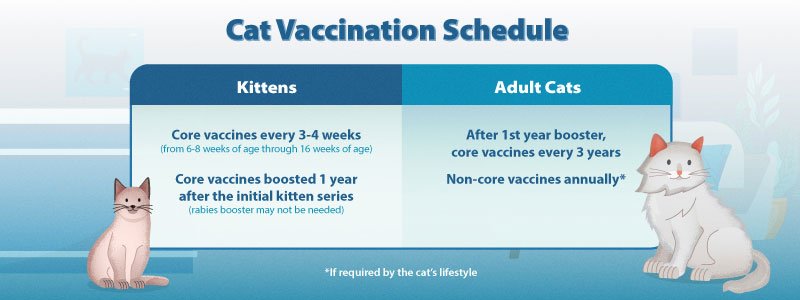
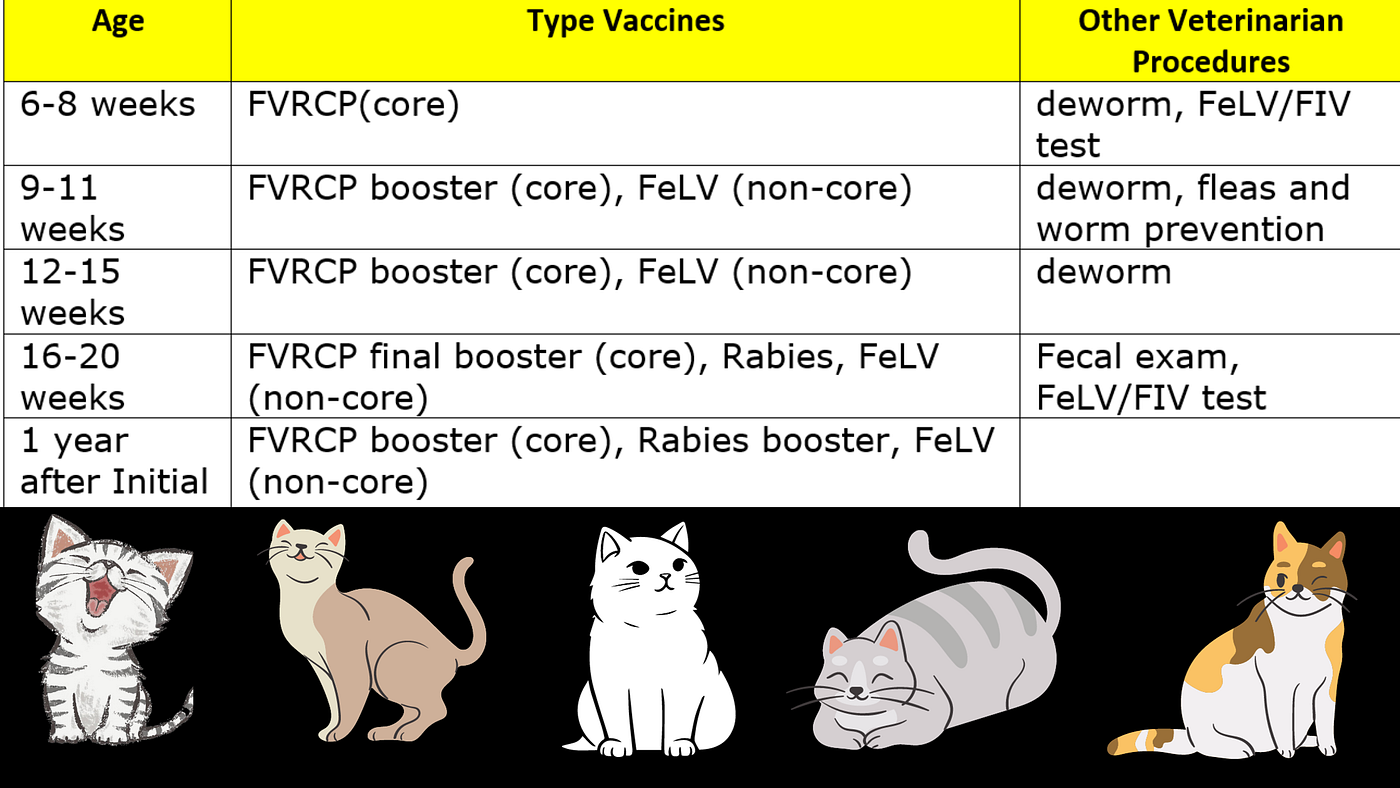
Veterinarians generally advise a series of initial distemper shots for kittens, starting at 6 to 8 weeks old. After the first round, booster shots are given every 3 to 4 weeks until the kitten is about 16 weeks old. Adult cats usually receive a booster one year after the kitten series to ensure strong immunity.
Frequency Of Booster Shots
Many vets recommend booster shots every 1 to 3 years, depending on the vaccine type and your cat’s lifestyle. Indoor cats with minimal exposure to other animals may not need annual boosters, while outdoor or high-risk cats might benefit from yearly vaccinations. Your vet will assess your cat’s environment and health to tailor the schedule.
Factors Influencing Your Cat’s Vaccination Needs
- Age and health status:Older or immunocompromised cats may require different vaccine timing.
- Exposure risk:Cats that interact with many other animals or go outside often need more frequent shots.
- Vaccine type:Some distemper vaccines last longer than others, influencing booster frequency.
Consulting Your Veterinarian For Personalized Advice
Every cat is unique, so it’s important to have a conversation with your vet about your cat’s specific needs. Ask about the risks your cat faces and the best vaccination plan to protect them effectively. Have you considered how your cat’s daily routine might affect their vaccination schedule?
Alternatives To Annual Vaccination
Some cat owners seek alternatives to yearly distemper shots. These options help balance protection and reduce unnecessary vaccinations. Understanding alternatives supports better health decisions for cats.
Titer Testing
Titer testing measures a cat’s immunity to distemper. A simple blood test shows if antibodies are strong enough. If levels are high, a booster shot may not be needed. This approach avoids giving vaccines too often.
Veterinarians use titer tests to tailor vaccine schedules. It helps prevent over-vaccination and reduces stress for cats. Titer testing is safe and painless, making it a good choice for many cats.
Lifestyle-based Decisions
Cats’ vaccination needs depend on their lifestyle and risk. Indoor cats with little contact have lower risk of infection. Outdoor cats or those around many animals need more protection.
Discuss your cat’s habits with a vet. They can recommend a suitable vaccine plan based on exposure risk. Adjusting vaccine timing based on lifestyle keeps cats safe and healthy without extra shots.

Credit: millsanimalhospital.com
Myths And Misconceptions
Many cat owners hear mixed advice about distemper shots. This creates confusion about their importance and frequency. Some popular beliefs do not match veterinary facts. Clearing up these myths helps owners make better health decisions for their cats.
Myth: Cats Need Distemper Shots Every Year
Some believe cats must get distemper vaccines annually. Actually, many vaccines offer protection for three years or more. Vets recommend boosters based on the cat’s health and lifestyle, not a strict yearly schedule.
Myth: Indoor Cats Do Not Need Vaccines
People often think indoor cats are safe from distemper. But viruses can enter homes through shoes, clothes, or other pets. Vaccinating indoor cats provides important protection.
Myth: Vaccines Can Cause The Disease
Some worry vaccines might give their cat distemper. Modern vaccines use weakened or inactive virus parts. These cannot cause the disease but help the cat build immunity safely.
Myth: Vaccines Are Not Necessary For Older Cats
Older cats still need vaccines to maintain immunity. Their protection may weaken over time. Regular check-ups help determine if boosters are needed for senior cats.
Credit: spallandharveyanimalhospital.ca
Frequently Asked Questions
Do Cats Need Distemper Shots Annually?
Yes, cats typically need distemper shots every year to maintain immunity. Annual vaccinations protect against serious viral infections like feline panleukopenia.
What Happens If A Cat Misses Distemper Shots?
Missing distemper shots increases a cat’s risk of contracting deadly viruses. Without vaccines, cats are vulnerable to serious illness and complications.
Are Distemper Shots Safe For All Cats?
Distemper vaccines are generally safe for most cats. However, consult your vet if your cat has allergies or health issues before vaccination.
Can Indoor Cats Skip Distemper Vaccinations?
Indoor cats still need distemper shots. Viruses can enter through contact with other animals or contaminated objects, so vaccination is important.
Conclusion
Cats need protection against distemper to stay healthy. Annual shots help keep their immunity strong. Skipping vaccines can put cats at risk of illness. Talk to your vet about the best vaccination plan. Regular vaccines support your cat’s long, happy life.
Staying on schedule means fewer health worries for you. Keep your cat safe by giving distemper shots each year. Simple steps like this make a big difference in pet care.
