

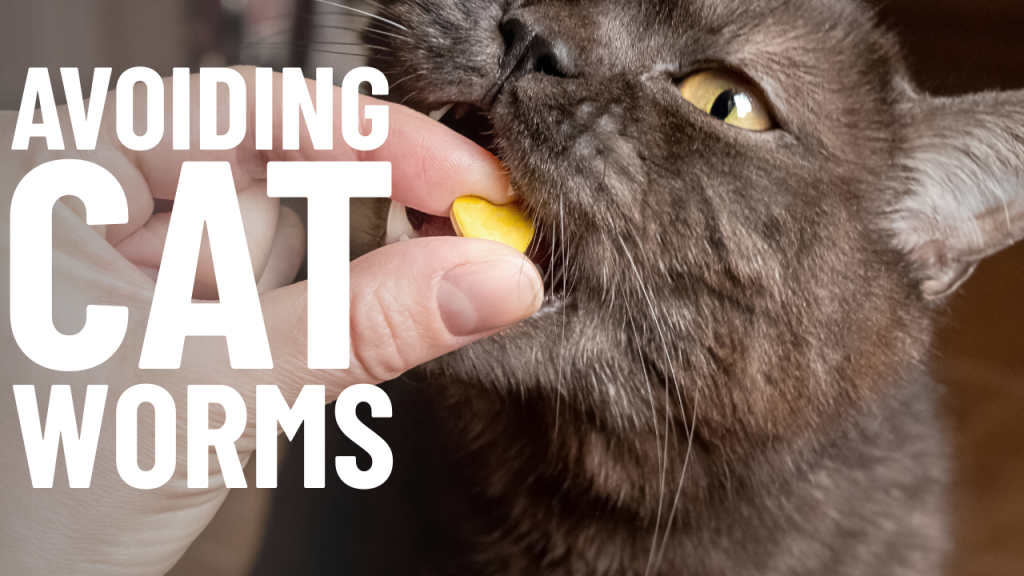
If you have a cat, you probably want to keep them healthy and happy. One important way to do that is by making sure they are wormed regularly.
But how often do cats really need to be wormed? You might wonder if it’s something you can skip or if it needs to be done more often than you think. You’ll discover the best worming schedule for your cat, signs to watch for, and why staying on top of this simple step can save you from bigger problems later.
Keep reading to find out exactly what your cat needs to stay safe and comfortable.

Credit: www.viovet.co.uk
Importance Of Worming Cats
Worming your cat is not just a routine task; it’s a vital part of keeping your furry friend healthy. Parasites like worms can cause serious health problems, some of which might not show obvious signs at first. Taking worming seriously protects your cat and your household from potential health risks.
Understanding The Risks Of Worm Infestations
Worms can live inside your cat’s intestines and quietly cause damage. They might lead to weight loss, vomiting, or even more severe issues like anemia. If left untreated, worms can weaken your cat’s immune system, making them vulnerable to other illnesses.
You might not see worms directly, but their effects can be subtle and dangerous. Have you ever noticed your cat losing appetite or acting lethargic? These could be signs that worms are affecting their health.
Protecting Your Cat’s Overall Wellbeing
Regular worming helps keep your cat’s digestive system clean and functioning well. It supports their energy levels and helps maintain a shiny coat. When your cat feels good inside, it shows in their playful behavior and bright eyes.
Think about how much joy your cat brings you daily. Wouldn’t you want to keep them feeling their best for as long as possible? Worming is a simple step toward that goal.
Preventing Spread To Humans And Other Pets
Some worms can be passed from cats to humans, especially children or people with weak immune systems. Regular worming reduces this risk significantly. It also stops your other pets from getting infected.
Imagine the stress of dealing with a worm outbreak in your home. Taking worming seriously helps you avoid this hassle and keeps everyone safe. Isn’t peace of mind worth a small, regular effort?
Common Types Of Worms In Cats
Understanding the common types of worms that can infect your cat is crucial for keeping them healthy. Worm infestations often go unnoticed until symptoms appear, which can be serious. Knowing what to look for helps you act quickly and keep your furry friend safe.
Roundworms
Roundworms are the most common intestinal parasites in cats. They look like spaghetti strands and can cause vomiting, diarrhea, and a pot-bellied appearance in kittens. You might not always see them, but if your cat is scratching its bottom or scooting, it could be a sign.
These worms spread through infected feces or by hunting small animals. Regular worming treatments can prevent roundworm infections before they become severe.
Tapeworms
Tapeworms are flat, segmented worms that attach to the cat’s intestines. You might spot tiny rice-like segments near your cat’s anus or in their bedding. Fleas often carry tapeworm eggs, which makes flea control part of worm prevention.
If your cat is licking its rear excessively or losing weight despite a good appetite, tapeworms might be the cause. Effective flea treatments combined with worming can break this cycle.
Hookworms
Hookworms are smaller but more dangerous worms that latch onto the intestines and feed on blood. They can cause anemia, weakness, and dark, tarry stools. Cats can pick them up by walking on contaminated soil or grooming themselves after contact.
Because hookworm infections can be severe, especially in kittens, regular vet check-ups and timely worming are essential. Are you sure your cat’s outdoor adventures aren’t putting them at risk?
Signs Your Cat May Have Worms
Cats with worms often show signs that are easy to spot. These signs can help you know when your cat needs treatment. Observing your cat’s behavior and appearance is important. Early detection keeps your cat healthy and happy.
Behavioral Changes
Worms can make cats feel tired and weak. Your cat may sleep more than usual. Some cats lose interest in playing or exploring. A sudden change in appetite is common. Some cats eat less or more than normal. Watch for unusual restlessness or irritability. These changes may signal a worm problem.
Physical Symptoms
Worms can cause visible changes in your cat’s body. Look for a swollen belly or weight loss. Vomiting or diarrhea often occurs with worm infections. You might see worms or eggs in the cat’s stool. Itching around the rear end can cause your cat to lick or scratch often. Dull fur and bad breath also point to worms. Regular checks help catch these signs early.
Recommended Worming Schedule
Keeping your cat free from worms is essential for their health and happiness. The recommended worming schedule varies depending on your cat’s age and condition. Understanding the right timing helps you protect your furry friend effectively.
Kittens
Kittens are vulnerable to worms because they can get infected from their mother or environment. You should start worming them at around 2 weeks of age.
After the first treatment, worm every two weeks until they reach 12 weeks old. Once they hit 3 months, switch to monthly worming until six months.
Have you noticed your kitten scratching more than usual? That could be a sign to check their worming schedule.
Adult Cats
Adult cats usually need worming every 3 months. If your cat spends time outdoors or hunts, consider worming more often.
Indoor cats with little exposure to other animals may require worming less frequently, but regular checks are still important. A good routine is to worm every 3 to 6 months.
Are you tracking your cat’s worming dates? Setting reminders can help you stay on top of it.
Pregnant And Nursing Cats
Pregnant and nursing cats need special care to avoid passing worms to their kittens. Worm your cat before pregnancy if possible.
During pregnancy and nursing, consult your vet for a safe worming schedule. Some treatments are safe to use, while others are not.
Have you talked to your vet about the safest worming options during this time? It’s crucial for both mom and kittens’ health.
Choosing The Right Worming Treatment
Choosing the right worming treatment for your cat is crucial to keep them healthy and happy. Not all treatments work the same for every cat, and understanding the options helps you make the best choice. Your cat’s lifestyle, age, and health condition all play a role in deciding what wormer suits them best.
Prescription Medications
Prescription worming medications are often recommended by vets because they target specific types of worms effectively. These medications usually come with clear instructions and are tested for safety in cats.
One advantage of prescription treatments is that your vet can tailor the dose to your cat’s weight and health. You might be surprised how often a vet visit uncovers other issues alongside worming needs.
Have you ever noticed your cat scratching or showing changes in appetite? These signs might mean it’s time to consult your vet for a prescription wormer. It’s also important to follow the vet’s schedule strictly to avoid resistance or ineffective treatment.
Over-the-counter Options
Over-the-counter (OTC) worming products are widely available and convenient if you want to treat your cat at home without a vet visit. These options usually come in tablets, liquids, or spot-on treatments.
While OTC products are easy to access, they might not cover all worm types or be suitable for every cat, especially kittens or those with health problems. Always check the label carefully and consult a pharmacist if you’re unsure.
Have you ever wondered if an OTC product is enough for your indoor cat? Even indoor cats can pick up worms, but their risk is lower, so sometimes a simpler treatment might work. Still, monitoring your cat’s health closely is essential, no matter which option you pick.

Credit: www.perfect-fit.co.uk
Administering Worming Treatments
Administering worming treatments to cats is essential for their health. Worms can cause serious issues if untreated. Regular treatment keeps your cat safe and comfortable. Choosing the right treatment depends on your cat’s needs and your preference.
Oral Medications
Oral worming tablets and liquids are common options. They work by killing worms inside the cat’s body. Many cats accept flavored tablets or liquids easily. Some cats may resist, so patience is key.
- Tablets can be hidden in food or given directly.
- Liquid forms allow precise dosing for kittens and small cats.
- Always follow the dosage instructions carefully.
Oral treatments often require repeat doses. This ensures all worms are eliminated. Your vet can advise on the best schedule.
Topical Treatments
Topical wormers are applied on the skin, usually between the shoulder blades. They spread over the cat’s body through the skin’s oils. This method is easy for cats that dislike pills.
- Apply directly to clean, dry skin.
- Avoid bathing your cat for a few days after application.
- Check with your vet about the correct amount.
Topical treatments protect against several types of worms. They can also help control fleas and ticks. Regular application as advised keeps your cat protected.
Preventing Worm Infestations
Preventing worm infestations in your cat is essential for their health and happiness. Worms can cause serious problems if left unchecked, but you can reduce the risk by paying attention to everyday habits and choices. Simple actions often make the biggest difference.
Hygiene Practices
Keeping your cat’s environment clean plays a huge role in preventing worm infestations. Regularly wash your cat’s bedding and clean litter boxes to stop worm eggs from spreading. I learned this the hard way when my cat got reinfected because I skipped washing her bed for weeks.
Make sure to wash your hands after handling your cat or cleaning their litter box. This habit protects both you and your pet from potential infections. Also, avoid letting your cat roam in areas where other animals frequently defecate, as this increases exposure to worms.
Dietary Considerations
Your cat’s diet can influence their vulnerability to worms. Feeding raw or undercooked meat can introduce parasites, so opt for high-quality commercial cat food or thoroughly cooked meals. I once switched to feeding my cat raw chicken and noticed digestive issues that turned out to be related to parasites.
Additionally, some supplements and natural foods may help boost your cat’s immune system, making it harder for worms to take hold. Consult your vet about adding options like pumpkin seeds or certain herbs to your cat’s diet. Do you know what your cat’s food might be hiding?
When To Consult A Veterinarian
Knowing when to consult a veterinarian is key to keeping your cat healthy. Regular worming helps prevent parasites, but some signs need expert attention. Early vet visits can catch problems before they get worse. Always watch your cat’s behavior and health closely.
Persistent Symptoms
Some symptoms may mean worms or other health issues. Look for:
- Weight loss despite good appetite
- Frequent vomiting or diarrhea
- Visible worms in stool or fur
- Excessive scratching or hair loss
- Swollen belly or weakness
If these signs last more than a few days, see a vet quickly. Persistent symptoms need proper diagnosis and treatment. Do not delay care, as worms can cause serious harm.
Routine Check-ups
Regular veterinary check-ups help detect worms early. During these visits, the vet can:
- Examine stool samples for parasites
- Recommend the right worming schedule
- Check overall health and growth
- Advise on diet and hygiene
Routine visits create a health record for your cat. This helps track any changes and prevent future infections. Schedule check-ups at least once a year for adult cats.

Credit: justcatsclinic.com
Frequently Asked Questions
How Often Should Adult Cats Be Wormed?
Adult cats typically need worming every 3 months. Regular treatment prevents common parasites and keeps cats healthy. Consult your vet for personalized advice based on lifestyle and risk.
When Should Kittens Start Worming Treatments?
Kittens should begin worming at 2 weeks old. Repeat treatments every 2 weeks until 8 weeks, then monthly until 6 months. Early worming protects their developing immune systems.
Can Indoor Cats Skip Worming Treatments?
Indoor cats still need worming every 3 to 6 months. Parasites can enter through fleas or rodents. Regular worming ensures your cat stays parasite-free.
What Are Signs Cats Need Worming?
Common signs include weight loss, vomiting, diarrhea, and a dull coat. Some cats show no symptoms but still need regular worming for prevention.
Conclusion
Cats need regular worming to stay healthy and happy. Most cats benefit from worming every three months. Young kittens and outdoor cats might need worming more often. Speak with your vet to create the best worming schedule. Keeping your cat worm-free protects them and your home.
Don’t wait for signs of worms; prevent problems early. Simple care steps keep your cat safe and comfortable. Regular worming is a small effort with big rewards.
