

Have you ever wondered if your cat truly knows you? When your furry friend curls up on your lap or greets you at the door, is it just habit, or something deeper?
Understanding whether cats recognize their owners can change the way you see your relationship with them. Keep reading to discover surprising facts about your cat’s mind and how they connect with you in ways you might never have imagined.

Credit: wamiz.co.uk
Cats And Their Unique Perception
Cats experience the world in ways that are often surprising to us. Their unique perception shapes how they interact with their environment and, importantly, with you. Understanding this can help you see why cats recognize their owners differently than dogs or other pets.
How Cats Use Their Senses To Identify You
Cats rely heavily on their senses of smell and hearing to recognize people. They remember your scent and voice better than your appearance. This is why your cat may respond when you call them but not react as strongly to a stranger’s voice or smell.
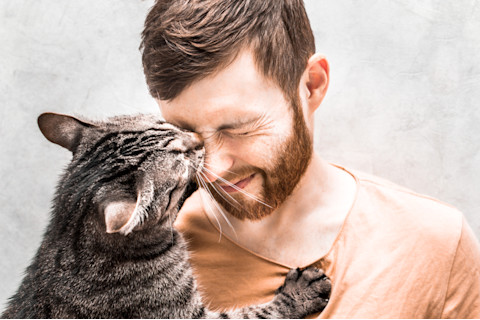
Have you noticed how your cat rubs against you? That’s their way of marking you with their scent, reinforcing their recognition of you as part of their territory.
The Role Of Routine In A Cat’s Recognition
Cats are creatures of habit. They learn to associate your daily patterns with your presence. Feeding times, the sound of your footsteps, or even your typical sitting spot become signals that help them identify you.
Think about how your cat behaves when you come home late or change your routine. Their reaction can tell you just how much they rely on these cues.
Can Cats Recognize You By Sight?
Cats don’t rely on visual recognition like humans do. Their eyesight is adapted for detecting movement and seeing in low light, not for detailed facial recognition. Instead, they combine sight with other senses to form a fuller picture of who you are.
This explains why your cat might not respond to photos or videos of you but still knows you instantly in person.
Why Understanding Your Cat’s Perception Matters
Knowing how your cat perceives you can improve your relationship. You can use scent, voice, and routine to build trust and comfort. It might mean spending time playing or simply speaking softly to reinforce your bond.
What small changes could you make today to communicate more clearly with your cat?
Credit: www.discovermagazine.com
How Cats Identify Humans
Cats have a unique way of recognizing the people around them. Unlike dogs, who often rely heavily on visual recognition, cats use a blend of senses to identify you. Understanding how your feline friend recognizes you can deepen your bond and improve communication.
Scent Recognition
Cats have an extraordinary sense of smell that they use to identify individuals. They remember the unique scent markers on your skin, clothes, and even your hair. When your cat rubs its face on you, it’s actually marking you with its scent, signaling a strong bond.
Have you noticed your cat sniffing your hands or clothing after you come home? This is their way of confirming your identity and feeling secure around you.
Voice Familiarity
Cats can recognize the sound of your voice, especially if you speak to them regularly. They may respond differently to your voice compared to strangers, showing signs of attention or relaxation. Your cat might even come running when you call their name, proving they connect your voice with safety and care.
Try speaking softly or using a special tone to see how your cat reacts. You’ll find they often remember and prefer voices they associate with positive experiences.
Visual Cues
While cats don’t rely on sight as much as scent and sound, they still recognize familiar faces and body language. They may watch your movements and expressions to understand your mood or intentions. Cats can distinguish your silhouette or posture from strangers, especially when combined with other senses.
Have you seen your cat come to greet you even when your face is partially hidden? This shows they notice more than just your appearance—they read your presence as a whole.
Scientific Studies On Cat Recognition
Understanding whether cats recognize their owners has intrigued scientists for years. Studies have explored how cats respond to human voices, faces, and scents. These scientific investigations help clarify the nature of the bond between cats and their humans.
Research Findings
Research shows cats can distinguish their owner’s voice from strangers’. Cats respond more to familiar voices with head turns or tail movements. Studies also find cats remember their owner’s face better than strangers’.
Some cats show signs of attachment similar to dogs. They seek comfort and approach their owners in stressful situations. This proves cats do recognize and prefer their owners over other people.
Experiments Conducted
Scientists tested cats by playing recorded voices of their owners and strangers. Most cats reacted more to their owner’s voice. Another experiment showed cats pictures of their owners and strangers. Many cats looked longer at their owner’s photo.
In scent recognition tests, cats identified their owner’s scent from others. These experiments confirm cats use multiple senses to recognize people. They rely on voice, sight, and smell to know their owners.
Behavioral Signs Of Recognition
Cats show they recognize their owners through certain behaviors. These actions reveal trust and familiarity. Observing these signs helps understand a cat’s feelings and bond with its human.
Affectionate Gestures
Cats often show affection to people they know well. They may purr loudly when near their owner. Head butting or rubbing against you is a common sign of recognition. Some cats knead with their paws on a familiar lap. Slow blinking at their owner signals comfort and trust.
Response To Commands
Cats can learn to respond to simple commands from their owners. They might come when called by name. Some cats sit or stay after a gentle request. This behavior shows they distinguish their owner’s voice and intentions. It proves cats recognize and pay attention to their human.
Social Interactions
Cats interact differently with their owners than strangers. They seek out their owner’s presence more often. Many cats follow their owners around the home. They may bring toys or gifts as a form of sharing. These social actions show recognition and a special bond.
Factors Influencing Recognition
Cats recognize their owners through many different factors. These factors shape how well a cat remembers and reacts to a person. Understanding these helps explain why some cats are more responsive than others.
Each cat’s ability to recognize people depends on several key influences. These include their age, breed, and the environment they live in. Let’s explore how these affect a cat’s recognition skills.
Age And Experience
Young kittens learn quickly about their surroundings and people. They form bonds early through touch and voice. Older cats might take longer to recognize new people. Past experiences also affect how they respond to owners. Friendly interactions build trust and recognition. Negative events can make cats wary or distant.
Breed Differences
Some cat breeds are more social and outgoing. These cats tend to recognize and interact with owners more easily. Other breeds may be more independent or shy. This impacts how they notice and remember people. For example, Siamese cats often seek human contact. Maine Coons usually show strong attachment to their owners.
Environmental Influences
The cat’s living space plays a big role in recognition. A stable, calm home helps cats feel safe. They learn to associate owners with comfort and food. Frequent changes in environment or caregivers can confuse cats. Noise, stress, and lack of routine reduce recognition ability. Consistent care strengthens the bond between cat and owner.
Comparing Cats To Other Pets
Understanding how cats recognize their owners becomes clearer when you compare them to other pets. Different animals show unique ways of bonding and identifying the people in their lives. Looking at these differences helps you see what makes your cat’s recognition special and how it influences your relationship.
Cats Vs. Dogs
Dogs often show obvious signs of recognizing their owners: wagging tails, excited greetings, and following commands. Their social nature makes them eager to please and respond to human cues quickly.
Cats, however, express recognition in subtler ways. They might blink slowly at you, rub against your legs, or simply choose to be near you. These actions indicate trust and acknowledgment but can be easy to miss if you expect dog-like behavior.
Have you noticed your cat’s unique way of greeting you after a long day? That quiet presence or gentle purr might mean more than you think. Unlike dogs, cats rely less on vocal and physical excitement to show they know and care about you.
Unique Traits Of Feline Recognition
Cats use a blend of senses to recognize their owners, including smell, voice, and even the way you move. Their strong sense of smell helps them identify your scent on clothes or skin, creating a deep connection that doesn’t always involve eye contact.
Unlike dogs, cats don’t respond well to loud commands or gestures. They prefer gentle tones and slow, deliberate movements. This means your calm presence can help your cat feel safe and recognized more than any loud call or touch.
Have you ever wondered why your cat sometimes ignores you when you call but comes when you whisper? This selective response is a sign of their unique recognition style, shaped by independence and cautious trust.
Enhancing The Bond With Your Cat
Building a strong bond with your cat takes time and care. Cats are sensitive animals and respond well to gentle, consistent attention. Understanding how to communicate and create positive experiences can deepen your relationship. This section explores ways to enhance your connection with your feline friend.
Effective Communication
Communicating clearly helps your cat feel safe and understood. Use a calm and soft voice when talking to your cat. Cats respond better to steady tones than loud or sudden noises. Pay attention to their body language. Slow blinking shows trust and comfort. Mimic this by slowly blinking back at your cat.
Respect your cat’s space. Let them come to you instead of forcing interaction. Gentle petting in favorite spots like behind the ears or under the chin builds trust. Avoid overstimulation by stopping petting if your cat shows signs of discomfort.
Creating Positive Associations
Positive experiences make your cat eager to be around you. Use treats to reward good behavior or calm moments. Play with toys to engage your cat’s natural hunting instincts. Playtime strengthens your bond and provides mental and physical exercise.
Establish routines for feeding, play, and rest. Cats find comfort in regular schedules. Consistency shows your cat they can rely on you. Use a soft voice and gentle touch during these moments to reinforce safety and affection.
Credit: www.discovermagazine.com
Frequently Asked Questions
Do Cats Recognize Their Owners By Voice?
Yes, cats can recognize their owners’ voices. They respond more to familiar tones and sounds. Cats use voice cues to identify people they trust.
Can Cats Remember Their Owners’ Faces?
Cats can distinguish their owners’ faces from strangers. They rely on visual memory and familiarity. However, cats also use scent and behavior to recognize owners.
How Do Cats Show Recognition Of Their Owners?
Cats show recognition by purring, rubbing, or following owners. They may also bring gifts or seek attention. These behaviors signal trust and attachment.
Do Cats Prefer Their Owners Over Strangers?
Cats generally prefer their owners due to familiarity and care. They feel safer and more comfortable with known people. This preference grows with positive interactions.
Conclusion
Cats do recognize their owners in many ways. They remember voices, smells, and faces. This shows they form bonds and trust. Each cat reacts differently to people. Some show love with purring or rubbing. Others may stay quiet but still feel close.
Understanding these signs helps build a stronger friendship. Trust and patience make cats feel safe and happy. So, pay attention to your cat’s behavior. You will see how much they know and care about you.
