

If you have a male cat, you’ve probably wondered: will he keep spraying after being neutered? Spraying can be frustrating and confusing.
You want your home to smell fresh, and you want your furry friend to feel comfortable. Understanding what happens to your cat’s behavior after neutering is key. You’ll discover why spraying happens, how neutering affects it, and what you can do to keep your cat—and your home—happy.
Keep reading to find answers that could change how you care for your cat.

Credit: www.petscare.com
Neutering And Its Impact On Cats
Neutering changes a cat’s behavior in many ways, especially for male cats. It reduces hormone levels that drive actions like spraying and marking territory. Understanding how neutering impacts your cat can help you manage expectations and care for your pet better.
How Neutering Affects Hormones
Male cats spray to mark their territory, mostly due to testosterone. Neutering removes the testicles, which lowers testosterone production drastically. This hormonal drop usually leads to a significant decrease in spraying behavior.
However, the timing of neutering matters. Cats neutered early often show fewer spraying issues than those neutered later. If your cat has already established spraying habits, it might take longer for the behavior to stop or it could persist.
Behavioral Changes After Neutering
Besides reducing spraying, neutering often makes male cats calmer and less aggressive. They tend to roam less and focus more on home life. You might notice your cat becoming more affectionate and less territorial.
Still, some cats keep spraying even after neutering. This can happen if spraying is driven by stress, anxiety, or environmental factors rather than hormones. It’s important to look for triggers around your home that might cause your cat to mark.
When Spraying Continues After Neutering
If your cat sprays after being neutered, don’t assume it’s just stubbornness. Medical issues like urinary tract infections or bladder problems can cause spraying. A vet visit can rule out health problems that mimic spraying behavior.
Stress is another major factor. Changes in the household, new pets, or even outside cats visible through windows can make your cat feel insecure. Providing a safe, enriched environment can reduce the urge to spray.
Tips To Reduce Spraying Post-neutering
- Clean sprayed areas thoroughly to remove scent markers.
- Use pheromone diffusers to calm your cat’s anxiety.
- Keep a consistent routine to reduce stress.
- Provide plenty of playtime and attention to distract your cat.
- Limit access to windows or areas where outside cats are visible.
Have you noticed changes in your cat’s behavior after neutering? Sometimes patience and a few adjustments can make a big difference.
Why Cats Spray
Cats spray to communicate and cope with their environment. Understanding why your cat sprays can help you address the behavior effectively. Let’s look closely at the main reasons behind spraying.
Territorial Marking
Cats use spraying to mark their territory. This behavior is common in unneutered males but can occur in females and neutered males too.
They leave scent marks to warn other cats to stay away or to claim their space. Have you noticed your cat spraying near doors or windows? These are common spots where they feel their territory is at risk.
Spraying helps cats feel secure by establishing clear boundaries. If your home has multiple cats or if new animals visit, your cat might spray more to reinforce their territory.
Stress And Anxiety
Spraying can also be a response to stress or anxiety. Changes in the household, like moving furniture or new pets, can trigger this behavior.
Your cat might spray to relieve anxiety or to signal discomfort. Have you ever seen your cat spray after a loud noise or a visit to the vet? These stressful moments can lead to unwanted spraying.
Addressing the root cause of stress—such as providing safe spaces or calming products—can reduce spraying. Observing your cat’s triggers closely helps you create a more relaxed environment.
Does Neutering Stop Spraying?
Neutering male cats often reduces their spraying behavior, but it does not always stop it completely. Understanding the reasons behind spraying helps explain why neutering works for many cats but not all. The behavior depends on both hormones and learned habits.
Behavioral Changes
Neutering can change a cat’s behavior by lowering aggression and territorial marking. Many cats stop spraying after surgery because they feel less need to mark their space. Some cats may continue spraying if the habit started before neutering. Stress and anxiety can also cause spraying, even in neutered cats.
Patience is important, as behavior may improve gradually. Providing a calm, safe environment supports this change. Training and cleaning sprayed areas thoroughly can help break the habit.
Hormonal Influences
Spraying is mainly driven by male hormones called androgens. Neutering reduces these hormones by removing the testicles. Lower hormone levels usually decrease the urge to spray. Cats neutered early in life often show fewer spraying problems.
In some cases, spraying continues because hormone levels take time to drop or because other factors trigger the behavior. Some medical issues or environmental changes can also cause spraying, regardless of neutering.
Credit: smart.dhgate.com
Reasons For Continued Spraying After Neutering
Neutering usually stops male cats from spraying. Yet, some cats keep spraying after the surgery. Understanding why this happens helps in managing the behavior better. Several reasons can cause continued spraying even after neutering.
Incomplete Neutering
Sometimes, neutering may not be fully effective. This can happen if some testicular tissue remains. The leftover tissue can still produce hormones. These hormones trigger spraying behavior. Incomplete neutering is rare but possible. A vet check can confirm if this is the cause.
Medical Issues
Health problems can lead to spraying after neutering. Urinary tract infections irritate the bladder. This irritation can cause a cat to spray. Other conditions like bladder stones or cystitis may also trigger spraying. A vet exam and tests help diagnose these issues. Treating the medical problem often stops the spraying.
Environmental Factors
Stress and changes in the environment can cause spraying. New pets or people in the home may upset the cat. Loud noises or changes in routine also add stress. Cats use spraying to mark territory and feel safe. Reducing stress and providing a calm space helps lower spraying chances.
Managing Spraying Behavior
Managing spraying behavior in male cats after neutering can be challenging, but it’s not impossible. Understanding the reasons behind spraying helps you tackle the issue effectively. Your approach should combine behavioral training and creating a calm environment to reduce your cat’s urge to mark territory.
Behavioral Training
Behavioral training helps your cat learn new habits and reduces spraying over time. Start by observing when and where your cat sprays. Is it near windows, doors, or certain furniture? This can give you clues about triggers.
Use positive reinforcement to encourage good behavior. Reward your cat with treats or affection when they use the litter box properly. Avoid punishment, as it can increase stress and worsen spraying.
Try redirecting your cat’s attention when you notice them preparing to spray. Play sessions or interactive toys can distract them and reduce unwanted marking. Consistency is key—stick to the routine even if progress feels slow.
Creating A Stress-free Environment
Stress is a major factor that leads to spraying, even after neutering. Make your home a safe, calm place for your cat by minimizing loud noises and sudden changes.
Provide plenty of hiding spots and vertical spaces like cat trees or shelves. Cats feel more secure when they have options to retreat or observe from a height.
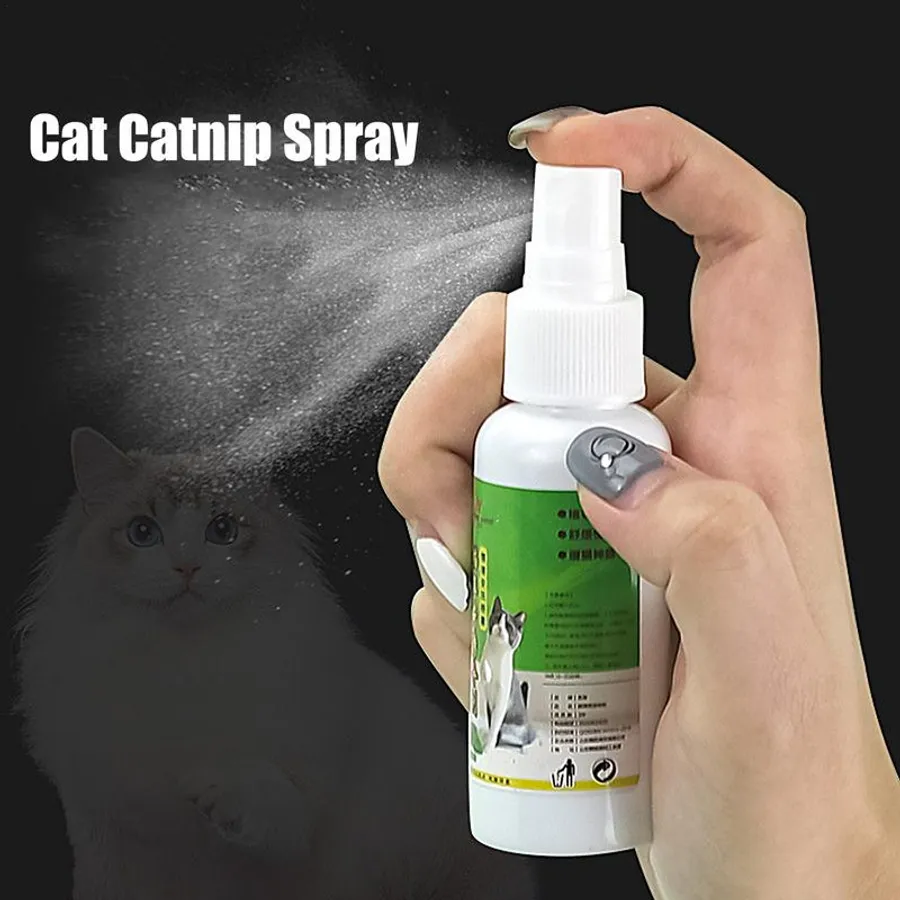
Use calming products like pheromone diffusers or sprays to soothe your cat’s nerves. These can make a noticeable difference in reducing anxiety-driven spraying.
Have you noticed certain times or events that spike your cat’s stress? Addressing these triggers directly can stop spraying before it starts. Your cat’s comfort is the first step toward a spray-free home.

Credit: www.reddit.com
Consulting A Veterinarian
Neutering usually reduces or stops a male cat’s spraying behavior, but it doesn’t always guarantee it. If your cat continues to spray after neutering, it’s important to consult a veterinarian. They can help determine if the spraying is due to medical, behavioral, or environmental factors and guide you toward the best solution.
When To Seek Help
Persistent spraying after neutering can signal underlying issues that need professional attention. If your cat sprays more than a few times a week or marks multiple areas in your home, it’s time to get expert advice.
Look out for other signs like changes in appetite, grooming habits, or signs of stress. These could mean health problems such as urinary tract infections or anxiety, which a vet can diagnose. Don’t wait until the problem worsens—early intervention can prevent frustration for both you and your cat.
Possible Treatments
Veterinarians offer several treatment options depending on the cause of spraying. If a medical issue like infection is found, antibiotics or other medications may be prescribed.
For behavioral causes, vets might recommend pheromone diffusers, environmental enrichment, or training techniques to reduce stress. Sometimes, medication to manage anxiety or hormone-related behaviors is necessary.
Talking openly with your vet about your cat’s environment and habits helps tailor a treatment plan that works. Could small changes in your home or routine stop the spraying? Your vet’s guidance makes finding an answer much easier.
Frequently Asked Questions
Do Male Cats Stop Spraying After Neutering?
Most male cats stop spraying within weeks after neutering. The surgery reduces hormones that trigger marking behavior. However, some cats may spray due to stress or territory issues, even after neutering.
How Long After Neutering Does Spraying Stop?
Spraying usually decreases within 2 to 4 weeks post-neutering. Full behavior change may take up to 3 months. Patience and reducing stress help speed up the process.
Can Neutered Male Cats Still Spray Indoors?
Yes, neutered cats can spray indoors if stressed or feeling threatened. Neutering lowers spraying instincts but doesn’t guarantee complete elimination of the behavior.
Why Do Neutered Cats Continue To Spray Sometimes?
Neutered cats may spray due to anxiety, territory disputes, or medical problems. Behavioral causes often relate to stress or changes in environment, not hormones alone.
Conclusion
Neutering often reduces male cats’ spraying behavior. Some cats may still spray due to stress or habits. Patience and training help change this behavior. Providing a calm and clean environment supports your cat’s comfort. Remember, neutering benefits your cat’s health and behavior overall.
Understanding your cat’s needs improves your bond. Keep observing and caring for your pet daily. Small steps lead to big changes over time.
