

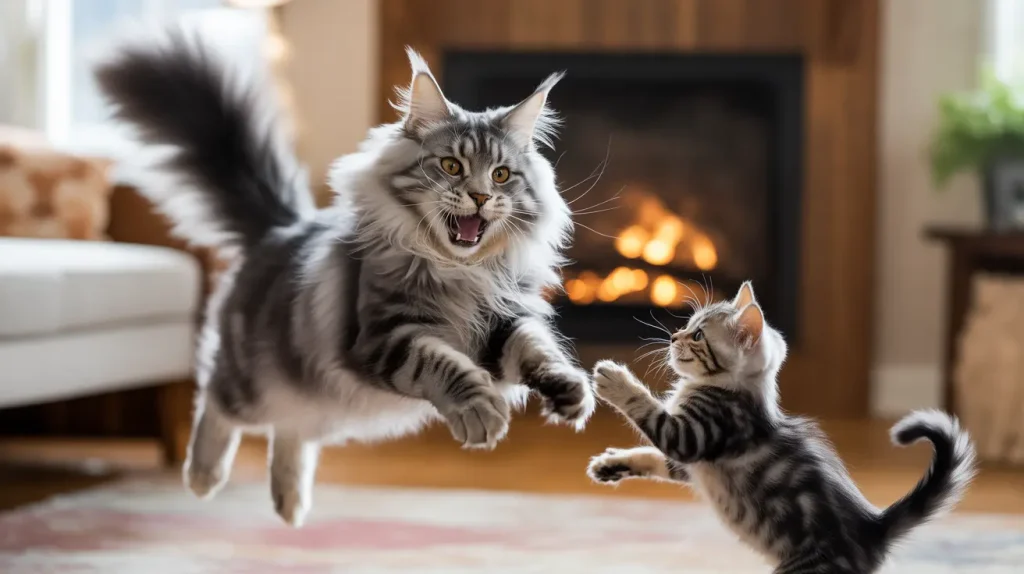
Have you ever heard your cat hiss while chasing a toy or pouncing on a shadow? It might surprise you to learn that hissing isn’t always a sign of anger or fear.
Understanding why your cat hisses during play can help you read their mood better and strengthen the bond you share. If you want to know what your furry friend is really trying to tell you, keep reading—this little insight could change the way you play with your cat forever.
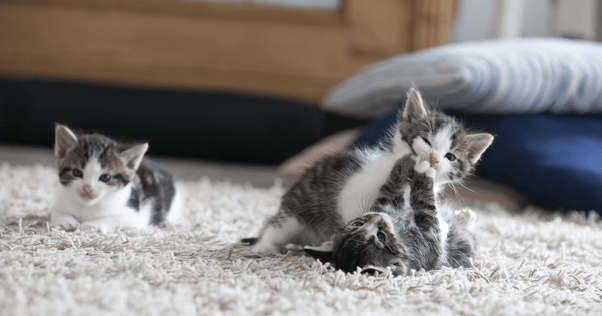
Credit: blog.feliway.com
Reasons Cats Hiss During Play
Cats hiss during play for many reasons. It is a way to express feelings and communicate with others. Sometimes, hissing shows a cat’s limits or warns about discomfort. Understanding these reasons helps you read your cat’s mood better.
Fear Or Startle Response
Cats may hiss if they feel scared or surprised while playing. Sudden movements or loud noises can trigger this reaction. The hiss serves as a warning to back off.
Overstimulation
Playing too roughly or for too long can make a cat feel overwhelmed. When this happens, the cat may hiss to signal it needs a break. Overstimulation can cause stress during playtime.
Setting Boundaries
Hissing helps cats set clear boundaries with other cats or humans. It tells others when play is getting too intense or unwanted. This keeps interactions safe and respectful.
Protecting Territory
Cats are territorial animals. If another cat or pet comes too close during play, a hiss might appear. It acts as a message to protect their space and toys.
Expressing Discomfort Or Pain
Sometimes, a hiss means the cat feels pain or discomfort. Play may accidentally cause hurt or touch a sensitive spot. Hissing helps the cat communicate this quickly.
Playful Behavior Vs. Aggression
Cats use many sounds and body signs to show their feelings. Hissing can mean different things depending on the situation. It is important to know if a cat is just playing or feeling angry. This helps to understand your cat better and respond correctly.
Understanding Playful Hissing
Sometimes cats hiss while playing. It is not always a sign of anger. Playful hissing is usually short and soft. Cats may hiss when they are excited or surprised during play. Their body stays relaxed, and their eyes look curious. This type of hissing happens with other happy signs like pouncing or chasing.
Signs Of Aggressive Hissing
Aggressive hissing is loud and long. The cat’s body is tense and ready to fight or run. Ears go back, and fur may stand up. The cat might show claws or bite. This hissing warns others to stay away. It is a sign of fear, pain, or anger.
How To Tell The Difference
- Check the cat’s body posture.
- Look at the eyes and ears.
- Notice the hissing sound length and tone.
- Observe if the cat continues to play or tries to escape.
Playful hissing comes with fun actions. Aggressive hissing comes with signs of stress.
Communication Through Hissing
Cats use hissing to send clear messages. This sound is part of their language. It helps them share feelings without fighting. Hissing shows discomfort or warns others to stop. In play, it can mean different things. Understanding these signals improves how we read cat behavior.
What Hissing Means In Cat Communication
Hissing is a sharp, breathy sound. It often shows fear or anger. Cats hiss to protect themselves. It tells others to keep distance. This sound can stop a threat fast. Even in play, it can warn to slow down. It is a quick way to express stress.
Hissing During Play: Warning Or Fun?
Play hissing is not always serious. Some cats hiss to test limits. It can be part of their mock fighting. They might hiss to make the play more exciting. Sometimes, it warns when play gets too rough. Owners should watch the cat’s body language. Relaxed ears and no growling mean friendly play.
How To Tell Play Hissing From Real Aggression
- Play hissing is short and soft.
- Real aggression has loud, longer hisses.
- Look for relaxed posture in play.
- Aggressive cats show tense muscles.
- Play hissing often happens during chasing or pouncing.
- Aggression may include biting or scratching.
Role Of Body Language
Understanding the role of body language is key to interpreting why cats hiss during play. Cats communicate a lot through their posture, facial expressions, and movements. Watching these signals closely can help you tell if the hiss is part of playful interaction or a warning.
Signs Of Playful Body Language
When cats play, their bodies are relaxed but alert. You might see:
- Loose, wagging tails instead of puffed-up ones
- Soft ears that may flick back occasionally
- Playful swats without claws fully extended
These signs show your cat is engaged in fun rather than feeling threatened. If a hiss happens here, it might be part of their playful chatter.
Body Language Indicating Discomfort Or Aggression
Pay close attention if your cat’s body stiffens. Look for:
- Flattened ears pressed against the head
- Tail bristling or flicking sharply
- Wide eyes with dilated pupils
In these moments, hissing is a clear warning. Your cat may be signaling they want to stop the play or feel unsafe.
How To Respond To Your Cat’s Hiss And Body Language
Notice how your cat’s body changes during play. If you see a playful hiss, keep watching for signs it’s still enjoying the interaction. But if the body language turns tense, it’s time to give your cat space.
Have you ever misread your cat’s hiss and pushed play too far? Paying attention to these signals helps you avoid stress for both you and your feline friend.
Signs Of Overstimulation
Recognizing when your cat is overstimulated during play is key to maintaining a happy and healthy interaction. Overstimulation happens when your feline friend’s excitement turns into irritation or stress. Knowing these signs helps you avoid accidental scratches or hisses and keeps playtime fun for both of you.
Body Language Changes
Watch for sudden shifts in your cat’s posture. Tail flicking or lashing often signals growing agitation. Ears that were forward may flatten against the head, showing discomfort or annoyance.
My cat once went from playful to defensive in seconds. I noticed his tail started whipping back and forth, and his ears pinned flat. Recognizing this early saved me from a painful nip.
Vocal Cues Beyond Hissing
Besides hissing, cats may growl, yowl, or emit sharp meows when overstimulated. These sounds are warnings that your cat needs a break. Ignoring these cues might provoke a hiss or scratch.
Sudden Stopping Or Freezing
When your cat abruptly stops playing and freezes, it can mean they’re feeling overwhelmed. This pause often precedes a hiss or a quick escape. Give your cat space to calm down before continuing interaction.
Repeated Swatting Or Biting
Playful swats turn rough when your cat is overstimulated. Biting might become harder or more frequent. If you notice this, it’s time to slow down or end the session.
How Can You Respond?
- Pause play and offer a toy to redirect energy.
- Use calm, soothing tones to reassure your cat.
- Allow your cat to retreat to a quiet spot if needed.
Can you spot these signs before your cat’s mood shifts? Paying attention can transform your playtime into a safe and enjoyable experience for both of you.
Impact Of Environment
The environment plays a key role in how cats express themselves during play. Cats may hiss as a way to communicate discomfort or excitement depending on their surroundings. A calm and familiar space helps cats feel safe, reducing hissing during play. Noisy or crowded areas can cause stress, making hissing more likely.
Changes in the environment also affect how cats interact. New smells, sounds, or objects might confuse or frighten them. This can turn playful behavior into defensive hissing. Understanding the environment helps pet owners create better spaces for their cats to enjoy playtime.
Safe And Quiet Spaces Encourage Relaxed Play
Cats feel more secure in quiet, controlled environments. This lowers stress and reduces hissing during play. Soft lighting and minimal noise allow cats to focus on fun, not threats. A peaceful setting invites playful behavior without fear.
Introducing New Toys And Stimuli Slowly
Sudden changes in toys or surroundings can startle cats. Gradual introduction helps them adjust without feeling threatened. When cats explore new items calmly, they hiss less. Slow exposure builds trust and comfort.
The Role Of Other Pets And People
Other animals or unfamiliar people nearby may cause tension. Cats might hiss to set boundaries during play. Positive interactions with others reduce anxiety and hissing. Supervised playtime ensures all pets feel safe and happy.
Impact Of Outdoor Vs. Indoor Settings
Outdoor environments have more stimuli and potential threats. Cats might hiss more outside due to unpredictability. Indoor play areas provide controlled conditions that lower stress. Owners can manage play better inside the home.
How To Respond To Hissing
Understanding how to respond to hissing helps keep playtime safe and fun. Cats use hissing to show discomfort or stress. Not all hissing means anger; sometimes, it’s a warning to slow down. Recognizing the cause of hissing allows you to react calmly and wisely. This helps build trust and prevents fear or aggression.
Stay Calm And Observe
Keep calm when your cat hisses. Sudden moves or loud noises can scare them more. Watch their body language closely. Look for signs like flattened ears or a twitching tail. These clues tell you if your cat feels threatened or just excited.
Create A Safe Space
Give your cat space to relax. Move away if they need distance. Provide a cozy spot with soft bedding. Cats feel safer in quiet, familiar places. This helps reduce stress and avoids more hissing.
Use Gentle Touches
Approach your cat slowly and gently. Soft petting can calm them down. Avoid touching sensitive areas like the belly or tail during play. Let your cat decide when to interact. Respect their signals to stop or move away.
Redirect Their Energy
Offer toys to shift their focus. Wand toys or balls work well. This keeps play fun without causing stress. Playtime with toys helps release energy safely. It reduces chances of hissing caused by over-excitement.
Know When To Pause
Stop playing if your cat continues to hiss. Give them time to calm down. Returning to play too soon can cause more stress. Wait until they seem relaxed and curious again. This shows respect for their feelings.

Credit: www.catit.com
When To Seek Professional Help
Recognizing when your cat’s hissing during play signals a problem is important. Sometimes, hissing may mean your cat is stressed or in pain, not just playing. Knowing when to seek professional help can keep your cat happy and healthy.
Watch your cat closely. Sudden, frequent hissing or aggressive behavior might need expert advice. A vet or animal behaviorist can find the cause and suggest solutions. Acting early helps prevent serious issues and improves your cat’s well-being.
Signs Of Stress Or Anxiety
Hissing linked with hiding or shaking shows stress. Cats may avoid food or play. This behavior needs a professional check to rule out health or emotional problems.
Unusual Or Intense Aggression
If hissing turns into biting or scratching, get help. Aggression beyond normal play can signal pain or fear. Experts can teach you how to manage this safely.
Changes In Play Behavior
Notice if your cat stops playing or becomes overly defensive. These changes might mean discomfort or illness. A vet visit can find hidden health issues.
Physical Signs Of Injury Or Illness
Hissing combined with limping, swelling, or wounds needs immediate care. Pain often causes aggressive sounds. A vet can treat injuries and relieve pain.
Repeated Or Unexplained Hissing
Hissing without clear reason is a warning sign. It might reflect underlying health or emotional troubles. Professional evaluation helps pinpoint the problem quickly.

Credit: www.catit.com
Frequently Asked Questions
Why Do Cats Hiss When They Play?
Cats may hiss during play to communicate boundaries or excitement. It’s a natural way to express emotions. This behavior helps them establish control or signal overstimulation during interactions.
Is Hissing Normal In Playful Cats?
Yes, hissing can be normal in playful cats. It often shows they are highly engaged or slightly annoyed. Understanding context helps distinguish playful hissing from aggressive behavior.
Can Hissing Mean Cats Are Stressed During Play?
Hissing can indicate mild stress or discomfort while playing. Cats use it to warn others to back off. Observing body language helps determine if the play is too intense.
How To Respond If A Cat Hisses While Playing?
If your cat hisses, give them space to calm down. Avoid forcing interaction, as it may cause stress. Respecting their signals helps maintain positive playtime experiences.
Conclusion
Cats sometimes hiss during play to express excitement or mild annoyance. This sound is not always a sign of anger or fear. Understanding your cat’s body language helps you know when they are just playing. Watching closely can prevent misunderstandings and keep playtime fun.
Remember, each cat is different, and their sounds mean different things. Enjoy your time with your furry friend and learn their unique ways of communication. Play safely and happily!
