

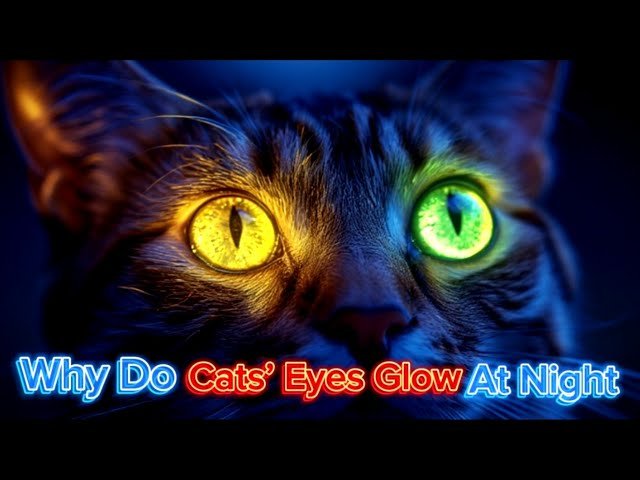
Have you ever caught your cat staring at you in the dark, only to notice their eyes glowing like tiny lanterns? It’s a strange and fascinating sight that makes you wonder—why do cats’ eyes glow?
Understanding this glowing mystery can change the way you see your furry friend, especially during nighttime. If you’re curious about what makes those eyes shine so brightly and what it means for your cat’s vision and behavior, keep reading. This simple yet amazing secret will surprise you and deepen your connection with your pet.
The Science Behind Cat Eye Glow
Cats’ eyes glow because of a special layer behind their retinas. This layer helps them see in low light. It reflects light back through the retina. This process makes their eyes appear to shine in the dark.
The glowing effect is not just for show. It improves cats’ night vision. This ability helps them hunt and move safely at night. Understanding this science reveals how cats adapt to their environment.
What Is The Tapetum Lucidum?
The tapetum lucidum is a reflective layer inside a cat’s eye. It sits behind the retina. When light hits the retina, some passes through to this layer. The tapetum reflects light back to the retina. This increases the light available to the photoreceptors.
This reflection boosts the cat’s ability to see in darkness. It acts like a natural night vision aid. Many animals, including dogs and deer, have a tapetum lucidum.
How Light Reflects In Cat Eyes
Light enters the cat’s eye through the pupil. It hits the retina, where light-sensitive cells are located. Some light passes through the retina and reaches the tapetum lucidum. This layer reflects the light back to the retina.
The reflected light stimulates the retina again. This doubles the light signal sent to the brain. The brain processes this stronger signal, improving vision in dim conditions.
Why Do Cat Eyes Glow Different Colors?
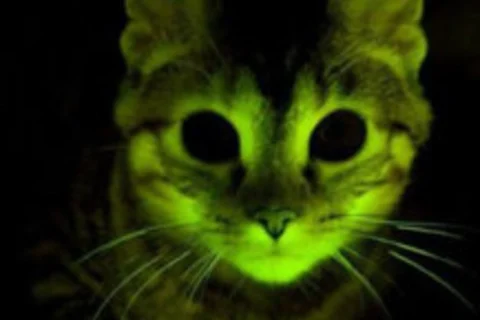
The color of the glow depends on the tapetum’s makeup. Cats’ eyes can glow green, yellow, blue, or white. The color varies by the amount and type of reflective material. Different cats may show different eye glow colors.
Age and breed also affect the glow color. Eye color in light changes with the angle of light. This explains why cat eyes sometimes look different in photos or at night.
Credit: www.discovermagazine.com
Anatomy Of A Cat’s Eye
The glowing eyes of cats often catch our attention, especially in dim light. This fascinating trait is rooted deeply in the unique anatomy of a cat’s eye. Understanding this anatomy helps you see why their eyes shine and how it benefits their vision.
Unique Structure
A cat’s eye is designed to maximize light intake. The large cornea and lens allow more light to enter than human eyes do. This helps cats see better in low light conditions, which is crucial for their hunting activities at dawn or dusk.
Another special feature is the vertical slit pupil. This shape can adjust quickly to bright or dark environments, giving cats sharp control over how much light enters their eyes. Have you noticed how your cat’s pupils change size when you turn on a light suddenly?
Role Of The Tapetum Lucidum
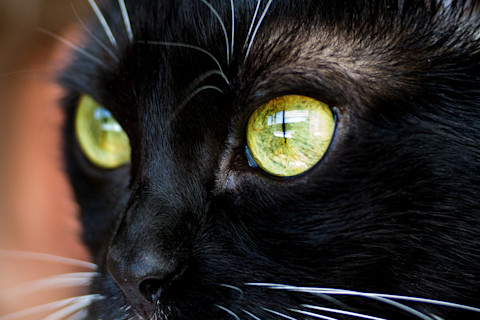
The real secret behind the glowing effect lies in the tapetum lucidum, a layer of cells behind the retina. This layer acts like a mirror, reflecting light that passes through the retina back into the eye. It gives the photoreceptor cells a second chance to absorb light, enhancing night vision.
This reflection is what causes your cat’s eyes to shine when caught in a beam of light. The color of the glow can vary, often appearing green, yellow, or blue depending on the cat’s eye structure. Next time you see this glow, you’ll know it’s more than just a cool effect—it’s a powerful tool for seeing in the dark.
Comparison With Other Animals
Understanding why cats’ eyes glow becomes even more interesting when you compare them with other animals. Many creatures have reflective eyes, but the reasons and effects vary widely. This comparison helps you see what makes cat eyes unique and what traits they share with other species.
Dogs Vs. Cats
Both dogs and cats have a special layer behind their retinas called the tapetum lucidum. This layer reflects light back through the retina, enhancing night vision. However, the glow you see in dogs’ eyes is usually different in color—often greenish or yellow—while cats’ eyes tend to shine with a brighter, more intense green or blue tint.
Dogs rely more on their sense of smell than vision in the dark, so their tapetum isn’t as developed as cats’. Cats, being natural hunters at dawn and dusk, need sharper night vision. Have you noticed how your cat’s eyes catch light in the dark compared to your dog’s?
Wildlife Variations
In the wild, eye glow varies based on an animal’s habitat and behavior. Predators like owls and foxes often have eyes that glow brightly to help them see in low light. Prey animals, such as deer, usually have a duller glow, which helps them stay hidden from predators.
Some animals even have different colors in their eye shine, depending on the species and environment. For instance, alligators’ eyes glow red, aiding their vision underwater at night. When you spot glowing eyes in the wild, can you guess what kind of animal it might be just by the color or brightness?
Evolutionary Benefits
The glowing eyes of cats are not just a curious trait. They have deep evolutionary benefits that help cats survive and thrive. This unique feature plays a vital role in their daily life and hunting skills. Understanding these benefits reveals why cats have evolved this way over millions of years.
Night Vision Advantages
Cats have a special layer behind their eyes called the tapetum lucidum. This layer reflects light back through the retina. It improves their vision in low light. This allows cats to see better at night or in dark places. The glowing effect is the light reflecting from this layer.
This ability helps cats move around safely in the dark. They can spot prey or danger more easily. Their eyes glow because they catch and reflect even tiny amounts of light.
Hunting And Survival
Glowing eyes give cats an edge in hunting. They can detect small movements in dim light. This helps them catch prey like mice and birds more often. Better night vision means more food and a better chance to survive.
The glow also helps cats communicate with each other. It can signal alertness or presence. This helps in protecting their territory and avoiding threats.
Common Myths And Misconceptions
Many people have strange ideas about why cats’ eyes glow. These ideas often come from old stories or guesses. Understanding the truth helps us see cats better and stops wrong beliefs from spreading.
Superstitions And Folklore
People have told many stories about glowing cat eyes for centuries. Some think glowing eyes mean a cat has magical powers. Others believe cats with shining eyes can see ghosts or spirits. In some cultures, glowing eyes are seen as a warning or bad luck. These beliefs make cats seem mysterious or spooky.
Old tales often link cats to witches or magic. This adds to the myths about their glowing eyes. Such ideas are fun but not true. Cats do not have magic or special powers because their eyes glow.
Scientific Clarifications
The real reason cats’ eyes glow is simple and natural. Cats have a layer behind their retinas called the tapetum lucidum. This layer reflects light back through the retina. It helps cats see better in low light. The reflected light causes their eyes to shine.
This glowing is just light bouncing inside the eye. It helps cats hunt and move in the dark. It does not mean anything magical or strange. Scientists have studied this and found no mystery behind it. Cats’ glowing eyes are just a clever natural design.
Credit: www.lemon8-app.com
Impact On Cat Behavior
The glowing eyes of cats are more than just a fascinating sight in the dark—they have a real impact on how cats behave. This unique ability enhances their vision in low light, shaping the way they move, hunt, and interact with their environment. Understanding this connection can give you deeper insights into your cat’s habits and reactions.
Nocturnal Activities
Cats are naturally more active at night, and their glowing eyes play a key role in this behavior. The tapetum lucidum, a special layer behind their retinas, reflects light and improves their night vision. This allows your cat to see clearly in dim conditions and be more confident when exploring or hunting after dark.
Have you noticed how your cat suddenly perks up or starts prowling around when the lights go out? That glowing gaze is a sign they’re tuned into a world you can’t see. Their enhanced night vision means they rely less on other senses and more on sight to navigate and hunt during nocturnal hours.
Interaction With Humans
Your cat’s glowing eyes can also affect how it communicates and interacts with you. In low light, those bright eyes catch your attention and may signal alertness or curiosity. This can be especially useful during evening bonding times when your cat is more visually engaged.
Sometimes, your cat’s glowing eyes might seem mysterious or even spooky, but they are simply a window into how your pet perceives the world. Paying attention to the way their eyes respond in different lighting can help you understand their mood—are they relaxed, alert, or ready to play?
Caring For A Cat’s Eyes
Keeping your cat’s eyes healthy is key to ensuring they stay happy and active. Cats rely heavily on their vision to explore and interact with their environment. You might notice their eyes glowing in the dark, which is normal, but it also means you should pay close attention to their eye health. Proper care helps catch problems early and keeps their vision sharp for years to come.
Signs Of Health Issues
Watch for any changes in your cat’s eyes that seem unusual. Are the eyes watery, red, or swollen? Is your cat squinting or pawing at their eyes often?
Other signs include:
- Cloudiness or changes in eye color
- Discharge that is thick, yellow, or green
- Unequal pupil size or constant blinking
These symptoms could point to infections, allergies, or even more serious conditions. If you notice any of these, don’t wait—get your cat checked by a vet.
Proper Eye Care Tips
Cleaning your cat’s eyes gently can prevent many issues. Use a soft, damp cloth with warm water and wipe away any dirt or discharge carefully. Avoid using harsh chemicals or anything not meant for pet eyes.
Make sure your cat’s living space is clean and free from dust or irritants. Regular grooming helps reduce hair around their eyes, cutting down on irritation. Also, keep an eye on their diet; nutrients like omega-3 fatty acids support eye health.
How often do you check your cat’s eyes? Regular observation can catch small problems before they grow. Remember, your cat can’t tell you when something feels off, so you need to be their eyes when it comes to eye care.
Credit: www.discovermagazine.com
Frequently Asked Questions
Why Do Cats’ Eyes Glow In The Dark?
Cats’ eyes glow due to a layer called the tapetum lucidum. It reflects light, enhancing night vision. This reflection causes the glowing effect when light hits their eyes in darkness.
How Does The Tapetum Lucidum Help Cats See?
The tapetum lucidum reflects light through the retina twice. This boosts light absorption and improves cats’ vision in low-light conditions, aiding their hunting and navigation at night.
Do All Cats’ Eyes Glow The Same Color?
No, cats’ eye glow color varies. It depends on the tapetum’s structure and eye pigmentation. Common colors include green, yellow, and blue hues under different lighting.
Can Cat Eye Glow Indicate Health Problems?
Usually, glowing eyes are normal for cats. However, sudden changes in eye color or brightness can signal health issues. If concerned, consult a veterinarian promptly.
Conclusion
Cat eyes glow because of a special layer called the tapetum lucidum. This layer helps them see better in the dark. It reflects light back through the retina. That makes their eyes shine when light hits them. This ability helps cats hunt and stay safe at night.
Their glowing eyes are a natural and useful trait. Next time you see a cat’s eyes glow, remember this cool fact. It shows how well cats adapt to their environment. Their eyes are small but very powerful tools.
