

Wondering how much dry cat food you should give your furry friend each day? Feeding your cat the right amount is key to keeping them healthy and happy.
Too little, and your cat might feel hungry or miss out on important nutrients. Too much, and you risk weight gain and related health problems. You’ll discover simple, clear guidelines to help you find the perfect daily portion for your cat.
Keep reading to make sure you’re giving your pet just what they need—no more, no less.
Credit: www.chewy.com
Factors Influencing Feeding Amounts
Feeding the right amount of dry cat food depends on several key factors. Each cat has unique needs that affect how much food is healthy. Understanding these factors helps maintain your cat’s weight and energy.
Feeding amounts vary. Age, activity, and health all play roles. Adjusting food according to these ensures your cat stays happy and strong.
Cat’s Age And Life Stage
Kittens need more calories to grow fast. They eat smaller meals more often. Adult cats need less food but balanced nutrition. Older cats may need fewer calories to avoid weight gain.
Activity Level Considerations
Active cats burn more energy. They require more food to stay energized. Less active or indoor cats need fewer calories. Watch your cat’s play and rest habits to adjust food properly.
Health And Medical Conditions
Health issues affect food needs. Cats with diabetes or kidney problems often need special diets. Overweight cats may need reduced portions. Always follow your vet’s advice on feeding amounts.
Nutritional Needs Of Cats
Cats have unique nutritional needs that differ significantly from other pets. Understanding these needs helps you decide how much dry cat food your feline friend requires each day. Meeting these requirements keeps your cat healthy, active, and happy.
Essential Nutrients In Dry Cat Food
Your cat’s diet must include key nutrients to support overall health. These include:
- Proteins:Crucial for muscle maintenance and repair.
- Fats:Provide energy and support skin and coat health.
- Vitamins and Minerals:Aid in immune function and bone strength.
- Taurine:An amino acid essential for heart and eye health.
Check the ingredient list on your cat’s dry food to ensure these nutrients are present in adequate amounts.
Balancing Calories And Nutrients
Feeding your cat the right amount of calories is just as important as providing the right nutrients. Overfeeding leads to obesity, while underfeeding causes malnutrition.
Start by knowing your cat’s ideal weight and activity level. Adjust portions based on whether your cat is active, sedentary, or a senior.
Have you noticed your cat gaining weight despite following package guidelines? That’s a sign to re-evaluate their daily calorie intake and nutrient balance.
Role Of Protein And Fat
Protein is the building block of your cat’s body. Cats need high-quality animal protein daily to stay strong and energetic.
Fats provide concentrated energy and keep their fur shiny. However, too much fat can cause weight gain, so balance is key.
Think about your cat’s behavior and appearance. If they seem lethargic or their coat looks dull, their protein or fat intake might need adjustment.
Daily Feeding Guidelines
Understanding the right amount of dry cat food to feed your feline each day can make a big difference in their health and happiness. Daily feeding guidelines help you tailor portions based on your cat’s age and lifestyle. Let’s break down how to adjust feeding amounts for kittens, adults, and seniors to keep your cat thriving.
Portion Sizes For Kittens
Kittens need more calories to support their rapid growth and high energy levels. Typically, they require about 3 to 4 small meals daily rather than one or two large ones.
- For kittens 8 to 16 weeks old, feed around 1/4 to 1/3 cup of dry food per meal.
- Between 4 to 6 months, increase portions gradually to 1/3 to 1/2 cup per meal.
- Always check the packaging for specific brand recommendations and adjust based on your kitten’s activity.
Have you noticed your kitten seeming hungrier some days? That’s normal—growth spurts can increase their appetite, so keep an eye on their weight and adjust accordingly.
Adult Cat Feeding Recommendations
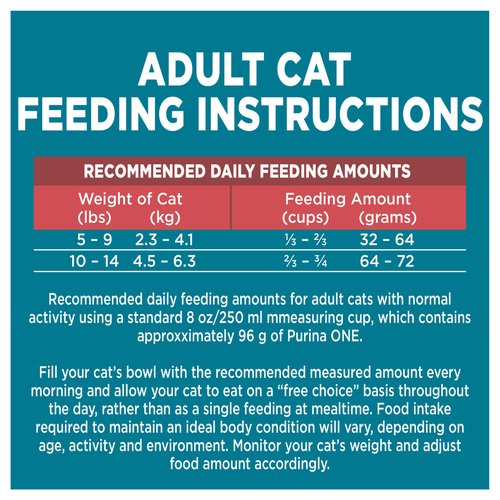
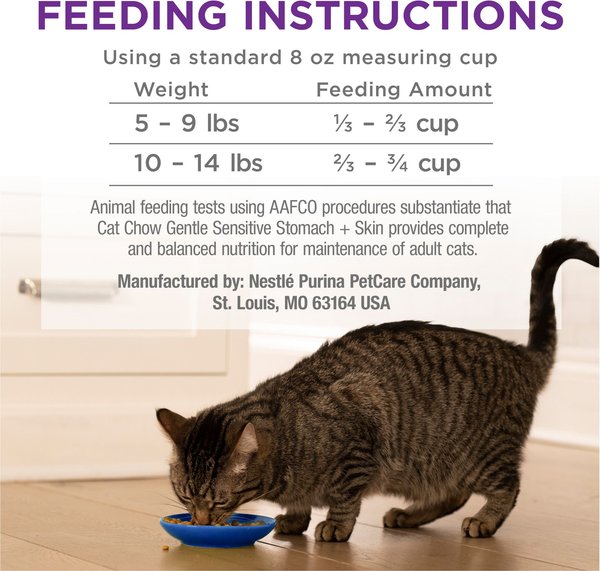
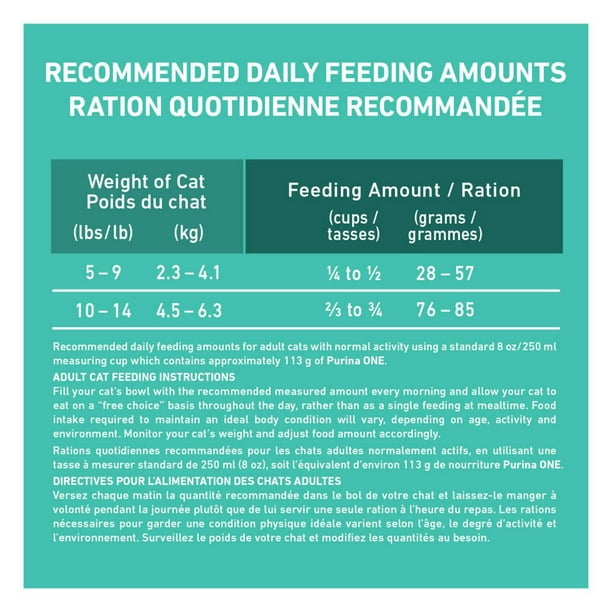
Adult cats generally eat less often but need balanced nutrition to maintain their weight and muscle tone. Most adult cats do well with two meals per day.
| Cat Weight (lbs) | Daily Dry Food Amount (cups) |
|---|---|
| 5-8 | 1/4 to 1/3 |
| 8-12 | 1/3 to 1/2 |
| 12-15 | 1/2 to 2/3 |
Think about your cat’s activity level. Indoor cats tend to need less food than outdoor cats. Adjust portions if you see weight gain or loss.
Senior Cat Dietary Adjustments
Older cats often slow down and burn fewer calories. This means their food intake usually needs to be reduced or adjusted to avoid weight gain.
- Feed smaller, more frequent meals to aid digestion.
- Look for dry foods formulated with joint support and lower calories.
- Monitor changes in appetite closely—health issues can affect eating habits.
Have you observed your senior cat’s eating patterns changing? Responding quickly by adjusting portions or consulting your vet can improve their quality of life.
Choosing The Right Dry Cat Food
Choosing the right dry cat food is essential for your cat’s health and happiness. Not all dry foods are created equal, and your choice can affect your cat’s energy, coat, and overall well-being. Understanding what to look for helps you make a smarter decision that fits your cat’s unique needs.
Reading Labels And Ingredients
Look beyond the flashy packaging and focus on the ingredients list. The first few ingredients should be high-quality protein sources like chicken, turkey, or fish. Avoid foods with vague terms like “meat by-products” or too many fillers such as corn and wheat, which offer little nutritional value.
Check for added vitamins and minerals to ensure your cat gets balanced nutrition. Also, watch for artificial colors, flavors, or preservatives that might upset your cat’s stomach or cause allergies. Have you ever noticed your cat’s reaction to certain foods? Labels can reveal hidden causes.
Understanding Quality And Brand Differences
Brands vary widely in their quality standards and sourcing. Premium brands often invest in better ingredients and thorough testing, which can translate to better health for your cat. Cheaper brands might cut corners to lower costs, which could affect digestion and energy levels.
Don’t hesitate to research the brand’s reputation and where they source their ingredients. Some companies offer transparency reports or have veterinary nutritionists on staff. How much do you trust the brand feeding your furry friend?
Specialty Diets For Specific Needs
Cats with allergies, kidney issues, or weight problems require special dry food formulas. These diets cater to their unique health conditions and can improve quality of life significantly. For example, a low-phosphorus diet supports kidney health, while grain-free options may help cats with food sensitivities.
Consult your vet before switching to a specialty diet to ensure it matches your cat’s needs. Have you noticed any unusual symptoms or changes in your cat’s behavior that could indicate a need for a special diet? Tailoring food to your cat’s health can make a big difference.
Adjusting Feeding Amounts
Adjusting the amount of dry cat food you give your feline friend is key to keeping them healthy and happy. Every cat’s needs change based on factors like age, activity level, and metabolism. Paying close attention to your cat’s response to their diet helps you find the right balance.
Recognizing Signs Of Overfeeding
Is your cat gaining weight faster than you expected? Overfeeding often leads to noticeable weight gain and a decrease in activity. You might see your cat becoming less playful or struggling to jump on their favorite spots.
Look for these signs:
- Excess belly fat or a rounded body shape
- Difficulty moving or reluctance to exercise
- Frequent begging for food even after meals
Adjust by cutting back the portions gradually and monitoring changes weekly.
Identifying Signs Of Underfeeding
On the flip side, your cat might seem too thin or unusually hungry. If you notice ribs or spine showing, it’s a clear signal that your cat isn’t getting enough food. Lethargy and irritability can also point to underfeeding.
Watch out for:
- Weight loss or loss of muscle tone
- Increased vocalization around feeding times
- Seeking food from other pets or humans
Increase meal sizes slowly to avoid digestive upset while meeting your cat’s energy needs.
Tailoring Portions For Weight Management
Managing your cat’s weight isn’t just about reducing or increasing food — it’s about fine-tuning portions based on real-time feedback. If your cat is overweight, try feeding smaller, more frequent meals instead of one large portion.
Consider these tips:
- Use a measuring cup to ensure precise portion sizes
- Keep a feeding diary to track how much your cat eats daily
- Combine dry food with occasional wet food to boost hydration
Remember, weight management takes patience. Adjust portions in small increments and observe your cat’s body condition regularly. How often do you check your cat’s weight? Making it a weekly habit can make all the difference.
Credit: www.walmart.ca
Tips For Successful Feeding
Feeding your cat the right amount of dry food is just one part of the equation. How you feed them daily plays a huge role in their health and happiness. Small changes in your feeding habits can make a big difference in your cat’s digestion, weight, and overall behavior.
Establishing A Feeding Routine
Cats thrive on consistency. Try to feed your cat at the same times every day to help regulate their metabolism and reduce begging. A fixed routine can also prevent overeating since your cat learns when to expect food.
Set clear portions and stick to them. If you notice your cat is still hungry or leaving food behind, adjust the amount slightly but keep the feeding times steady. How do you think your cat reacts when meal times change suddenly?
Incorporating Treats Wisely
Treats should never replace a balanced meal. Use them sparingly and count them as part of your cat’s daily calorie intake. This helps avoid unintentional overfeeding and weight gain.
Choose healthy treats that complement the dry food diet. If you give treats too often or in large amounts, it can disrupt your cat’s appetite for regular meals. Have you ever noticed your cat refusing their meal after a few treats?
Ensuring Fresh Water Availability
Dry cat food can be dehydrating, so fresh water must always be available. Place water bowls in multiple spots to encourage your cat to drink more throughout the day.
Some cats prefer running water, so consider a pet water fountain if your cat isn’t drinking enough. Hydration supports digestion and overall health—are you confident your cat drinks enough water daily?
Consulting A Veterinarian
Knowing the right amount of dry cat food to feed your feline friend can be tricky. This is why consulting a veterinarian is crucial. They provide personalized advice based on your cat’s unique health and lifestyle needs.
Importance Of Regular Check-ups
Regular vet visits help track your cat’s weight and overall health. These check-ups can reveal if your cat is overeating or not getting enough nutrition. Your vet can then adjust feeding recommendations accordingly.
Have you noticed your cat gaining or losing weight without explanation? This is a clear sign to schedule a check-up. Early detection of health issues can save you stress and your cat discomfort.
Discussing Dietary Concerns
During visits, be open about any feeding challenges. Maybe your cat is picky or has digestive issues. Your vet can suggest specific dry food formulas or feeding schedules tailored to these concerns.
For example, if your cat has kidney problems, your vet might recommend a special diet low in certain minerals. Don’t hesitate to ask about ingredient quality and portion sizes. These discussions help you make informed choices.
Adapting To Dietary Changes
Cats’ dietary needs can change over time due to age, activity, or health conditions. Your vet will guide you on when and how to adjust the amount of dry food. This avoids sudden changes that could upset your cat’s stomach.
Consider your own experience: switching your cat’s food abruptly caused digestive upset. A vet’s plan to gradually change portions or introduce new food can prevent this. How often do you revisit your cat’s diet with your vet?

Credit: kookykibble.co.nz
Frequently Asked Questions
How Much Dry Cat Food Should I Feed Daily?
Feed your cat 1/4 to 1/3 cup of dry food daily. Adjust based on your cat’s weight, age, and activity level. Consult your vet for precise portions to keep your cat healthy and prevent obesity.
Does Cat Weight Affect Dry Food Quantity?
Yes, heavier cats need more calories, so feed larger portions. Lighter or less active cats require less food. Always measure portions and monitor weight regularly to maintain optimal health.
Can Kittens Eat The Same Dry Food Amount?
No, kittens need more calories for growth. Feed them 3 to 4 small meals daily. Use kitten-specific dry food and adjust amounts as they grow.
Should I Change Dry Food Amount For Senior Cats?
Yes, senior cats usually need fewer calories. Reduce their daily dry food portion to prevent weight gain. Consult your vet for a tailored feeding plan.
Conclusion
Feeding your cat the right amount of dry food keeps them healthy. Watch their weight and adjust portions as needed. Remember, age, size, and activity affect how much they eat. Fresh water is important alongside dry food. Consult a vet for personalized advice.
Balanced feeding helps your cat live a happy life. Small changes can make a big difference. Keep feeding simple and consistent. Your cat will thank you with purrs and play.
