

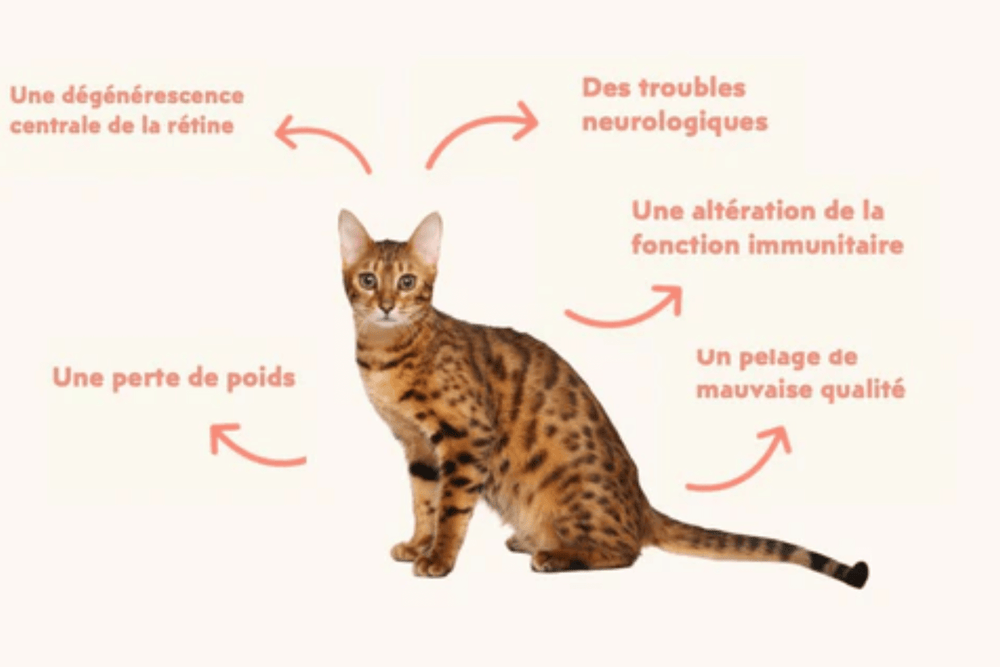
If you have a Bengal cat, you want to give it the best care possible. One of the most important parts of that care is understanding your Bengal’s dietary needs.
Feeding your cat the right food can keep it healthy, energetic, and happy for years to come. But what exactly does a Bengal cat need to thrive? You’ll discover simple, clear answers to help you make the best choices for your furry friend’s diet.
Keep reading to unlock the secrets to a well-balanced meal plan that matches your Bengal’s unique lifestyle.

Credit: pet-supermarket.co.uk
Nutritional Basics For Bengal Cats
Bengal cats are active, intelligent, and muscular pets that need a diet supporting their high energy and unique physiology. Meeting their nutritional basics ensures they stay healthy, shiny, and agile. Understanding what your Bengal truly needs can make a big difference in their overall wellbeing.
Protein: The Foundation Of A Bengal’s Diet
Bengal cats need a diet rich in animal-based protein to support their muscle tone and energy levels. Unlike some other pets, they thrive on meat, which supplies essential amino acids. Quality protein sources include chicken, turkey, fish, and beef.
Have you noticed how your Bengal perks up after a protein-heavy meal? That’s because protein fuels their active lifestyle and sharp mind.
Balancing Fats For Energy And Coat Health
Healthy fats provide a concentrated energy source and keep your Bengal’s coat soft and shiny. Omega-3 and Omega-6 fatty acids are especially important. Fish oil or flaxseed oil supplements can be a good addition to their meals.
Too little fat can lead to dull fur and low stamina. Are you paying attention to the fat content in your cat’s food?
Carbohydrates: Use With Caution
Bengals don’t require many carbohydrates, as their bodies are designed to digest proteins and fats more efficiently. Too many carbs can cause weight gain and digestive issues. Stick to foods with low grain content or consider grain-free options.
Have you checked the ingredient list on your cat’s food? It might have hidden carbs that don’t benefit your Bengal.
Vitamins And Minerals: Essential But Often Overlooked
Vitamins like A, D, and E, along with minerals such as calcium and phosphorus, support your Bengal’s bone health and immune system. Commercial cat foods are usually fortified, but if you prepare homemade meals, supplementation is crucial.
Do you provide a balanced mix, or does your Bengal’s diet miss these key nutrients?
Hydration: Don’t Forget Fresh Water
Even though Bengal cats may get some moisture from wet food, they still need constant access to fresh water. Proper hydration supports kidney function and overall health. Consider a cat water fountain to encourage more drinking.
When did you last refresh your Bengal’s water bowl? Clean water intake is more important than many pet owners realize.
Importance Of Protein
Protein plays a vital role in your Bengal cat’s health and energy. It supports muscle growth, repairs tissue, and helps maintain a shiny coat. Without enough protein, your Bengal may feel tired and lose its natural agility.
Animal-based Sources
Protein from animal sources provides all the essential amino acids your Bengal needs. These include:
- Chicken
- Turkey
- Fish (like salmon and tuna)
- Beef
- Eggs
These sources are easier for your cat to digest and absorb. Have you noticed how your Bengal perks up after a meal rich in these proteins? That’s because their body gets exactly what it needs to thrive.
Protein Intake Recommendations
Your Bengal’s diet should contain at least 30-40% protein to keep them active and healthy. Kittens and pregnant cats need even more to support growth and development. Too little protein can lead to weakness and a dull coat.
Check your cat food labels to ensure they meet these levels. If you prepare meals at home, aim for a balanced mix of the animal-based proteins listed above. How confident are you that your Bengal’s diet is hitting these protein targets?
Carbohydrates In Bengal Diets
Carbohydrates are a part of a Bengal cat’s diet but in limited amounts. These cats mainly need protein and fat, but some carbs can provide energy and fiber. Choosing the right carbohydrates helps keep Bengals healthy and active. The focus should be on safe and digestible carb sources.
Safe Carbohydrate Options
Not all carbs are good for Bengal cats. Safe options include:
- Sweet potatoes
- Pumpkin
- Peas
- Brown rice
- Oats
These sources offer fiber and vitamins with less risk of digestive upset. Avoid high-starch or sugary carbs like corn and wheat. Bengals digest complex carbs better than simple sugars.
Balancing Carbohydrate Levels
Bengal cats do best with low to moderate carbs in their food. Carbohydrates should make up no more than 10% of their daily diet. Too many carbs can lead to weight gain and health issues. Balance carbs with high protein and fats for energy. Monitor your Bengal’s weight and energy to adjust carb intake as needed.
Essential Fats And Oils
Essential fats and oils play a crucial role in the health of your Bengal cat. These nutrients support shiny coats, healthy skin, and even brain function. Understanding which fats to add to your cat’s diet can make a noticeable difference in their overall well-being.
Omega Fatty Acids
Omega-3 and Omega-6 fatty acids are vital for your Bengal cat’s diet. Omega-3s help reduce inflammation and support heart and brain health. Omega-6s, on the other hand, promote skin and coat health.
Have you ever noticed your Bengal’s coat losing its shine or their skin becoming flaky? This might be a sign they need more omega fatty acids. Including fish oil or flaxseed oil in their meals can balance these nutrients effectively.
Healthy Fat Sources
Not all fats are created equal. Healthy fat sources for Bengals include:
- Fish oils like salmon or sardine oil
- Chicken fat
- Flaxseed oil (in small amounts)
- Egg yolks
These fats provide energy and help your Bengal absorb fat-soluble vitamins. Avoid fats from processed or fried foods, as they can cause digestive issues. Have you checked your cat’s food label lately to see which fats are included?
Vitamins And Minerals
Vitamins and minerals play a crucial role in keeping your Bengal cat healthy and full of energy. These nutrients support everything from their immune system to their shiny coat. Understanding which ones matter most can help you choose the best food and supplements for your feline friend.
Key Vitamins For Bengals
Your Bengal needs specific vitamins to thrive. Vitamin A is vital for good eyesight and skin health, while B vitamins help with energy production and maintaining a healthy nervous system.
Vitamin D helps regulate calcium and phosphorus, essential for strong bones. Don’t forget vitamin E, which acts as an antioxidant protecting cells from damage.
- Vitamin A:Supports vision and skin
- B Vitamins:Boost energy and nerve function
- Vitamin D:Maintains bone health
- Vitamin E:Protects cells from damage
Have you noticed your Bengal’s coat looking dull or brittle? It might be a sign of vitamin deficiency worth checking with your vet.
Mineral Requirements
Minerals like calcium, phosphorus, and magnesium are essential for your Bengal’s growth and overall wellbeing. Calcium and phosphorus work together to build strong teeth and bones.
Magnesium supports muscle and nerve function, but too much can cause health issues. Iron is another mineral your Bengal needs to keep their blood healthy and prevent anemia.
| Mineral | Role | Potential Issues if Lacking |
|---|---|---|
| Calcium | Bone and teeth strength | Weak bones, dental problems |
| Phosphorus | Works with calcium for bones | Bone weakness |
| Magnesium | Muscle and nerve function | Muscle cramps, urinary issues |
| Iron | Healthy blood and oxygen transport | Anemia, fatigue |
Are you confident your Bengal’s diet includes the right balance of these minerals? Checking ingredient labels can reveal a lot about the quality of their food.

Credit: wildearth.com
Hydration Needs
Bengal cats have unique hydration needs that often go overlooked. Unlike some other breeds, Bengals tend to be more active and curious, which means their water intake plays a crucial role in keeping them healthy and energetic. Understanding how to keep your Bengal well-hydrated can prevent common health issues like urinary tract infections and kidney problems.
Water Consumption Tips
Encourage your Bengal to drink more water by placing multiple water bowls around your home. Bengals are naturally playful and may prefer drinking from moving water sources, so a cat water fountain can be a great investment.
Always use fresh, clean water and change it at least once a day. Some Bengals show a preference for cool water, so adding a few ice cubes on hot days can make hydration more appealing.
Watch your Bengal’s drinking habits closely. If you notice a sudden drop in water consumption, it could signal health issues that need veterinary attention.
Wet Vs. Dry Food
Feeding your Bengal wet food can significantly boost their hydration since it contains up to 80% moisture. This is especially helpful if your cat isn’t drinking enough water on its own.
Dry kibble, while convenient, has very little moisture content, which means your Bengal will need to drink more water to stay hydrated. Mixing wet and dry food can balance hydration and dental health.
Consider your Bengal’s preferences and lifestyle when choosing their diet. Some Bengals may refuse wet food, while others thrive on it. Adjusting their diet to include more moisture-rich options can improve their overall well-being.
Dietary Changes And Considerations
Adjusting your Bengal cat’s diet as they grow and face different health challenges is crucial. Changes in their nutritional needs can affect their energy, coat quality, and overall health. Paying attention to these shifts ensures your Bengal stays vibrant and active through every stage of life.
Age-specific Needs
Kittens require more protein and calories to support their rapid growth and high energy. Feeding them nutrient-rich kitten food helps build strong muscles and bones.
Adult Bengals, however, need a balanced diet to maintain muscle mass without gaining excess weight. You might notice your cat’s activity level drops, so adjusting portion sizes or calorie intake is necessary.
Senior Bengals often benefit from diets lower in calories but higher in fiber to aid digestion and joint health supplements to keep them agile. Have you noticed your older Bengal slowing down? This could be a sign to tweak their meals.
Special Dietary Concerns
Some Bengals have food sensitivities or allergies that cause digestive upset or skin issues. Identifying and avoiding triggers, like certain grains or proteins, can prevent discomfort.
If your Bengal has health issues such as kidney disease or diabetes, their diet must support these conditions with specialized nutrients or restricted ingredients. Always consult your vet for tailored advice.
Offering a mix of wet and dry food can help with hydration and dental health. Have you tried rotating proteins like chicken, fish, or turkey to keep your Bengal interested and well-nourished?
Common Feeding Mistakes
Feeding a Bengal cat correctly is key to its health and happiness. Many owners make common mistakes that affect their Bengal’s diet and well-being. These errors can cause weight problems, digestive issues, or nutrient deficiencies. Being aware of these feeding pitfalls helps provide balanced nutrition for your Bengal cat.
Overfeeding Risks
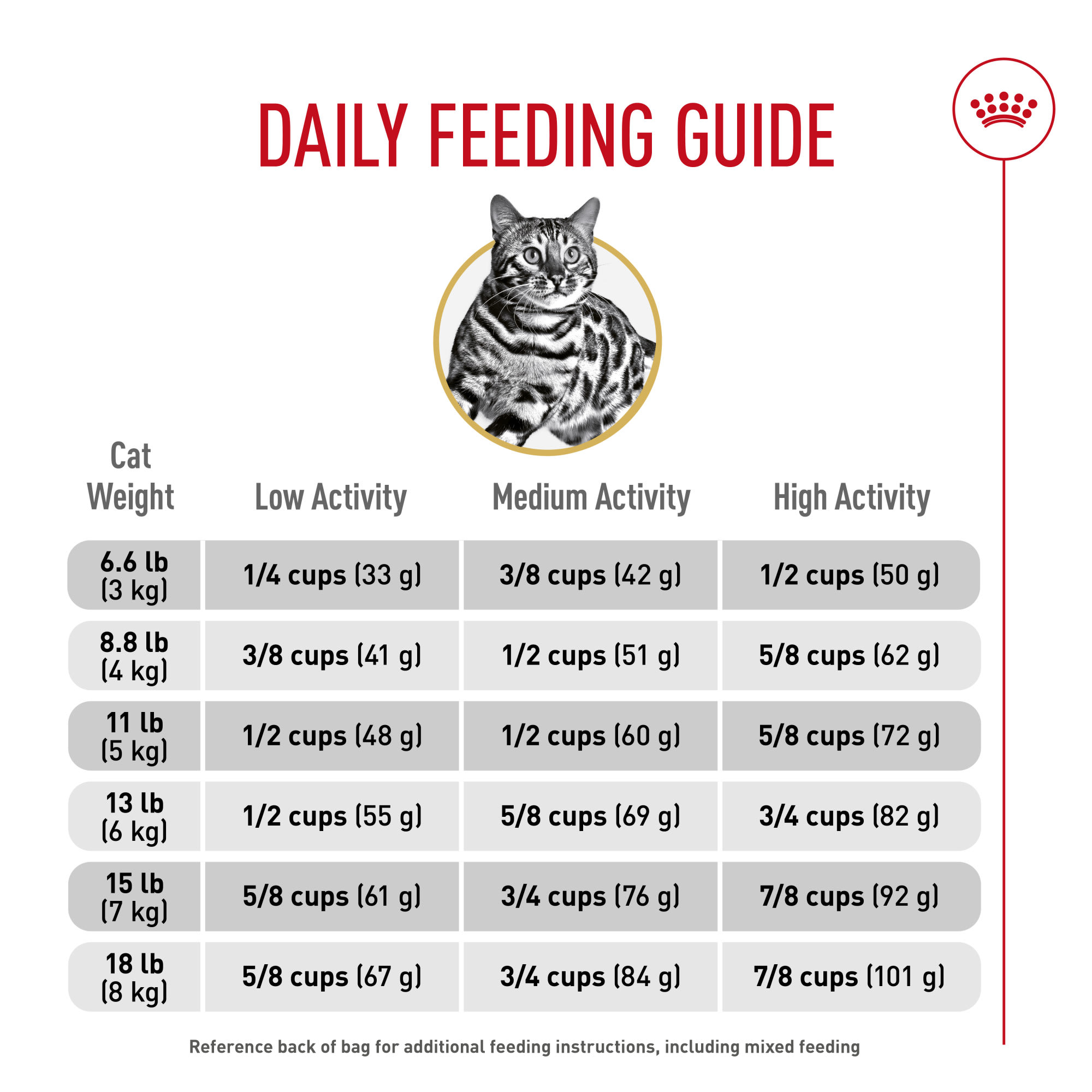
Overfeeding leads to obesity in Bengal cats. Excess weight stresses their joints and organs. Overweight cats often develop diabetes and heart disease. Portion control is essential to avoid these problems. Follow feeding guidelines and adjust portions based on your cat’s activity level. Avoid free-feeding to prevent overeating. Measure food carefully and monitor your cat’s weight regularly.
Avoiding Harmful Foods
Some foods are toxic or harmful to Bengal cats. Avoid giving chocolate, onions, garlic, grapes, and raisins. These can cause serious health issues or poisoning. Also, stay away from raw dough and caffeine. Human snacks high in salt, sugar, or fat can upset your Bengal’s stomach. Stick to cat-safe treats and foods. Always check ingredient lists to ensure safety and health.
Choosing The Right Cat Food
Choosing the right food for your Bengal cat is crucial to keep them healthy and energetic. Their unique blend of wild and domestic traits means their diet needs special attention. You want to provide food that supports their active lifestyle and sharp minds.
Evaluating Commercial Brands
Look closely at the ingredient list on commercial cat food packages. Bengals need high protein levels, so check if real meat is the first ingredient. Avoid foods with fillers like corn, wheat, or soy that add little nutritional value.
Check for added vitamins and minerals, especially taurine, which is vital for your Bengal’s heart and eyes. You might notice some brands include omega fatty acids, great for keeping their coat shiny. Have you ever read the fine print on your cat’s food label? It can reveal a lot about quality.
Don’t forget to consider wet food options. Bengals often prefer wet food because it helps keep them hydrated. Plus, it usually contains more protein and fewer carbs than dry kibble.
Homemade Diets
Preparing homemade meals can give you full control over what your Bengal eats. Fresh, high-quality ingredients like chicken, turkey, or fish should be the base. Remember, balance is key—add small amounts of vegetables and supplements as needed.
Be cautious about essential nutrients. Taurine, calcium, and vitamins must be included to avoid deficiencies. You might want to consult your vet or a pet nutritionist before switching to homemade food.
Many Bengal owners find that homemade diets improve their cats’ digestion and energy levels. Have you thought about making your own cat food? It’s rewarding but requires commitment to get it right.
Credit: www.petco.com
Frequently Asked Questions
What Is The Ideal Diet For Bengal Cats?
Bengal cats need a high-protein diet with quality animal meat. Include wet food to ensure moisture intake. Avoid grains and fillers to support their active lifestyle and muscle health.
Can Bengal Cats Eat Dry Food Only?
Dry food alone is not ideal for Bengals. They require moisture from wet food to prevent dehydration. A mix of wet and dry food balances nutrition and hydration effectively.
How Often Should Bengal Cats Be Fed Daily?
Feed Bengal cats two to three times a day. Regular meals maintain energy and prevent overeating. Adjust portions based on age, weight, and activity level for optimal health.
Are Supplements Necessary For Bengal Cat Diets?
Supplements are usually unnecessary with a balanced diet. High-quality cat food provides essential nutrients. Consult a vet before adding supplements to avoid overdose or imbalance.
Conclusion
Bengal cats need a balanced diet for good health. Protein is very important for their strong muscles. Fresh water must always be available. Avoid feeding them too many treats or human food. Regular meals help keep their energy steady. Watch their weight to prevent health problems.
Feeding your Bengal right helps them live longer and happier. Caring for their diet shows your love and keeps them active. Simple steps make a big difference in their well-being. Keep learning about their needs to give the best care.
