

Are you wondering how much to feed your cat but feel confused by all the different advice out there? Getting your cat’s feeding right is more important than you might think.
Too little food can leave your furry friend hungry and weak, while too much can lead to weight problems and health issues. You want to keep your cat happy, healthy, and full of energy—but where do you start? You’ll discover simple, clear answers that make feeding your cat easy and stress-free.
Keep reading to find out exactly how much your cat needs every day and why it matters so much.
Factors Influencing Cat’s Dietary Needs
Feeding a cat the right amount of food depends on several key factors. Each cat has unique needs based on its body and lifestyle. Understanding these helps provide the best nutrition and avoid overfeeding or underfeeding.
Some cats require more calories, while others need special diets. Paying attention to these factors ensures your cat stays healthy and happy.
Age And Life Stage
Kittens need more food to support fast growth. They eat more often and require nutrient-rich diets. Adult cats need fewer calories but balanced nutrition for maintenance. Senior cats often eat less but need special diets for aging bodies.
Activity Level
Active cats burn more calories and need extra food. Indoor cats are usually less active and require less food. Overfeeding low-activity cats can lead to weight gain. Adjust food amount based on how much your cat moves daily.
Health Conditions
Some health issues affect a cat’s diet. Cats with kidney problems may need low-protein food. Overweight cats require controlled portions to lose weight safely. Always follow vet advice for cats with special health needs.
Credit: wildge.com
Understanding Cat Nutrition
Understanding cat nutrition is key to feeding your feline friend the right amount and type of food. Cats have unique dietary needs that differ from other pets, and knowing these can help you avoid overfeeding or underfeeding. Let’s break down what your cat really needs to stay healthy and happy.
Essential Nutrients
Cats need a balance of proteins, fats, vitamins, and minerals to thrive. Protein is especially important because cats are obligate carnivores, meaning they must eat meat to get certain nutrients like taurine and arginine. Without enough protein, your cat may develop health problems or lose muscle mass.
Fat provides energy and supports skin and coat health, while vitamins and minerals help with bodily functions like bone growth and immune system support. Have you ever noticed how picky cats can be? Their taste buds are wired to detect these nutrients, so food lacking in essentials often gets rejected.
Wet Vs. Dry Food
Choosing between wet and dry food affects your cat’s hydration and calorie intake. Wet food contains more moisture, which helps keep your cat hydrated—especially if they don’t drink much water on their own. It’s also usually higher in protein and closer to what a cat would eat in the wild.
Dry food is convenient and can help with dental health by reducing plaque buildup. However, it’s more calorie-dense, so you need to be careful with portion sizes to prevent weight gain. What’s your cat’s preference? Sometimes mixing both types can offer a good balance.
Reading Food Labels
Understanding food labels can save you from feeding your cat empty calories. Look for specific meat sources like chicken, turkey, or fish listed as the first ingredient. Avoid foods with vague terms such as “meat by-products” or excessive fillers like corn and wheat.
Check the guaranteed analysis section to see percentages of protein, fat, and fiber. Higher protein content usually means better nutrition for your cat. Remember, quality matters more than quantity—feeding less of a high-quality food is often better than more of a low-quality one.
Calculating Portion Sizes
Calculating the right portion sizes for your cat is essential for their health. Cats need a balanced amount of food to stay fit and active. Feeding too much or too little can cause health problems.
Portion sizes depend on several factors such as weight, age, activity level, and health status. Understanding these factors helps in providing the best care through proper feeding.
Weight Management
Maintaining a healthy weight is key to your cat’s well-being. Overweight cats face risks like diabetes and joint problems. Underweight cats may lack energy and nutrients.
Regularly weigh your cat. Adjust food portions based on their current weight and target weight. Keep an eye on changes to avoid sudden weight gain or loss.
Estimating Daily Caloric Needs
Caloric needs vary by cat. Active cats require more calories than those who rest most of the day. A general rule is 20 calories per pound of body weight.
Use this formula to estimate daily calories:
- Body weight (lbs) × 20 = Daily caloric needs
Check the calorie content on your cat’s food label. Divide the daily calories by the calories per serving. This gives the right portion size.
Adjusting Portions For Treats
Treats add extra calories and can affect your cat’s diet balance. Limit treats to less than 10% of daily calories. This keeps their diet healthy.
Reduce the main meal portion if you give treats. Track treats given during the day. This helps maintain overall calorie control.
Feeding Guidelines By Cat Type
Feeding your cat properly depends a lot on their age and life stage. Each type of cat—whether a playful kitten, a steady adult, or a wise senior—needs a tailored feeding approach to stay healthy and happy. Understanding these differences can help you avoid overfeeding or underfeeding, ensuring your feline friend thrives.
Kittens
Kittens are little energy balls that need more calories than adult cats. Their meals should be rich in protein and fat to support rapid growth and development. You should feed them about 3 to 4 small meals a day, gradually increasing the amount as they grow.
Wet food is often better for kittens because it’s easier to chew and helps keep them hydrated. Remember, kittens usually stop nursing around 8 to 10 weeks, so introducing solid food early but carefully is crucial. If your kitten seems hungry all the time, it’s okay—growing bodies need fuel.
Adult Cats
Adult cats generally need fewer calories than kittens, but their diet must still be balanced to maintain a healthy weight. Most adult cats do well with two meals a day, with portion sizes depending on their activity level and size.
Keep an eye on your cat’s weight and adjust feeding amounts if you notice changes. If your cat is mostly indoors and less active, you might need to reduce portions to prevent weight gain. Offering measured meals instead of free-feeding helps control intake and prevents overeating.
Senior Cats
Senior cats often have different nutritional needs, including more fiber and sometimes fewer calories to avoid obesity. Their appetite might decrease, or they may become pickier about food texture and flavor.
Try feeding them smaller, more frequent mealsto accommodate their digestion and preferences. If your senior cat has dental issues, soft or wet food can make eating easier and more enjoyable. Have you noticed changes in your older cat’s eating habits? Adjusting their diet accordingly can improve their quality of life significantly.
Signs Of Overfeeding And Underfeeding
Knowing the signs of overfeeding and underfeeding your cat is crucial for their health. Too much food can lead to obesity, while too little can cause malnutrition. Recognizing these signs early helps you adjust their diet before serious problems arise.
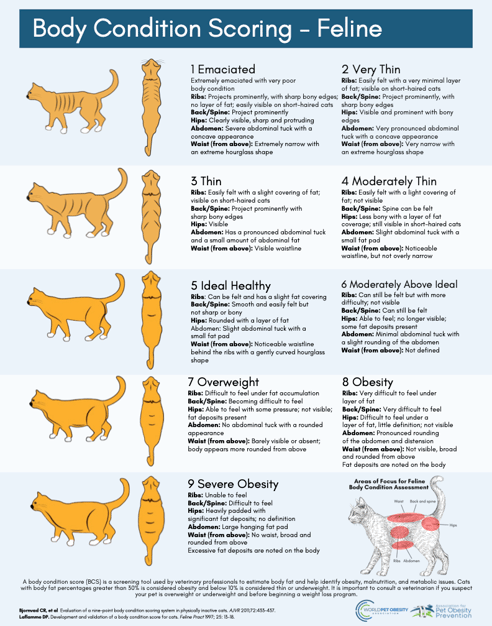
Recognizing Obesity
Obesity in cats often shows as excess fat around the abdomen and ribs that are hard to feel. Your cat may appear rounder or have a visible belly when standing. Overweight cats often move less and may show signs of difficulty jumping or grooming.
Have you noticed your cat struggling to climb furniture or seeming lethargic? These could be clues that they are carrying too much weight. Keep an eye on their eating habits, especially if they beg for food frequently even after meals.
Identifying Malnutrition
Malnutrition signs include dull fur, visible ribs, and a lack of energy. Your cat might seem weak or more irritable than usual. Sometimes, they may have a poor appetite or vomit frequently.
Think about whether your cat’s coat looks less shiny or if they seem thinner than before. These subtle changes can indicate they aren’t getting enough nutrients. If you spot these signs, consult your vet to adjust their feeding plan.
Monitoring Weight Changes
Regularly weighing your cat is the best way to track their health. Sudden weight gain or loss can signal a feeding issue or underlying illness. Use a small pet scale or visit the vet to keep accurate records.
Ask yourself: has your cat’s weight changed noticeably over the past month? If yes, review their food portions and quality. Small adjustments can make a big difference in preventing health problems.
Consulting With Veterinarians
Feeding your cat the right amount is not just about following package instructions or guessing based on their size. Consulting with veterinarians can make a huge difference in ensuring your cat stays healthy and happy. Professionals provide insights tailored specifically to your cat’s unique health profile and lifestyle.
Importance Of Professional Guidance
Veterinarians bring expertise that goes beyond general feeding guidelines. They consider factors like your cat’s age, breed, activity level, and any medical conditions before recommending feeding amounts.
For example, a senior cat with kidney issues will need a different diet and feeding schedule compared to a young, active kitten. Without this guidance, you might unintentionally overfeed or underfeed your cat, leading to health problems.
Regular Health Check-ups
Regular visits to the vet help monitor your cat’s weight and overall health, making it easier to adjust their diet as needed. These check-ups allow early detection of problems like obesity or nutrient deficiencies.
Your vet can track weight trends and suggest portion changes or diet modifications before any serious issues develop. Think about how often you check your own diet and health—your cat needs similar attention.
Tailoring Diets To Individual Needs
Every cat is different. Some may need more protein, while others require lower fat or special ingredients due to allergies or sensitivities.
Veterinarians can help create a feeding plan that fits your cat’s specific needs. This might involve mixing wet and dry food in precise amounts or recommending supplements to keep your cat thriving.
Have you noticed how your cat reacts to their current food? Sharing those observations with your vet can lead to better, more personalized feeding advice.
Common Feeding Mistakes
Feeding a cat sounds simple, but many cat owners make common mistakes. These errors can affect a cat’s health and happiness. Understanding these mistakes helps keep your cat healthy and well-fed.
Free-feeding Pitfalls
Free-feeding means leaving food out all day. Cats may eat too much or too little this way. Overeating leads to weight gain and health problems. Some cats eat quickly and then vomit. Others become picky and ignore food. Free-feeding also makes it hard to track how much your cat eats daily.
Inconsistent Feeding Schedules
Feeding cats at different times causes stress. Cats like routine and feel safer with set meal times. Irregular schedules can lead to begging or anxiety. Cats may overeat when food is finally offered. Sticking to a regular feeding time helps control portions and digestion.
Ignoring Food Quality
Not all cat food is the same. Low-quality food often lacks essential nutrients. Poor nutrition can cause health issues like dull coats or weak immunity. Reading labels and choosing balanced food is vital. Fresh, high-quality food supports energy and longevity. Avoid cheap fillers and artificial ingredients.
Credit: www.preventivevet.com
Tips For Feeding Multiple Cats
Feeding multiple cats can be a rewarding challenge. Each cat has unique needs and personalities that influence how you manage their meals. Getting this right helps avoid stress and keeps everyone healthy and happy.
Managing Different Diets
Not all cats eat the same food. Some need special diets for health reasons, while others prefer wet or dry food. To handle this, set up separate feeding stations for each cat with their specific food.
Label the bowls or place them in different rooms to avoid mix-ups. This prevents one cat from eating another’s food, which can cause digestive issues or nutritional imbalances.
Preventing Food Aggression
Food aggression is common when cats feel threatened during mealtime. To reduce this, feed your cats in quiet, low-traffic areas where they feel safe.
Use plenty of bowls and space them out. If you notice growling or swatting, try feeding them at different times until they feel comfortable sharing space.
Ensuring Equal Access To Food
Dominant cats can sometimes block others from eating. To make sure every cat gets their share, use multiple feeding spots spread across your home.
Consider using timed feeders or puzzle feeders to slow down fast eaters and give shy cats a chance. Have you noticed your cat’s eating habits change when feeding spots are rearranged?
Credit: stellarnook.com
Frequently Asked Questions
How Much Food Does An Average Cat Need Daily?
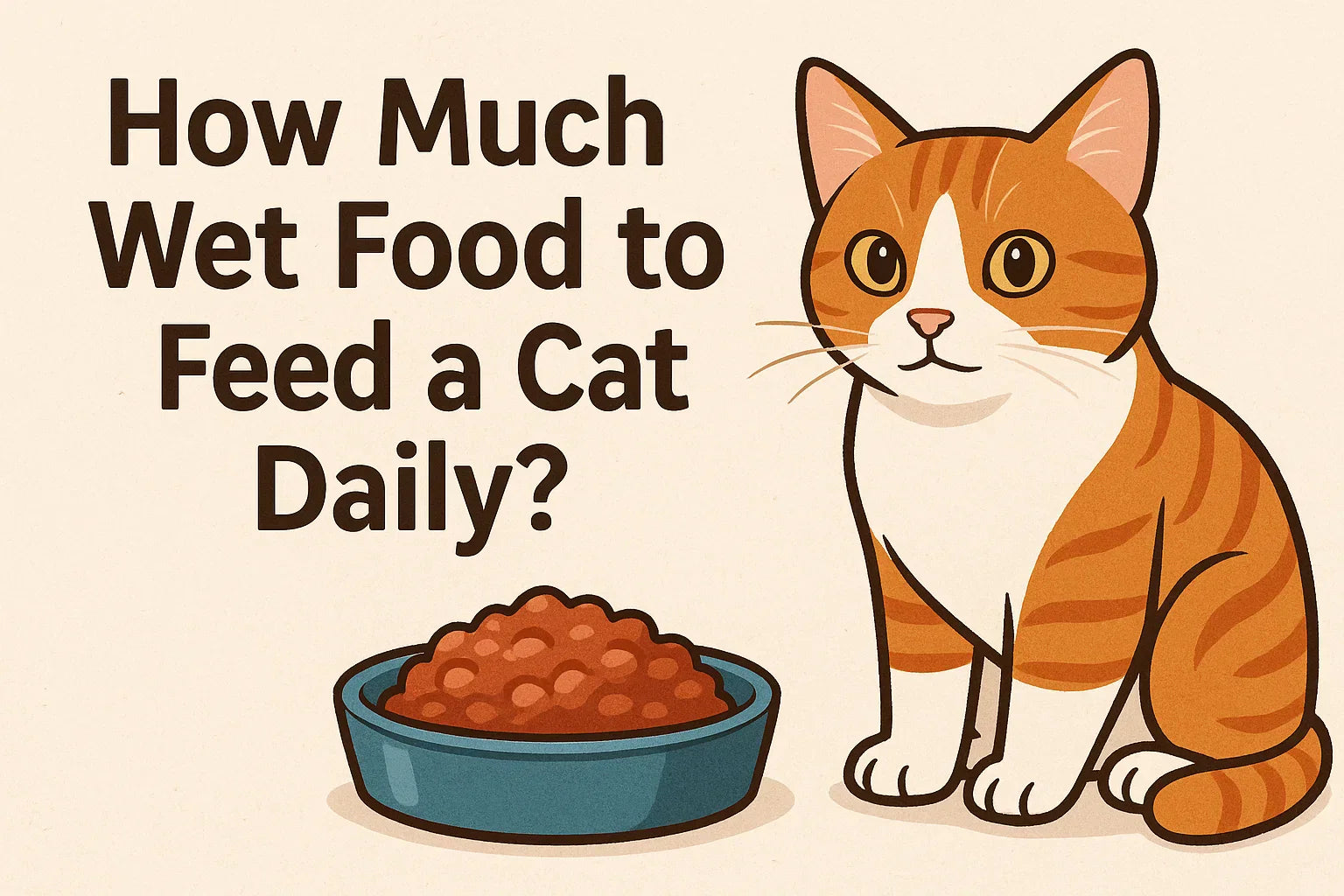
An average adult cat needs about 20 calories per pound daily. This usually equals around 1/3 to 1/2 cup of dry food or 5. 5 ounces of wet food. Adjust based on your cat’s activity level, age, and health.
How Often Should I Feed My Cat Each Day?
Most cats do well with two meals a day, spaced 8-12 hours apart. Kittens may need three to four meals daily. Consistent feeding times help regulate their digestion and prevent overeating.
Can I Feed My Cat Only Dry Or Wet Food?
Yes, you can feed either dry or wet food exclusively. Wet food provides more moisture, which benefits urinary health. Dry food is convenient and helps with dental care. Mixing both can offer balanced nutrition.
How Do I Adjust Cat Food Portions By Weight?
For weight management, feed about 20 calories per pound of your cat’s ideal body weight. If your cat is overweight, reduce portions gradually. Consult your vet for personalized portion sizes to maintain a healthy weight.
Conclusion
Feeding your cat the right amount keeps them healthy and happy. Watch their weight and energy to adjust food portions. Use the cat’s age, size, and activity to guide feeding. Fresh water is important too. Regularly check with a vet for best advice.
Feeding well shows you care. Small changes can make a big difference. Keep your cat’s meals balanced and consistent every day. This helps them live a long, joyful life.
