

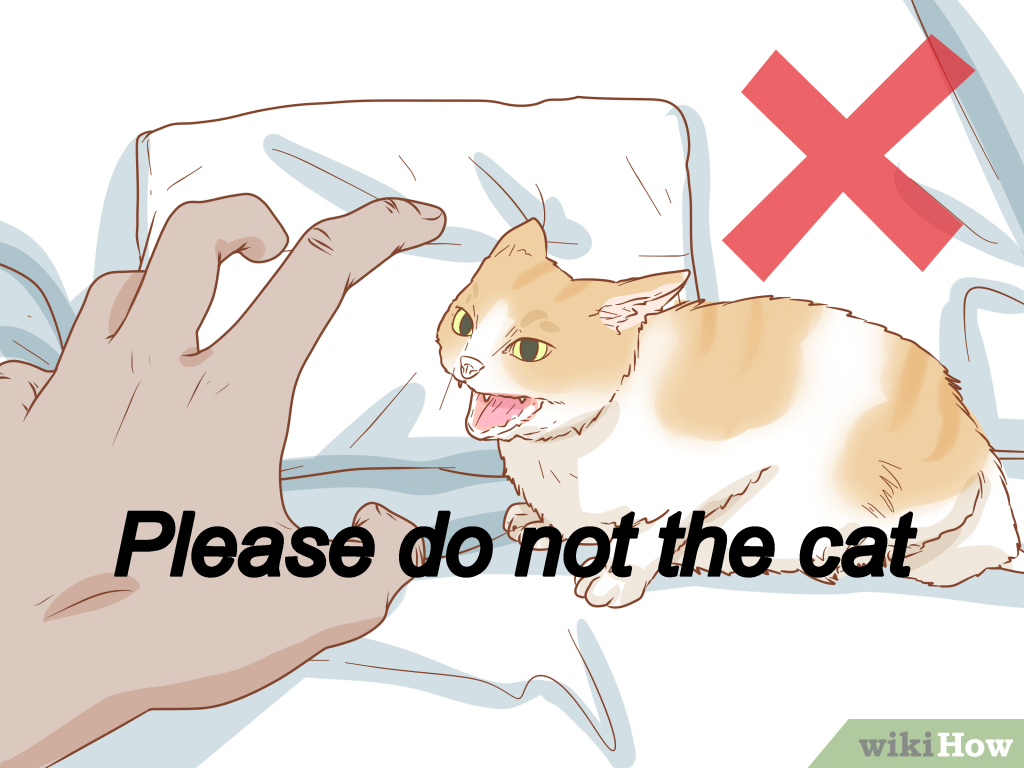
Have you ever wondered why people say, “Please do not the cat”? It sounds odd, right?
But there’s more to this phrase than meets the eye. If you’re a cat lover or just curious about quirky sayings, you’re in the right place. This article will reveal the surprising meaning behind those words and why they matter to you and your furry friend.
Keep reading—you won’t want to miss what comes next.
Indoor Safety Tips
Keeping your cat safe indoors is crucial to prevent accidents and stress. Cats are curious by nature, and their explorations can lead them into trouble quickly. You can create a safer environment by focusing on key areas where dangers often hide.
Secure Hazardous Items
Think about everything in your home that could harm your cat. Cleaning supplies, medications, and small objects can be deadly if swallowed or touched. Store these items in cabinets with childproof locks or high shelves out of reach.
Plants are another hidden risk. Some common houseplants like lilies and poinsettias are toxic to cats. Check the safety of your greenery and replace dangerous ones with cat-safe options such as spider plants or cat grass.
Have you noticed your cat chewing on cords or cables? This can cause electric shocks or choking. Use cord organizers or covers to keep wires out of sight and out of paw’s reach.
Cat-friendly Furniture
Your cat needs spaces that encourage natural behaviors like scratching, climbing, and resting. Providing cat trees or shelves gives your cat a safe playground and reduces the chance of damage to your furniture.
Choose furniture with sturdy materials that won’t tip over easily. I once placed a tall cat tree near a window, and it quickly became my cat’s favorite lookout spot without any risk of falling.
Scratching posts are essential. Place them near your cat’s favorite resting places to encourage use. You can even add catnip to increase attraction and protect your couch from scratches.
Outdoor Precautions
Letting your cat enjoy the outdoors can be refreshing for both of you. However, outdoor time comes with its own set of risks. Taking precautions helps keep your cat safe while still letting them explore.
Supervised Outdoor Time
Allowing your cat outside without supervision can expose them to dangers like traffic, predators, or getting lost. Try staying outside with your cat or use a secure harness and leash for controlled exploration. This way, you can react quickly if something unexpected happens.
Have you noticed how much calmer your cat is after a short walk in the yard? Supervised time not only keeps them safe but also lets you bond and observe their behavior closely.
Safe Garden Plants
Many common garden plants can be toxic to cats, including lilies, azaleas, and tulips. Check your garden for harmful plants and replace them with cat-friendly options like catnip, spider plants, or basil.
If you’re unsure about a plant, look it up or ask your vet before letting your cat roam near it. A small change in your garden can prevent serious health problems for your furry friend.
Dietary Guidelines
Diet plays a crucial role in keeping cats healthy and happy. Following clear dietary guidelines helps prevent health issues and supports their energy needs. Feeding the right food in the right amount ensures long-term wellness. Always focus on safety and balance in your cat’s diet.
Avoid Toxic Foods
Certain foods can harm cats seriously. Keep these common toxic items far away:
- Onions and garlic
- Chocolate
- Grapes and raisins
- Alcohol
- Caffeine
- Raw dough or meat
Even small amounts may cause illness. Stick to cat-safe treats and meals only.
Proper Portion Control
Overfeeding leads to obesity and related problems. Measure food portions carefully each day. Follow feeding instructions on cat food labels or vet advice. Divide daily food into two or more meals. This keeps digestion smooth and energy steady.

Credit: www.reddit.com
Health Check Essentials
Keeping your cat healthy requires more than just feeding and playing. Regular health checks are vital to catch problems early and ensure your furry friend lives a long, happy life. Understanding what to watch for and maintaining routine vet visits can make all the difference.
Regular Vet Visits
Scheduling regular vet visits is the cornerstone of your cat’s health care. Even if your cat seems perfectly fine, vets can spot hidden issues before they become serious. Many health problems in cats develop quietly, so these check-ups are like a safety net.
Think about the last time you skipped a check-up. Did you realize how many small signs you might have missed? Your vet can also advise on vaccinations, dental care, and nutrition tailored to your cat’s age and lifestyle.
Signs Of Illness
Knowing the signs of illness helps you act quickly. Cats are masters at hiding pain, but changes in behavior often reveal discomfort or disease.
- Changes in appetite:Eating less or more than usual can signal health problems.
- Lethargy:If your cat sleeps more than normal or seems weak, something could be wrong.
- Grooming habits:Over-grooming or neglecting grooming might indicate stress or illness.
- Weight changes:Rapid loss or gain should never be ignored.
- Unusual behavior:Hiding, aggression, or vocalizing more could mean your cat needs help.
Have you noticed any subtle changes in your cat’s routine lately? Paying attention to these signs can save you from costly treatments and heartache later.
Stress Reduction Techniques
Stress affects cats just like it does people. Reducing stress helps cats stay happy and healthy. Simple changes can make a big difference in their daily lives. Understanding stress reduction techniques improves your cat’s comfort and mood.
Creating A Calm Environment
A calm place helps cats feel safe and relaxed. Choose a quiet spot away from loud noises and heavy foot traffic. Soft lighting and cozy bedding encourage rest. Keep their litter box and food in separate, peaceful areas. Avoid sudden changes in the room’s setup to prevent anxiety.
Use natural scents like lavender or chamomile near their space. These smells can soothe and calm cats. Provide hiding spots like covered beds or boxes. Cats like to retreat when they feel stressed. A calm environment reduces fear and supports well-being.
Interactive Playtime
Playtime offers mental and physical relief from stress. Use toys that mimic prey, like feather wands or laser pointers. Short, frequent play sessions keep cats engaged and active. Playing helps release energy and reduces nervous behaviors.
Include variety in toys to maintain interest. Puzzle feeders also stimulate their minds and reduce boredom. Reward your cat with treats or praise during play to build trust. Interactive play strengthens your bond and lowers stress levels.
Credit: www.reddit.com
Safety During Travel
Traveling with your cat requires careful attention to safety. Cats can get stressed, frightened, or injured if you don’t prepare properly. Ensuring their comfort and security during travel makes the experience smoother for both of you.
Comfortable Carriers
Your cat’s carrier is their safe space during travel. Choose one that is sturdy but also roomy enough for your cat to turn around and lie down comfortably.
Look for carriers with good ventilation and secure locks. Soft-sided carriers can be cozy but may not protect as well in sudden stops. Hard-sided carriers provide more protection but can feel confining if too small.
Adding familiar blankets or toys inside can calm your cat. Have you noticed how your cat reacts differently to various textures? Use that knowledge to pick the perfect bedding for the carrier.
Car Travel Tips
- Secure the carrier:Always fasten the carrier with a seatbelt or place it on the floor behind the front seat. This prevents it from sliding or tipping.
- Keep windows closed or slightly open:Cats are curious but can escape or get hurt if windows are open wide.
- Maintain a calm environment:Drive smoothly and avoid loud music. Your cat picks up on your stress, so staying calm helps them relax.
- Take breaks:On long trips, stop every couple of hours to check on your cat. Offer water, but avoid feeding right before travel to prevent nausea.
Have you ever seen a cat react to sudden stops or sharp turns? Planning your driving style around your cat’s needs can prevent panic and injury.
Emergency Preparedness
Emergency preparedness helps protect your cat during unexpected events. Being ready can save your pet’s life and reduce stress for both of you. Keep essential items and information close to act fast if needed.
First Aid Kit
A first aid kit for your cat should include:
- Sterile gauze pads and bandages
- Antiseptic wipes or solution safe for cats
- Digital thermometer
- Tweezers for splinters or ticks
- Scissors with blunt ends
- Hydrogen peroxide (to induce vomiting only if advised by a vet)
- Emergency contact card with your vet’s phone number
Store the kit in a cool, dry place. Check it regularly to replace expired items. Knowing basic first aid can prevent minor injuries from worsening.
Emergency Contacts
Keep a list of important phone numbers for quick access:
- Your regular veterinarian
- Nearest emergency animal hospital
- Local animal control or rescue groups
- Trusted neighbors or family members
Place this list near your phone and inside your cat’s emergency kit. Sharing these contacts with anyone who cares for your cat is wise. Quick calls can make a big difference during emergencies.
Credit: www.reddit.com
Frequently Asked Questions
What Does “please Do Not The Cat” Mean?
“Please Do Not the Cat” is a humorous phrase playing with grammar rules. It highlights the importance of proper verb usage in English. It reminds readers to avoid awkward or incorrect sentence structures for clarity. This phrase often sparks curiosity and discussion about language learning.
Why Is Correct Verb Usage Important With Pets?
Correct verb usage ensures clear communication and prevents misunderstandings. When talking about pets, it helps express actions precisely. Using proper verbs shows respect for language and helps readers or listeners grasp meaning easily. It also enhances writing quality, especially in informative or creative content.
How Can I Avoid Common Grammar Mistakes With Animals?
Focus on subject-verb agreement and correct verb forms. Always match the verb tense to the subject and context. Proofreading and reading aloud can catch errors. Using grammar tools or guides helps reinforce correct usage. Practice writing sentences about animals regularly to improve skills.
Are There Cultural Differences In Pet-related Expressions?
Yes, pet-related expressions vary across cultures. Some idioms or phrases may not translate literally. Understanding cultural context helps avoid confusion. Learning diverse expressions enriches language skills and appreciation. It also improves communication with international pet lovers or readers.
Conclusion
Cats need respect and gentle care every day. Treat them kindly, and they will trust you. Avoid actions that scare or hurt your cat. Pay attention to their feelings and body language. Happy cats make happy homes. Small changes can create a big difference in your cat’s life.
Show love through patience and kindness. Caring for cats brings joy to both of you. Remember, a calm and safe space helps cats feel secure. Keep your cat’s well-being as a top priority always.
