

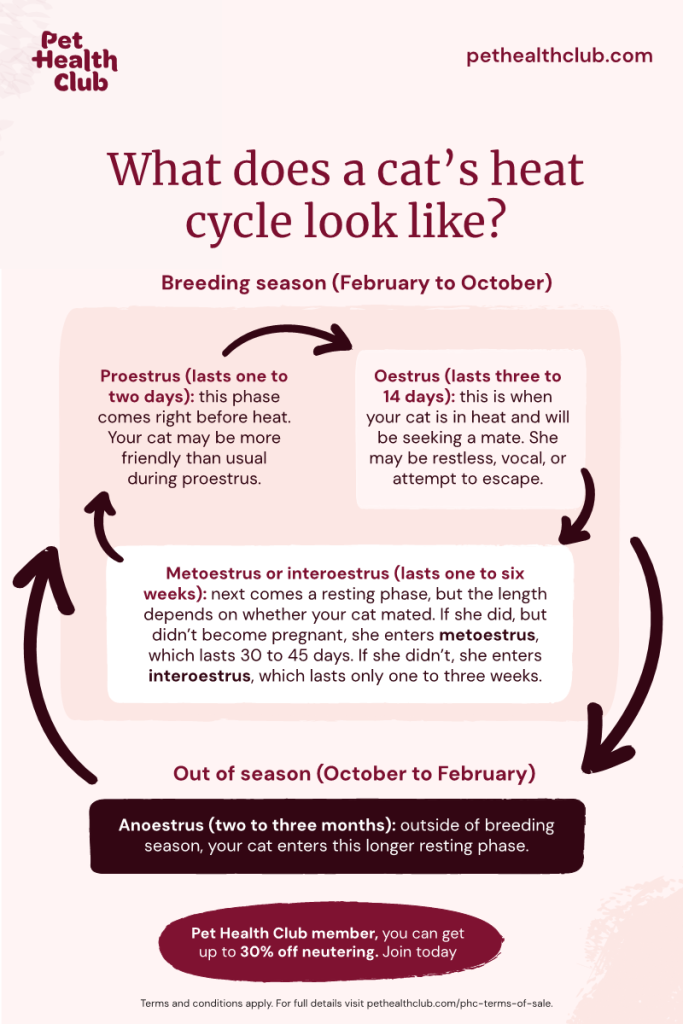
Is your cat acting restless, vocal, and a bit more affectionate than usual? If so, she might be in heat.
This can be a confusing and stressful time for both you and your feline friend. But don’t worry—knowing what to do when your cat is in heat can make all the difference. You’ll discover simple, effective ways to keep your cat comfortable and calm.
Keep reading to learn how to handle this natural but challenging phase with confidence and care.

Credit: www.petdrugsonline.co.uk
Signs Your Cat Is In Heat
Knowing the signs your cat is in heat helps you care for her better. Cats in heat show clear behaviors and physical changes. These signs usually last several days and repeat every few weeks. Recognizing these signs helps you manage her comfort and safety during this time.
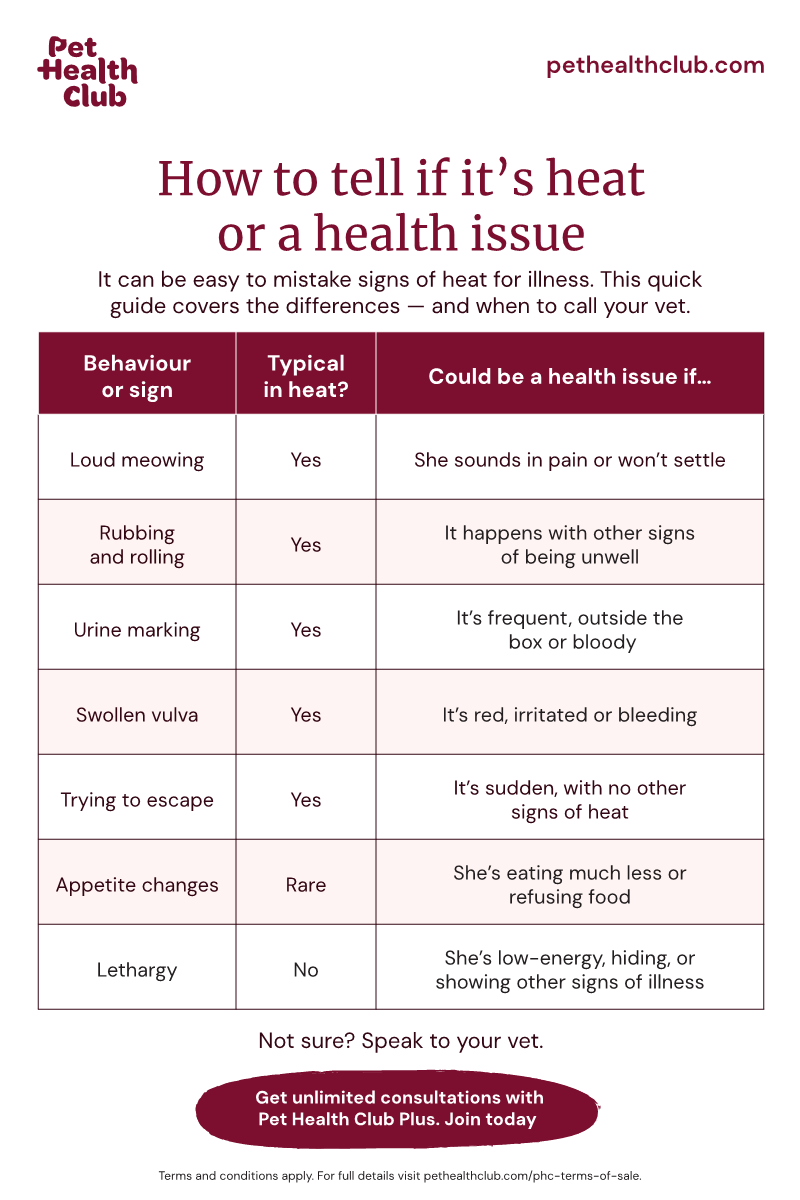
Increased Vocalization
Your cat may meow loudly and often. This noise is to attract male cats nearby. It can sound like yowling or crying. The vocalization usually happens more at night.
Restlessness And Agitation
She might pace around the house more. Sitting still is hard for her. She can seem anxious or nervous without a clear cause.
Affectionate Behavior
Your cat may seek more attention and petting. She might rub against furniture and people often. Rolling on the floor and exposing her belly are common.
Changes In Posture
She may raise her hindquarters when you pet her back. Tail moving to the side is a key sign. This posture helps signal male cats.
Marking Territory
Spraying urine on walls or furniture can happen. The smell is strong and different from normal urine. This marks her territory to attract mates.
Loss Of Appetite
Some cats eat less during heat. The focus on finding a mate can lower hunger. This change is usually temporary.
Managing Your Cat’s Behavior
Managing your cat’s behavior during her heat cycle can be challenging, but there are practical steps you can take to ease the situation for both of you. Understanding her needs and providing appropriate outlets can reduce her restlessness and vocalizations. Your attention and environment play a crucial role in helping her cope.
Providing Distractions
Keeping your cat busy helps divert her attention from the urge to mate. Engage her with interactive toys like feather wands or laser pointers to burn off excess energy.
Try introducing puzzle feeders that challenge her mind and reward her with treats. This can keep her focused and less likely to engage in attention-seeking behaviors.
Consider rotating her toys regularly to maintain interest. Have you noticed how a new toy can instantly capture her focus? Use that to your advantage during this time.
Creating A Calming Environment
Soft music or white noise can soothe your cat and mask outdoor sounds that may trigger her restlessness. Set up a quiet, cozy space with her favorite blankets or a heated bed to encourage relaxation.
Use calming pheromone diffusers designed for cats; they can reduce anxiety and irritability effectively. Placing these near her favorite resting spots might help her feel safer and more comfortable.
Limit access to windows where she might see other cats, which can increase her agitation. Have you tried closing curtains or using frosted window films to reduce outside distractions?
Preventing Unwanted Pregnancy
Preventing unwanted pregnancy is vital when a cat is in heat. Female cats can become pregnant quickly during this time. Keeping your cat safe helps avoid unexpected litters. It also protects her health and well-being. Taking simple steps can make a big difference.
Securing Indoor Spaces
Keep doors and windows closed at all times. Check for small gaps or holes where a cat might escape. Use screens that are sturdy and fit tightly. Create a cozy, quiet area inside for your cat. This space helps her feel safe and calm. Remove items that attract male cats, like food or toys near exits.
Supervised Outdoor Time
Allow outdoor visits only under close watch. Use a harness and leash to control her movement. Avoid letting her roam freely in the yard or neighborhood. Outdoor time helps reduce stress but must be safe. Stay alert for any male cats nearby. Bring her back indoors quickly if you see any.
Comforting Your Cat
Comforting your cat during her heat cycle is essential to help her feel safe and less stressed. Cats in heat often display restless behavior and vocalize more than usual. Your calm presence and thoughtful care can make a big difference in how she handles this phase.
Using Heat Pads
Heat pads can provide soothing relief to your cat when she is in heat. The gentle warmth mimics the comforting sensation of a mother’s body, which can help reduce her anxiety and restlessness.
Make sure to use a heat pad designed for pets or wrap a regular one in a soft towel. Always set it on low heat to avoid burns, and never leave your cat unattended with the pad. You might notice she curls up on it, showing that she finds comfort in the warmth.
Offering Extra Attention
Your cat craves extra attention and affection during this time. Spend more time petting her gently and speaking in a soft voice to reassure her.
Play interactive games that distract her from discomfort, like using feather toys or laser pointers. You could even try brushing her fur, which many cats find relaxing and comforting. Have you noticed how a calm, loving touch can sometimes quiet her loud meows?
Spaying As A Long-term Solution
Spaying your cat is a reliable way to end the heat cycles and avoid the challenges that come with them. It offers a permanent solution that benefits both you and your feline friend. Understanding the benefits and the right timing can help you make the best choice for your cat’s health and happiness.
Benefits Of Spaying
Spaying prevents your cat from going into heat, which means no more yowling, restlessness, or attempts to escape. It also reduces the risk of certain cancers, like ovarian and uterine cancer, improving your cat’s long-term health.
Another key benefit is preventing unwanted litters. You avoid the stress and responsibility of finding homes for kittens. Plus, spaying can reduce behavioral issues linked to heat cycles, such as aggression or marking territory.
Timing And Considerations
Choosing when to spay is important. Many vets recommend spaying before the first heat, often around 5 to 6 months old, to maximize health benefits. But if your cat is already in heat, spaying is still safe with some extra precautions.
Consider your cat’s overall health and age before scheduling surgery. Discuss with your vet about the best time based on your cat’s lifestyle and medical history. Have you thought about how spaying might change your daily routine with your cat?

Credit: www.animaltrust.org.uk
Consulting A Veterinarian
When your cat is in heat, consulting a veterinarian is important. The vet can provide guidance on care and behavior. A professional opinion helps you handle your cat’s needs safely and effectively.
Seeking Professional Advice
A vet can explain what to expect during your cat’s heat cycle. They offer tips on managing behaviors like vocalizing and restlessness. The vet may suggest ways to keep your cat calm and comfortable.
Discussing spaying options is also important. Spaying prevents future heat cycles and health risks. Your vet can help decide the best time for surgery.
Understanding Health Implications
Heat cycles can increase risks of infections and other health issues. A vet checks your cat for any signs of illness. Early detection helps avoid serious problems.
Knowing what is normal and what is not during heat is key. The vet explains symptoms that need urgent care. This knowledge keeps your cat healthy and safe.
Common Myths And Misconceptions
When your cat is in heat, it’s easy to get caught up in myths that can lead to confusion or poor decisions. Understanding what’s true and what’s not can help you care for your cat better during this time. Let’s clear up some common myths and misconceptions that often surround cats in heat.
Myth: Cats In Heat Need To Mate To Stop The Behavior
Many believe that allowing a cat to mate will end her heat cycle. This isn’t true. The heat cycle will continue until it naturally ends or your cat is spayed.
Letting your cat mate just increases the chance of unwanted kittens and doesn’t solve the behavior issues you might be facing. Instead, focus on providing comfort and distraction during this time.
Myth: Cats In Heat Are Always Loud And Difficult
While some cats become vocal and restless, not all cats in heat show extreme signs. Each cat experiences heat differently.
Your cat might just be a bit more affectionate or slightly unsettled rather than loud and difficult. Try observing her behavior closely before assuming the worst.
Myth: Spaying Should Wait Until After The First Heat
Some say you should wait until your cat has had her first heat before spaying. This can increase risks like unwanted pregnancies and certain health issues.
Veterinarians often recommend spaying before the first heat to prevent these problems. Think about the benefits for your cat’s health and your peace of mind.
Myth: You Can Calm A Cat In Heat By Giving Her Medication
Over-the-counter or home remedies are often suggested to calm cats in heat, but many are ineffective or unsafe.
Only a vet can prescribe safe treatments if needed. Otherwise, patience and gentle care are your best tools.
Myth: Indoor Cats Don’t Go Into Heat
Some believe that keeping a cat indoors prevents heat cycles. However, heat is a natural biological process unrelated to outdoor activity.
Your indoor cat will still go through heat cycles unless spayed. Recognizing this helps you prepare and manage her needs better.
Credit: www.pethealthclub.com
Frequently Asked Questions
How Long Does A Cat Stay In Heat?
A cat typically stays in heat for 5 to 10 days. This cycle repeats every two to three weeks until she mates or the season ends. Understanding this helps manage your cat’s behavior and care during this period.
What Behaviors Indicate My Cat Is In Heat?
Signs include loud vocalization, restlessness, rubbing against objects, and frequent licking of the genital area. Your cat may also display affectionate or agitated behavior. Recognizing these helps you provide appropriate comfort and care.
Can I Prevent My Cat From Going Into Heat?
Yes, spaying your cat is the most effective way to prevent heat cycles. It reduces unwanted behaviors and health risks. Consult your vet for the best timing and procedure details for spaying your cat.
How Can I Comfort A Cat In Heat?
Provide a quiet, warm space and gentle petting to soothe your cat. Playing with toys and ensuring fresh water and food also helps. Avoid stressful situations, as your cat may be more sensitive during this time.
Conclusion
Caring for a cat in heat needs patience and gentle care. Keep her calm and safe during this time. Offer extra love and quiet spaces to rest. Remember, spaying helps avoid future heat cycles. Understanding her behavior makes handling easier.
Stay attentive and provide comfort to your pet. Small steps bring peace to both you and your cat.
