

Have you noticed your cat acting differently lately? Maybe they’re scratching more, losing weight, or their tummy looks swollen.
These could be signs your furry friend has worms. But how do you know for sure? Understanding the warning signals can help you act quickly to keep your cat healthy and happy. Keep reading to discover the simple ways to spot if your cat has worms and what you can do to help them feel better.

Credit: www.perfect-fit.co.uk
Recognizing Common Symptoms
Recognizing common symptoms of worms in your cat is crucial for early detection and treatment. Cats often hide their discomfort, making it challenging to spot health issues quickly. Paying close attention to subtle changes can help you catch a worm infestation before it worsens.
Changes In Appetite
You might notice your cat either eating much more or much less than usual. A sudden increase in appetite can mean worms are stealing nutrients, leaving your cat constantly hungry. On the other hand, a loss of interest in food may indicate digestive discomfort caused by the parasites.
Have you ever seen your cat turn away from its favorite meal? That could be a silent sign worth investigating further.
Weight Loss Concerns
Weight loss without a clear cause is a red flag. Even if your cat seems to eat normally, worms can prevent proper nutrient absorption, leading to gradual or sudden weight decline. This is especially worrying in kittens or older cats, whose health can quickly deteriorate.
Tracking your cat’s weight regularly can reveal problems before they become severe. Small, consistent drops are just as important as sudden losses.
Visible Worms In Feces
Sometimes, worms or worm segments appear in your cat’s stool or around its anus. These look like tiny white rice grains or spaghetti strands. Spotting them can be alarming but gives you clear evidence of infestation.
Have you checked your cat’s litter box closely lately? Finding these signs early means you can seek treatment without delay and protect your cat’s health effectively.
Behavioral Changes In Cats
Noticing behavioral changes in your cat can be one of the first clues that something isn’t right. Cats are usually creatures of habit, so any sudden shift in how they act can signal health issues like worms. Paying close attention to these changes helps you catch the problem early and get your feline friend the care they need.
Increased Scratching And Grooming
If your cat starts scratching more than usual, it might be trying to relieve irritation caused by worms. You might also see them grooming obsessively, especially around the tail and belly. This behavior often indicates discomfort or itching that you shouldn’t ignore.
I once noticed my cat suddenly spending hours licking herself. At first, I thought she was just being neat, but the constant scratching and grooming led me to visit the vet. That visit revealed a worm infection that was making her skin itchy and uncomfortable.
Changes In Playfulness And Activity
Worm infections can sap your cat’s energy, making them less playful or more withdrawn. If your usually active cat starts hiding or seems tired all the time, worms might be the cause. These changes can be subtle but noticeable if you watch your cat’s normal behavior closely.
Have you seen your cat lose interest in favorite toys or stop jumping on furniture? These shifts could mean your cat is feeling unwell. Keep an eye on how often they engage in play and physical activity—any drop might be a sign of worms or other health issues.
Observing Physical Signs
Observing physical signs is a key step in spotting worm infections in cats. These signs often show up in your cat’s body and behavior. Careful observation can help catch problems early. This allows for quick treatment and better health.
Bloated Or Distended Abdomen
A swollen belly can signal worms in your cat’s stomach. The abdomen may look larger than usual. This bloating is often soft and rounded. It can make your cat seem uncomfortable or restless. Watch for your cat sitting oddly or avoiding touch near the belly. This sign is common in kittens but can affect older cats too.
Dull Coat Appearance
A healthy cat’s fur is shiny and smooth. Worms can cause a dull, rough coat. You might notice patches of hair loss or thinning. The cat may scratch more often or groom less. These changes happen because worms take nutrients from the cat’s body. A poor coat is a clear sign that your cat may need a vet check-up.

Credit: www.outdoorbengal.com
Types Of Worms In Cats
Understanding the types of worms that can infect your cat is key to spotting the problem early. Different worms cause different symptoms, and knowing their specific traits helps you recognize signs you might otherwise miss. Let’s break down the most common worms that affect cats and what you should look out for.
Roundworms
Roundworms are the most common intestinal parasites in cats. They look like spaghetti noodles and can grow several inches long inside your cat’s intestines.
These worms can cause your cat to have a pot-bellied appearance, diarrhea, or even vomiting. Have you noticed your cat scooting on the floor or losing weight despite a good appetite? These could be signs of roundworms.
Tapeworms
Tapeworms are flat, segmented worms that attach to your cat’s intestines. You might see tiny rice-like segments around your cat’s anus or in their stool.
They usually cause itching and irritation near the tail. If your cat is licking or biting that area excessively, or if you spot moving segments, tapeworms could be the culprit.
Hookworms
Hookworms are small but dangerous parasites that latch onto the intestinal wall and feed on your cat’s blood. They can cause anemia, weakness, and bloody diarrhea.
Because these symptoms are serious, it’s important to recognize them quickly. If your cat seems unusually tired or pale, a hookworm infection might be the cause.
Diagnosing Worms In Cats
Diagnosing worms in cats requires more than just spotting symptoms. Many cats hide their discomfort well, making it tricky for you to know if worms are the cause. That’s why a thorough and precise approach is essential to confirm the presence of worms and decide on the right treatment.
Veterinary Examination
A vet’s examination is the most reliable way to determine if your cat has worms. During the visit, the vet will check your cat’s overall health, looking closely at the coat, eyes, and abdomen for signs of infestation. They may also ask about your cat’s behavior and any changes you’ve noticed, like weight loss or vomiting.
Sometimes, the vet might perform a physical check for worms visible around the anus or in the fur. This hands-on approach helps catch issues early before they worsen. Have you noticed your cat scooting or licking their rear more than usual? That’s a detail worth sharing with your vet.
Fecal Testing Procedures
Fecal testing is a key tool vets use to diagnose worms. It involves analyzing a small stool sample under a microscope to spot worm eggs or larvae. This test is highly accurate and helps identify the specific type of worm your cat may have.
You can collect the sample at home, but it’s important to keep it fresh and deliver it promptly to the vet. The results guide the vet in prescribing the right deworming medication. Without this test, treatment might be less effective or unnecessary.
Do you know how often your cat’s fecal health should be checked? Regular testing can catch worms early, protecting your cat and your household.

Credit: www.reddit.com
Preventive Measures
Preventing worms in cats is easier than treating them. Taking simple steps keeps your cat healthy and happy. Regular care stops worm infections before they start. These measures protect your cat and your home environment.
Regular Deworming Schedule
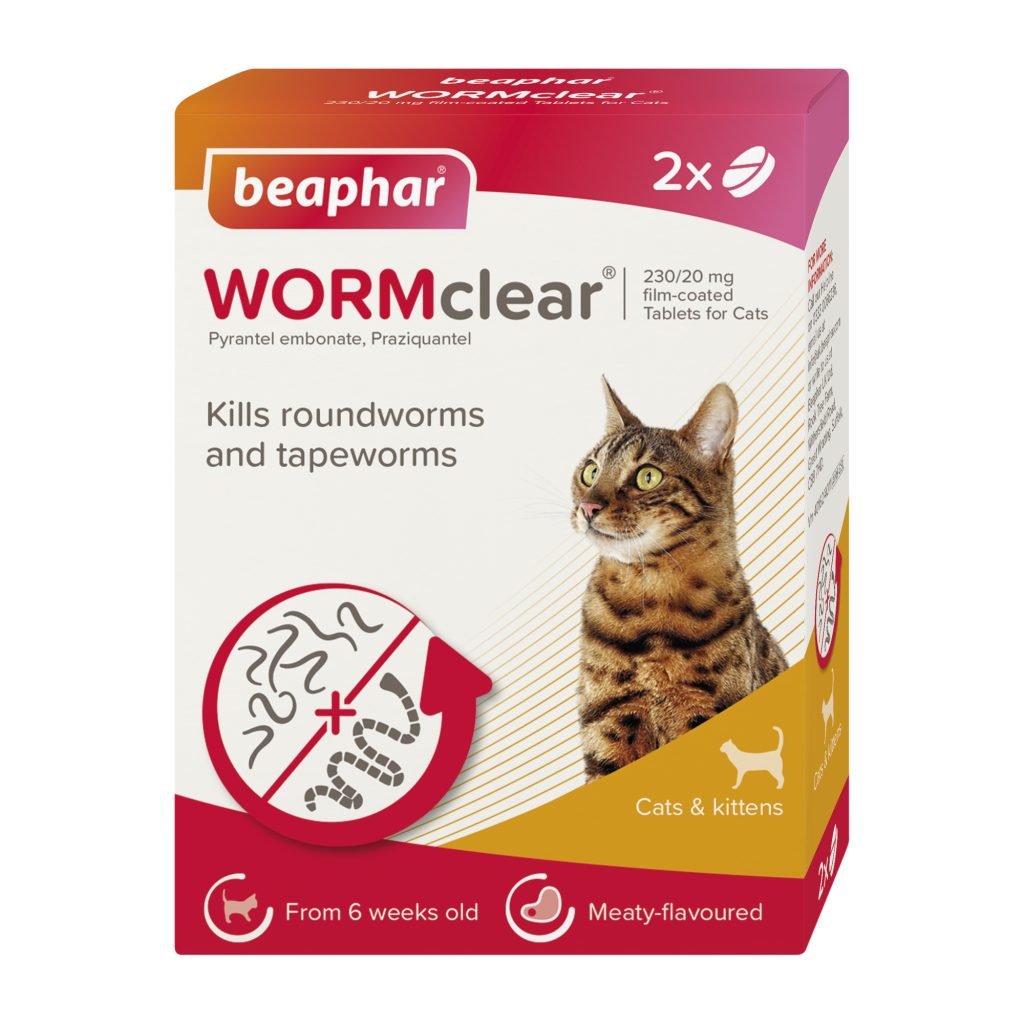
Deworming your cat regularly removes parasites early. Most vets recommend deworming every three months. Kittens need more frequent treatments than adult cats. Follow your vet’s advice on the best schedule. Use safe, vet-approved deworming medicines only. Keep a calendar to track each treatment date.
Maintaining Hygiene And Cleanliness
Clean living spaces reduce worm risks greatly. Wash your cat’s bedding and toys often. Dispose of cat litter daily to avoid parasite buildup. Clean food and water bowls every day. Avoid letting your cat hunt or eat raw meat. Regularly vacuum floors and furniture to remove eggs. Good hygiene protects both your cat and family.
Treatment Options
Treating worms in cats is essential to keep them healthy and comfortable. There are several ways to remove worms, each suited to different situations. Choosing the right treatment depends on the type of worm and your cat’s condition. Both prescription medicines and natural remedies can help.
Prescription Medications
Prescription medicines are the most common and effective way to treat worms in cats. These medicines work quickly and target specific types of worms. They come in different forms like pills, liquids, or injections. A veterinarian will diagnose the worm type and suggest the correct medicine.
- Fast-acting and reliable
- Targets specific worms such as roundworms or tapeworms
- Often require a follow-up dose
- Safe when used as directed by a vet
It is important to complete the full treatment course. This ensures all worms are eliminated and prevents reinfection.
Natural Remedies And Home Treatments
Natural remedies can support worm treatment or help prevent infections. Some home treatments may reduce worm numbers but usually are not enough alone. Always consult a vet before trying natural options.
- Pumpkin seeds may help expel worms
- Carrots and apple cider vinegar support digestion
- Good hygiene reduces reinfection risk
- Regular cleaning of litter boxes and bedding
Natural treatments work best alongside veterinary care. They improve your cat’s overall health and comfort.
Frequently Asked Questions
How Can I Tell If My Cat Has Worms?
Look for signs like weight loss, vomiting, diarrhea, and a bloated belly. Visible worms in stool or around the anus are also common indicators. Regular vet check-ups help confirm the diagnosis.
What Are Common Symptoms Of Worms In Cats?
Common symptoms include itching around the rear, diarrhea, vomiting, weight loss, and a dull coat. Some cats may also show a swollen abdomen or lethargy. Early detection improves treatment success.
Can Worms In Cats Affect Humans?
Yes, some cat worms can transmit to humans, especially children. Proper hygiene and regular deworming prevent zoonotic infections. Always wash hands after handling cats or cleaning litter boxes.
How Often Should I Deworm My Cat?
Cats should be dewormed every 3 to 6 months, depending on their lifestyle and vet advice. Regular deworming controls parasite spread and keeps your cat healthy.
Conclusion
Cats with worms show signs you should not ignore. Watch for changes in appetite, weight, or behavior. Check their stool for unusual spots or worms. Regular vet visits help catch worms early. Treating worms quickly keeps your cat healthy. Clean your cat’s living area often.
A healthy cat is a happy cat. Stay alert and care for your pet well. Small efforts make a big difference in your cat’s life.
