


Have you ever watched a cat flick its tail and wondered what it really means? Unlike dogs, cats don’t wag their tails to show happiness—but their tail movements are just as important.
If you want to understand what your cat is trying to tell you, learning how to read their tail signals is a game-changer. Keep reading, and you’ll discover the surprising reasons behind your cat’s tail flicks and how to better connect with your furry friend.
Tail Movements And Their Meanings
Cats use their tails to show feelings and thoughts. Tail movements tell a lot about a cat’s mood. Understanding these signals helps build a better bond. Tail language is subtle but clear once you know what to watch for.
Each tail position or movement means something different. Watching a cat’s tail can reveal if it feels happy, scared, or curious. Let’s explore common tail movements and their meanings.
Tail Held High
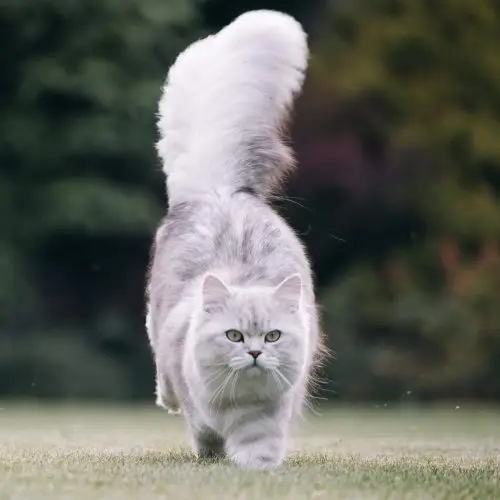
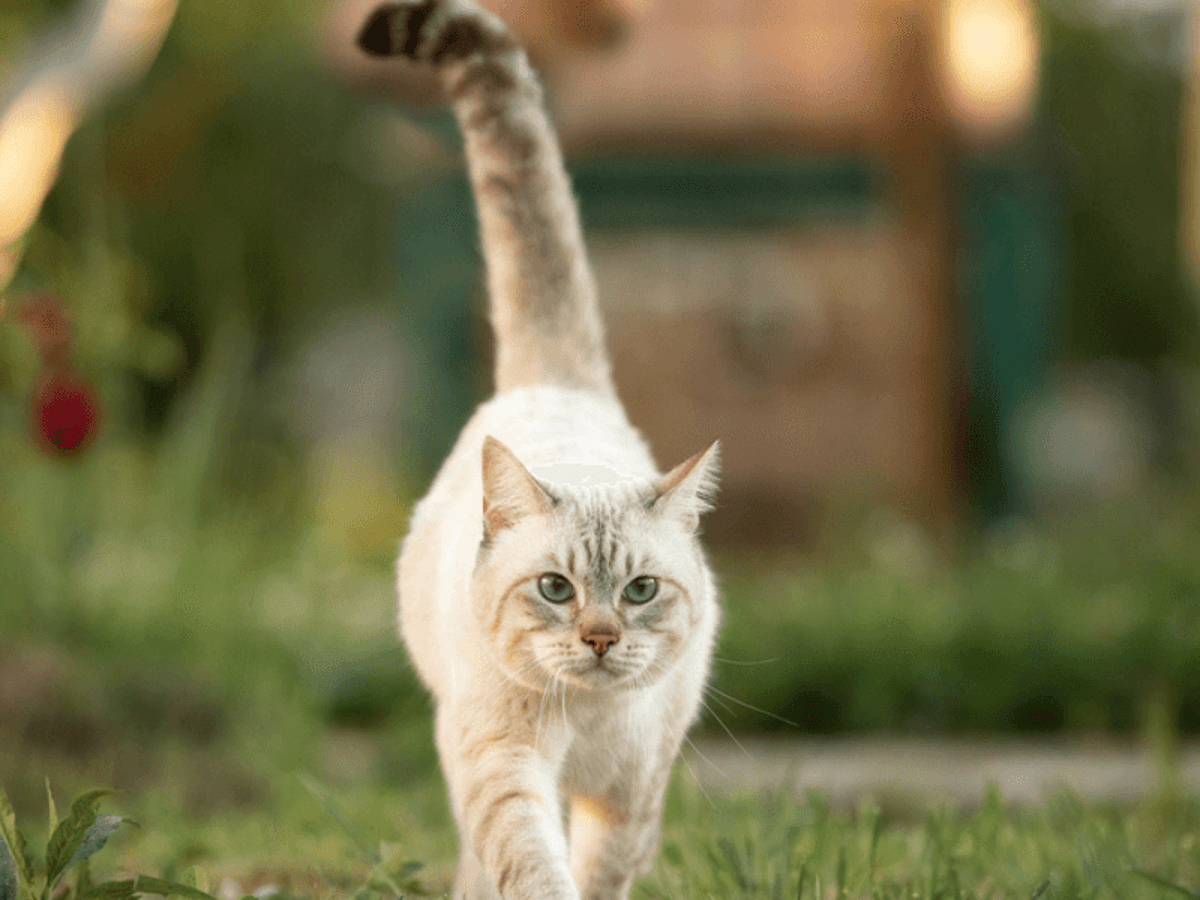
A tail standing straight up shows a cat is confident. It means the cat feels safe and happy. Sometimes, the tail tip may twitch slightly, signaling excitement.
Slow Tail Wagging
Slow wagging usually means the cat is focused. It might be watching something closely or thinking. This movement is calm and not a sign of anger.
Fast Tail Flicks
Quick tail flicks indicate irritation or annoyance. The cat might want to be left alone. This movement warns others to keep their distance.
Tail Wrapped Around Body
When a cat wraps its tail around itself, it feels safe and relaxed. This position shows comfort and contentment.
Tail Puffing Up
A puffed-up tail means fear or surprise. The cat is trying to look bigger to scare off threats. This is a strong sign of distress.
Tail Low Or Tucked
A low or tucked tail signals anxiety or submission. The cat feels insecure or scared. It may be trying to avoid trouble.
Comparing Cats And Dogs Tail Wagging
Tail wagging is a common way dogs express their feelings. Cats wag their tails too, but their reasons differ. Comparing these behaviors helps us understand pets better. Both animals use tail movement to communicate, but the meanings vary a lot.
How Dogs Wag Their Tails
Dogs wag tails mostly to show happiness or excitement. A fast, wide wag often means friendliness. Dogs also wag to greet people or other dogs. Sometimes, a slow wag can mean caution or insecurity. The tail’s position matters too. High wagging tails often show confidence or alertness.
How Cats Wag Their Tails
Cats use tail wagging differently from dogs. A cat’s tail flick can mean irritation or focus. Slow, gentle tail movements may show contentment. Rapid tail flicking often signals annoyance or frustration. Cats do not usually wag tails to show happiness like dogs. Their tail signals are more subtle and complex.
Key Differences Between Cat And Dog Tail Wagging
- Dogs wag tails mostly to show positive feelings.
- Cats wag tails to express mixed emotions, not just happiness.
- Dog tail wagging is often wide and obvious.
- Cat tail movements are usually small and quick flicks.
- Dogs use tail wagging for social greeting.
- Cats use tail signals to communicate mood and focus.
Common Reasons For Tail Wagging
Cats use their tails to express many feelings and thoughts. Tail wagging is one way cats communicate. Understanding why cats wag their tails helps you know their mood better.
Tail movements vary with different emotions. Sometimes, a wag means excitement. Other times, it shows irritation or curiosity. Observing the context is key to understanding each tail wag.
Excitement And Playfulness
A cat wags its tail lightly when excited or playful. The tip may twitch or flick quickly. This movement shows eagerness and readiness to interact. You might see this when your cat chases a toy or greets you.
Irritation And Annoyance
A slow, heavy tail wag often signals irritation. The tail may thump against the floor. This shows the cat is annoyed or stressed. It warns others to back off or stop bothering them.
Curiosity And Focus
When a cat spots something new, its tail may twitch gently. This shows curiosity and focus. The tail movement helps the cat stay alert while observing its surroundings. It often happens during hunting or exploring.
Credit: bowwowinsurance.com.au
Tail Language In Different Breeds
Cats use their tails to show feelings. Different breeds show tail signals in unique ways. Watching tail movements helps understand a cat’s mood. Some breeds have fluffy tails, others have thin or short tails.
Tail language varies with breed traits. Some cats wag tails like dogs, but meanings differ. Recognizing these signals helps owners connect better with their pets.
Tail Movements In Siamese Cats
Siamese cats often hold their tails high when happy. A slight wag means curiosity or interest. Quick tail flicks may signal irritation or warning.
Persian Cats And Their Tail Signals
Persians have bushy tails that move slowly. Gentle sways show calmness. Rapid tail movement is rare and may indicate stress.
Maine Coon Tail Behavior
Maine Coons have large, fluffy tails. They use wide tail waves to show excitement. A twitch at the tail tip can mean alertness.
Bengal Cats And Tail Communication
Bengals wag their tails with sharp, fast movements. Tail flicks often mean hunting mode or playfulness. Slow tail movements show relaxation.
Scottish Fold Tail Expressions
Scottish Folds use their medium-length tails to express feelings subtly. A tail held straight up means confidence. Small tail twitches hint at mild annoyance.
Understanding Body Language
Understanding a cat’s body language helps reveal what they feel. Cats use more than just their tails to show emotions. Their ears, eyes, and sounds also speak volumes. Observing these signs makes it easier to know if a cat is happy, scared, or annoyed.
Interpreting Ears And Eyes
Cat ears move a lot to show mood. Ears pointed forward mean curiosity or interest. Ears flattened back signal fear or anger. Watch how quickly ears twitch to spot alertness.
Eyes also tell stories. Wide eyes with large pupils often mean excitement or fear. Slow blinking shows trust and relaxation. Narrow, focused eyes could mean a cat is feeling cautious or annoyed.
The Role Of Vocalizations
Cats use sounds to communicate feelings clearly. Purring usually means contentment but can also signal pain. Hissing and growling warn to stay away. Meowing varies by tone and length. Short meows greet, while long meows ask for attention.
Listening closely helps decode what a cat wants. Each sound matches a mood or need. Understanding these vocal cues improves your bond with your cat.
Credit: wamiz.co.uk
Tail Health And Care
Your cat’s tail is more than just a fluffy accessory; it plays a vital role in their balance and communication. Taking care of your cat’s tail health is essential to keep them comfortable and active. Neglecting tail injuries or infections can lead to serious complications, so regular checks and care are necessary.
Signs Of A Healthy Tail
A healthy tail should be smooth, flexible, and free from lumps or wounds. You might notice your cat wagging or flicking its tail, which usually signals their mood. If you see swelling, redness, or your cat constantly biting or licking their tail, these are red flags that need attention.
Common Tail Injuries And How To Prevent Them
Cats can hurt their tails by getting them caught in doors or getting into fights with other animals. You can prevent injuries by keeping your home safe, such as closing doors gently and supervising outdoor time. If your cat is very active or adventurous, trimming the hair around the tail base can reduce the risk of dirt and infections.
Cleaning And Grooming Tips
Regular grooming helps keep your cat’s tail clean and reduces hairballs. Use a soft brush to gently remove loose fur and dirt. If your cat has a long tail, watch for mats or tangles and carefully detangle them without pulling.
When To See A Vet
If your cat’s tail shows signs of pain, unusual stiffness, or loss of movement, it’s time to visit the vet. Infections or fractures need professional treatment to avoid long-term damage. Don’t ignore sudden changes in tail behavior—they can be your cat’s way of telling you something is wrong.
Myths About Cat Tail Wagging
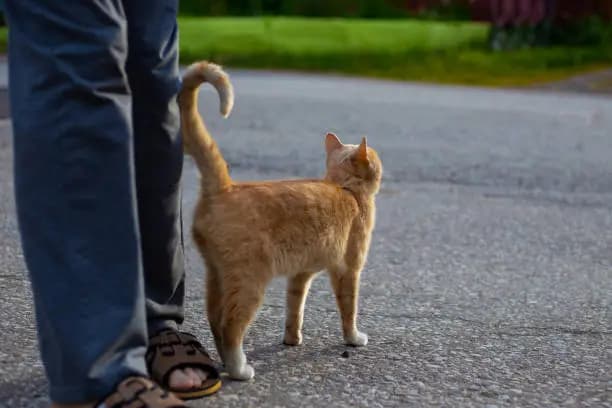
Many people think cats wag their tails like dogs do. This idea is popular in movies and cartoons. It makes people believe cats show happiness by wagging their tails back and forth. The truth is different. Cat tail movements mean much more than just joy.
Understanding cat tail signals helps avoid confusion. Cats use their tails to express feelings, but not like dogs. Some tail wagging myths can lead to wrong ideas about a cat’s mood.
Cats Wag Tails Only When HappyCats rarely wag tails just because they feel happy. Tail movements can mean many emotions, like irritation or alertness. A slow tail wag can show curiosity or mild annoyance. Quick flicks often signal frustration.
Tail Wagging Means PlaytimePeople think a wagging tail means a cat wants to play. Sometimes yes, but often no. A tail twitch might mean a cat is focused or hunting. Watching the whole body language is key to know what the cat wants.
Cat Tails Wag Like Dogs’ TailsDog tail wagging is broad and friendly. Cat tail wagging is subtle and complex. Cats move tails slowly or flick tips, not wide wagging. Each small movement has a different meaning.
Tail Wagging Is Always a Sign of MoodNot every tail movement shows emotion. Sometimes cats wag tails just to balance. Tail twitching can happen during rest or while thinking. It’s not always about feelings.
Credit: www.cheetahpets.com
Frequently Asked Questions
Do Cats Wag Their Tails Like Dogs?
Cats do wag their tails, but not like dogs. Their tail movements express different emotions, such as irritation or curiosity.
What Does A Twitching Cat Tail Mean?
A twitching tail usually indicates mild irritation or concentration. Cats often twitch their tails when focused or slightly annoyed.
Can Tail Wagging Show A Cat’s Happiness?
Tail wagging in cats does not usually indicate happiness. Instead, a slow, gentle tail sway may show contentment.
Why Do Cats Flick Their Tails Rapidly?
Rapid tail flicking often signals agitation or excitement. It’s a clear sign the cat is alert or annoyed.
Conclusion
Cats do wag their tails, but not like dogs do. Their tail movements show feelings and moods. A twitch or flick can mean curiosity or irritation. Slow sways often show calm or contentment. Watching your cat’s tail helps you understand them better.
Tail signals add to their rich body language. Next time you see your cat wag, remember it speaks a different language. Paying attention builds a closer bond with your furry friend. Tail wagging is just one way cats share their thoughts.
