

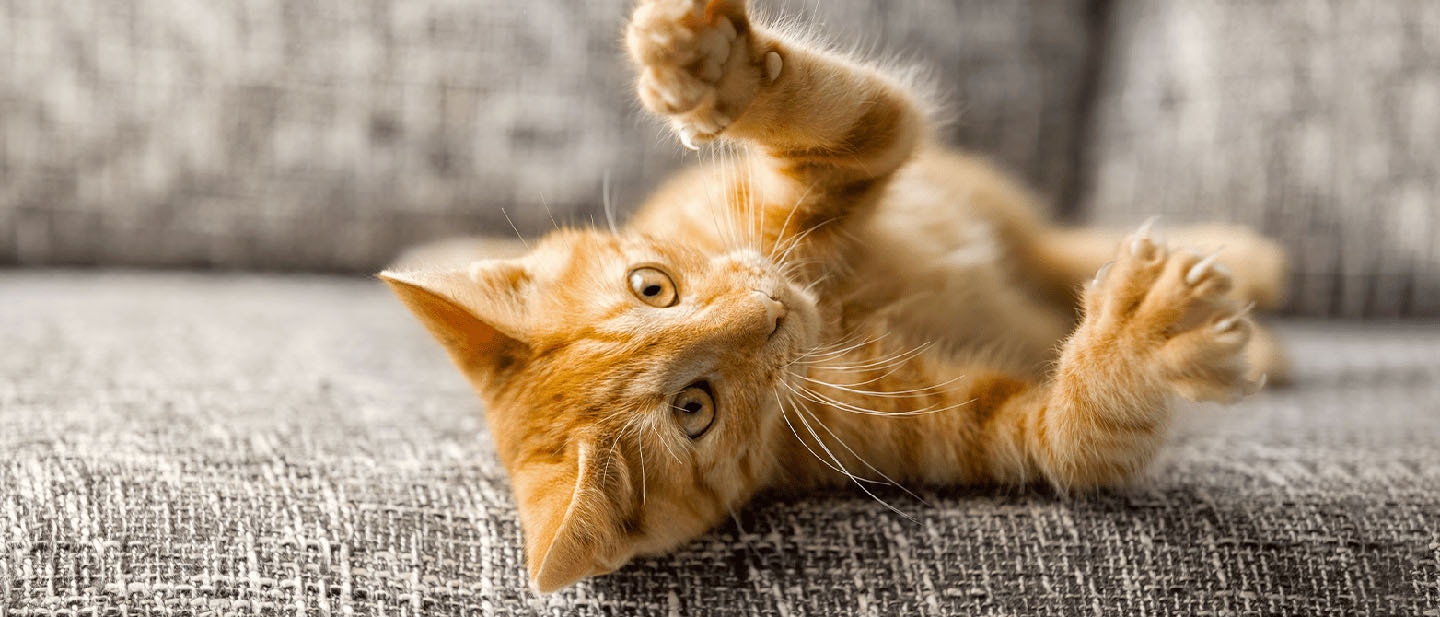
Have you ever wondered why your cat’s claws are so important? Those tiny, sharp claws aren’t just for scratching furniture—they serve many vital purposes that keep your feline friend happy and healthy.
Understanding why cats need their claws can change the way you care for them and deepen the bond you share. Keep reading to discover the surprising reasons behind your cat’s claws and why trimming or removing them should never be taken lightly.
This knowledge will help you make the best choices for your pet’s well-being.
Credit: www.whiskas.com.ph
Natural Defense Mechanism
Claws are more than just tools for scratching or climbing; they serve as a cat’s primary natural defense mechanism. Without their claws, cats would be vulnerable to threats in their environment. Understanding why claws are vital helps you appreciate your cat’s behavior and the instincts behind it.
Physical Protection Against Predators
Claws act like a built-in weapon system. When a cat feels threatened, it uses its sharp claws to fend off attackers. This instinctive defense helps them survive in the wild, even if your indoor cat rarely faces danger.
If your cat ever comes home with a scratch or bite, it’s likely because it was defending itself. Have you noticed how quickly cats extend their claws when startled? That quick reaction is their survival skill in action.
Territory Defense And Communication
Claws also help cats mark their territory. When they scratch, they leave both a visual mark and scent from glands in their paws. This warns other animals to stay away without the need for a physical fight.
You might see your cat scratching furniture or posts—not just to sharpen claws, but to communicate. This behavior is rooted in their natural defense strategy to avoid unnecessary confrontations.
Self-defense During Fights
In a confrontation, a cat’s claws are its first line of offense and defense. They provide grip to hold onto opponents and the ability to deliver painful scratches. This can stop threats quickly and effectively.
Have you ever watched cats in a playful tussle and noticed how their claws come out? Even in play, their claws prepare them for real self-defense. This instinct remains strong regardless of your cat’s personality.
Hunting And Feeding
Cats rely heavily on their claws for hunting and feeding. These sharp tools are essential for catching prey, holding it firmly, and tearing it apart. Without claws, cats would struggle to secure food and survive in the wild.
How Claws Help Cats Catch Prey
Cats use their claws to grab and hold slippery or fast-moving prey like mice or birds. The retractable nature of their claws means they stay sharp and ready for action when hunting. Have you ever noticed your cat’s sudden pounce? That lightning-fast grip depends on those sharp claws.
The Role Of Claws In Holding And Killing
Once a cat catches its prey, its claws lock the animal in place. This grip prevents the prey from escaping while the cat delivers a precise bite to kill. Without strong, sharp claws, cats would lose their advantage in this critical moment.
Using Claws To Tear Food
After the hunt, cats use their claws to tear apart meat, making it easier to eat. Their claws act like built-in knives, helping break down tough skin or flesh. Have you ever seen a cat struggle with a large piece of food? Claws make feeding smoother and more efficient.
What Happens If Cats Lose Their Claws?
- Difficulty catching and holding prey
- Increased risk of injury during hunts
- Challenges in tearing food into manageable pieces
Without claws, cats lose essential tools for survival and feeding. This is why maintaining healthy claws is crucial for your pet’s well-being.
Climbing And Exploration
Cats use their claws for more than just scratching furniture—they are essential tools for climbing and exploring their surroundings. These sharp, retractable claws give your feline friend the grip and balance needed to navigate vertical spaces and investigate new environments safely.
Claws Provide Grip For Climbing
Climbing is a natural behavior in cats, whether they are chasing prey or finding a cozy perch. Their claws dig into surfaces like tree bark or carpet, preventing slips and falls.
Without claws, your cat would struggle to climb even low furniture, limiting their ability to explore and satisfy their curiosity.
Exploration Enhances Mental And Physical Health
Exploration keeps your cat mentally sharp and physically active. Claws make it possible for them to investigate high shelves, narrow ledges, or outdoor spaces safely.
Have you noticed how your cat’s eyes light up when they reach a new vantage point? That sense of discovery is partly thanks to their claws.
How Claws Help In Self-defense During Exploration
Exploring unfamiliar territories can come with risks. Claws serve as a cat’s first line of defense if they encounter danger while climbing or roaming.
Think about how your cat might react if startled up a tree—their claws allow quick, secure escapes and protection.
Territorial Marking
Territorial marking is a key reason why cats need their claws. Cats use their claws to leave physical and scent marks that communicate ownership of a space to other cats. This behavior helps reduce conflicts and keeps their environment secure.
How Claws Help Cats Mark Territory
Cats scratch surfaces with their claws, creating visible marks. These scratches act like signs saying, “This area belongs to me.”
Along with the scratches, scent glands in their paws release unique smells. This scent marking is invisible to humans but very clear to other cats.
The Role Of Scratching Posts And Furniture
Providing your cat with scratching posts lets them mark territory without damaging your furniture. It satisfies their natural urge to scratch and keeps your home intact.
Have you noticed your cat preferring certain posts or corners? That’s where they feel safest and want others to know it.
Behavioral Benefits Of Territorial Marking
Territorial marking with claws helps cats feel calm and confident. It lowers stress by establishing clear boundaries.
If a cat’s ability to mark territory is blocked, they may become anxious or destructive. Letting your cat scratch is essential for their mental health.
Balance And Mobility
Cats rely on their claws for perfect balance and smooth movement. Claws help them grip surfaces, making climbing and jumping easier. Without claws, cats would struggle to stay steady on narrow or slippery places.
Claws also allow cats to change direction quickly. This helps when they chase prey or play. Their sharp claws dig into the ground, giving extra traction and control.
Claws Provide Traction For Climbing
Claws act like tiny hooks on tree bark and other rough surfaces. They prevent slipping and help cats pull themselves up high places. This ability keeps cats safe and lets them explore their surroundings.
Claws Aid In Precise Jumping
Jumping needs strong grip and balance. Cats use their claws to push off the ground and land softly. The claws help absorb shock and keep them steady after a jump.
Claws Help With Quick Turns
Fast turns require good footing. Cats dig their claws into the ground to stop or change direction quickly. This skill is important for hunting or escaping danger.

Credit: justcatsclinic.com
Social Interaction
Social interaction is a big part of a cat’s life, and their claws play a surprising role in how they communicate and connect with others. Cats don’t just use their claws for hunting or climbing; they also use them to express feelings and establish relationships. Understanding this can help you see your cat’s behavior from a new perspective.
Claws As A Communication Tool
Cats often use their claws to send signals during play or social bonding. A gentle swipe or light scratch can show affection or invite interaction without causing harm.
Have you noticed your cat tapping you with their paws? They sometimes extend claws slightly to get your attention or to play. This subtle use of claws helps them communicate in a way that words cannot.
Marking Territory And Social Boundaries
When cats scratch surfaces, they leave both a visual mark and scent from glands in their paws. This marks territory and sets social boundaries with other cats.
This behavior isn’t aggressive; it’s a quiet way for cats to say “this space belongs to me.” Your cat’s claws are tools for social order in their environment.
Claws In Play And Social Learning
Play fights between cats often involve claws, but usually in a controlled way. This helps them learn limits and social cues.
Watching cats play with claws gives insight into how they build trust and understand each other’s signals. It’s a natural part of their social development.
Health And Maintenance
Cats need their claws for health and maintenance. Claws help keep their paws strong and flexible. They also play a key role in a cat’s grooming habits. Proper claw care supports overall well-being.
Natural Claw Shedding
Cats shed the outer layer of their claws regularly. This natural process keeps claws sharp and clean. Shedding removes old, worn parts of the claw. It prevents buildup that can cause pain or infection.
Scratching For Claw Care
Scratching helps cats maintain healthy claws. It removes dead claw layers and sharpens the tips. Scratching also strengthens the paw muscles. Cats use furniture, trees, or scratching posts for this purpose.
Preventing Claw Problems
Proper claw care reduces the risk of issues. Overgrown claws can curl and cause injury. Dirt and debris trapped under claws can lead to infections. Regular trimming and scratching keep claws in good shape.
Common Misconceptions
Many cat owners often misunderstand why cats need their claws. These misconceptions can lead to decisions that may harm your pet or reduce their quality of life. Understanding the truth about cat claws helps you care for your furry friend better and keeps them happy and healthy.
Claws Are Just For Scratching Furniture
It’s easy to think cats use their claws only to scratch your couch or carpet. But claws serve many important functions beyond marking territory or sharpening. Cats rely on their claws for climbing, hunting, and even self-defense.
Think about how your cat quickly climbs up a tree or a tall shelf. Without claws, this natural ability would be nearly impossible.
Declawing Is A Harmless Convenience
Some people believe declawing cats is a simple, pain-free way to protect their belongings. However, declawing is a serious surgery that removes part of the cat’s toes. This can lead to long-term pain, balance problems, and behavioral changes.
Your cat’s claws are part of their anatomy, much like your fingernails. Removing them can negatively impact their mobility and mental well-being.
Cats Don’t Need Claws Indoors
If your cat never goes outside, you might think claws are unnecessary. But even indoor cats use their claws to stretch muscles, mark territory, and express emotions. Claws also help them play and interact with their environment.
Have you noticed your cat scratching posts or toys? That’s their natural instinct at work, and it’s healthy for them.
Trimming Claws Is Cruel
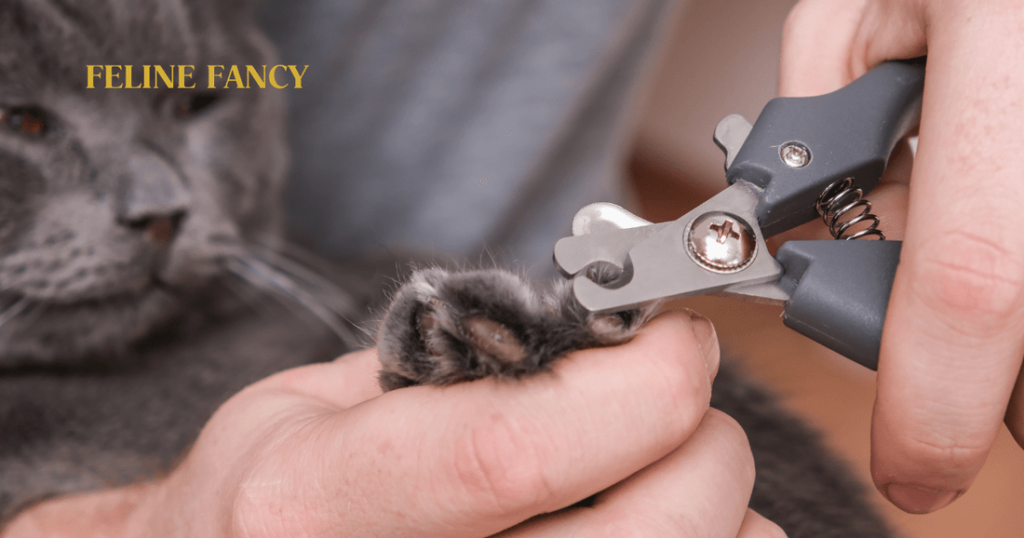
Some owners worry that trimming claws hurts cats. In reality, regular trimming prevents overgrowth and reduces the chance of painful nail breaks. It also helps protect your furniture without damaging your cat’s natural tools.
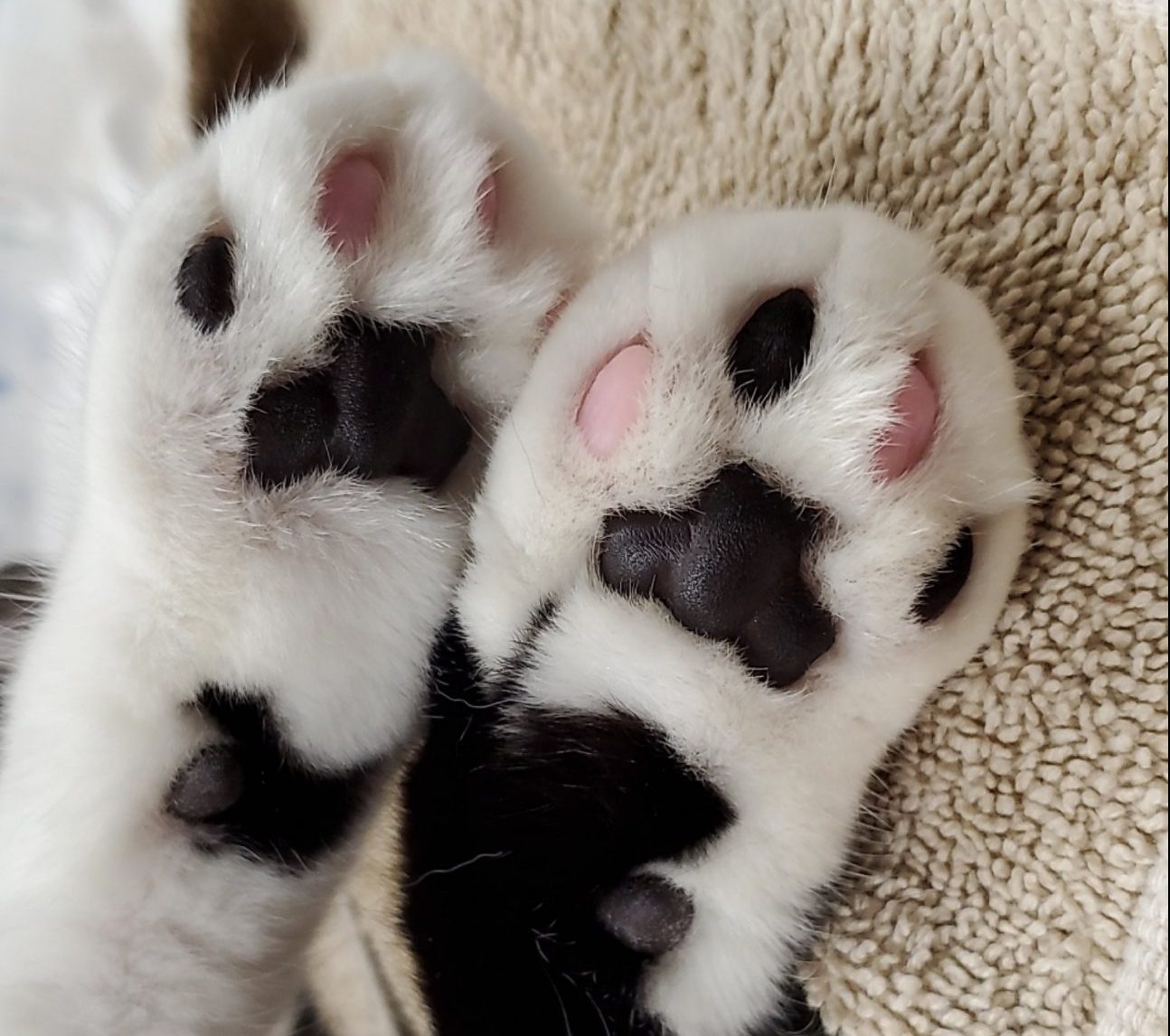
Proper trimming is like a manicure—it keeps claws healthy and manageable. Just be sure to avoid the quick, the sensitive pink part inside the nail.
Credit: justcatsclinic.com
Frequently Asked Questions
Why Are Cat Claws Important For Hunting?
Cat claws help cats catch and hold prey securely. They provide grip and sharpness needed for hunting. Claws also aid in climbing and quick movements during a chase.
How Do Claws Help Cats Climb Trees?
Cats use their claws to grip tree bark firmly. This allows them to climb up or descend safely. Claws prevent slipping and give stability on vertical surfaces.
Can Cats Retract Their Claws? Why?
Yes, cats retract their claws to keep them sharp. Retracting claws protects them from wear when not needed. It also helps cats move quietly.
Do Cats Use Claws For Self-defense?
Cats use claws to defend against predators or threats. Sharp claws can cause injury and deter attackers. Claws are crucial for a cat’s survival instincts.
Conclusion
Cats rely on their claws for many daily tasks. Claws help them climb, hunt, and protect themselves. They also use claws to mark their space and stretch their muscles. Taking care of a cat’s claws keeps them healthy and happy.
Understanding why cats need claws helps us respect their nature. Claws are more than just sharp tools—they are part of what makes cats unique. Treat your cat gently and let their claws do their job. Simple care goes a long way in keeping cats safe and comfortable.
