

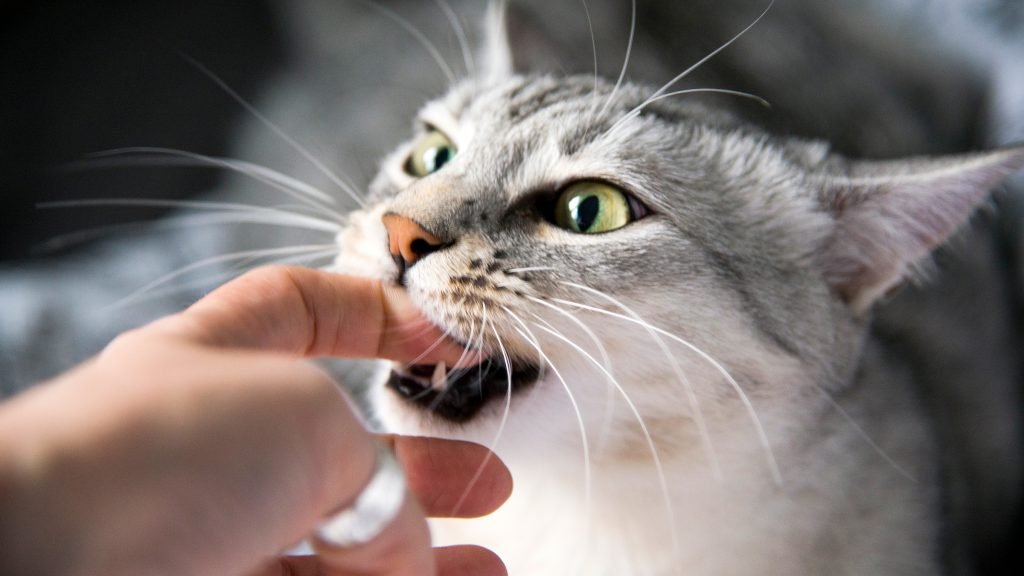
Have you ever felt that sharp nip from your cat and wondered, “Why did my furry friend just bite me?” You’re not alone. Cats don’t bite just to be mean—they have reasons that might surprise you.
Understanding why your cat bites can help you build a stronger, happier bond with them. Keep reading, and you’ll discover the secrets behind those little bites and how to respond the right way. Your cat’s behavior is trying to tell you something important—are you ready to listen?
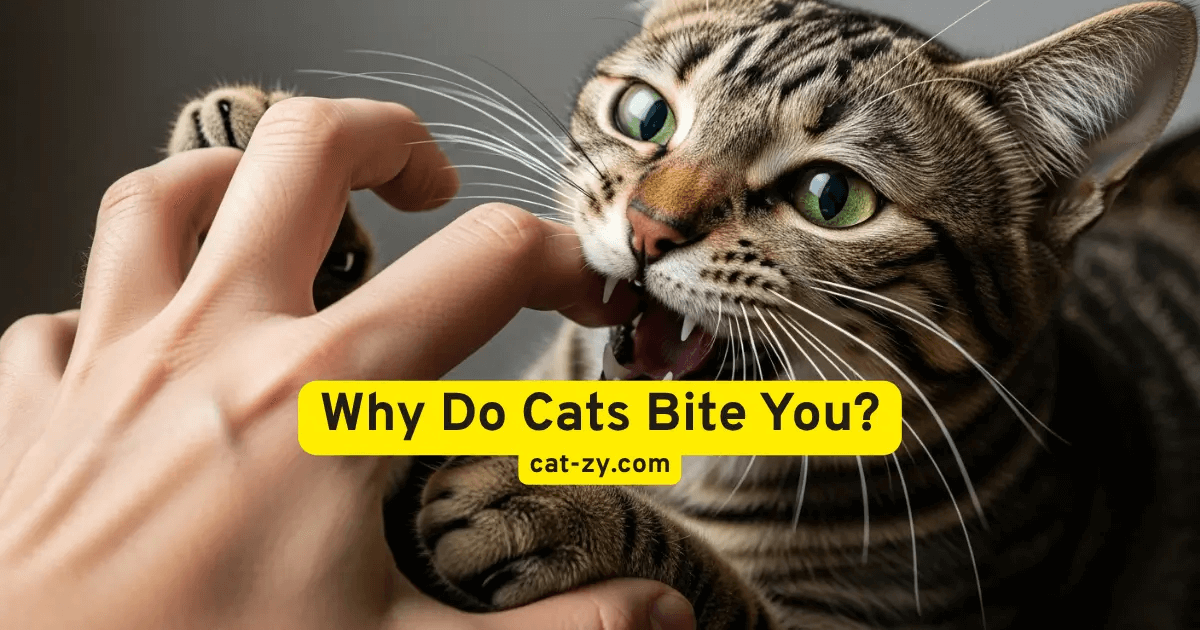
Credit: medium.com
Common Triggers For Cat Biting
Cats bite for many reasons. Understanding what triggers their biting helps prevent it. Cats use bites to communicate. They may feel scared, excited, or annoyed.
Recognizing common triggers lets you avoid actions that upset your cat. It also helps build a better bond.
Overstimulation
Cats can get overstimulated during petting or play. Their skin becomes sensitive. A gentle touch can turn into a bite quickly.
Signs of overstimulation include twitching tails or flattened ears. Watch for these to stop before biting starts.
Cats bite when they feel threatened. Loud noises or sudden movements can scare them. They bite to protect themselves.
Providing a quiet space reduces their fear. Avoid forcing interaction when they seem anxious.
Play Aggression
Kittens and young cats often bite while playing. They learn hunting skills by biting. This behavior can continue into adulthood.
Redirect play to toys instead of hands. It teaches them proper play behavior.
Pain Or Discomfort
Cats may bite if they feel pain. An injury or illness can make them sensitive. Touching sore spots causes biting.
Observe changes in behavior. Visit a vet if biting seems linked to pain.
Territorial Behavior
Cats are territorial animals. New pets or strangers can trigger biting. They bite to defend their space.
Introduce new pets slowly. Give your cat time to adjust to changes.

Credit: www.feliway.co.uk
Playful Biting
Playful biting is one of the most common reasons cats nip at their owners. It’s their way of interacting and having fun, but it can sometimes catch you off guard. Understanding why your cat bites playfully helps you respond appropriately and keeps playtime enjoyable for both of you.
Understanding Cat Play Behavior
Cats use their mouths and paws to explore the world, especially when they are young. Playful biting mimics how kittens wrestle with their siblings. This behavior helps them develop hunting skills and learn boundaries.
If your cat nips at your hand during play, it’s often a sign of excitement, not aggression. They are practicing their natural instincts. You might notice their tail twitching or ears pointed forward, showing they are engaged and happy.
Have you ever felt a sudden, gentle bite while petting your cat? Sometimes, that’s just their way of saying, “Let’s play!” It’s important to watch for these signs to know when your cat is in a playful mood.
Distinguishing Play Bites From Aggressive Bites
Not all bites are the same. Play bites are usually gentle and don’t break the skin. Aggressive bites, on the other hand, are harder and often come with hissing, growling, or swatting.
You can tell the difference by watching your cat’s body language. Playful cats are relaxed, with soft eyes and calm movements. Aggressive cats look tense, with flattened ears and a stiff tail.
Try redirecting playful biting with toys instead of your hands. Offering a wand toy or a stuffed mouse can satisfy your cat’s urge to bite without hurting you. Have you noticed how your cat responds when you swap your hand for a toy?
Overstimulation And Petting-induced Bites
Cats can bite during petting due to overstimulation. This happens when they receive too much touch or scratch in sensitive areas. What starts as a loving pet can quickly become too intense for your cat. Their nerves get overloaded, and biting is their way to say “enough”.
Understanding overstimulation helps prevent sudden bites. Cats have limits on how much petting feels good. When those limits are crossed, irritation builds up. Recognizing the signs early keeps both you and your cat happy.
Signs Your Cat Is Overstimulated
- Tail flicking or twitching rapidly
- Ears flattening against the head
- Skin rippling or twitching under your hand
- Sudden restlessness or trying to move away
- Low growling or hissing sounds
- Quick, sharp swats or light bites before a stronger bite
How To Respond To Petting-induced Bites
Stop petting immediately when your cat shows signs of distress. Give them space to calm down. Avoid yelling or punishing your cat. This can increase anxiety and worsen biting behavior.
Try shorter petting sessions next time. Focus on areas your cat enjoys, like the head or chin. Watch their body language closely during petting. Adjust your touch based on their comfort level.
Use gentle, slow strokes rather than vigorous rubbing. Let your cat guide the interaction. This builds trust and reduces biting chances.

Credit: www.youtube.com
Fear And Anxiety
Cats bite due to fear and anxiety. These feelings make them feel unsafe. Biting is a way to protect themselves. Understanding these emotions helps you handle your cat better. It also stops biting before it starts.
Identifying Signs Of Fear In Cats
Cats show fear in many ways. Watch for these signs:
- Flattened ears against their head
- Wide, dilated eyes
- Hissing or growling sounds
- Tail tucked close to the body
- Attempting to hide or escape
- Sudden freezing or crouching low
Recognizing these signs helps you avoid making your cat more scared. Respect their space when they show fear.
Creating A Safe Environment
Provide a calm and quiet space for your cat. Avoid loud noises and sudden movements. Offer cozy hiding spots where they can retreat. Regular feeding times build trust and reduce anxiety. Use gentle tones when speaking to your cat. Avoid forcing interactions or holding them tightly. A safe environment lowers fear and biting chances.
Territorial Aggression
Territorial aggression is a common reason why cats may bite you. Cats are naturally protective of their space and can react strongly if they feel their territory is threatened. Understanding this behavior can help you prevent bites and create a more peaceful environment for both you and your cat.
Recognizing Territorial Behavior
Territorial cats often patrol the same areas repeatedly. You might notice your cat rubbing its face on furniture or doorways to mark its scent. This is their way of saying, “This is mine.”
Watch for sudden aggressive actions like hissing or biting when another pet or person approaches their favorite spot. Your cat may also puff up its fur or display a rigid posture to warn intruders. These signs show your cat is uncomfortable and ready to defend its territory.
Strategies To Manage Aggression
Creating clear boundaries can reduce your cat’s need to bite. Give your cat a dedicated space with a bed, toys, and scratching posts. This helps your cat feel secure and less likely to feel threatened.
Try to avoid sudden movements near your cat’s favorite spots. If your cat bites, respond calmly but firmly by moving away to show that biting will end playtime or attention. Positive reinforcement works well—reward calm behavior with treats or affection.
- Use pheromone diffusers to calm your cat’s nerves.
- Gradually introduce new people or pets to your cat’s space.
- Maintain a consistent routine to lower stress levels.
Have you noticed specific triggers that make your cat more territorial? Sharing your observations can help you and others find better ways to handle this behavior.
Health Issues And Pain
Cats sometimes bite because they feel pain or have health issues. Pain can make a cat irritable or defensive. Biting may be a way to tell you something is wrong. Understanding these signs helps keep your cat healthy and happy.
When To Suspect Health Problems
Watch for sudden biting that is out of character. Notice if your cat avoids touch or acts grumpy. Look for other signs like limping, hiding, or loss of appetite. These could mean your cat is in pain or ill.
Check if biting happens near a specific body part. This might show an injury or sore spot. Health problems can cause discomfort leading to biting as a warning.
Consulting A Veterinarian
Seek veterinary help if biting is new or frequent. A vet can find hidden health issues causing pain. Early diagnosis prevents problems from getting worse.
Describe your cat’s behavior clearly to the vet. Mention any changes in mood, eating, or activity. This helps the vet understand your cat’s condition better.
Tips For Managing And Preventing Biting
Managing and preventing cat biting helps keep your bond strong and safe. Understanding why cats bite leads to better control. Simple actions and consistent habits can reduce biting behavior effectively.
Patience and clear communication work well for cats. They respond to gentle guidance and fun distractions. Below are practical tips to help manage biting in your feline friend.
Training Techniques
Teaching your cat which behaviors are okay is key. Use a firm but calm voice to say “no” when biting happens. Walk away or stop playing to show biting ends fun. Praise your cat when it plays gently.
Consistency is important. Repeat the same rules daily. Avoid rough play that encourages biting. Redirect your cat’s energy to positive activities.
Using Toys And Tools
Provide plenty of toys to keep your cat busy. Toys like wand teasers and balls help release energy safely. Use toys to distract your cat during playtime instead of hands.
- Interactive toys encourage gentle play.
- Chew toys help reduce biting urges.
- Scratching posts protect your hands and furniture.
Rotate toys regularly to keep interest high. Never use your fingers as toys. This teaches your cat that biting skin is okay, which causes problems later.
Expert Advice For Cat Owners
Understanding why cats bite can help improve your relationship with them. Experts suggest focusing on trust and knowing when to get help. This advice aids in reducing biting behavior effectively. It also keeps both you and your cat safe and happy.
Building Trust With Your Cat
Trust is the base of any good bond with cats. Spend quiet time near your cat without forcing interaction. Let your cat come to you on its own terms. Use soft voices and slow movements to avoid startling them.
Offer treats and play with gentle toys to create positive experiences. Watch your cat’s body language to know when it feels comfortable. Respect their signals to stop or move away during play. Consistency helps cats feel secure and less likely to bite.
When To Seek Professional Help
Persistent biting may mean your cat needs expert attention. A vet can check for pain or illness causing sudden aggression. Animal behaviorists offer training plans to manage biting and stress.
Seek help if biting happens often or gets worse. Professionals provide advice tailored to your cat’s needs. Early intervention prevents biting from becoming a bigger problem. This support improves your cat’s well-being and your peace of mind.
Frequently Asked Questions
Why Do Cats Suddenly Bite Their Owners?
Cats may bite suddenly if they feel overstimulated or threatened. It’s their way to communicate discomfort or set boundaries.
How Can I Stop My Cat From Biting Me?
Redirect your cat’s biting behavior with toys and gentle play. Consistent positive reinforcement helps discourage biting habits.
Do Cats Bite To Show Affection?
Sometimes cats use gentle biting as a sign of affection or playfulness, but firm bites usually indicate annoyance or stress.
Is Biting A Sign Of Pain In Cats?
Yes, cats may bite when in pain or discomfort to protect themselves from further harm.
Conclusion
Cats bite for many reasons: play, fear, or stress. Watching their body language helps you understand them better. Respect their space and avoid sudden moves. Gentle handling builds trust and stops biting. Remember, patience and care improve your bond with cats.
Learning why cats bite makes living with them easier. Keep observing and adapting to their moods daily. This way, you enjoy a happy, safe relationship.
