

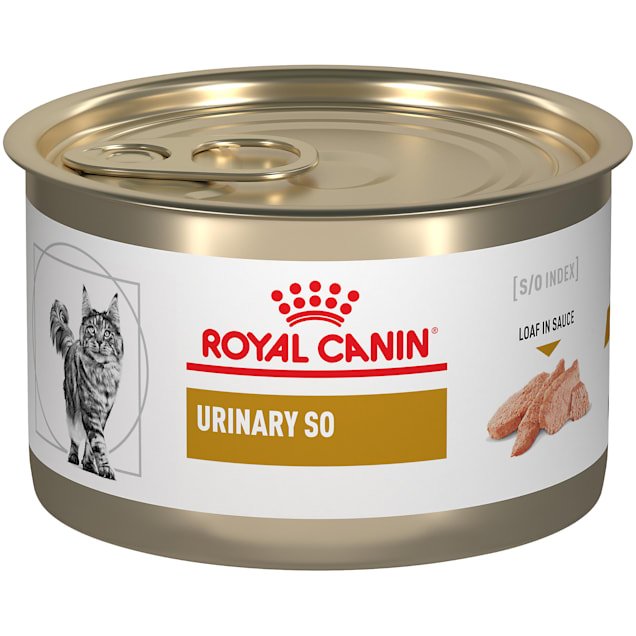
If your cat struggles with urinary issues, you know how worrying it can be. Finding the right food can make a big difference in keeping your furry friend healthy and comfortable.
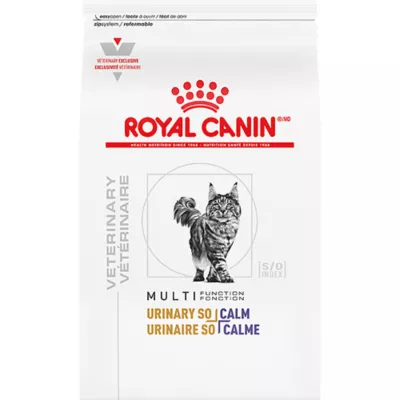
Urinary So Cat Food is designed specifically to support your cat’s urinary health, helping prevent problems before they start. You’ll discover why this special formula matters, how it works, and what makes it a smart choice for your cat’s well-being.
Keep reading to learn how you can give your cat the care they deserve with the right nutrition.
Importance Of Urinary Health In Cats
Keeping your cat’s urinary health in check is more important than many pet owners realize. Problems with the urinary tract can cause serious discomfort and even threaten your cat’s life if not addressed early. Paying attention to diet and lifestyle can make a big difference in preventing these issues.
What Makes Urinary Health Critical For Cats?
Cats are prone to urinary problems due to their unique anatomy and habits. Their urine tends to be highly concentrated because they naturally drink less water than other animals. This concentration can lead to crystal formation and blockages, causing pain and health risks.
Have you noticed your cat straining to pee or visiting the litter box more often? These signs might indicate a urinary issue that needs your attention immediately.
How Diet Impacts Your Cat’s Urinary System
The food you choose plays a key role in your cat’s urinary health. Diets formulated to support urinary tract function help maintain the right pH balance and reduce crystal formation. Specialized cat food can also encourage proper hydration, which is essential for flushing the urinary tract.
Imagine switching to a urinary health formula and seeing your cat’s energy and comfort levels improve. Many cat owners report fewer vet visits and happier pets after making this simple change.
Preventing Common Urinary Issues Through Nutrition
Feeding your cat food designed for urinary health can prevent conditions like urinary tract infections (UTIs) and feline lower urinary tract disease (FLUTD). These foods often contain controlled levels of minerals like magnesium and phosphorus, which can contribute to crystal growth when too high.
Think about your own health—would you ignore early signs of discomfort? Your cat relies on you to spot these issues and act before they become serious.
Signs You Should Watch Out For
- Frequent attempts to urinate with little success
- Blood in the urine
- Licking the genital area excessively
- Sudden changes in litter box habits
- Signs of pain or discomfort
Noticing these early can save your cat from pain and costly vet bills. Have you checked your cat’s litter box behavior today?
Common Urinary Issues In Cats
Urinary problems are common in cats and affect their health significantly. These issues can cause pain, discomfort, and serious complications if untreated. Recognizing symptoms early helps protect your cat’s wellbeing. Understanding common urinary issues clarifies why special urinary cat food is important.
Urinary Tract Infections
Urinary tract infections (UTIs) happen when bacteria invade the urinary system. Cats with UTIs may urinate more often or strain while peeing. They might also lick their genital area excessively. UTIs can lead to discomfort and, without treatment, spread to the kidneys.
Bladder Stones
Bladder stones form from minerals in the urine that clump together. These stones cause pain and block urine flow. Signs include frequent urination, blood in urine, and crying while peeing. Large stones may require medical removal to prevent damage.
Feline Lower Urinary Tract Disease
Feline Lower Urinary Tract Disease (FLUTD) covers several bladder and urethra problems. Symptoms include difficulty urinating, bloody urine, and licking the genital area. Stress, diet, and dehydration often trigger FLUTD. Treatment focuses on relieving symptoms and preventing recurrence.
Benefits Of Specialized Urinary Cat Food
Specialized urinary cat food is designed to support your cat’s urinary health through carefully selected ingredients and nutrients. Feeding your cat this type of food can make a significant difference in preventing urinary issues that could otherwise cause discomfort or serious health problems. Understanding the benefits can help you make informed choices for your cat’s diet and well-being.
Reduced Risk Of Urinary Problems
Urinary problems are common in cats, especially males, and can lead to painful blockages or infections. Specialized urinary cat food helps reduce these risks by promoting healthy urine flow and reducing inflammation. If your cat has experienced urinary issues before, switching to this type of food can be a practical step to avoid repeat problems.
Balanced Ph Levels
The pH level of your cat’s urine plays a crucial role in preventing urinary tract issues. Urinary cat food is formulated to maintain a balanced, slightly acidic pH, which discourages the growth of harmful bacteria and crystal formation. Have you ever noticed how diet changes can affect your cat’s litter box habits? This balance helps keep those habits healthy and regular.
Prevention Of Crystal Formation
Crystals in a cat’s urinary tract can lead to blockages and severe health complications. Specialized urinary food contains controlled levels of minerals like magnesium and phosphorus, which help prevent these crystals from forming. By feeding your cat this food, you’re actively reducing the chance of painful urinary blockages and the need for emergency vet visits.
Credit: www.petsmart.com
Key Ingredients In Urinary Cat Food
Choosing the right urinary cat food means paying close attention to its ingredients. These key components play a crucial role in managing your cat’s urinary health. Understanding what goes into the food can help you make smarter choices for your feline friend’s well-being.
Cranberry Extract
Cranberry extract is a powerful ingredient often added to urinary cat food. It helps prevent bacteria from sticking to the bladder walls, reducing the risk of infections.
Many cat owners notice fewer urinary issues after switching to food with cranberry extract. Have you seen changes in your cat’s behavior when their diet improved?
Omega-3 Fatty Acids
Omega-3 fatty acids support overall inflammation reduction in your cat’s body, including the urinary tract. They also promote healthy skin and coat, which is a bonus.
Your cat’s comfort improves with omega-3s, especially if they have sensitive or irritated urinary tissues. Including this in the diet targets more than just urinary health.
Low Magnesium Content
Magnesium plays a big role in urinary health because too much can lead to crystal formation and blockages. Urinary cat food usually has a low magnesium level to prevent these problems.
Keeping magnesium content low is a simple but effective way to protect your cat’s urinary tract. Would you check the magnesium levels on your cat’s food label next time you shop?
Selecting The Right Urinary Cat Food
Selecting the right urinary cat food is crucial for your cat’s health, especially if they have urinary tract issues. The right food can help prevent painful flare-ups and support overall urinary tract health. But how do you choose the best option among so many products?
Wet Vs. Dry Food
Wet food has a higher moisture content, which helps increase your cat’s water intake. This can be especially beneficial for urinary health, as it helps dilute urine and reduce the risk of crystal formation.
Dry food is convenient and often more affordable, but it contains less moisture. If your cat prefers dry food, consider adding water or wet food to their diet to keep them hydrated.
Think about your cat’s preferences and lifestyle. Would they eat more wet food if you offered it, or stick to dry? Your choice can directly affect their urinary health.
Reading Nutritional Labels
Check the labels carefully for ingredients that support urinary health, like controlled magnesium and phosphorus levels. These minerals play a big role in preventing urinary crystals and stones.
Look for foods that highlight added moisture content or ingredients that promote urinary tract health. Avoid foods with excessive fillers and artificial additives that offer little nutritional benefit.
Have you ever compared two cat foods side-by-side? Doing this regularly can help you spot the best choices tailored to your cat’s needs.
Consulting With Veterinarians
Your vet knows your cat’s specific health history and can recommend the best urinary cat food. They might suggest prescription diets designed to manage or prevent urinary problems.
Don’t hesitate to ask about the pros and cons of different brands and types. Getting professional advice can save your cat from unnecessary discomfort and costly treatments.
How often do you discuss your cat’s diet with your vet? Regular check-ins can help catch urinary issues before they become serious.
Transitioning To A New Diet
Switching your cat to Urinary So Cat Food requires care and attention. Sudden diet changes can upset your cat’s stomach or cause them to reject the new food. A smooth transition helps your cat adjust comfortably and enjoy their new diet without stress.
Gradual Introduction
Start by mixing a small amount of Urinary So Cat Food with your cat’s current food. You might try 25% new food and 75% old food for the first few days. Slowly increase the new food portion every few days until it becomes 100% of their diet.
This slow change helps your cat’s digestive system adapt. Have you noticed how some cats can be picky during diet changes? Taking it slow reduces the chance of refusal or tummy troubles.
Monitoring Cat’s Response
Watch your cat closely as you transition their diet. Check for signs like appetite changes, vomiting, diarrhea, or unusual behavior. These can indicate how well your cat is adjusting to Urinary So Cat Food.
Keep a daily journal of your cat’s eating habits and health. This simple step can reveal patterns you might miss otherwise. How does your cat react to new tastes or textures? Use these observations to decide if the transition pace is right.
Addressing Any Side Effects
If your cat shows mild digestive upset, like soft stools or slight vomiting, don’t panic immediately. Sometimes, this is a normal adjustment phase that passes in a few days. You can slow down the transition or mix in more of the old food to ease symptoms.
However, if side effects persist or worsen, contact your veterinarian. Your cat’s health is the priority, and some symptoms might signal intolerance or allergies. Have you prepared a plan for unexpected reactions during diet change? Being ready helps you act quickly and confidently.
Homemade Urinary Diet Options
Homemade urinary diet options offer a natural way to support your cat’s bladder health. Preparing food at home allows control over ingredients and quality. It can help manage urinary problems like crystals and infections.
Creating a balanced diet at home needs care and knowledge. Cats have special dietary needs, especially for urinary health. Feeding the right foods can reduce risks and improve comfort.
Recipes For Urinary Health
Simple recipes can help maintain your cat’s urinary tract health. Focus on wet foods with high moisture content. Moisture dilutes urine and lowers crystal formation.
- Boiled chicken or turkey with plain pumpkin or sweet potato
- Cooked white fish mixed with cooked carrots or peas
- Homemade broth with no salt or onions for extra hydration
Always cook ingredients thoroughly. Avoid spices, onions, garlic, and dairy products. These can harm your cat’s urinary system.
Necessary Supplements
Supplements help fill nutritional gaps in homemade diets. Taurine is vital for cats’ heart and urinary health. It must be added if not in the main food.
- Omega-3 fatty acids to reduce inflammation
- Vitamin E for immune support
- Magnesium control to prevent crystal formation
Consult a vet for the right supplement types and doses. Over or under-supplementing may cause health issues.
Safety Considerations
Homemade diets need careful planning to avoid risks. Nutritional imbalances can worsen urinary problems. Regular vet check-ups are important.
- Monitor your cat’s weight and hydration daily
- Watch for signs of urinary discomfort or changes
- Store homemade food properly to prevent spoilage
Do not change diets suddenly. Introduce new foods slowly over several days to avoid digestion issues.

Credit: www.amazon.com
Signs Of Urinary Improvement
Signs of urinary improvement in cats on Urinary So Cat Food show clear health benefits. These signs indicate that the diet helps support your cat’s urinary system. Watch for positive changes in hydration, urination habits, and comfort during urination.
Increased Hydration
Good hydration is key to urinary health. Cats eating Urinary So Cat Food often drink more water. This helps dilute urine and reduce crystal formation. Well-hydrated cats have clearer, healthier urine. Look for your cat to drink and lick water more often.
Regular Urination
Regular urination means the urinary system works properly. Cats on this diet tend to urinate at normal intervals. This prevents urine buildup and lowers the risk of blockage. Notice if your cat uses the litter box consistently without long gaps.
Reduced Strain During Urination
Straining or pain during urination signals urinary problems. Urinary So Cat Food helps ease these symptoms. Cats show less discomfort and strain while peeing. Watch for smoother, easier urination without crying or licking the genital area.
When To Seek Veterinary Assistance
Understanding when to seek veterinary assistance for your cat is vital, especially when feeding Urinary So Cat Food. This special diet supports urinary health, but some signs need professional care. Early action can prevent serious problems and keep your cat comfortable.
Persistent Symptoms
Watch for signs that last longer than two days. These include frequent urination, straining, or blood in the urine. If your cat keeps showing these symptoms, a vet visit is necessary. Persistent problems can signal infections or blockages.
Behavioral Changes
Notice any unusual behavior such as hiding, loss of appetite, or increased irritability. Cats in pain may act differently. These changes can indicate discomfort or illness related to urinary health. A vet can find the cause and suggest treatment.
Emergency Situations
Some conditions need immediate care. If your cat cannot urinate, is vomiting, or seems very weak, go to the vet right away. Urinary blockages are life-threatening and require urgent attention. Quick response can save your cat’s life.

Credit: www.petco.com
Frequently Asked Questions
What Is Urinary So Cat Food?
Urinary SO cat food is specially formulated to support cats’ urinary tract health. It helps reduce urinary crystals and stones. The food balances minerals to prevent bladder issues. It also promotes proper urine pH to maintain a healthy urinary system.
How Does Urinary So Cat Food Benefit Cats?
This cat food reduces the risk of urinary tract infections and stones. It supports healthy urine flow and prevents crystal formation. The balanced nutrition strengthens bladder health. It is ideal for cats prone to urinary problems or those recovering from urinary diseases.
Can Urinary So Cat Food Prevent Urinary Crystals?
Yes, urinary SO cat food helps prevent urinary crystals. It controls minerals like magnesium and phosphorus, which form crystals. The formula maintains an optimal urine pH to dissolve existing crystals. Regular feeding supports long-term urinary tract health in cats.
Is Urinary So Cat Food Suitable For All Cats?
Urinary SO cat food is best for cats with urinary issues or risks. Healthy cats without urinary problems should consult a vet before switching. It is designed specifically to manage and prevent urinary tract diseases in cats.
Conclusion
Choosing the right urinary SO cat food helps keep your cat healthy. It supports good bladder and kidney function. Feeding this food can reduce urinary problems. Cats enjoy the taste and stay happy. Regular vet visits remain important for your cat’s health.
A proper diet makes a big difference in their comfort. Your cat deserves the best care every day. Simple changes in food bring long-term benefits. Keep your cat’s urinary health a priority. Healthy cats mean happy homes.
