

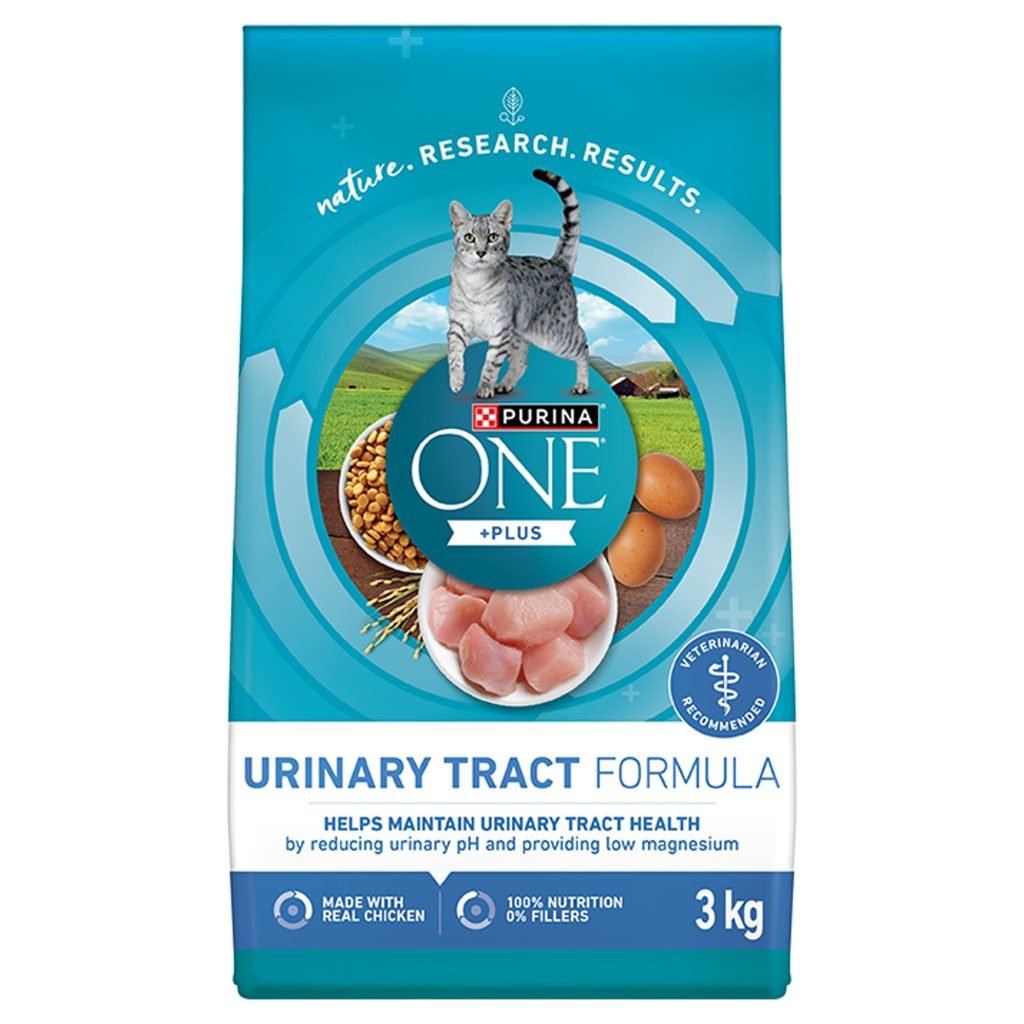
If you care about your cat’s well-being, you know how important it is to keep them healthy from the inside out. One area that often gets overlooked is urinary health.
Problems in this area can cause your cat discomfort, pain, and serious health risks. But here’s the good news: the right cat food can make a huge difference. You’ll discover how choosing the best food for your cat’s urinary health can help prevent issues and keep your furry friend happy and comfortable.
Keep reading to learn what to look for and how to protect your cat’s health every day.
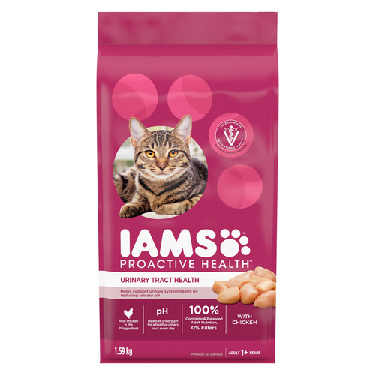
Credit: www.sobeys.com
Importance Of Diet In Cat Urinary Health
Diet plays a vital role in maintaining your cat’s urinary health. The right food helps prevent urinary problems, which are common in cats. A balanced diet supports the urinary tract and keeps your cat comfortable. Proper nutrition reduces risks of crystals and stones forming in the bladder. It also helps keep urine pH at a healthy level, which stops harmful bacteria from growing.
Choosing the right cat food can improve your cat’s overall well-being. Cats need foods that promote hydration and provide essential nutrients. A diet designed for urinary health can lower the chances of painful urinary blockages. Feeding your cat with special diets can make a big difference in their quality of life.
Understanding The Role Of Moisture In Cat Food
Water helps flush out the urinary system. Cats that eat dry food drink less water. This can lead to concentrated urine and more crystals. Wet cat food contains more moisture, which helps keep urine dilute. Feeding wet food supports better urinary health by encouraging hydration.
Choosing The Right Nutrients For Urinary Health
- Controlled magnesium and phosphorus levels reduce crystal formation.
- High-quality proteins support kidney function.
- Balanced minerals help maintain urine pH.
- Added vitamins and antioxidants improve urinary tract health.
How Special Diets Prevent Urinary Problems
Veterinary diets are made to manage urinary issues. They lower the risk of stones and blockages. These diets adjust mineral levels and urine acidity. Feeding these foods helps cats recover from urinary problems. They also keep healthy cats from developing new issues.
Common Urinary Issues In Cats
Urinary health is vital for cats to stay happy and active. Many cats face urinary problems, which can cause discomfort and serious health risks. Recognizing common urinary issues helps in early detection and care. Understanding these problems guides better feeding and treatment choices.
Urinary Tract Infections
Urinary Tract Infections (UTIs) occur when bacteria enter the urinary system. Cats with UTIs often urinate frequently and may strain or cry while urinating. The urine can look cloudy or have a strong smell. UTIs cause pain and need prompt veterinary care. Proper hydration and diet help prevent infections.
Bladder Stones
Bladder stones form when minerals crystallize in the bladder. These stones irritate the bladder lining and block urine flow. Symptoms include frequent urination, blood in urine, and discomfort. Some stones require surgical removal, while others dissolve with special diets. Early detection prevents serious complications.
Feline Lower Urinary Tract Disease
Feline Lower Urinary Tract Disease (FLUTD) covers several conditions affecting the bladder and urethra. Cats with FLUTD show signs like frequent urination, blood in urine, and licking the genital area. Stress, diet, and dehydration often trigger FLUTD. Treatment focuses on relieving symptoms and preventing recurrence.
Nutritional Needs For Urinary Health
Maintaining urinary health in cats requires careful attention to their diet. Proper nutrition supports the urinary tract and helps prevent common issues like crystals and infections. A balanced diet tailored to urinary health can improve your cat’s comfort and well-being.
Essential Nutrients
Some nutrients play a key role in keeping the urinary system healthy. These include:
- Magnesium:Too much can lead to crystal formation.
- Phosphorus:Helps maintain the acid balance in urine.
- Protein:Quality protein supports overall health but must be controlled.
- Vitamin E and C:These antioxidants support urinary tract cells.
Choosing food with the right balance of these nutrients helps reduce risks. It also supports normal urine pH and prevents mineral buildup.
Role Of Hydration
Water is vital for urinary health. Proper hydration dilutes urine and flushes toxins from the bladder. Cats often drink little, which can cause concentrated urine and crystals.
Wet cat food boosts water intake naturally. Providing fresh water daily encourages drinking. Some cats prefer running water, so using a pet fountain may help.
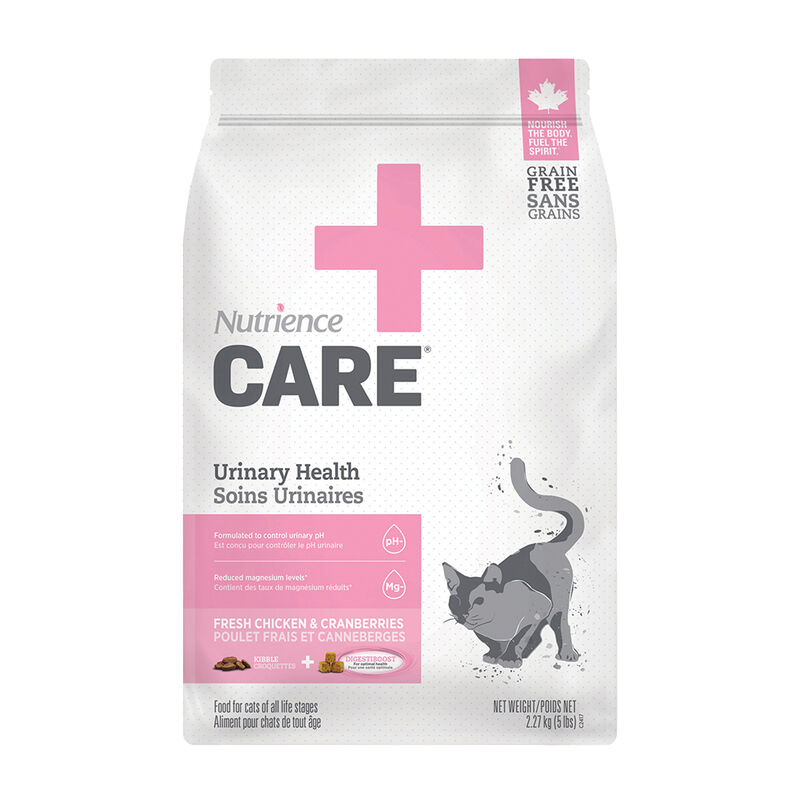
Credit: www.renspets.com
Choosing The Right Cat Food
Choosing the right cat food plays a crucial role in maintaining your cat’s urinary health. The right diet can help prevent urinary tract problems, reduce discomfort, and keep your feline friend happy and active. Understanding different food options and how they affect urinary health will empower you to make the best choice for your cat.
Wet Vs. Dry Food
Wet food contains higher moisture levels, which naturally helps increase your cat’s water intake. This extra hydration can dilute the urine and reduce the risk of crystal formation in the urinary tract.
Dry food, while convenient and often more affordable, tends to have lower moisture content. If your cat prefers dry food, make sure fresh water is always available, or consider mixing wet and dry to balance hydration.
Ask yourself: Does your cat drink enough water daily? If not, wet food might be a better choice to support urinary health.
Specialized Urinary Health Formulas
Specialized cat foods designed for urinary health contain balanced minerals and controlled levels of magnesium, phosphorus, and calcium. These formulas help prevent the formation of urinary crystals and stones.
Many brands offer diets formulated to maintain an optimal urinary pH, which discourages bacterial growth and crystal buildup. These diets can be lifesavers if your cat has a history of urinary problems.
Have you noticed any signs like frequent urination or discomfort in your cat? Switching to a urinary health formula could be the practical step you need to take.
Ingredients To Avoid
Choosing the right cat food is key for urinary health. Some ingredients can harm your cat’s urinary tract. Avoid these ingredients to help prevent urinary problems. This will keep your cat healthy and comfortable.
High Magnesium Content
Magnesium is a mineral found in many cat foods. Too much magnesium can cause urinary crystals. These crystals irritate the bladder and urethra. Cats with urinary issues need food low in magnesium. Check the label and avoid foods with high magnesium levels.
Excessive Minerals
Besides magnesium, other minerals can cause trouble. High levels of calcium and phosphorus may increase urinary risks. Excess minerals create an imbalance in urine pH. This imbalance can lead to bladder stones or infections. Pick cat food with balanced mineral content for better urinary health.
Homemade Diet Options
Choosing a homemade diet for your cat’s urinary health can be a rewarding approach. It lets you control exactly what goes into your pet’s food, which is crucial for managing urinary issues. But creating a diet that supports urinary health requires careful selection of ingredients and balanced nutrition.
Safe Ingredients
Focus on ingredients that promote urinary tract health and reduce the risk of crystal formation. Lean proteins like chicken, turkey, or rabbit are excellent choices because they provide necessary nutrients without overloading minerals. Vegetables such as pumpkin and zucchini offer fiber and hydration without excess magnesium or phosphorus.
Avoid high mineral foods like spinach or kale, which can contribute to urinary problems. Also, steer clear of artificial additives, salt, and excessive calcium. Have you checked the labels or sources of your ingredients lately to ensure they won’t harm your cat’s urinary system?
Balanced Recipes
Balancing a homemade diet means including the right proportions of protein, fats, and moisture. Cats with urinary issues benefit from diets high in moisture to keep their urine diluted. Including wet foods or adding water or broth to meals can make a big difference.
Supplements such as taurine and omega-3 fatty acids support overall health but must be dosed properly. A typical balanced homemade meal might include:
- 70% lean cooked meat
- 20% cooked vegetables safe for cats
- 10% moisture-rich broth or water
Do you measure or weigh your cat’s food to keep portions consistent? Small adjustments can prevent nutrient imbalances that may worsen urinary problems.
Recognizing Symptoms Early
Early recognition of urinary health problems in cats is vital. It helps prevent serious complications and improves recovery chances. Cats often hide their discomfort, so owners must watch carefully. Noticing subtle signs early can lead to timely veterinary care and better outcomes.
Behavioral Changes
Behavioral shifts often signal urinary issues first. Cats may avoid the litter box or urinate outside it. They might meow more during or after urination, showing pain. Increased grooming of the genital area is common. Some cats become restless or hide more than usual. Pay attention to any unusual habits or mood changes.
Physical Symptoms
Physical signs can confirm urinary trouble in cats. Look for blood in the urine or cloudy discharge. Straining or crying while urinating is a key symptom. Frequent trips to the litter box with little output is concerning. Swelling or redness near the genital area may appear. Weight loss and lethargy can also indicate problems.
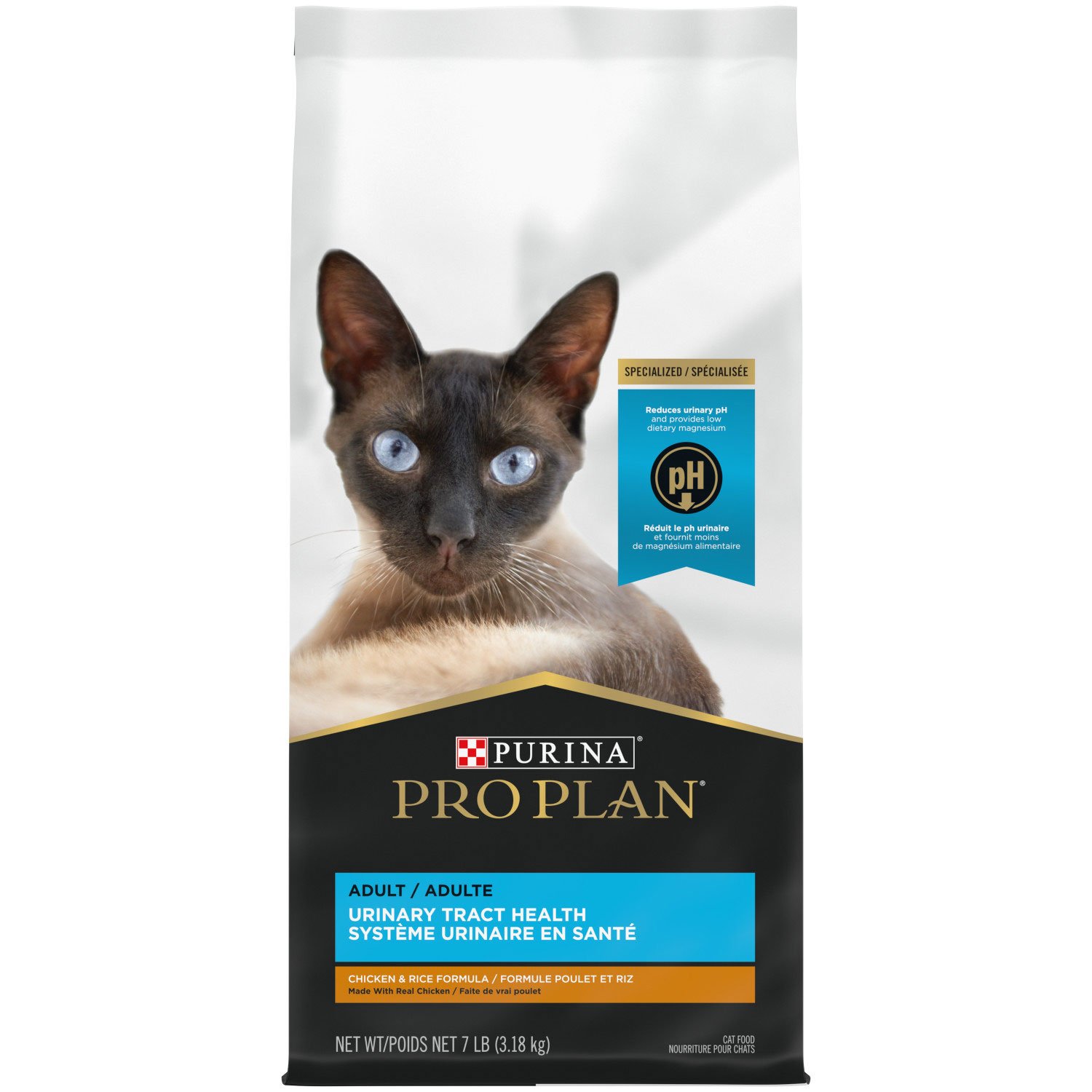
Credit: www.mondou.com
Consulting A Veterinarian
Consulting a veterinarian is essential for maintaining your cat’s urinary health. Experts can diagnose problems early and suggest the best diet or treatment. Regular veterinary advice helps prevent serious urinary issues and keeps your cat comfortable.
When To Seek Help
Watch for signs like frequent urination, blood in urine, or straining. Sudden changes in your cat’s bathroom habits need immediate attention. Pain or discomfort while urinating also requires a vet visit. Early treatment can stop problems from getting worse.
Regular Check-ups
Schedule vet visits at least once a year for urinary health checks. Routine exams help catch hidden issues before symptoms appear. Blood tests and urine analysis give clear insights into your cat’s condition. Regular check-ups support a healthy diet and lifestyle tailored to your cat’s needs.
Preventive Measures At Home
Preventing urinary problems in cats starts at home. Simple daily habits can keep your cat healthy. Small changes create big benefits. Focus on hydration and cleanliness to support urinary health.
Encouraging Water Intake
Water helps flush out toxins and keeps the urinary tract clear. Some cats do not drink enough water naturally. Make water easy to access in multiple spots.
- Use shallow, wide bowls for comfort.
- Try a cat water fountain to attract interest.
- Offer wet cat food to boost moisture intake.
- Change water daily to keep it fresh.
These steps increase water consumption. Well-hydrated cats have fewer urinary issues.
Maintaining A Clean Litter Box
A clean litter box encourages cats to urinate regularly. Urine should not stay in the box too long. Dirty boxes can cause cats to hold urine, leading to health problems.
- Scoop waste at least once daily.
- Change litter fully every week.
- Keep multiple boxes if you have many cats.
- Choose unscented, low-dust litter for comfort.
Regular cleaning reduces infection risk and promotes good bathroom habits.
Frequently Asked Questions
What Ingredients Support Cat Urinary Health In Food?
Ingredients like cranberries, omega-3 fatty acids, and antioxidants support urinary health. They reduce inflammation and prevent infections effectively.
How Does Moisture In Cat Food Affect Urinary Health?
Higher moisture content in wet cat food helps dilute urine. This reduces the risk of urinary crystals and promotes bladder health.
Can Diet Prevent Urinary Tract Infections In Cats?
Yes, a balanced diet with proper minerals prevents urinary tract infections. It maintains urine pH and reduces bacterial growth.
What Signs Indicate Urinary Health Issues In Cats?
Signs include frequent urination, blood in urine, and straining. Early detection and diet changes can prevent serious problems.
Conclusion
Choosing the right cat food helps keep your cat’s urinary system healthy. Good nutrition reduces risks of urinary problems. Cats feel better and stay more active with proper care. Watch for signs like frequent urination or discomfort. Always offer fresh water to support urinary health.
Simple changes in diet can make a big difference. Your cat deserves food that supports strong, healthy kidneys. Taking small steps today helps prevent serious issues tomorrow. Healthy cats are happy cats. Keep their urinary health a priority.
