

Have you ever wondered why Maine Coon cats stand out from other breeds? Their large size, friendly nature, and stunning looks don’t happen by accident.
Humans use selective breeding to shape these unique traits over time. You’ll discover how this careful process works and why it matters to you—whether you’re a cat lover, breeder, or just curious. Keep reading to unlock the secrets behind Maine Coons and how your understanding can change the way you see these majestic cats.
Origins Of Maine Coon Cats
The origins of Maine Coon cats are as fascinating as their majestic appearance. These cats have a rich history that combines natural evolution with human influence. Understanding where they come from helps you appreciate why selective breeding has focused on preserving their unique traits.
Historical Background Of Maine Coon Cats
Maine Coons are believed to have developed along the northeastern coast of the United States. Their ancestors adapted to harsh winters, growing thick fur and strong bodies. This natural environment shaped their survival skills and physical features long before selective breeding began.
Interestingly, some stories suggest that Maine Coons descended from cats brought by sailors from Europe. Others speculate about a connection to long-haired cats from Asia. These tales add mystery but also highlight how humans may have unknowingly influenced their early gene pool.
Role Of Early Settlers And Farmers
Early American settlers and farmers appreciated Maine Coons for their hunting skills. They kept these cats to control rodents around barns and homes. Over time, they began to notice specific traits, like size and coat texture, that made some cats more effective hunters.
This observation led to the first informal attempts at selective breeding. People chose cats with the best traits to mate, aiming to strengthen those qualities in future generations. Your awareness of this history shows how humans have long shaped Maine Coons’ development.
Natural Vs. Selective Breeding Influences
Maine Coons are a rare example of a breed shaped by both natural selection and human choices. Nature favored cats that could survive cold climates and hunt well. Humans then guided breeding to enhance particular features like personality, size, and coat patterns.
You might wonder how much of their character is natural versus bred. The answer lies in the balance: natural traits provided a foundation, while selective breeding refined what people valued most. This dual influence explains why Maine Coons remain robust and friendly companions.
How Understanding Origins Helps Selective Breeding
Knowing the breed’s origins helps breeders maintain its distinctive qualities. It reminds you that preserving natural resilience and health is as important as focusing on appearance. Selective breeding, when done thoughtfully, respects the breed’s history and promotes long-term well-being.
Have you ever considered how your choices in pet selection might impact the future of a breed? By understanding origins, you become more informed about supporting ethical breeding practices that honor the Maine Coon’s unique legacy.

Credit: felinefancy.co.uk
Characteristics Of Maine Coons
The characteristics of Maine Coons play a crucial role in how humans select them for breeding. These cats have unique features that make them stand out from other breeds. Understanding these traits helps breeders maintain or enhance the qualities that make Maine Coons so special.
Physical Traits
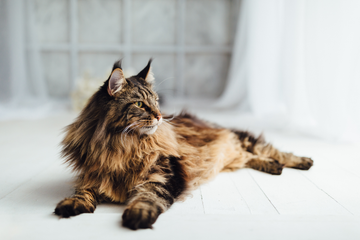
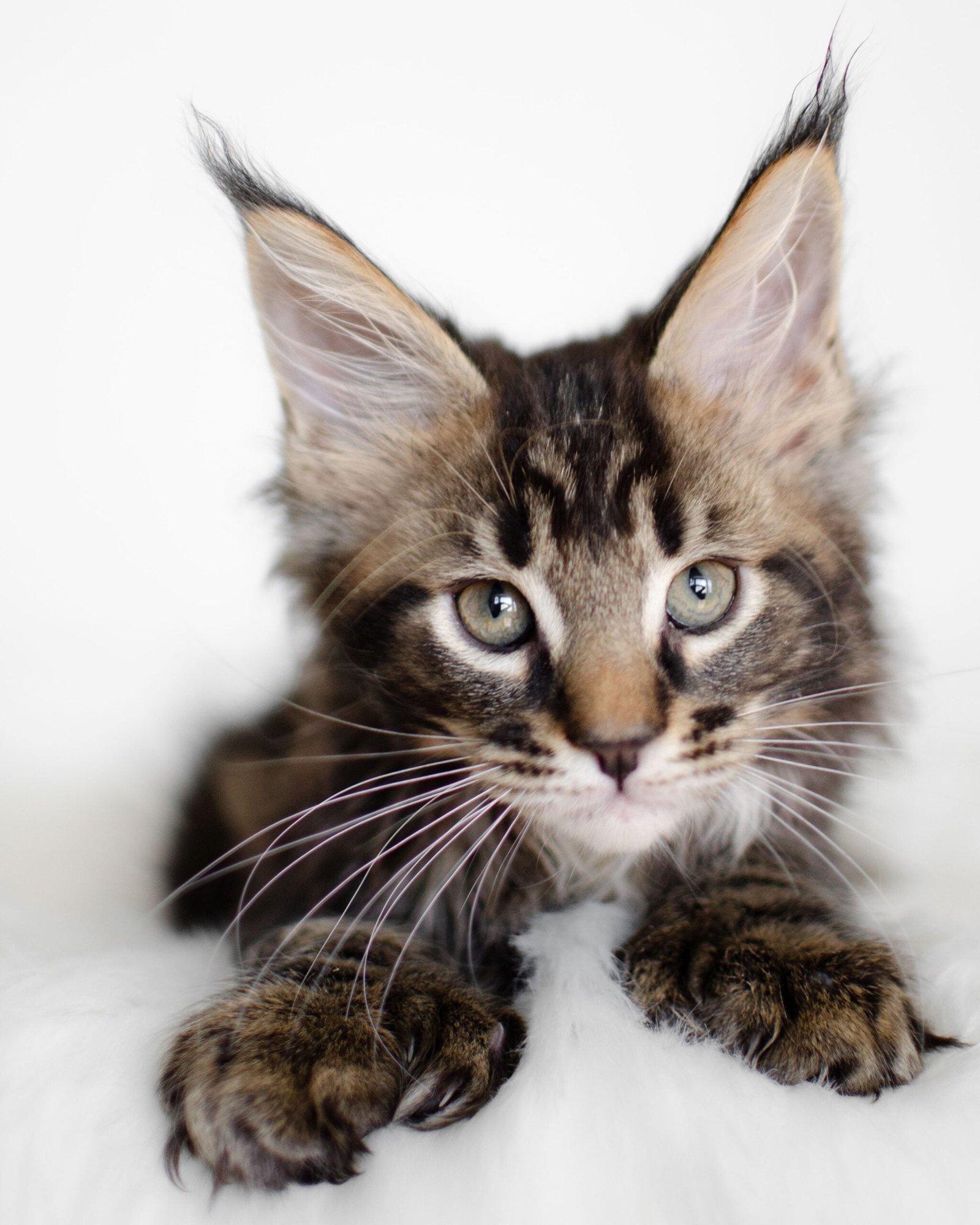
Maine Coons are known for their large size, often weighing between 10 to 25 pounds. Their thick, water-resistant fur keeps them warm in cold climates, which is a trait breeders aim to preserve. Notice their tufted ears and bushy tails—both add to their distinctive appearance.
Breeders often select cats with strong bone structure and well-proportioned bodies to ensure healthy offspring. You might find that their expressive eyes and broad faces give them a friendly yet majestic look. These physical traits are not just about beauty; they also hint at the cat’s health and vitality.
Temperament And Behavior
Maine Coons are famous for their gentle and playful nature. They tend to get along well with children and other pets, making them ideal family companions. Breeders focus on maintaining this social and adaptable temperament because it increases the cat’s appeal.
Have you ever met a cat that seems almost dog-like in loyalty? Maine Coons often follow their owners around and enjoy interactive play. This behavior is a key point breeders look for when pairing cats for selective breeding.
Do you think temperament matters more than looks when choosing a pet? For Maine Coons, both are important. Breeders balance physical traits with personality to produce cats that are not only beautiful but also loving and easy to live with.
Purpose Of Selective Breeding
Selective breeding of Maine Coon cats focuses on shaping specific characteristics. This process helps maintain and improve traits that define the breed. Breeders aim to keep the unique qualities that make Maine Coons special. It also helps reduce health problems by choosing the right cats for breeding.
Enhancing Desirable Traits
Breeders select cats with traits that are popular or important. These traits include large size, tufted ears, and thick fur. Maine Coons are known for their friendly and gentle nature. Breeders focus on keeping these personality traits strong. They also choose cats with good hunting skills and strong bones. This careful selection helps keep the breed consistent and admired.
Health Considerations
Health is a key factor in selective breeding. Breeders avoid cats with genetic diseases to protect future generations. Common issues like hip dysplasia and heart problems are carefully checked. Regular health tests help identify safe cats for breeding. This reduces the chance of passing on illnesses. Healthy cats live longer and have better quality of life. Responsible breeding improves the overall health of Maine Coons.
Selective Breeding Process
The selective breeding process for Maine Coon cats is a careful and deliberate practice aimed at enhancing specific traits while maintaining the breed’s health and temperament. Breeders focus on pairing cats that not only meet breed standards but also complement each other genetically. This ensures that the kittens inherit desirable qualities such as size, coat pattern, and personality, while minimizing health risks.
Choosing Breeding Pairs
Choosing the right breeding pairs is crucial. Breeders look for cats with strong physical traits that represent the Maine Coon breed well, such as large size, tufted ears, and a bushy tail. Personality also matters; calm and friendly temperaments are preferred to keep the breed’s gentle nature intact.
Breeders often visit cat shows or connect with other Maine Coon owners to find potential mates. They ask themselves: Will these two cats produce healthy kittens with the traits I want? This decision shapes the future generation of Maine Coons.
Genetic Testing And Analysis
Genetic testing plays a vital role in selective breeding. It helps identify inherited health conditions like hypertrophic cardiomyopathy (HCM) and hip dysplasia. Testing before breeding reduces the risk of passing these diseases to kittens.
Breeders analyze test results alongside physical traits to make informed pairings. This combination of genetics and observation helps maintain the breed’s quality. If you’re considering breeding, ask yourself how genetic health impacts the long-term wellbeing of your cats.
Ethical Considerations
Selective breeding of Maine Coon cats involves careful choices to enhance certain traits. Ethical considerations play a key role in this process. These concerns ensure the cats’ well-being is always a priority. Breeders must think beyond looks and focus on health and happiness. Respecting animal rights is essential in responsible breeding.
Animal Welfare
Animal welfare means keeping cats safe and healthy. Breeders must provide proper food, shelter, and medical care. Avoiding inbreeding reduces the risk of genetic diseases. Cats should live in clean, stress-free environments. Breeding practices must never cause pain or suffering. Regular health checks help catch problems early. Respect for each cat’s natural behavior is important. Welfare also involves socializing cats so they feel comfortable.
Balancing Traits And Health
Selective breeding focuses on traits like size, fur, and personality. Yet, health should not be sacrificed for appearance. Breeders must balance physical features with genetic diversity. This balance lowers the chance of inherited health problems. Choosing mates with strong health records improves offspring quality. Monitoring for conditions common in Maine Coons, like hip dysplasia, is vital. Healthy cats live longer and happier lives. Breeders should avoid favoring extreme traits that harm well-being.
Credit: greekgardenmainecoons.com
Expert Strategies And Techniques
Selective breeding of Maine Coon cats demands careful planning and precise techniques to enhance desired traits without compromising the breed’s health. Expert breeders rely on well-structured strategies to ensure each generation improves on qualities like size, coat texture, and temperament. Understanding these techniques can help you appreciate the complexity behind breeding these majestic cats.
Breeding Programs
Breeding programs are the backbone of maintaining and improving Maine Coons. Experts design these programs to focus on specific goals, such as enhancing physical characteristics or reducing hereditary health issues.
These programs often involve pairing cats with complementary traits. For example, a breeder might select a male known for his strong bone structure to mate with a female that has a dense, glossy coat, aiming to combine these features in their offspring.
Have you ever wondered how breeders decide which cats to breed? It’s not random. They carefully evaluate each cat’s qualities and potential genetic risks before making decisions.
Record Keeping And Pedigree Analysis
Keeping detailed records is essential for successful selective breeding. Breeders track lineage, health history, and traits across multiple generations to avoid inbreeding and manage genetic diversity.
Pedigree analysis helps identify patterns of inherited traits and health problems. For instance, a breeder might notice that a certain bloodline has a higher incidence of hip dysplasia and choose to avoid breeding those cats together.
Accurate records allow you to predict the likelihood of specific traits appearing in kittens. This careful documentation turns guesswork into informed decisions, which benefits the breed’s overall quality.
Challenges In Selective Breeding
Selective breeding of Maine Coon cats aims to enhance specific traits. Breeders focus on size, coat, and temperament. Despite good intentions, this process faces real challenges. These challenges can affect the breed’s health and diversity. Understanding these issues is key to responsible breeding.
Genetic Diversity
Maintaining genetic diversity is tough in selective breeding. Breeders often use a small group of cats repeatedly. This reduces the gene pool and limits variety. Low genetic diversity can weaken the breed. It may cause traits to become too uniform. This uniformity increases risks of inherited problems. Careful planning is needed to keep diversity healthy.
Potential Health Issues
Selective breeding can unintentionally spread health issues. Maine Coons may inherit diseases like hypertrophic cardiomyopathy (HCM). HCM is a common heart disease in this breed. Other risks include hip dysplasia and spinal muscular atrophy. Breeders must test cats to avoid passing on these problems. Ignoring health checks can harm the breed’s future. Responsible breeding focuses on strong, healthy cats.
Future Of Maine Coon Breeding
The future of Maine Coon breeding holds exciting possibilities as breeders and cat enthusiasts work together to enhance the breed’s health and traits. This future depends heavily on new tools and responsible practices that ensure Maine Coons remain strong and vibrant. You might wonder how technology and sustainability will shape the next generation of these majestic cats.
Technological Advancements
Technology is changing how breeders select and care for Maine Coons. DNA testing helps identify genetic diseases early, so you can avoid breeding cats with harmful traits. This means healthier kittens and fewer surprises down the road.
Advanced software tracks lineage and traits, making it easier to plan matings that improve desired characteristics like coat quality and temperament. Imagine having a detailed map of your cat’s family tree at your fingertips, guiding you to better decisions.
Could genetic insights one day allow you to predict a kitten’s personality or health risks before birth? The potential is growing fast, giving breeders more control and responsibility than ever before.
Sustainability And Conservation
Breeding Maine Coons responsibly means thinking about the long-term health of the breed and the environment. Sustainable breeding focuses on maintaining genetic diversity to avoid inbreeding problems.
Some breeders now work with conservation groups to protect Maine Coons from genetic bottlenecks. This approach keeps the breed strong and adaptable to changing environments.
You might ask, how can you contribute to sustainability? Supporting breeders who prioritize health over appearance is a great start. It ensures Maine Coons will thrive not just today, but for many generations.

Credit: www.reddit.com
Frequently Asked Questions
What Traits Do Humans Select In Maine Coon Cats?
Humans select traits like size, coat pattern, and temperament. These traits enhance the Maine Coon’s appeal and adaptability. Selective breeding ensures consistency in appearance and behavior across generations.
How Does Selective Breeding Improve Maine Coons’ Health?
Selective breeding reduces genetic diseases by choosing healthy cats. Breeders avoid mating cats with hereditary issues. This process promotes stronger, healthier Maine Coons with longer lifespans.
Why Is Temperament Important In Maine Coon Breeding?
Temperament affects Maine Coons’ suitability as pets. Breeders select friendly, sociable cats for better family compatibility. Calm and gentle behavior is a priority in breeding programs.
How Do Breeders Maintain Maine Coons’ Unique Physical Features?
Breeders carefully pair cats with desired physical traits. This includes tufted ears, bushy tails, and large size. Consistent physical features define the Maine Coon breed standard.
Conclusion
Selective breeding of Maine Coon cats helps keep their special traits strong. Breeders choose cats with good health and friendly nature. This careful process supports the breed’s size, coat, and personality. It also helps reduce health problems over time. People enjoy Maine Coons for their gentle and playful ways.
Understanding breeding helps us appreciate these cats more. It shows how humans work with nature to protect this unique breed. Maine Coons will continue to charm many families for years.
