

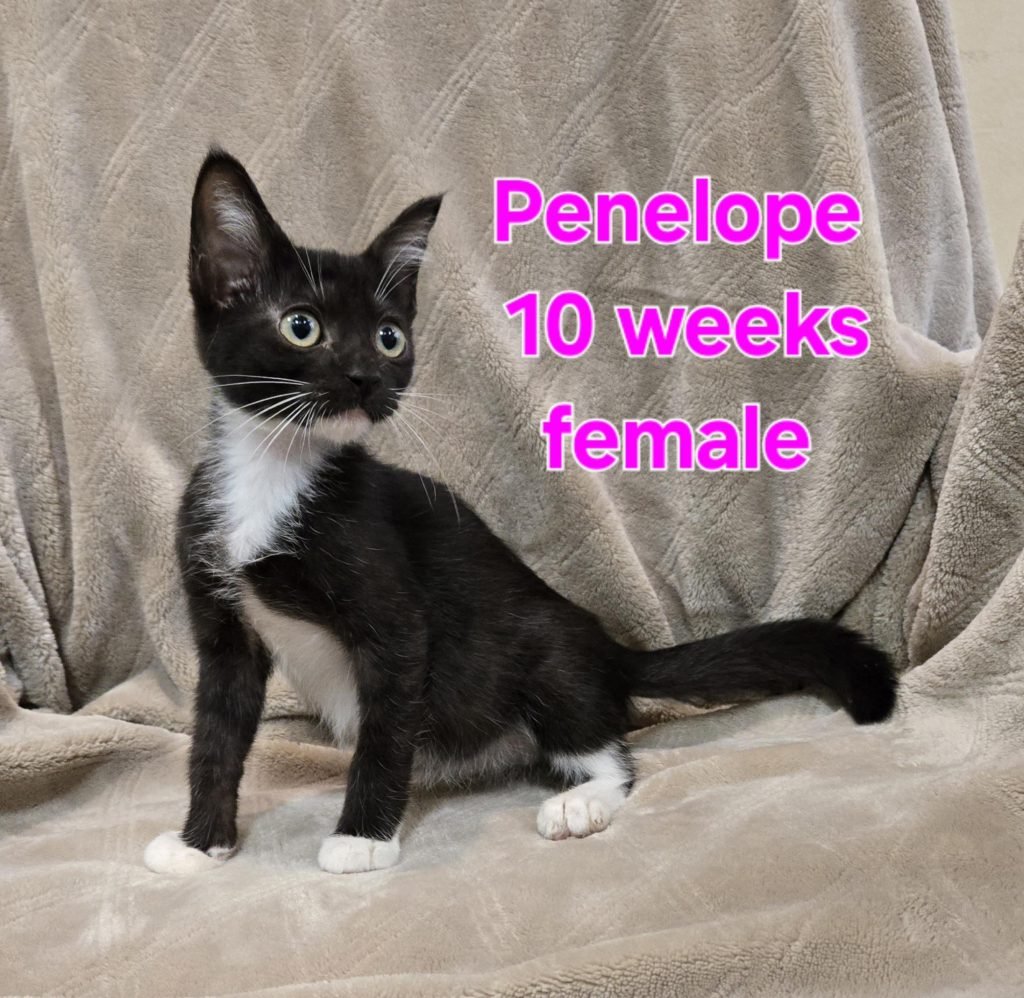
Have you ever felt a gentle bump on your hand or face and realized your cat just headbutted you? It’s a small, sweet gesture that might leave you wondering: why do cats headbutt?
This simple action is packed with meaning, and understanding it can bring you closer to your furry friend. If you want to discover what your cat is really trying to tell you, keep reading—because knowing the secret behind those headbutts can change the way you connect with your pet forever.
Cat Headbutting Behavior
Cats headbutt to communicate in ways that might surprise you. This behavior, often called “bunting,” is more than just a cute gesture. It’s a meaningful interaction packed with signals about trust, territory, and affection.
What Does Headbutting Mean To Your Cat?
When your cat gently presses its head against you, it’s saying you’re part of its inner circle. Cats have scent glands on their heads, and by headbutting, they mark you with their unique scent. This is a clear sign of bonding and acceptance.
Think about the last time your cat did this. Did you feel like a trusted friend? That’s exactly what your cat intends.
How Headbutting Builds Trust
Headbutting is a vulnerable act for cats. They expose their heads, which is a sensitive area, only to those they trust deeply. So, if your feline friend headbutts you, it’s a sign you’ve earned its confidence.
Have you noticed your cat headbutt you more after spending quality time together? It’s their way of saying they feel safe and connected.
Is Headbutting A Way To Claim Territory?
Yes, it often is. Cats use headbutting to mark their territory with their scent, signaling to other cats that you belong to them. This behavior is a mix of affection and a territorial reminder.
If your cat headbutts visitors, it might be a gentle way of telling others that you’re theirs first.
How To Respond When Your Cat Headbutts You
When your cat headbutts, respond with gentle petting or a soft voice to reinforce the positive interaction. This helps strengthen your bond and encourages more affectionate behavior.
Ignoring or pushing away your cat might confuse them, so try to match their friendly gesture with warmth.
Why Some Cats Headbutt More Than Others
Personality and past experiences shape how often a cat headbutts. Some cats are naturally more social and expressive, while others are reserved.
Have you observed differences in headbutting among your cats or friends’ cats? Understanding this can help you better read your pet’s mood and needs.
Credit: www.pawaii.com
Social Bonding
Cats use headbutting as a unique way to connect with those they trust. This behavior isn’t just cute; it plays a vital role in building and maintaining social bonds. When your cat bumps their head against you or another cat, they’re sharing a meaningful gesture that goes beyond simple affection.
Trust And Affection
When your cat headbutts you, it’s a clear sign they feel safe and comfortable around you. This action releases calming pheromones from glands located on their forehead, signaling a peaceful and affectionate intent. You might notice your cat gently nudging your hand or face, showing they trust you deeply.
Have you ever wondered why your cat chooses to headbutt rather than meow or purr in certain moments? It’s because this behavior creates a silent, intimate connection that words can’t express. You can encourage this trust by responding calmly and gently when your cat approaches with a headbutt.
Strengthening Relationships
Headbutting helps cats reinforce their social ties, whether with humans or other animals. It acts like a bonding ritual, marking you as part of their inner circle. When your cat shares this gesture regularly, it’s their way of strengthening the relationship and keeping stress at bay.
Think about how often your cat chooses to headbutt during quiet moments or after playtime. These are key opportunities to deepen your connection. By recognizing and reciprocating this behavior, you’re not just a pet owner—you become a trusted companion in your cat’s social world.
Territorial Marking
Cats headbutt for many reasons, but one key motive is territorial marking. This behavior helps your cat communicate boundaries and create a sense of safety in their environment. Understanding this can deepen your connection and improve how you respond to your feline friend’s needs.
Scent Glands And Communication
Your cat’s head is home to special scent glands located around the cheeks, forehead, and chin. When your cat headbutts you or objects, they deposit their unique scent. This scent is like a personal signature that tells other cats, “This space belongs to me.”
Think about the last time your cat rubbed their face on your leg. That’s not just affection; it’s a way of marking you as part of their territory. You might not notice the scent, but other cats sure will.
Claiming Ownership
Headbutting is your cat’s way of claiming ownership without aggression. Instead of fighting or scratching, they use this gentle gesture to signal, “I’m here, and this is mine.”
Have you ever seen your cat nudge their head against furniture or door frames? They are marking these spots to feel secure in their surroundings. This behavior helps reduce stress and keeps your cat feeling confident and in control.
Next time your cat headbutts you, ask yourself: how can I respect their need for territory while strengthening our bond? Recognizing this need can change how you interact and respond to these loving head nudges.
Seeking Attention
Cats often headbutt to get your attention, and understanding this behavior can deepen the bond you share. When your feline nudges you gently, it’s not just a random act—it’s a clear message that they want you to notice them. This simple gesture can mean they’re craving affection, playtime, or just your presence.
Affectionate Gestures
Headbutting is one of the most tender ways cats show love. It’s a soft, intimate action that feels like a gentle “hello” or “I like you.” When your cat presses its head against you, it’s sharing a moment of closeness.
Think about the last time your cat did this. Did it come right after you sat down or seemed a bit distant? That’s no coincidence. Your cat chooses these moments to connect and share affection.
Responding To Human Interaction
Have you noticed how your cat’s headbutts often follow your petting or talking to them? Cats quickly learn that this behavior grabs your focus and keeps it on them. It’s their way of saying, “I’m here, pay attention to me.”
Next time your cat nudges your hand or face, try responding by giving them a little extra attention or a scratch behind the ears. You might be surprised how this encourages them to communicate more openly with you.
How often do you catch yourself ignoring these subtle requests? Recognizing and responding to your cat’s headbutts can make your relationship stronger and more rewarding for both of you.
Comfort And Security
Cats often headbutt to feel comfort and security in their environment. This simple gesture is more than just a cute behavior—it’s a way for your cat to connect with you and their surroundings. Understanding why your cat seeks this comfort can help you build a stronger bond and create a safe space for them.
Familiarity And Safety
When your cat headbutts you, they are marking you with their scent. This action creates a sense of familiarity and safety for them. It’s like they’re saying, “You belong here, and I trust you.”
This scent-marking helps cats feel grounded in their territory. If you notice your cat headbutting furniture or door frames, they are doing the same to make their environment feel secure. Have you ever noticed how your cat prefers certain spots and returns to them often? That’s their way of maintaining a safe zone.
Reducing Stress
Headbutting can also help reduce your cat’s stress. When they press their head against you, it releases feel-good hormones that calm them down. This gesture is their way of seeking reassurance and comfort.
If your cat seems nervous or scared, offering your hand for a gentle headbutt might soothe them. This simple interaction can prevent anxiety from escalating. Have you tried using headbutts to calm your cat during a thunderstorm or vet visit? It’s a natural stress reliever for them.
Health And Well-being
Understanding your cat’s health and well-being is essential when they headbutt you. This behavior can be more than just a sign of affection; it might also indicate how your cat feels physically and emotionally. Paying attention to these signals helps you keep your furry friend happy and healthy.
Checking For Health Issues
If your cat suddenly starts headbutting more or less than usual, it might be trying to tell you something about its health. Cats often use headbutts to seek comfort or attention when they don’t feel well. You should look for other signs like changes in eating habits, grooming, or energy levels.
Sometimes, headbutting can be a way to communicate pain, especially around the head or neck area. If your cat seems sensitive to touch or avoids certain movements, a vet visit is a good idea. Catching health problems early can make a huge difference in treatment and recovery.
Behavioral Changes To Note
Besides health issues, shifts in headbutting behavior might reflect changes in your cat’s mental state. Increased headbutting could mean your cat feels stressed or anxious and is seeking reassurance from you. On the other hand, a drop in this behavior might suggest your cat is feeling withdrawn or unwell.
Observe if your cat is more clingy or distant than usual. Are they headbutting at different times or places? These subtle changes can reveal what your cat needs emotionally. You can help by providing a calm environment and spending quality time together.
Cultural And Historical Perspectives
Cats headbutting is more than just a cute behavior; it carries deep cultural and historical meanings. Across different societies and ages, this gentle act has been interpreted in various ways, reflecting human relationships with cats. Understanding these perspectives can change how you see your feline friend’s affectionate nudges.
Ancient Beliefs
In ancient Egypt, cats were sacred animals, often linked to the goddess Bastet. People believed a cat’s headbutt was a sign of divine blessing or protection. Your cat’s nudge might echo a tradition where such contact was seen as a form of spiritual communication.
Similarly, in some Native American cultures, cats were thought to carry the spirits of ancestors. A headbutt wasn’t just affection; it was a way of passing on wisdom or strength. Have you ever wondered if your cat is trying to tell you something beyond the ordinary?
Cultural Symbolism
In Japan, the “maneki-neko” or beckoning cat symbolizes luck and prosperity. Though not specifically about headbutting, the cat’s gestures represent positive connection and goodwill. Your cat’s headbutt could be seen as a personal charm for good fortune in your life.
European folklore often portrayed cats as guardians of the home, protecting against evil spirits. A headbutt might have been interpreted as a protective gesture, reinforcing the bond between cat and owner. Next time your cat bumps you gently, think about the centuries of trust and protection behind that simple act.

Credit: www.petservo.com.au
Tips For Encouraging Headbutting
Encouraging your cat to headbutt can deepen the bond you share and create moments filled with affection. Cats use headbutting as a way to show trust and mark you with their scent, signaling you’re part of their safe circle. You can foster this behavior by making your home welcoming and by earning your cat’s trust through gentle interaction.
Creating A Friendly Environment
Your cat is more likely to headbutt when they feel safe and comfortable. Make sure your home has cozy spots where your cat can relax undisturbed, like soft blankets or quiet corners.
Keep their essentials—food, water, and litter box—in consistent and accessible places. A calm and stable environment reduces stress, encouraging your cat to approach you with affection.
Have you noticed how your cat reacts to loud noises or sudden changes? Minimizing these can help your cat feel secure enough to show their love through headbutting.
Building Trust With Your Cat
Trust forms the foundation for your cat to approach and headbutt you. Spend quiet time near your cat without forcing interaction; let them come to you on their terms.
Use soft, calm voices and slow blinks to communicate friendliness. These small gestures can make a big difference in how safe your cat feels around you.
Offering gentle pets on their favorite spots—like behind the ears or under the chin—can encourage headbutting as your cat starts associating you with comfort.
Think about the last time your cat initiated contact. How did you respond? Matching their pace and mood can help them feel understood and more willing to show affection.
Credit: medium.com
Frequently Asked Questions
Why Do Cats Headbutt Their Owners?
Cats headbutt to show affection and trust. It’s a way to mark you with their scent, signaling you are part of their safe space.
What Does A Cat’s Headbutt Mean Emotionally?
A headbutt means your cat feels comfortable and bonded with you. It’s a sign of love and social connection.
Can Cats Headbutt To Mark Territory?
Yes, cats headbutt to transfer scent glands around their face. This marks you as part of their territory and family.
Do All Cats Headbutt Their Humans?
Not all cats headbutt, but many do. It depends on their personality and how comfortable they feel with you.
Conclusion
Cats headbutt to show love and trust. This behavior helps them bond with people. It also marks you as part of their family. You might feel surprised at first. But it means your cat feels safe and happy. Pay attention to these gentle touches.
They say more than words can. Understanding this can improve your relationship. Enjoy these small moments of connection. They bring warmth and joy to your home.
