

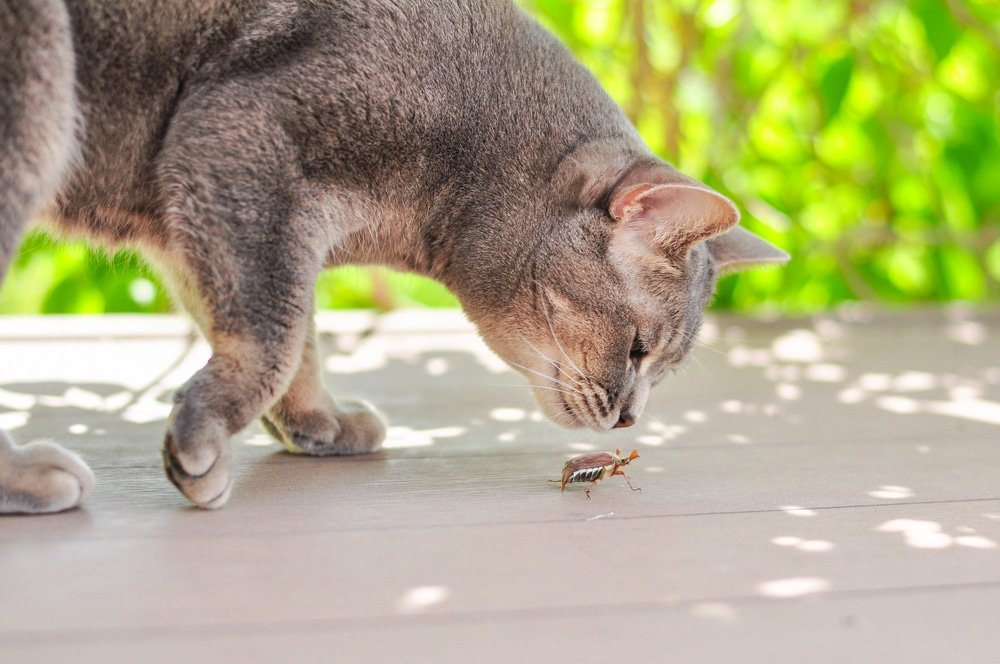
Are you worried about tiny pests lurking in your home and wondering if your beloved cat is at risk? Bed bugs are known for causing itchy bites on humans, but what about your furry friend?
If you’ve noticed your cat scratching more than usual or seem concerned about those mysterious red marks, you’re not alone. Understanding whether bed bugs bite cats is crucial for keeping your pet safe and comfortable. Keep reading to discover the truth, learn how to spot the signs, and find out what you can do to protect your cat from these unwanted guests.
Bed Bugs And Their Behavior
Bed bugs are small, flat insects that feed on blood. They are mostly active at night. These pests hide in cracks and crevices during the day. Bed bugs detect warmth and carbon dioxide to find hosts.
They prefer human blood but can bite other animals. Understanding their behavior helps in managing and preventing bites.
Physical Characteristics Of Bed Bugs
Bed bugs are reddish-brown and about the size of an apple seed. Their flat bodies allow them to hide easily. After feeding, they become swollen and darker in color.
Feeding Habits And Host Preferences
Bed bugs feed only on blood. They usually bite exposed skin areas. Humans are the main target, but pets can also be bitten.
Activity Patterns And Hiding Spots
These bugs are nocturnal and come out at night. They hide close to sleeping areas. Common hiding spots include mattress seams, furniture joints, and cracks in walls.
Reproduction And Lifespan
Female bed bugs lay many eggs during their life. Eggs hatch in about a week. Bed bugs can live several months without feeding.
Can Bed Bugs Affect Cats?
Bed bugs are tiny pests known for biting humans, but can they affect cats? Many pet owners worry about the health and comfort of their furry friends. Understanding if bed bugs bite cats helps keep pets safe and comfortable.
Bed bugs feed on blood and prefer human hosts. Cats are not their favorite choice, but they can still be bitten. These bites may cause itching and discomfort in cats. Recognizing signs of bed bug bites on cats is important for early action.
How Bed Bugs Interact With Cats
Bed bugs usually hide in bedding and furniture. Cats often sleep in these areas, increasing bite risk. Bed bugs may crawl on cats searching for blood. Though rare, bites can occur if bed bugs are hungry.
Signs Of Bed Bug Bites On Cats
- Red, swollen bumps on the skin
- Excessive scratching or licking
- Restlessness or irritability
- Hair loss around bite areas
These signs may look like flea bites or allergies. A vet can help diagnose the cause accurately.
Health Risks For Cats From Bed Bug Bites
Bites can cause skin irritation and itching. Cats may develop secondary infections from scratching. Allergic reactions are rare but possible. Bed bugs do not transmit diseases to cats like some other pests.
Preventing Bed Bug Bites On Cats
- Keep cat bedding clean and vacuumed
- Inspect sleeping areas regularly
- Use pet-safe pest control products
- Consult a professional if infestation occurs
Protecting your cat helps maintain their comfort and health.
Signs Of Bed Bug Bites In Cats
Bed bug bites on cats can be subtle but cause real discomfort. Cats cannot tell us when they feel itchy or irritated. Watching for physical signs helps identify if bed bugs are the cause.
Recognizing bed bug bites early can prevent further skin problems. Cats often react differently than humans to insect bites. Knowing these signs supports timely care and comfort.
Redness And Small Bumps
Bed bug bites usually appear as tiny red bumps. These bumps may cluster in groups or lines. They often cause mild swelling around the bite area.
Look closely at your cat’s skin, especially near the neck, legs, and belly. These spots are common targets for bed bugs.
Excessive Scratching And Grooming
Cats bitten by bed bugs may scratch more than usual. Scratching causes hair loss and irritated skin. Watch for repeated grooming focused on one area.
Excessive licking can also cause sores or scabs. These wounds might need veterinary attention to avoid infection.
Restlessness And Changes In Behavior
Bed bug bites can make cats restless and uneasy. Your cat may pace or hide more often. Sleep disturbances are common if bites cause itching at night.
Notice if your cat seems uncomfortable or less playful. These subtle changes hint at possible bite irritation.
Skin Inflammation And Hair Loss
Severe reactions to bed bug bites may cause inflammation. The skin can look red, swollen, or hot to the touch. Hair loss may happen around the bite sites.
Inflamed areas can become infected if scratched too much. Prompt care helps reduce these risks.
Allergic Reactions
Some cats develop allergies to bed bug bites. Symptoms include swelling beyond the bite area. The cat may show signs of pain or discomfort.
Allergic reactions require quick veterinary care. They can worsen without proper treatment.

Credit: pethelpful.com
Health Risks For Cats
Understanding the health risks bed bugs pose to your cat is crucial. These tiny pests don’t just cause itching; they can lead to more serious problems. Knowing what to watch for can help you protect your furry friend effectively.
Physical Irritation And Allergic Reactions
Bed bug bites often cause redness and itching on your cat’s skin. Some cats might scratch or bite themselves excessively, leading to sores or infections. Have you noticed your cat suddenly grooming more or showing restless behavior at night?
Secondary Infections
When cats scratch their itchy bites, they can break the skin, inviting bacteria inside. This can cause painful infections that need veterinary care. If your cat’s skin looks swollen or has discharge, it’s time to take action.
Stress And Behavioral Changes
Persistent bed bug bites can make your cat anxious or irritable. You might see changes like hiding, aggression, or loss of appetite. How often do you observe your cat’s usual calm demeanor disrupted without an obvious cause?
Potential For Anemia In Severe Cases
If a cat is bitten repeatedly, blood loss can lead to anemia, especially in kittens or older cats. Symptoms include weakness, pale gums, and lethargy. This serious condition requires prompt veterinary attention to avoid lasting harm.
Preventing Bed Bug Infestations
Preventing bed bug infestations is crucial not only for your comfort but also for the well-being of your pets. These tiny pests can hitch a ride on your belongings and quickly multiply in hidden spots, causing distress to both humans and animals. Taking proactive steps can save you from the hassle and discomfort of dealing with an infestation later on.
Keep Your Home Clean And Clutter-free
Bed bugs love to hide in clutter, making it easier for them to avoid detection. Regularly vacuum floors, upholstery, and pet bedding to remove any potential eggs or bugs. Pay special attention to cracks, crevices, and behind furniture where they often lurk.
Decluttering not only helps you spot bed bugs early but also reduces their hiding spots. Have you checked under your pet’s bed lately? Small changes like these can make a big difference in prevention.
Inspect Secondhand Items Carefully
Used furniture, bedding, and clothing can carry bed bugs into your home. Always inspect these items thoroughly before bringing them inside. Look for tiny rust-colored spots, shed skins, or live bugs, especially in seams and folds.
If you’re unsure about an item, consider treating it with heat or freezing it to kill any possible pests. Would you risk your pet’s comfort for a bargain? Careful inspection can protect your furry friends.
Protect Your Pet’s Sleeping Area
Your cat’s bed and resting spots can become targets for bed bugs. Wash pet bedding frequently in hot water and dry it on high heat to kill any hidden bugs or eggs. Choose pet beds with removable covers that are easy to clean.
Raising your pet’s bed off the floor can also reduce the chance of bed bugs crawling in. Have you ever thought about where your cat sleeps compared to where bed bugs hide? Small adjustments here can prevent big problems.
Treating Bed Bug Bites In Cats
Bed bug bites on cats cause itching and discomfort. Treating these bites quickly helps your cat feel better. It also prevents infections and further skin problems. Knowing the right care steps keeps your pet safe and calm.
Identifying Bed Bug Bites On Cats
Look for small red bumps or welts on your cat’s skin. Bites often appear in groups or lines. Your cat may scratch or lick the affected areas more than usual. Check common spots like the neck, ears, and paws.
Cleaning The Affected Areas
Gently wash your cat’s skin with mild soap and warm water. This removes dirt and reduces irritation. Use a soft cloth or sponge to avoid hurting the skin. Pat dry carefully after cleaning.
Using Topical Treatments
Apply veterinarian-approved creams or sprays to soothe itching. Avoid human creams as they can harm cats. These treatments help reduce redness and calm the skin.
Preventing Infection
Keep your cat from scratching the bites to prevent infection. Use an Elizabethan collar if needed. Monitor the skin for signs of swelling or pus. Consult a vet if infection develops.
Consulting A Veterinarian
Visit a vet if bites worsen or do not heal. The vet may prescribe medication for pain or allergies. They can also check for other skin issues or parasites.
Controlling Bed Bugs At Home
Clean your cat’s bedding and living area thoroughly. Use pet-safe insect sprays or powders recommended by vets. Regular cleaning helps stop bed bugs from returning.
Professional Pest Control Solutions
Dealing with bed bugs can be stressful, especially when your beloved cat might be at risk. Professional pest control solutions offer a reliable way to tackle infestations effectively. These experts bring specialized knowledge and tools that go beyond DIY methods, ensuring your home and pets stay safe and comfortable.
Understanding The Expertise Of Pest Control Professionals
Pest control experts know exactly where bed bugs hide and how to eliminate them safely. They assess your home thoroughly, including areas your cat frequents. Their approach minimizes the chance of bites on your pets by targeting the bugs at their source.
Safe And Pet-friendly Treatment Options
Many worry about harsh chemicals affecting their cats during pest control. Professionals often use pet-safe treatments that protect your furry friend while eradicating bed bugs. You can ask about the specific products they use to feel confident about your cat’s safety.
Follow-up And Prevention Plans
One treatment is rarely enough to keep bed bugs away for good. Pest control services usually include follow-up visits to ensure the problem is completely resolved. They also advise on preventive steps to keep your home bed bug-free, protecting your cat long-term.

Credit: justcatsclinic.com
Keeping Your Home Bed Bug-free
Keeping your home free of bed bugs is essential for your family’s comfort and health. These tiny pests can cause itching and stress for both people and pets. Preventing bed bugs requires careful attention to cleanliness and early detection.
Regular inspections help catch bed bugs before they spread. Focus on areas where your cat sleeps and rests. Bed bugs often hide in cracks, seams, and furniture joints.
Inspecting Common Bed Bug Hiding Spots
Check mattress seams, bed frames, and headboards carefully. Look behind baseboards and inside electrical outlets. Use a flashlight to spot small dark spots or shed skins.
- Lift furniture to inspect underneath
- Examine pet bedding regularly
- Check curtains and carpets
Maintaining Cleanliness And Hygiene
Vacuum your home thoroughly and often. Pay close attention to floors, upholstery, and pet areas. Dispose of vacuum bags or clean canisters outside your home.
- Wash bedding and pet blankets in hot water
- Dry items on high heat to kill bed bugs
- Declutter rooms to reduce hiding places
Preventing Bed Bugs From Entering Your Home
Be cautious when bringing used furniture inside. Inspect second-hand items carefully before use. Seal cracks in walls and around windows to block entry.
- Use protective covers on mattresses and pillows
- Limit clutter near sleeping areas
- Keep pet bedding clean and off the floor
Seeking Professional Help For Infestations
Call pest control experts if you find signs of bed bugs. Professionals use safe treatments to eliminate pests quickly. Acting early prevents larger infestations and protects your pets.

Credit: www.youtube.com
Frequently Asked Questions
Do Bed Bugs Bite Cats And Cause Harm?
Yes, bed bugs can bite cats, causing irritation and discomfort. They feed on blood but are not known to transmit diseases to cats.
How To Identify Bed Bug Bites On Cats?
Bed bug bites on cats appear as small red bumps, often in clusters. Cats may scratch or lick these areas frequently.
Can Bed Bugs Infest My Cat’s Bedding?
Yes, bed bugs can hide in your cat’s bedding. Regular cleaning and vacuuming help prevent infestations.
Are Bed Bugs Dangerous To Cats’ Health?
Bed bugs are mostly a nuisance and rarely cause serious health issues in cats. Allergic reactions can occur in some cases.
Conclusion
Bed bugs can bite cats, causing itching and discomfort. Watch your pet closely for red spots or scratching. Keep your home clean to reduce bed bug risks. Treat bites quickly to avoid infection or pain. Consult a vet if bites worsen or spread.
Protect your cat by checking bedding and furniture often. Staying alert helps keep your pet safe and healthy. Remember, early action stops bed bugs from becoming a bigger problem.
