

Have you ever wondered if your cat’s unusual behavior could be something more than just being quirky? You might be asking yourself, “Do cats get autism?”
It’s a question that sparks curiosity and concern for many pet owners who notice their furry friends acting differently. Understanding this topic could change the way you see your cat and help you provide the care they truly need. Keep reading to uncover surprising facts and insights that could deepen your bond with your cat like never before.
Feline Behavior Basics
Understanding your cat’s behavior is the first step in recognizing what’s normal and what might be cause for concern. Cats communicate in subtle ways, and their actions often reflect their feelings and health. Knowing the basics of feline behavior helps you spot changes that could hint at underlying issues.
How Cats Communicate
Cats use a mix of body language, vocal sounds, and facial expressions to tell you what they need or how they feel. A flick of the tail can mean irritation, while slow blinking usually shows trust and affection. Listening and watching closely can give you clues about their emotional state.
Common Cat Behaviors You Should Know
- Purring:Often a sign of contentment but can also indicate pain or stress.
- Scratching:A way to mark territory and keep claws sharp, not just destructive behavior.
- Hiding:Cats hide when scared or unwell, so frequent hiding might signal a problem.
What Changes In Behavior Could Mean
Notice if your cat suddenly becomes withdrawn, aggressive, or starts repetitive actions. These changes can signal stress, anxiety, or health issues. Have you ever seen your cat pace or spin in circles? Such behaviors deserve attention, as they might suggest neurological problems.
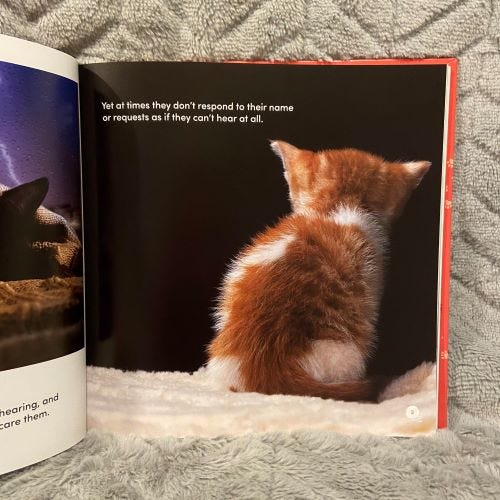
Credit: stephstwogirls.medium.com
Comparing Human And Feline Autism
Understanding whether cats can have autism requires looking closely at how autism presents itself in humans and animals. Comparing human and feline autism reveals important differences and similarities that help clarify this complex topic. It also challenges common ideas about what autism really means beyond human experience.
Autism In Humans
Autism in humans is a neurodevelopmental condition that affects social interaction, communication, and behavior. People with autism might find it hard to understand social cues or express themselves in typical ways. Sensory sensitivities and repetitive behaviors are also common traits.
Because autism is diagnosed based on behavior and communication differences, it’s tied closely to human social norms. This means diagnosis depends on how a person interacts within human society. Could we apply the same standards to animals with very different ways of communicating?
Common Misconceptions
Many believe cats can have autism because they sometimes show unusual behaviors or avoid social contact. However, these behaviors often stem from stress, illness, or simply a cat’s unique personality. Labeling such behaviors as ‘autism’ can be misleading.
It’s tempting to interpret a shy or aloof cat as “autistic,” but cats don’t have the same brain structure or social needs as humans. This raises the question: how do we accurately understand unusual animal behavior without projecting human conditions onto them?
Recognizing these misconceptions helps you avoid misinterpreting your cat’s behavior and supports better care tailored to their natural traits. Have you noticed behaviors in your cat that puzzled you? Understanding their nature might be simpler than assuming complex medical conditions.
Signs Of Unusual Behavior In Cats
Cats can show unusual behaviors that worry their owners. These signs may hint at health or emotional issues. Watching your cat’s behavior closely helps spot problems early. Some behaviors are not typical for cats and might need attention.
Social Interaction Patterns
Cats usually enjoy some social time with humans or other pets. Unusual signs include:
- Avoiding all contact, hiding for long hours.
- Sudden aggression towards family or other animals.
- Not responding to voices or touch.
- Showing no interest in play or interaction.
Changes in social habits can signal stress or discomfort.
Repetitive Actions
Repetitive behaviors in cats may look like:
- Excessive grooming causing bald spots.
- Constant pacing or circling.
- Repeatedly chasing invisible objects.
- Unusual vocalizations without clear cause.
Such actions can indicate anxiety or neurological issues.
Sensitivity To Environment
Cats usually adapt well to new surroundings. Watch for these unusual reactions:
- Extreme fear of sounds like vacuum or doorbells.
- Overreacting to changes in lighting or furniture.
- Refusing to use litter box in new places.
- Showing stress signs during normal household activities.
Heightened sensitivity may reflect discomfort or sensory processing problems.
Understanding Feline Neurology
Understanding how a cat’s brain works is key to answering questions about their behavior and health. Feline neurology helps you see beyond the surface, showing how their brains control everything from movement to emotions. Knowing this can guide you in spotting unusual signs that might indicate neurological issues.
Brain Structure Of Cats
The cat’s brain is smaller than a human’s but highly efficient. It has a well-developed cerebral cortex, which handles complex tasks like problem-solving and sensory perception.
Unlike humans, cats rely heavily on their brainstem and cerebellum for coordination and reflexes. These parts help them land on their feet and react quickly to danger.
Have you noticed how your cat quickly adapts to new environments or learns tricks? Their brain structure supports learning and memory, making them surprisingly smart.
Neurological Disorders In Cats
Cats can suffer from various neurological disorders, though autism, as seen in humans, is not diagnosed in felines. Instead, you might observe conditions like epilepsy, vestibular disease, or neuropathies.
Symptoms like sudden changes in behavior, loss of coordination, or unusual repetitive actions can signal these disorders. Watching closely for these signs allows you to seek veterinary help early.
Understanding these disorders helps you differentiate between normal quirky behavior and something that needs attention. How closely do you observe your cat’s daily habits?
Scientific Studies And Findings
Scientists have explored whether cats can have autism-like traits. Research focuses on feline behavior and brain function. These studies help understand if autism exists in cats or if similar behaviors occur for other reasons.
Research On Feline Behavior
Studies observe how cats react to social situations and sensory stimuli. Researchers look for repetitive actions or avoidance behaviors. Some cats show behaviors like excessive grooming or limited social interaction. These might seem like autism signs but could be stress or illness.
Scientists compare cat behaviors with known autism traits in humans. The goal is to see if cats share any neurological patterns. So far, evidence does not confirm cats can have autism. Instead, behavior differences often relate to personality or environment.
Expert Opinions
Veterinarians and animal behaviorists warn against labeling cats with autism. They suggest careful assessment of health and environment first. Experts emphasize understanding natural feline behavior variations. Signs resembling autism might indicate anxiety or sensory issues.
Experts recommend consulting professionals for unusual cat behavior. Treatments focus on comfort and reducing stress. Understanding cats’ unique ways of communicating helps owners respond better.
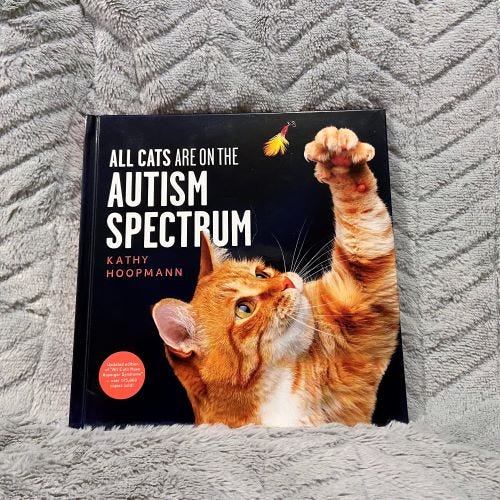
Credit: stephstwogirls.medium.com
Caring For Cats With Unique Behaviors
Caring for cats with unique behaviors requires patience and a tailored approach. Each cat expresses itself differently, and understanding these quirks can improve your connection. Recognizing signs that might seem unusual allows you to support your cat’s well-being more effectively.
Behavioral Management
Managing unique behaviors means observing patterns carefully. Is your cat avoiding certain areas or reacting strongly to noises? These clues help you adjust their environment to reduce stress.
Try creating a calm space with familiar toys and bedding. Consistency in daily routines can also make a big difference. You might notice your cat responds well to gentle play sessions or prefers quiet interaction over being held.
Have you considered using pheromone diffusers? Many cat owners find these helpful in calming anxious or hyperactive pets. Simple changes, like adding vertical spaces such as cat trees, can offer your cat comfort and control over their territory.
Veterinary Support
Professional input is crucial when behaviors seem out of the ordinary. A vet can rule out medical issues that mimic behavioral problems.
Discuss any concerns openly during visits. You could mention if your cat repeats certain motions or seems disconnected from social interactions. These details assist your vet in giving targeted advice or referrals to specialists.
Regular check-ups allow you to track changes over time. Sometimes, behavior shifts signal underlying health changes that need attention. Don’t hesitate to ask about behavioral therapies or medications if your cat struggles to cope.
Common Myths And Facts
When you hear the question “Do cats get autism?” it’s easy to get caught up in myths and misinformation. Many people confuse quirky or unusual cat behaviors with human neurological conditions. Clearing up these myths helps you better understand your feline friend’s unique personality and health needs.
Debunking Myths
One common myth is that cats can have autism just like humans. Scientifically, autism is a human developmental condition with no evidence of being diagnosed in animals. Cats displaying repetitive behaviors or social withdrawal are often reacting to stress, illness, or environment, not autism.
Another myth suggests that cats who avoid eye contact or seem aloof are “autistic.” In reality, cats use different communication styles than humans. Avoidance of eye contact can be a sign of comfort or respect, not a disorder.
Some people believe that any unusual behavior in cats points to neurological problems. Yet, behaviors like chasing tails or sudden bursts of energy are normal feline traits. These actions often indicate playfulness or boredom, not a medical condition.
Understanding Facts
Cats can experience behavioral issues caused by health problems, anxiety, or changes in their environment. Understanding these facts can help you identify when your cat might need medical attention or a change in routine.
Research shows cats have complex brains but their behaviors are shaped mainly by instincts and learning, not human-like developmental disorders. If your cat acts differently, consider factors like diet, stress levels, or recent changes at home.
Ask yourself: Have you noticed changes in your cat’s behavior after a move or new pet introduction? These facts highlight that context matters more than labeling their actions with human conditions.
- Fact:Cats communicate differently than humans, so their behaviors require interpretation, not diagnosis.
- Fact:Repetitive or odd behaviors often signal stress or boredom, not neurological disease.
- Fact:Veterinary advice is crucial if your cat’s behavior suddenly changes or worsens.
Understanding these myths and facts helps you provide better care and empathy for your cat. What new insight will you take away to improve your cat’s well-being today?

Credit: doublecareaba.com
The Role Of Genetics
Understanding the role of genetics in whether cats can have autism-like conditions is key to unraveling their behavior. Genetics shape many aspects of a cat’s nature, from physical traits to how they interact with their environment. This section looks closely at how genes might influence behaviors that seem similar to autism in humans.
Genetic Factors
Just like humans, cats inherit genes from their parents that influence their brain development and nervous system function. Some breeds show tendencies toward certain behaviors, hinting that genetics play a part in shaping their personalities.
Scientists have identified specific gene variations in animals that affect social behavior and sensory processing. These genes may not cause autism exactly as in humans but could result in behaviors that look similar.
Have you noticed your cat reacting unusually to sounds or avoiding eye contact? These traits might be rooted in their genetic makeup rather than just individual quirks.
Influence On Behavior
Genes don’t just determine looks; they influence how your cat learns and responds to the world. Some cats may show repetitive behaviors or social withdrawal, which can be linked to inherited traits.
Your cat’s unique genetic profile affects how it handles stress and interacts with people or other animals. Understanding this can help you create a more comfortable environment that suits their needs.
Think about your cat’s behavior patterns. Could genetics be the reason behind their unusual habits? Paying attention to these signs helps in offering better care and support tailored to your furry friend.
Advice For Concerned Pet Owners
If you notice unusual behaviors in your cat and wonder if it could be related to something like autism, it’s natural to feel concerned and unsure of what to do next. While cats don’t get autism as humans do, they can show behaviors that seem similar. Understanding how to respond and support your feline friend can make a big difference in their well-being and your peace of mind.
When To Seek Help
Observe your cat carefully. If you notice persistent behaviors like repetitive movements, extreme fearfulness, or difficulty interacting with people or other pets, it might be time to consult a vet or animal behaviorist.
Ask yourself: Is your cat’s behavior affecting their daily life or causing distress? For example, a cat that constantly hides or refuses to eat needs professional attention.
Early intervention helps. Getting expert advice can prevent small issues from becoming bigger problems and improve your cat’s quality of life.
Creating A Supportive Environment
Your cat thrives in a calm and predictable space. Try to keep a consistent routine for feeding, playtime, and rest.
Provide safe hiding spots and quiet areas where your cat can retreat when overwhelmed. This helps reduce stress and makes them feel secure.
Use interactive toys and gentle play to encourage positive engagement. You might find that certain textures or sounds soothe your cat more than others—pay attention to their preferences.
Have you noticed how your cat reacts to different environments or stimuli? Adjusting these can often lead to noticeable improvements.
Frequently Asked Questions
Do Cats Get Autism Like Humans?
No, cats do not get autism. Autism is a human neurological condition. However, cats can show behavioral differences due to genetics or environment.
What Behavioral Signs Resemble Autism In Cats?
Cats may appear withdrawn, avoid social interaction, or show repetitive behaviors. These signs can result from stress, illness, or other conditions, not autism.
Can Vets Diagnose Autism In Cats?
Veterinarians cannot diagnose autism in cats. They assess behavior and health issues but autism is specific to humans and not recognized in animals.
How To Manage A Cat With Social Difficulties?
Provide a calm environment, consistent routine, and gentle social interaction. Consult a vet if behavioral changes occur to rule out medical problems.
Conclusion
Cats do not get autism like humans do. They can show unusual behaviors for many reasons. Stress, illness, or environment often change how cats act. Understanding your cat’s needs helps keep them happy and healthy. Watching their behavior closely can catch problems early.
Talk to a vet if you see strange actions in your cat. Each cat is unique, with its own personality and habits. Caring for them with love and patience makes a big difference. Remember, your cat’s well-being depends on your attention and care.
