

Have you ever wondered if your cat can lose its claws? It’s a question many cat owners ask but don’t always find clear answers to.
Your cat’s claws are more than just sharp tools—they help with climbing, hunting, and even feeling safe. Understanding if and how cats lose their claws can help you take better care of your furry friend. Keep reading to discover the surprising facts about your cat’s claws and what you should watch out for to keep them healthy and strong.
Credit: justcatsclinic.com
Cat Claw Anatomy
Cat claws are fascinating tools made for many important tasks. They are sharp, curved, and built to help cats climb, hunt, and defend themselves. Understanding the anatomy of cat claws reveals how they stay strong and effective throughout a cat’s life.
Structure Of Cat Claws
Cat claws are made of keratin, the same material as human nails. Each claw is curved and sharp at the tip. The claw grows from a specialized part of the cat’s toe called the claw bed.
Inside the claw is a bone called the distal phalanx. This bone supports the claw and helps it move. A sheath covers the claw when it is not in use. This sheath protects the claw and keeps it sharp.
Cats can extend and retract their claws. Muscles and tendons control this movement. The ability to retract claws helps cats walk quietly and keeps claws sharp for hunting.
Functionality And Purpose
Cat claws serve many functions. They help cats catch and hold prey. Claws are also tools for climbing trees and other surfaces.
Cats use their claws for self-defense. When threatened, they can extend claws quickly to protect themselves. Claws also help cats mark territory by scratching surfaces. This scratching leaves visible marks and scent from glands in their paws.
Claws support balance and movement. They provide grip on slippery or uneven surfaces. This helps cats move with agility and confidence.
Credit: www.humaneworld.org
Shedding Vs. Losing Claws
Cats do not actually lose their claws like some animals lose teeth or feathers. Instead, they go through a natural shedding process. This process helps cats keep their claws sharp and healthy. Understanding the difference between shedding and losing claws is important for every cat owner.
Shedding means the outer layer of the claw peels away. Losing claws means the entire claw falls off or breaks, which can be a sign of a health problem.
Natural Shedding Process
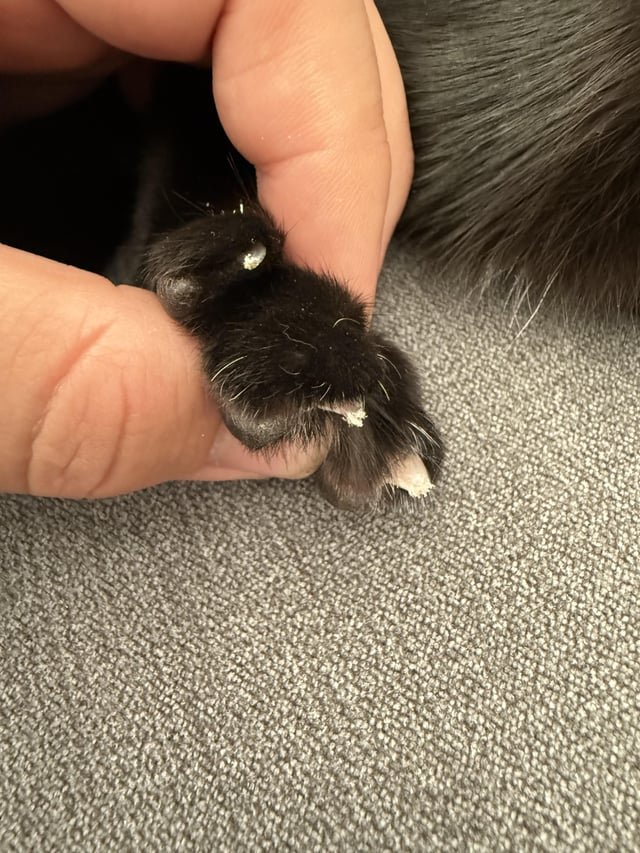
Cats’ claws grow in layers, much like human fingernails. The outer layer becomes dull and worn out. The cat scratches on rough surfaces to help remove this old layer. When the old layer peels off, a new, sharp claw is revealed underneath. This process happens regularly and is completely normal.
Shedding keeps claws strong and prevents painful breaks. It is a painless process and does not cause bleeding. You might notice small pieces of claw around your home. These are just the shed outer layers.
Signs Of Abnormal Claw Loss
Losing claws suddenly is not normal. It may mean injury, infection, or a medical issue. Watch for these signs:
- Bleeding or swelling near the claw
- Claws falling off completely
- Visible wounds or redness
- Excessive licking or biting of paws
- Limping or difficulty walking
If you see any of these signs, take your cat to the vet quickly. Early treatment can prevent serious problems.
Common Causes Of Claw Issues
Claw problems in cats can be alarming, especially if you notice changes in their behavior or mobility. Understanding the common causes of claw issues helps you act quickly and protect your feline friend’s health. Let’s dive into some key reasons why your cat’s claws might be affected.
Injury And Trauma
Claws can get damaged from accidents, fights, or rough play. A sudden injury like getting a claw caught in carpet or a door can cause it to break or fall off. Have you ever seen your cat limping or favoring a paw? That might be a sign of claw trauma.
Regularly check your cat’s paws for cuts, swelling, or signs of infection. Cleaning wounds promptly and keeping your cat calm can prevent further damage. If your cat’s claw is hanging or looks abnormal, a vet visit is essential.
Health Conditions
Several health issues can affect claw growth and strength. Fungal infections, parasites, or even certain skin diseases can cause claws to become brittle or discolored. If your cat is scratching excessively or biting at its paws, it might be dealing with an underlying health problem.
Sometimes nutritional deficiencies lead to weak claws. Ensuring your cat’s diet is balanced and rich in essential nutrients supports healthy claw growth. Have you noticed any changes in your cat’s eating habits or energy levels alongside claw problems? That’s a clue worth sharing with your vet.
Preventive Care For Healthy Claws
Keeping your cat’s claws healthy is essential for their comfort and mobility. Preventive care helps avoid issues like overgrown or damaged claws, which can cause pain or infections. By paying attention to grooming and diet, you can support your cat’s natural claw health and reduce the chance of problems.
Proper Grooming Techniques
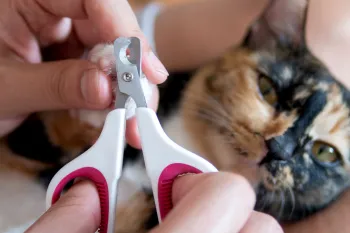
Regularly trimming your cat’s claws is key to preventing them from becoming too sharp or long. Use a sharp, cat-specific nail clipper and trim just the tip to avoid cutting into the quick, which can cause bleeding and pain.
Observe how your cat reacts during grooming. If they resist, try clipping after a play session when they’re calmer or wrap them gently in a towel for security. You can also introduce scratching posts to help naturally wear down claws.
Diet And Nutrition
Your cat’s diet impacts more than just their energy—it affects claw strength too. Foods rich in protein, omega-3 fatty acids, and vitamins like biotin support strong, healthy nails.
Have you noticed your cat’s claws becoming brittle or weak? This might signal a nutritional gap. Consult your vet about supplements or diet changes to improve claw condition and overall health.
When To Consult A Veterinarian
Knowing when to consult a veterinarian about your cat’s claws is important. Cats usually keep their claws healthy on their own. Sometimes, claws can break, get infected, or cause pain. This can lead to serious problems if not treated. Watch your cat closely and act quickly when signs of trouble appear.
Recognizing Red Flags
- Claws that are broken or missing
- Swelling or redness around the claw area
- Bleeding from the claws or paws
- Visible infection, pus, or foul smell
- Excessive licking or biting at the paws
- Difficulty walking or limping
- Sudden changes in behavior or mood
These signs mean the claws or paws need medical attention. Early care can stop problems from getting worse.
Professional Treatments
Veterinarians offer several treatments to help cats with claw issues. They may trim or repair damaged claws. Infections often need antibiotics or special ointments. Severe injuries might require surgery or removal of the claw. Vets also check for underlying health problems that affect claw health. Proper treatment helps cats feel better fast and stay active.

Credit: www.reddit.com
Myths And Misconceptions
Cats and their claws have sparked many myths. Some believe cats lose their claws naturally. Others think declawing is a simple nail trim. These ideas confuse many pet owners. Understanding the truth helps care for cats better.
Debunking Common Beliefs
Many think cats shed their claws like snakes shed skin. They do not. Cats have retractable claws that grow continuously. Old claw tips wear down or break off naturally. This keeps claws sharp and healthy without falling off completely.
Another myth says declawing is harmless. It is not. Declawing removes a cat’s claws permanently. It is a serious surgery affecting bones and nerves. This can cause pain and change how cats walk.
Understanding Declawing
Declawing is the removal of the last bone of each toe. It is not just taking off the nails. This operation can lead to long-term health problems. Cats may develop arthritis or behavioral issues.
Veterinarians recommend alternatives like nail trimming or scratching posts. These keep claws healthy and cats happy. Declawing should be avoided unless medically necessary.
Tips For Claw Maintenance
Proper claw maintenance keeps your cat healthy and happy. Cats use claws for climbing, hunting, and playing. Regular care helps prevent damage to furniture and reduces the risk of painful nail problems. A few simple tips create a comfortable routine for both you and your cat.
Creating A Cat-friendly Environment
Provide scratching posts and pads in your home. Cats enjoy different textures like sisal, cardboard, and wood. Place these near their favorite spots for easy access. This encourages natural scratching behavior and keeps claws in good shape.
Trim your cat’s nails regularly to avoid overgrowth. Use gentle handling to keep your cat calm. Offer treats and praise to create positive associations with claw care.
Tools And Accessories
Choose the right tools for nail trimming. Look for clippers designed for cats to ensure clean cuts. Avoid using human nail scissors, which can harm your pet.
Consider nail caps for cats that scratch furniture. These soft covers protect your belongings while letting your cat use claws safely. Consult your vet for advice on applying them correctly.
Frequently Asked Questions
Do Cats Naturally Lose Their Claws Over Time?
Cats do not naturally lose their claws. They shed the outer claw sheath regularly. This keeps their claws sharp and healthy, but the core claw remains intact.
Can Cats’ Claws Fall Off Due To Injury?
Yes, cats’ claws can fall off if injured or infected. Trauma or severe infections may cause detachment. Veterinary care is essential for proper healing.
How Often Do Cats Shed Their Claw Sheaths?
Cats shed their claw sheaths every few weeks. This process helps remove old, worn layers. It keeps their claws sharp and ready for use.
Is Declawing The Same As Losing Claws Naturally?
No, declawing is a surgical removal of claws. It is painful and harmful. Natural claw loss occurs only through sheath shedding or injury.
Conclusion
Cats do not lose their claws naturally. Their claws grow continuously and stay sharp. Sometimes, cats may shed claw sheaths, which look like losing claws. Claws are important for balance, climbing, and defense. Taking care of a cat’s claws helps keep them healthy.
Regular trimming avoids damage to furniture and skin. Understanding your cat’s claws helps you care for them better. Keep an eye on any changes in claw health. This way, your cat stays comfortable and happy every day.
