


Are you worried that your cat might bring Lyme disease into your home? You’re not alone.
Many pet owners wonder if their furry friends can carry this illness and what it means for their family’s health. Understanding the truth about cats and Lyme disease can help you protect your loved ones and keep your pet safe.
Keep reading to discover what you need to know and how to spot any risks before it’s too late.
What Is Lyme Disease?
Lyme disease is a common illness caused by bacteria. It spreads through tick bites and affects many people worldwide. Understanding Lyme disease helps protect you and your loved ones.
Causes And Transmission
Lyme disease is caused by the bacterium Borrelia burgdorferi. It spreads mainly through the bite of infected black-legged ticks, also called deer ticks. These ticks attach to the skin and feed on blood. The bacteria enter the body during this process.
Ticks live in grassy and wooded areas. They climb on animals or humans who pass by. Not all ticks carry the bacteria, but some do. The risk of infection rises if a tick stays attached for more than 24 hours.
Symptoms In Humans
Symptoms often start with a red rash that looks like a bull’s-eye. It may appear around the tick bite area. Other early signs include:
- Fever and chills
- Headache
- Fatigue
- Muscle and joint pain
If untreated, Lyme disease can cause serious problems. These include joint swelling, nerve pain, and heart issues. Early treatment with antibiotics usually cures the infection.

Credit: kittymeld.com
Lyme Disease In Animals
Lyme disease affects more than just humans; it also impacts various animals, including pets. Understanding how this illness manifests in animals can help you recognize symptoms early and seek proper treatment. Knowing which animals carry Lyme disease and what signs to watch for is crucial for keeping your furry friends safe.
Common Carriers
Ticks are the primary carriers of Lyme disease. Among animals, deer and rodents often host these ticks, spreading the bacteria to other creatures. Pets like dogs and cats can pick up infected ticks during outdoor activities.
While dogs are more commonly diagnosed with Lyme disease, cats can also carry ticks, although they rarely show symptoms. You might be surprised to learn that horses and livestock are also at risk, making tick control important for all animals around you.
Symptoms In Pets
Recognizing Lyme disease symptoms in pets can be challenging because signs often mimic other illnesses. Common symptoms include:
- Fever
- Lethargy or reduced energy
- Swollen or painful joints causing limping
- Loss of appetite
If your pet suddenly limps or seems unusually tired, consider a tick check and consult your vet promptly. Early intervention can prevent long-term health problems.
Have you noticed any unusual behavior in your pet after outdoor playtime? Paying attention to these small changes can make a big difference.
Can Cats Carry Lyme Disease?
Cats often roam outdoors and can get tick bites. This raises the question: can cats carry Lyme disease? Lyme disease is caused by bacteria transmitted through tick bites. People worry about their pets and the risk of infection. Understanding cats’ role in Lyme disease helps protect pets and owners.
Scientific Findings
Studies show cats can be bitten by ticks carrying Lyme disease bacteria. Some cats test positive for the bacteria but rarely show symptoms. Research suggests cats do not usually get sick from Lyme disease. The bacteria may not survive well in cats’ bodies. There is no strong evidence that cats spread Lyme disease to humans.
Comparing Cats And Dogs
Dogs often get Lyme disease and show clear symptoms. They can become very ill without treatment. Cats are less likely to get sick from Lyme disease. Dogs roam more on the ground where ticks live. Cats tend to groom and remove ticks quickly. This reduces the chance of infection in cats.
Credit: www.petmd.com
Preventing Lyme Disease In Cats
Protecting your cat from Lyme disease means taking clear and consistent steps to reduce their risk of tick exposure. You might think indoor cats are safe, but ticks can hitch a ride indoors on your clothes or other pets. Understanding how to prevent tick bites is key to keeping your furry friend healthy.
Tick Prevention Strategies
Using tick preventatives is one of the most effective ways to protect your cat. Talk to your vet about safe spot-on treatments or oral medications designed specifically for cats. These products kill ticks before they can attach and transmit diseases.
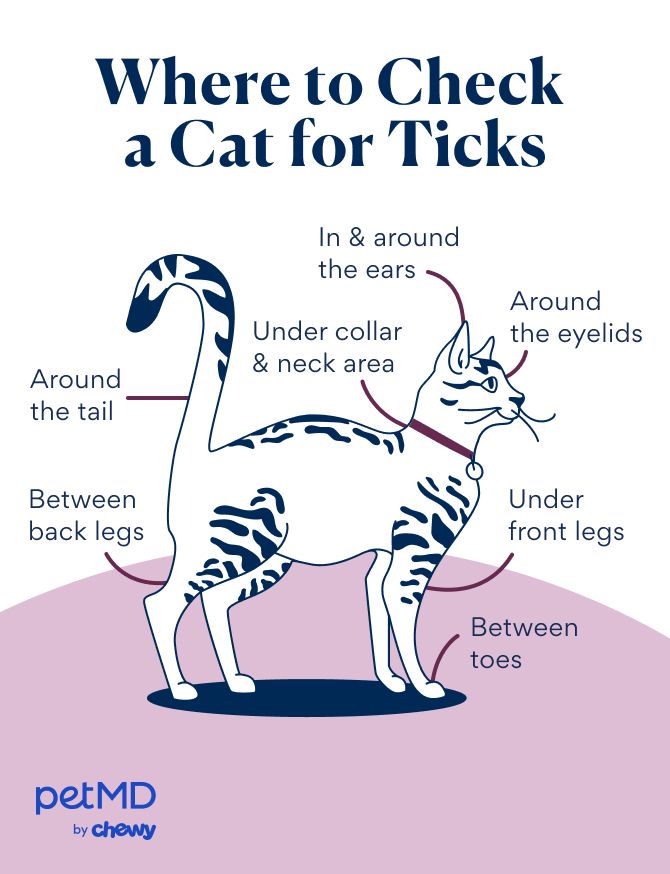
Regularly check your cat for ticks, especially after outdoor time. Focus on areas like the ears, neck, and between toes where ticks like to hide. Removing ticks within 24 hours drastically lowers the chance of disease transmission.
You can also make your yard less appealing to ticks by keeping grass trimmed and removing leaf litter. Adding tick-repellent plants such as lavender or rosemary near your home may help too.
Safe Outdoor Practices
If your cat enjoys exploring outside, consider creating a safe play area. Enclosed spaces free of tall grass and brush reduce tick encounters. You might notice your cat prefers these spots once you make them cozy with toys and shelter.
Limit your cat’s roaming during peak tick activity times, such as dawn and dusk. Keeping a close eye on their outdoor adventures allows you to spot ticks early. Have you checked your cat’s fur today?
Finally, grooming your cat regularly with a fine-toothed comb can help find and remove ticks before they latch on. This small habit can save your cat from serious illness.
Recognizing Lyme Disease Symptoms In Cats
Recognizing Lyme disease symptoms in cats is important for early care. Cats may not show clear signs right away. Owners should watch closely for unusual changes in behavior or health. Early detection can help prevent serious problems.
Behavioral Changes
Lyme disease can cause subtle shifts in your cat’s behavior. Your cat might:
- Become less active and seem tired
- Avoid playing or usual activities
- Show signs of discomfort or pain
- Hide more than usual
- Become irritable or restless
These changes may indicate your cat is feeling unwell.
Physical Signs
Physical symptoms of Lyme disease in cats can include:
- Swollen or painful joints
- Limping or difficulty walking
- Fever and loss of appetite
- Swollen lymph nodes
- Skin redness near tick bites
Check your cat’s body regularly for ticks or unusual marks. Early veterinary care can improve recovery chances.
Seeking Veterinary Advice
Noticing unusual symptoms in your cat can be worrying, especially if you suspect Lyme disease. Seeking veterinary advice is the best way to ensure your furry friend gets the right care quickly. Early professional guidance can prevent complications and protect your cat’s health.
Importance Of Professional Diagnosis
Only a veterinarian can accurately diagnose Lyme disease in cats through specific tests. Symptoms of Lyme can overlap with other illnesses, making self-diagnosis risky and potentially harmful.
Veterinarians may use blood tests to detect antibodies or bacteria linked to Lyme disease. These tests help confirm if your cat truly needs treatment or if another condition is causing the symptoms.
Have you ever tried guessing your pet’s illness without expert help? It’s easy to misjudge, which is why relying on a vet’s expertise saves time and stress.
Treatment Options
Once diagnosed, your vet will suggest the best treatment plan tailored to your cat’s condition. Antibiotics are commonly prescribed to fight the infection and reduce symptoms.
Besides medication, your vet might recommend supportive care like fluids or pain relief depending on how your cat feels. Following the full course of treatment is crucial to avoid the disease coming back.
Remember, trying home remedies or skipping doses can make things worse. Would you want your cat’s recovery to depend on guesswork? Trusting veterinary advice ensures your cat gets the care it deserves.
Myths And Misconceptions
There are many myths and misconceptions surrounding whether cats can carry Lyme disease. These misunderstandings can cause unnecessary worry for cat owners and even affect how you care for your pet. Let’s clear up some of the confusion so you can focus on keeping your cat healthy without fear.
Common Misunderstandings
Many people believe that cats can easily carry and transmit Lyme disease to humans. This often leads to avoiding close contact with cats, especially if they spend time outdoors.
Others think that if a cat gets bitten by a tick, it will definitely develop Lyme disease. Some even assume that cats show obvious symptoms, making it easy to spot the illness.
Have you ever heard someone say that ticks on cats are just as dangerous as ticks on dogs? This is another common misunderstanding that can cause unnecessary alarm.
Clarifying Facts
While cats can carry ticks, they are not considered significant carriers of Lyme disease. Unlike dogs and humans, cats rarely develop symptoms even if infected.
Ticks must stay attached for several hours to transmit the disease, and cats often groom themselves thoroughly, reducing this risk. So, your cat’s natural behavior actually helps protect them.
It’s important to check your cat for ticks regularly, especially after outdoor time. But know that a tick bite on a cat does not automatically mean Lyme disease.
What practical steps can you take? Use vet-recommended tick prevention treatments and inspect your cat’s fur often. These simple actions lower the chance of ticks causing any issues for both your cat and your family.

Credit: www.newsobserver.com
Frequently Asked Questions
Can Cats Transmit Lyme Disease To Humans?
Cats do not directly transmit Lyme disease to humans. Lyme disease spreads mainly through infected tick bites. Ticks can attach to cats, but transmission to humans occurs via ticks, not cats themselves.
Do Cats Get Lyme Disease From Ticks?
Yes, cats can contract Lyme disease from infected ticks. However, Lyme disease in cats is rare and symptoms are often mild or absent. Regular tick prevention helps protect your cat from Lyme disease and other tick-borne illnesses.
What Are Symptoms Of Lyme Disease In Cats?
Lyme disease symptoms in cats include fever, joint pain, lethargy, and loss of appetite. Some cats show no symptoms. If your cat has been exposed to ticks, consult a vet for proper diagnosis and treatment.
How Can I Protect My Cat From Lyme Disease?
Use veterinarian-recommended tick prevention products regularly. Check your cat for ticks after outdoor activities. Keep your yard tick-free by trimming grass and removing debris. Prompt tick removal reduces Lyme disease risk in cats.
Conclusion
Cats rarely carry Lyme disease themselves. They can bring ticks into your home. Ticks are the real carriers of Lyme disease. Checking your cat for ticks is important. Removing ticks quickly lowers infection risk. Keep your cat safe with regular vet visits.
Protect your family by controlling ticks outdoors. Understanding this helps keep everyone healthy. Stay alert and act fast if you find ticks. Simple steps can prevent Lyme disease spread.
