

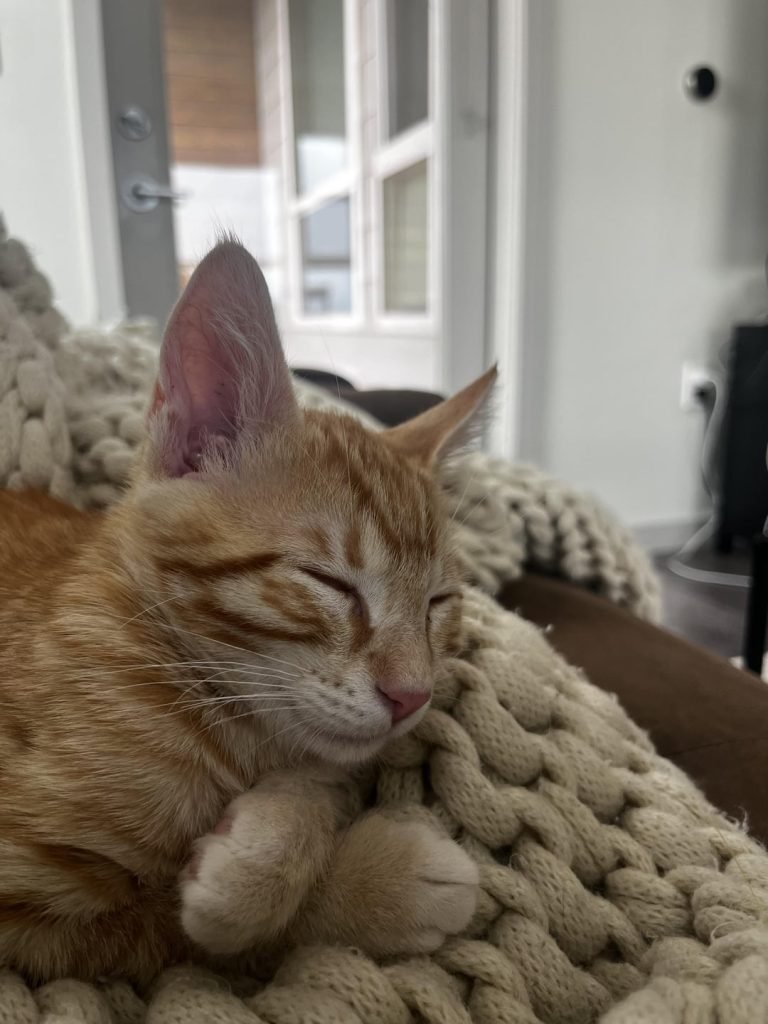
Does your cat seem lonely or bored when you’re not around? You might wonder if your furry friend needs a companion.
Cats are known for being independent, but that doesn’t mean they don’t crave friendship. Knowing when your cat needs a friend can make a huge difference in their happiness and well-being. You’ll discover clear signs to watch for and simple ways to help your cat feel loved and less alone.
Keep reading to find out how you can make your cat’s life fuller and more joyful.
Behavioral Changes
Cats show changes in behavior when they feel lonely or need company. These changes can help you understand if your cat wants a friend. Watch your cat closely for signs that it feels stressed or unhappy.
Behavioral changes often appear suddenly. They can affect how your cat acts at home. Recognizing these signs early can improve your cat’s life and happiness.
Increased Vocalization
Your cat may meow more than usual. Loud or constant meowing can signal loneliness. Cats use vocal sounds to express feelings and needs. If your cat cries or yells often, it might want another pet to talk to.
Excessive Grooming
Too much grooming can cause bald spots or skin irritation. This behavior often shows stress or boredom. Cats groom to calm themselves, but overdoing it means something is wrong. A lonely cat may groom to comfort itself when no friend is around.
Withdrawal And Hiding
A lonely cat may hide more than usual. It might avoid playing or interacting with people. Withdrawal shows your cat feels sad or unsafe. Spending time alone often means your cat needs a companion to feel better.
Attention Seeking
Attention seeking is a clear sign your cat might want a companion. Cats use different ways to get your focus. Watching these signs helps you understand their needs better.
Demanding More Playtime
Your cat may try to start play more often. They might bring toys or paw at you. This shows they want extra fun and interaction. A lonely cat often looks for more play to feel happy.
Following You Around
Notice if your cat follows you everywhere in the house. They seem to want to stay close all the time. This can mean they need more company. Cats feel safer and less bored with a friend nearby.
Clinginess
Clingy cats stay close and want constant petting. They may cry softly or rub against you a lot. This behavior shows they miss having another cat to share time with. Clinginess can be a call for a new friend.
Signs Of Loneliness
Recognizing the signs of loneliness in your cat is key to deciding if they need a companion. Cats can be subtle about their feelings, but certain behaviors and changes in their routine might reveal their need for social interaction. Paying close attention to these signs helps you provide the best care for your furry friend.
Destructive Behavior
If your cat suddenly starts scratching furniture more than usual or knocking things off shelves, it might be a call for attention. Loneliness can lead to frustration, which often shows up as destructive actions around the house.
Think about your cat’s environment—are they bored or lacking stimulation? Adding a friend can sometimes ease this restlessness, but first, observe if these behaviors spike when you’re away.
Loss Of Appetite
A drop in your cat’s appetite can signal emotional distress. Cats who feel lonely might eat less or lose interest in their favorite treats.
Has your cat suddenly stopped eating with the same enthusiasm? This change could be a subtle hint that your cat misses interaction, whether it’s with you or another feline companion.
Sleep Pattern Changes
Notice if your cat sleeps more than usual or seems restless at night. Loneliness can disrupt their normal sleep cycles, leading to unusual napping or nighttime activity.
Your cat might be trying to fill the time or cope with boredom through altered rest patterns. Have you seen your cat pacing or vocalizing when you’re not around? These behaviors often go hand-in-hand with sleep changes and loneliness.

Credit: www.reddit.com
Social Interaction Preferences
Understanding your cat’s social interaction preferences is key to deciding if it might benefit from a companion. Cats, like people, have unique personalities and social needs. Observing how your cat responds to different social situations can reveal whether it craves more interaction or prefers solitude.
Reaction To Other Pets
Watch how your cat behaves around other animals in your home or neighborhood. Does it seem curious and playful, or does it hide and avoid contact? A cat that shows interest but lacks a playmate might enjoy having a friend to share activities with.
On the other hand, if your cat consistently hisses or swats at other pets, forcing a companion could cause stress. You know your cat best—notice if it seeks out or shies away from other animals, and use those clues to guide your decision.
Interest In Outdoor Activity
Some cats enjoy exploring outside, engaging with the environment and even other animals. If your cat eagerly watches birds, chases leaves, or spends time by the window, it might appreciate a buddy to share those adventures.
Alternatively, if your cat shows little interest in outdoor sights and prefers quiet indoor spaces, a new friend might not spark the social interaction you hope for. Think about how your cat spends its time and whether shared experiences could enrich its day.
Response To New Toys
Introducing new toys can reveal how social your cat is. Does it play alone happily, or does it seem to invite you or other pets to join in? A cat that looks for company during playtime might thrive with a companion to keep the fun going.
Conversely, if your cat quickly loses interest in toys or prefers solo play, adding another pet might not increase its social satisfaction. Consider your cat’s play habits and whether a friend would complement or disrupt its routine.
Evaluating Your Cat’s Personality
Understanding your cat’s personality helps decide if they need a companion. Cats show different behaviors based on their nature. Some enjoy solitude, while others crave company. Observing your cat’s traits gives clues about their social needs. Personality shapes how they react to new friends and changes.
Independent Vs Social Traits
Independent cats spend time alone and like quiet spaces. They often play by themselves and rest away from others. Social cats seek attention and enjoy being near people or pets. They may follow you around and want to play often. Notice how your cat reacts to visitors or other animals.
Age And Activity Level
Kittens and young cats usually have high energy and curiosity. They may benefit from a playmate to share their activity. Older cats might prefer calm and less stimulation. Their need for a friend depends on their health and daily energy. Watch if your cat wants to explore or just relax.
Past Experiences
Cats with past trauma might be shy or fearful around others. They may take longer to accept a new friend. Cats raised with siblings or other pets often enjoy company more. Those who lived alone might prefer solitude. Understanding your cat’s history helps predict their social comfort.

Credit: www.petplan.co.uk
Introducing A New Cat
Introducing a new cat to your home requires care and patience. Cats are territorial animals. A sudden change can cause stress or aggression. Preparing your current cat and the newcomer will help both adjust comfortably.
Timing And Preparation
Choose a calm time to bring a new cat home. Avoid busy days or stressful events. Prepare a separate space for the new cat with food, water, and a litter box. This gives both cats a safe zone to explore first. Clean all bedding and toys to remove strong scents. This reduces territorial behavior and helps cats feel secure.
Gradual Introduction Steps
Start by letting cats smell each other without meeting face-to-face. Swap blankets or toys between them. This helps build familiarity. Allow short, supervised visits through a barrier like a baby gate. Watch their body language closely. Increase visit time slowly over several days. Let them explore shared spaces at their own pace. Avoid forcing interactions or rushing introductions.
Monitoring Interactions
Watch for signs of stress or aggression. Hissing, growling, or swatting need attention. Separate cats if fights occur and try again later. Praise calm, friendly behavior with treats or pets. Keep separate food bowls to avoid competition. Continue supervised interactions until cats are comfortable. Some cats may never become best friends but can live peacefully together.
Alternatives To A Feline Friend
Not every cat needs another feline companion to feel happy. Many cats thrive with other forms of company and stimulation. These alternatives can keep your cat active, calm, and entertained without adding another pet to your home.
Interactive Toys
Interactive toys provide mental and physical exercise. Toys that move, make noise, or respond to touch catch a cat’s attention. Puzzle feeders make your cat work for treats, stimulating their mind. Laser pointers and feather wands encourage jumping and chasing. These toys help reduce boredom and keep your cat engaged.
Increased Human Interaction
Spending more time with your cat strengthens your bond. Play sessions with you can replace the need for a feline friend. Gentle petting and grooming soothe your cat and build trust. Talking softly or reading aloud calms some cats. Your presence offers comfort and companionship.
Environmental Enrichment
Changing your cat’s environment adds interest and challenge. Create climbing spaces with shelves or cat trees. Add cozy hiding spots and window perches for watching outside. Rotate toys regularly to keep novelty alive. New scents, like catnip or safe herbs, can excite their senses. A varied environment keeps your cat curious and happy.
Credit: www.rd.com
Frequently Asked Questions
How Can I Tell If My Cat Is Lonely?
Look for signs like excessive meowing, boredom, or destructive behavior. Lonely cats may also sleep more and show less interest in play.
Does My Cat Need A Companion For Mental Health?
Yes, some cats benefit from a feline friend to reduce stress and anxiety. However, it depends on your cat’s personality.
What Behaviors Indicate My Cat Wants Another Cat?
If your cat seems restless, cries often, or seeks more interaction, it may want a companion. Watch for signs of loneliness.
Can Adding A Friend Improve My Cat’s Social Skills?
Introducing another cat can boost social interaction and reduce loneliness. Proper introductions are essential for a smooth transition.
Conclusion
Cats show signs when they want a friend. Watch their mood and behavior closely. Some cats enjoy company, while others prefer alone time. Adding a new pet needs care and patience. It can bring joy or cause stress. Think about your cat’s needs first.
A happy cat means a happy home. Stay observant and trust your feelings. Your cat’s comfort matters most in every choice.
