

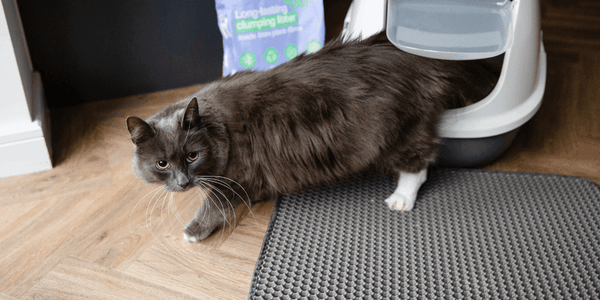
Have you ever found your cat peeing outside their litter box and wondered why it’s happening? It can be frustrating and confusing, especially when you’ve done everything right.
But don’t worry—you’re not alone, and there are clear reasons behind this behavior. Understanding why your cat avoids the litter box can help you fix the problem quickly and keep your home clean and happy. Keep reading, and you’ll discover the surprising causes and simple solutions to this common issue.
Common Reasons Cats Avoid Litter Boxes
Understanding why your cat avoids the litter box can save you a lot of frustration. There are several common reasons behind this behavior, and identifying the cause helps you fix the problem quickly. Let’s look at the main issues that might make your cat pee outside their litter box.
Medical Issues
Sometimes, your cat’s litter box avoidance is a sign of a health problem. Urinary tract infections or bladder stones can make urinating painful, so your cat might associate the litter box with discomfort. If your cat suddenly starts peeing outside the box, a vet visit is the first step to rule out medical issues.
Litter Box Cleanliness
Imagine using a restroom that’s never cleaned. Your cat feels the same about a dirty litter box. Cats are very clean animals and often refuse to use a box that smells or is filled with clumps. Cleaning the box daily and scooping out waste can make a huge difference in your cat’s behavior.
Litter Type Preferences
Not all cats like the same kind of litter. Some prefer fine, soft litter, while others dislike strong scents or rough textures. If you’ve recently changed the litter, your cat might be rejecting it. Try offering different types to see what your cat prefers.
Stress And Anxiety
Changes in your home, like new pets, visitors, or moving furniture, can stress your cat. Stress often causes changes in behavior, including litter box avoidance. Creating a calm environment and giving your cat a safe space can help reduce anxiety.
Territorial Marking
Unneutered cats often mark their territory by peeing outside the litter box. Even neutered cats can do this if they feel threatened by other cats or animals nearby. Understanding this can help you manage your cat’s environment to reduce territorial behavior.
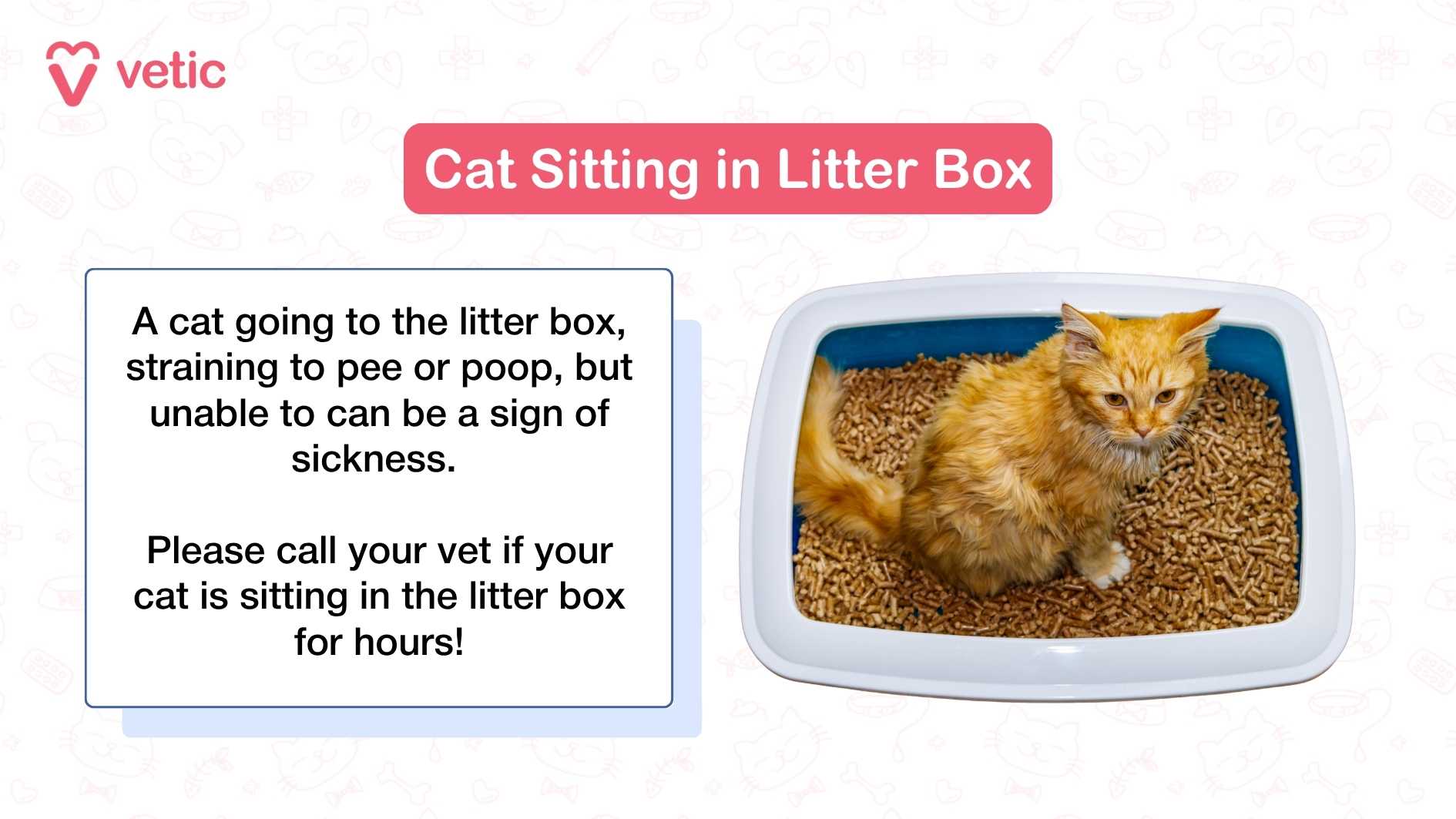
Credit: vetic.in
Behavioral Triggers For Outside Peeing
Cats may pee outside their litter box due to various behavioral triggers. These triggers often relate to changes in their surroundings or feelings of stress. Understanding these causes helps address the issue effectively.
Changes In Environment
Cats are creatures of habit. Moving to a new home or rearranging furniture can confuse them. New sights, smells, and sounds make cats uneasy. This stress can lead to peeing outside the litter box. Keeping their environment stable supports their comfort and routine.
New Pets Or Family Members
Introducing a new pet or family member can upset a cat’s sense of security. They may feel threatened or jealous. This fear or anxiety often causes them to mark territory by peeing outside. Gradual introductions and calm interactions reduce this stress.
Inadequate Litter Box Placement
Where the litter box is placed matters a lot. Cats prefer quiet, private spots. Boxes near loud appliances or busy areas discourage use. Poor placement makes cats avoid the box and pee elsewhere. Choose a calm, accessible location for the litter box.
Negative Litter Box Associations
A bad experience with the litter box can create fear. Loud noises or pain during urination cause cats to avoid the box. Dirty litter or an uncomfortable box also causes refusal. Keeping the box clean and comfortable encourages cats to use it consistently.
Medical Conditions To Rule Out
When cats start peeing outside their litter box, health issues might be the cause. Medical problems can make urinating painful or difficult. This leads cats to avoid their litter box. Checking for medical conditions helps find the right solution. Vets usually examine cats to rule out these health problems first.
Urinary Tract Infections
Urinary tract infections (UTIs) cause pain and burning when cats urinate. Infections irritate the bladder and urethra. Cats often feel the need to pee more often. They may not reach the litter box in time. Treating UTIs with antibiotics usually stops this behavior quickly.
Bladder Stones
Bladder stones are hard mineral lumps that form inside the bladder. They cause discomfort and block urine flow. Stones make urinating painful or difficult. Cats with bladder stones may choose to pee outside the litter box. Vets can detect stones using X-rays or ultrasounds. Surgery or special diets often remove bladder stones.
Kidney Disease
Kidney disease affects waste filtering and urine production. Cats with kidney problems may drink more water. This causes frequent urination. They might miss the litter box due to urgency. Kidney disease needs proper diagnosis and treatment. Managing the disease can reduce litter box issues.
Diabetes
Diabetes causes high blood sugar and increased thirst. Cats urinate more often and in larger amounts. This can result in accidents outside the litter box. Diabetes diagnosis requires blood and urine tests. Treatment with insulin and diet changes helps control symptoms.

Credit: www.reddit.com
Improving Litter Box Setup
Improving your cat’s litter box setup can significantly reduce unwanted accidents outside the box. Cats are particular creatures, and slight adjustments can make a big difference in their comfort and willingness to use the litter box consistently. Let’s dive into how you can fine-tune the setup to encourage better habits.
Choosing The Right Litter
Not all cat litter is created equal. Cats often prefer fine-grained, unscented clumping litter because it mimics natural dirt and is gentle on their paws.
If your cat suddenly stops using the box, try switching the litter type. Some cats dislike strong fragrances or rough textures.
Have you noticed your cat digging less or avoiding the box after a litter change? That’s a clear sign to reconsider the litter choice.
Optimal Box Size And Number
A litter box that’s too small can feel cramped, making your cat look for alternatives. The general rule is to have a box at least 1.5 times the length of your cat from nose to tail.
Also, the number of boxes matters. If you have multiple cats, provide at least one box per cat plus one extra.
Imagine sharing a tiny bathroom with several people—you’d want more space and options. Your cat feels the same way.
Ideal Location Tips
Placing the litter box in a quiet, low-traffic area helps your cat feel safe and undisturbed during bathroom breaks.
Keep the box away from noisy appliances like washing machines or busy hallways. Privacy can encourage regular use.
Have you ever thought about how you feel using a restroom next to a loud vacuum cleaner? Your cat’s preferences are quite similar.
Cleaning Frequency And Methods
Regular cleaning is crucial. Scoop waste at least once a day and completely change the litter weekly.
Wash the box with mild soap and warm water to avoid harsh chemical smells that might deter your cat.
Remember, a dirty box is a common reason cats choose to pee elsewhere. Keeping it fresh shows respect for your cat’s needs and encourages good habits.
Reducing Stress For Your Cat
Stress is a major reason why cats might avoid their litter box. When your cat feels anxious or unsettled, they often express it through behaviors like peeing outside their box. Reducing stress can help your cat feel more comfortable and less likely to act out in this way.
Creating Safe Spaces
Think about your cat’s favorite quiet spots. Providing cozy hideouts or covered beds gives them a place to retreat when they feel overwhelmed. You can use boxes, cat tunnels, or even a simple blanket fort.
These safe spaces act like a refuge. Your cat will have a better sense of control over their environment, which lowers anxiety and helps with litter box habits.
Using Calming Products
Have you tried calming sprays or diffusers? Products with pheromones, like Feliway, mimic natural cat scents that soothe your feline friend. These can reduce stress-related behaviors, including inappropriate urination.
Other options include calming collars or treats containing ingredients like chamomile or valerian root. If your cat is nervous during vet visits or changes at home, these products can make a noticeable difference.
Maintaining Routine
Cats love predictability. Feeding and playtime at the same hours every day helps your cat feel secure. Sudden changes to their schedule can spike stress levels and cause accidents.
Try to keep litter box cleaning consistent too. A clean, familiar environment encourages your cat to use their box instead of searching for alternative spots.
Interactive Play And Attention
Does your cat get enough playtime? Regular interactive sessions keep your cat mentally and physically engaged. This reduces boredom and stress, which are common triggers for peeing outside the box.
Use wand toys, laser pointers, or puzzle feeders to stimulate your cat’s natural hunting instincts. Spending quality time also strengthens your bond, making your cat feel safe and loved.

Credit: www.reddit.com
Training And Behavioral Solutions
Dealing with a cat that pees outside the litter box can be frustrating. However, many times, training and behavioral changes can guide your feline friend back on track. These approaches focus on encouraging positive habits, discouraging unwanted behavior, and gently reintroducing the litter box as a safe and appealing spot.
Positive Reinforcement
Reward your cat immediately when they use the litter box correctly. Treats, gentle petting, or verbal praise can make a big difference in encouraging good habits.
Try to catch your cat in the act or place them in the litter box after meals to increase success. Have you noticed your cat responding better to certain rewards? Tailoring the reward to their preferences can speed up training.
Deterring Outside Pee Spots
Identify the areas where your cat likes to pee and make them unattractive. You can use commercial pet deterrent sprays or even place aluminum foil or double-sided tape on these spots.
Cleaning these areas thoroughly with an enzymatic cleaner removes lingering smells that invite repeat offenses. Think about what might be drawing your cat there—is it privacy, comfort, or something else?
Reintroducing The Litter Box
If your cat has developed a habit of avoiding the box, bring it back into their routine slowly. Start by placing the litter box near the problem spot, then gradually move it to your preferred location.
Keep the box clean and experiment with different types of litter until you find one your cat likes. Have you tried offering multiple boxes in various quiet areas to see if your cat prefers a specific spot?
Consulting A Behaviorist
Sometimes, despite your best efforts, the problem persists. Consulting a feline behaviorist can provide insights tailored to your cat’s unique personality and history.
They can help uncover hidden stressors or medical issues and design a personalized behavior modification plan. Could expert guidance be the key to restoring harmony in your home?
When To Seek Veterinary Help
Noticing your cat peeing outside the litter box can be frustrating and confusing. Sometimes, it’s a simple behavioral issue, but other times, it signals a deeper health problem. Knowing when to seek veterinary help can save your cat from discomfort and prevent serious complications.
Recognizing Urgent Symptoms
Some signs demand immediate veterinary attention. If your cat strains to urinate, cries out in pain, or produces only a few drops, these are red flags. Blood in the urine or frequent attempts to urinate without success also point to urgent issues.
Watch for changes in your cat’s behavior too. Excessive licking of the genital area or sudden aggression can indicate distress. If your cat suddenly stops eating or becomes lethargic, don’t wait to get professional help.
Diagnostic Tests
Once at the vet, expect a thorough examination. Urinalysis is common to check for infections, crystals, or blood. Sometimes, blood tests help identify kidney problems or diabetes.
Imaging like X-rays or ultrasounds may be necessary if your vet suspects bladder stones or tumors. These tests provide a clear picture of what’s going on inside. The vet might also ask about your cat’s diet and litter box habits to find possible triggers.
Treatment Options
Treatment varies depending on the diagnosis. Urinary tract infections often require antibiotics. For crystals or stones, special diets or medications can help dissolve them.
In some cases, surgery may be needed to remove blockages. Behavioral causes might call for environmental changes or medication to reduce stress. Remember, early treatment improves your cat’s recovery chances and quality of life.
Frequently Asked Questions
Why Do Cats Avoid Their Litter Box Sometimes?
Cats may avoid their litter box due to stress, illness, or dirty litter. Changes in environment or box location can also cause this behavior. Identifying the root cause helps in resolving the issue quickly and keeps your cat comfortable.
Can Medical Issues Cause Cats To Pee Outside?
Yes, medical problems like urinary tract infections or bladder stones can cause cats to urinate outside the litter box. A vet checkup is essential to rule out health issues and provide proper treatment to stop inappropriate urination.
How Does Litter Box Cleanliness Affect Cat Behavior?
Cats prefer a clean litter box. Dirty or smelly litter can discourage them from using it. Regular cleaning and changing litter improve their comfort and encourage proper litter box use, preventing accidents around the house.
Does Litter Box Size Impact A Cat’s Usage?
Yes, a litter box that is too small or cramped can deter cats. Providing a spacious, easily accessible box ensures your cat feels comfortable and secure, reducing the chance of peeing outside the box.
Conclusion
Cats peeing outside their litter box can be frustrating. Often, health or stress causes this behavior. Clean the box regularly and choose the right type of litter. Offer a quiet, safe spot for the box. Watch for signs of illness and visit the vet if needed.
Patience and understanding help your cat feel secure. Small changes can make a big difference. Remember, your cat wants to please you. Helping them return to good habits takes time and care.
