

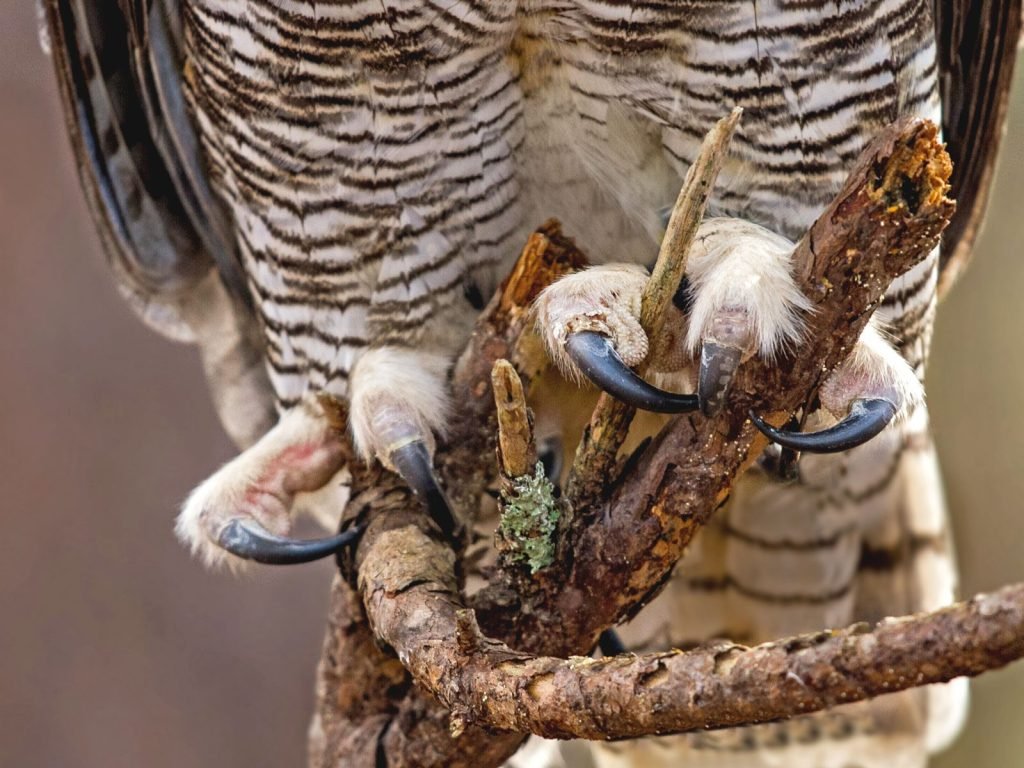
Have you ever wondered if hawks see your cat as a meal? If you have a furry friend roaming outside, this question might worry you.
Hawks are powerful birds of prey, but do they really target cats? Understanding what hawks eat can help you protect your pet and ease your mind. Keep reading to discover the truth about hawks and cats, and learn simple steps to keep your beloved pet safe.

Credit: www.reddit.com
Hawk Diet Basics
Understanding what hawks eat is key to answering whether they pose a threat to your cats. Hawks are birds of prey with diets tailored to their environment and hunting skills. Knowing their feeding habits helps you protect your pets and appreciate these raptors better.
Common Prey For Hawks
Hawks usually hunt small to medium-sized animals. Their diet often includes:
- Rodents like mice and squirrels
- Small birds such as sparrows and pigeons
- Reptiles like lizards and snakes
- Insects and occasionally amphibians
While cats are larger than the typical hawk prey, smaller or young cats outdoors might still catch their attention. Have you ever wondered how often hawks actually target pets instead of wild animals?
Hawks’ Hunting Techniques
Hawks rely on sharp eyesight and swift flight to catch prey. They often perch quietly, scanning for movement before swooping down quickly.
Some hawks use surprise attacks from above, while others chase their prey in open spaces. This method requires speed and precision, traits hawks have mastered.
Understanding these techniques can help you create safer outdoor spaces for your pets. Could altering your yard’s layout reduce hawk encounters with your cats?
.jpg)
Credit: jimmccormac.blogspot.com
Cats As Potential Prey
Hawks are skilled hunters known for their sharp eyesight and swift attacks. While they mainly target small birds and rodents, domestic cats can sometimes become potential prey. Understanding how a cat’s size and behavior influence this risk helps you keep your furry friend safer outdoors.
Size And Behavior Of Domestic Cats
Most domestic cats weigh between 8 and 12 pounds, which is on the larger side for hawk prey. However, smaller or younger cats might appear as easy targets. Your cat’s behavior also matters—a cat that stays still or moves slowly is more vulnerable to a hawk’s sharp gaze.
Active and alert cats are less likely to fall prey. If your cat often climbs trees or chases birds, it increases the chance of encountering a hawk. Have you noticed your cat’s hunting habits? Observing these can help you predict when your cat might be at risk.
Risk Factors For Cats Outdoors
Outdoor cats face many dangers, and hawks are one of them. Open spaces without cover make cats more exposed. Hawks prefer hunting in clear areas where they can spot prey easily.
- Lack of trees or bushes where cats can hide increases risk.
- Daytime outdoor activity is riskier since hawks hunt during the day.
- Feeding stations can attract both cats and hawks, raising the chance of encounters.
Have you tried providing sheltered outdoor spaces like covered patios or cat enclosures? These reduce exposure to hawks while letting your cat enjoy fresh air safely.
Evidence Of Hawk Attacks On Cats
Hawks are birds of prey known for their sharp eyesight and hunting skills. Many pet owners worry about hawks attacking their cats. Understanding the evidence helps to know how real this threat is. Observations and reports offer insights into hawks’ behavior toward cats.
Reported Incidents
Some pet owners have shared stories about hawks attacking their cats. These incidents often happen outdoors, especially with small or young cats. Most reports describe sudden attacks where hawks swoop down quickly.
- Small cats or kittens are more vulnerable to hawk attacks.
- Attacks usually happen in open areas like yards or parks.
- Hawks may carry cats away, but this is rare.
While these stories exist, they are not very common. Many cats live outside without any issues from hawks.
Scientific Studies And Observations
Researchers have studied hawk hunting patterns and diet. Hawks mainly eat small mammals, birds, and reptiles. Cats are not a regular part of their diet.
Some studies show hawks may attack small animals the size of kittens. Larger cats are usually too big for hawks to catch. Scientists observe that hawks prefer easier prey.
| Hawk Species | Common Prey | Likelihood of Attacking Cats |
|---|---|---|
| Red-tailed Hawk | Rabbits, rodents, snakes | Low |
| Cooper’s Hawk | Small birds, squirrels | Moderate (small cats or kittens) |
| Sharp-shinned Hawk | Small birds | Low |
Overall, hawks rarely see cats as prey. Most attacks happen by chance or when cats are small and vulnerable.
Hawk Species That May Threaten Cats
Not all hawks pose a threat to cats, but certain species have the size and hunting habits that could make your feline friend vulnerable. Understanding which hawk species are more likely to see cats as prey can help you take better precautions. Let’s look at the types of hawks you might want to watch out for around your neighborhood or rural areas.
Large Hawks And Their Habits
Large hawks like the Red-tailed Hawk and the Northern Goshawk have strong talons and sharp eyesight. These birds can spot small animals, including cats, from great heights. Their hunting style involves swooping down quickly, making it hard for your cat to escape if caught off guard.
Red-tailed Hawks often hunt in open fields or suburban areas, where outdoor cats roam freely. Northern Goshawks prefer dense forests but can sometimes venture into backyards near wooded zones. Both species are powerful enough to carry off a small cat, so outdoor pets in these regions face increased risk.
Regional Variations In Hawk Behavior
Hawk behavior varies significantly depending on where you live. In some parts of North America, the Cooper’s Hawk is notorious for preying on small birds and sometimes cats. In contrast, in other regions, these hawks focus mostly on smaller prey like squirrels and birds.
In urban areas, hawks may adapt their hunting habits to exploit abundant food sources, increasing the chances of encounters with domestic cats. Have you noticed hawks lurking around your neighborhood? Their behavior might shift based on local prey availability and human activity.
- In the Southwest, the Harris’s Hawk hunts in groups and tends to avoid cats.
- In the Northeast, the Red-shouldered Hawk might come closer to residential areas, increasing risks.
Knowing your local hawk species and their habits helps you decide if your cat needs extra protection outdoors. Are you willing to adjust your cat’s outdoor time based on this information?
Protecting Cats From Hawks
Protecting cats from hawks is important for pet owners who let their cats outside. Hawks can spot small animals like cats easily. Taking steps to keep cats safe can prevent harm and keep them happy. Understanding how to reduce risks helps create a safer outdoor space for cats.
Safe Outdoor Practices
Supervise cats during outdoor playtime. Avoid letting cats roam in open fields or near wooded areas. Use a leash or a cat harness to control their movement. Keep outdoor time short, especially during dawn and dusk when hawks hunt. Create a secure outdoor enclosure with a roof and sides. This gives cats fresh air without risk. Provide shaded spots and hiding places in the yard. These help cats feel safe and avoid hawks.
Deterrents And Preventive Measures
Use visual deterrents to scare away hawks. Hang reflective objects like CDs or aluminum foil strips near cat areas. Place fake hawk or owl decoys to keep real hawks away. Use motion-activated sprinklers or lights to startle birds of prey. Trim tall trees and bushes where hawks can perch. Keep your yard clean of small animals that attract hawks. Providing a safe environment reduces hawk visits and protects cats effectively.
Myths Vs Reality
Many people worry about hawks attacking their cats. Stories and rumors spread fast. Some believe hawks often prey on cats. Others think cats are safe from hawks. Separating fact from fiction helps us understand better.
Common Misconceptions
- Hawks regularly hunt cats as food.
- All hawks are dangerous to small pets.
- Cats cannot defend themselves against hawks.
- Hawks prefer cats over other prey.
- Seeing a hawk near cats means danger is certain.
These ideas create fear but lack strong evidence. Hawks usually hunt smaller animals like rodents and birds.
What Experts Say
Wildlife experts agree hawks rarely attack cats. Cats are often too large or quick to catch. Hawks focus on easier prey to save energy. Most hawks avoid confrontations with animals bigger than themselves.
Experts advise keeping cats indoors to reduce all risks. Hawks are part of nature’s balance and not a common threat to cats.
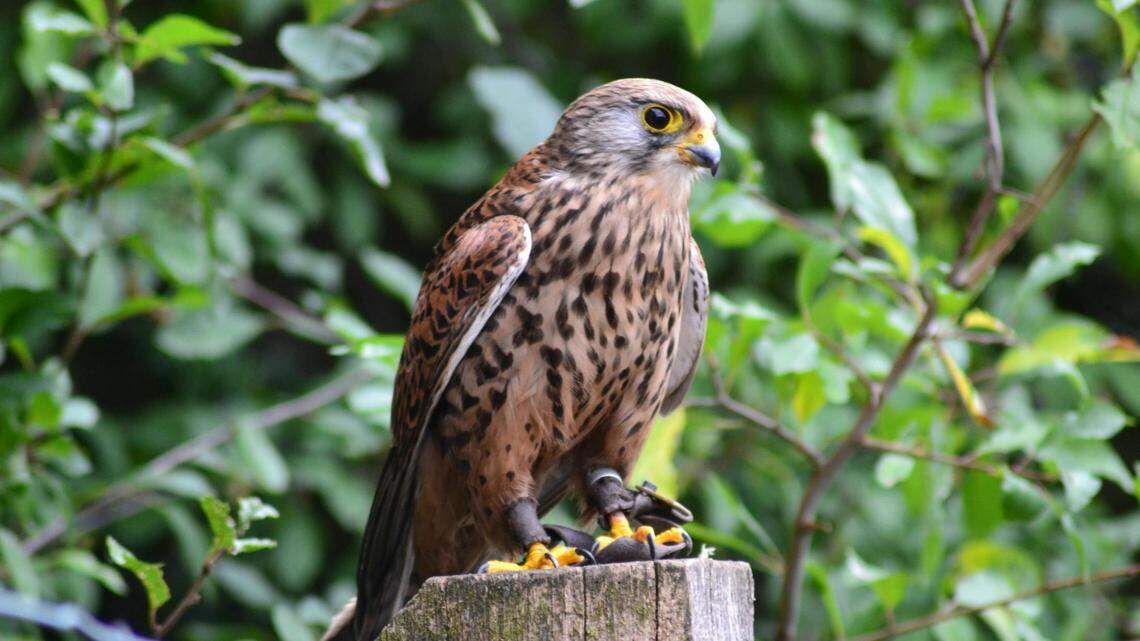
Credit: www.ledger-enquirer.com
Frequently Asked Questions
Do Hawks Commonly Hunt Cats?
Hawks rarely hunt cats because cats are usually too large and aggressive. They prefer smaller prey like rodents and birds. However, small kittens or injured cats might be vulnerable in rare cases.
Can Hawks Pose A Danger To Outdoor Cats?
Yes, hawks can pose some risk to small or young outdoor cats. Adult cats are typically too strong to be attacked. Keeping cats indoors or supervised can minimize any potential danger from hawks.
What Prey Do Hawks Usually Eat?
Hawks primarily eat small mammals, birds, reptiles, and insects. Their diet varies by species and habitat but rarely includes animals as large as adult cats. They hunt for food that is easier to catch and carry.
How Can I Protect My Cat From Hawks?
To protect your cat, keep it indoors or supervise outdoor time. Avoid letting cats roam in open areas where hawks hunt. Providing shelter and cover also helps reduce the risk of hawk attacks.
Conclusion
Hawks rarely hunt cats as prey. Cats are usually too big and quick. Hawks prefer smaller animals like mice or birds. Still, small cats or kittens might be at risk in some places. Keep your pets safe by watching them outside.
Understanding hawk behavior helps protect your furry friends. Nature has its own balance, and both animals play roles. Stay aware, but don’t worry too much about hawks and cats. Safety and care keep pets out of harm’s way.
