

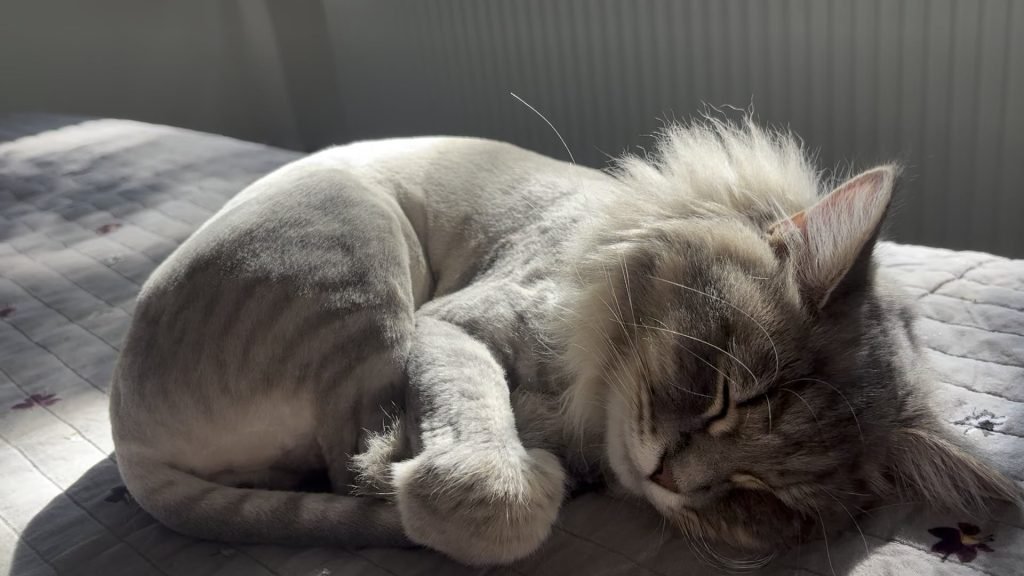
Have you ever watched your cat sleeping peacefully, only to suddenly see their paws twitch or their whiskers move? It can be both curious and a little surprising.
You might wonder, “Why does my cat twitch in his sleep? ” Understanding this behavior can help you feel closer to your furry friend and ease any worries you might have. Keep reading, and you’ll discover the fascinating reasons behind your cat’s nighttime movements—and what they mean for your pet’s health and happiness.
Cat Sleep Cycles
Cats spend a large part of their day sleeping. Understanding their sleep cycles helps explain why they twitch in sleep. Cats have unique patterns compared to humans. Their sleep consists of different stages that serve various functions. These stages alternate throughout their rest time.
Rem And Non-rem Sleep
Cats experience two main sleep stages: REM and Non-REM. REM stands for Rapid Eye Movement. This is when dreaming happens. During REM sleep, cats’ brains are active, and their bodies may twitch or move. This is normal and shows the brain is processing experiences.
Non-REM sleep is deeper and quieter. Cats rest their muscles and recover energy. This stage is essential for physical health. Cats cycle between these stages many times during sleep. Twitching often occurs in REM, signaling vivid dreams or brain activity.
How Cats Sleep Differently
Cats sleep more hours than humans, often 12 to 16 daily. Their sleep is lighter and more fragmented. They wake up easily to check their surroundings. This is a survival trait from wild ancestors.
Unlike humans, cats enter REM sleep quickly. Their sleep cycles are shorter, lasting about 20 minutes each. This allows cats to rest deeply but stay alert. Twitching and small movements are common signs of healthy sleep.
Credit: www.petscare.com
Reasons For Twitching
Cats twitch in their sleep for different reasons. These movements show what happens inside their body and brain. Understanding why cats twitch can help you know more about their health and behavior. Here are some common causes behind this twitching.
Dreaming And Brain Activity
During sleep, cats enter a stage called REM. This is when they dream. Their brain becomes very active in REM sleep. Twitching happens because the brain sends signals to muscles. These signals cause small movements like paw twitches or ear flicks. Twitching shows your cat is dreaming and processing daily events.
Muscle Reflexes
Muscle reflexes also cause twitching during sleep. Reflexes help muscles react to signals quickly. Even when cats rest, some muscles still respond to brain signals. These small twitches help keep muscles healthy and ready for action. Twitching is normal and means muscles work properly.
Nervous System Development
Young kittens twitch more than adult cats. Their nervous system is still growing and learning. Twitching helps develop coordination and muscle control. These movements are part of healthy growth. As kittens grow older, twitching becomes less frequent but may still happen during sleep.
When Twitching Is Normal
Seeing your cat twitch in his sleep can be both fascinating and a bit puzzling. It’s important to recognize when this behavior is a normal part of your feline’s rest and when it might signal something else. Understanding the typical patterns helps you stay calm and know what to watch for.
Typical Sleep Behavior
Cats twitch during the rapid eye movement (REM) phase of sleep, which is when dreaming occurs. You might notice their paws moving, whiskers twitching, or even soft meowing sounds. This is a sign your cat’s brain is active, processing experiences just like you do during dreams.
These twitches usually last for a few seconds and happen sporadically throughout their sleep cycle. It’s a healthy and natural sign that your cat is resting deeply. Have you ever seen your cat’s eyes flicker behind closed lids? That’s another clue they’re dreaming and twitching is just part of the process.
Age-related Twitching Patterns
Kittens tend to twitch more frequently and vigorously as their nervous systems develop. This twitching supports brain growth and coordination skills. If you watch a sleeping kitten, you’ll often see lots of little kicks and wiggles, showing their body is practicing movements.
Older cats may twitch less during sleep but still experience these movements occasionally. If you notice a sudden increase in twitching or intense jerking in an adult cat, it might be worth monitoring. Normal twitching remains gentle and brief, while excessive movement could indicate discomfort or health issues.

Credit: www.reddit.com
Signs Of Sleep Disorders
Noticing your cat twitch in his sleep can be amusing, but sometimes these movements hint at underlying sleep problems. Understanding the signs of sleep disorders is crucial to ensuring your feline friend stays healthy and comfortable. Let’s look closely at what excessive twitching might mean and what other symptoms you should keep an eye on.
Excessive Twitching And Jerking
It’s normal for cats to twitch occasionally during sleep, especially during the REM (rapid eye movement) phase when dreams occur. However, if you see your cat twitching or jerking repeatedly and intensely, it could signal a sleep disorder.
Excessive twitching might look like abrupt limb movements or sudden muscle spasms. If these happen frequently and disrupt your cat’s rest, it may be time to consult a vet. Have you noticed if the twitching wakes your cat up or causes discomfort?
Other Symptoms To Watch For
Besides twitching, sleep disorders in cats can show up in various ways. Watch for signs like:
- Restlessness or frequent waking during sleep
- Excessive daytime sleepiness or unusual lethargy
- Vocalizations such as yowling or meowing while asleep
- Difficulty falling asleep or staying asleep
- Changes in behavior, such as irritability or reduced appetite
Have you ever caught your cat making noises or moving oddly while sleeping? These details can help your vet diagnose potential issues. Tracking these symptoms over time gives you a clearer picture of your cat’s sleep health and can prompt timely care.
Health Conditions Linked To Twitching
Not all twitching in your cat’s sleep is harmless. Sometimes, these movements can signal underlying health issues. Understanding the difference can help you decide when to seek veterinary advice and keep your furry friend safe.
Seizures Vs. Normal Twitching
Normal twitching usually happens during REM sleep and includes small paw movements or whisker twitches. These are typically brief and don’t cause distress. But if your cat’s twitching turns into full-body jerks, stiffening, or loss of consciousness, it might be a seizure.
Seizures can look scary and may be followed by disorientation or unusual behavior. If your cat twitches intensely or has repeated episodes, note the details and consult your vet. Early detection can make a big difference in managing potential problems.
Neurological Issues
Some neurological problems can cause twitching during sleep or even while your cat is awake. Conditions like epilepsy, brain infections, or nerve damage might lead to abnormal muscle movements. These often come with other signs such as changes in balance, coordination, or behavior.
Have you noticed your cat stumbling, acting confused, or having trouble jumping? These could be clues to an underlying neurological issue. Don’t hesitate to get professional advice; your cat’s nervous system health is crucial for a happy life.
Tips To Help Your Cat Sleep Better
Helping your cat sleep well improves their health and mood. Good sleep reduces twitching and restless nights. Simple changes in the environment and routine can make a big difference. Focus on comfort and calmness to support deep, peaceful sleep.
Creating A Comfortable Sleep Space
Choose a quiet spot away from noise and heavy foot traffic. Soft bedding with warmth invites your cat to relax. Cats like cozy, snug places that feel safe and private.
- Use blankets or cushions to add softness.
- Keep the sleeping area clean and free of clutter.
- Place the bed near a window for natural light during the day.
- Ensure the space is dry and draft-free to avoid discomfort.
Reducing Stress And Anxiety
Stress can cause twitching during sleep. Calm your cat with gentle play and routine. Cats feel secure with regular feeding and quiet times.
- Spend time petting and talking softly to your cat.
- Use calming sprays or diffusers designed for cats.
- Keep loud noises and sudden movements to a minimum.
- Provide hiding spots to help your cat feel safe.
When To Visit A Vet
Knowing when to visit a vet is important for your cat’s health. Twitching in sleep is often normal, but certain signs need attention. Watching your cat closely helps you decide if a vet visit is needed.
Identifying Concerning Behaviors
Look for twitching that lasts a long time or happens very often. Sudden jerks or stiff limbs during sleep may show muscle problems. If your cat cries, appears scared, or acts confused after twitching, this is a warning. Loss of balance or weakness is also a serious sign. Notice if your cat stops eating or hides more than usual. These behaviors could mean pain or illness.
Preparing For The Appointment
Write down what you see about your cat’s twitching. Note the time, length, and actions during twitching. Take a video if you can, as it helps the vet understand better. Gather your cat’s medical history and any recent changes in behavior. Bring a calm carrier and a favorite toy to keep your cat relaxed. Arrive early and stay calm to make the visit smooth.

Credit: www.yahoo.com
Frequently Asked Questions
Why Does My Cat Twitch In His Sleep?
Cats twitch during sleep because they experience REM sleep. This stage triggers muscle spasms and eye movements. Twitching helps process memories and experiences. It’s a normal, healthy behavior indicating deep sleep and brain activity.
Is Twitching In Cat Sleep A Sign Of Illness?
Twitching is usually normal during sleep. However, excessive or violent twitching may indicate stress or neurological issues. If your cat shows other symptoms like lethargy or seizures, consult a vet immediately for proper diagnosis and treatment.
Do All Cats Twitch When They Sleep?
Most cats twitch during REM sleep. It’s a natural reflex linked to dreaming and muscle relaxation. However, the amount and intensity vary by individual cat’s age, health, and personality. Twitching is common but not universal.
Can Twitching In Sleep Mean My Cat Is Dreaming?
Yes, twitching often indicates your cat is dreaming. During REM sleep, brain activity resembles wakefulness, causing muscle twitches. Cats likely dream about daily activities, hunting, or play. Twitching is a normal sign of this dreaming phase.
Conclusion
Cats twitch in their sleep because they dream and relax deeply. This movement is normal and shows your cat feels safe. Sometimes, twitching helps their muscles stay active and healthy. Watch your cat often to learn its usual sleep habits.
If twitching seems too strong or lasts long, talk to a vet. Remember, twitching usually means happy dreams and good rest. Your cat’s sleep tells a lot about its health and mood. Keep providing a calm space for your furry friend’s best rest.
