

Are you wondering when the right time is to get your cat neutered? Knowing how old your cat needs to be before this important procedure can make a big difference in their health and behavior.
You want to make the best decision for your furry friend, but there’s a lot of confusing information out there. You’ll discover the key facts about the ideal age for neutering cats. By the end, you’ll feel confident and ready to take the next step to keep your cat happy and healthy.
Keep reading to learn what every cat owner should know!
Ideal Age For Neutering
Deciding the ideal age to neuter your cat is an important step in responsible pet ownership. The timing can affect your cat’s health, behavior, and overall wellbeing. Understanding when to neuter helps you make the best choice for your furry friend.
Early Neutering Benefits
Neutering cats as early as 8 weeks old is becoming more common. Early neutering can prevent unwanted litters and reduce the risk of certain health issues.
It also helps curb aggressive and territorial behaviors before they start. I once neutered my kitten at 10 weeks, and he grew up calmer and less prone to marking. Have you noticed how early neutering can improve a cat’s social behavior?
Common Age Ranges
Most veterinarians recommend neutering cats between 4 to 6 months old. This range balances physical maturity and behavioral benefits.
Some cats can be neutered as early as 8 weeks if they weigh at least 2 pounds. Waiting too long, past 7 months, might increase the chance of unwanted behaviors like spraying or roaming.
Veterinarian Recommendations
Your vet will consider your cat’s breed, health, and lifestyle before suggesting the best age to neuter. Some vets prefer early neutering, especially in shelters.
They also evaluate the risks and benefits based on your cat’s growth and development. Don’t hesitate to ask your vet why they recommend a specific age—understanding their advice helps you make confident decisions for your cat.

Credit: pethoodga.org
Health Benefits Of Neutering
Neutering cats offers many health benefits that improve their quality of life. This simple surgery helps prevent serious illnesses and supports better behavior. It also helps control the cat population, reducing the number of homeless animals. Understanding these benefits helps pet owners make informed decisions about neutering their cats.
Reduced Risk Of Diseases
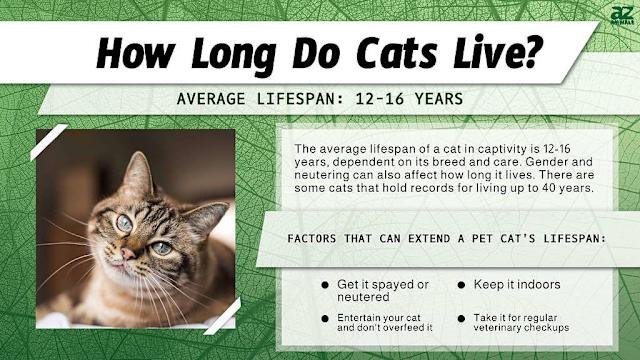
Neutering lowers the chance of certain cancers, like testicular and ovarian cancer. It also reduces the risk of infections in the reproductive organs. Neutered cats tend to have fewer health problems and live longer lives. Early neutering can prevent diseases before they start.
Behavioral Improvements
Neutered cats often show less aggression and territorial behavior. They are less likely to roam far from home, reducing injury risks. Spraying and marking inside the house also decrease. Calmer cats are easier to live with and train.
Population Control
Neutering helps reduce the number of unwanted kittens. This lowers the number of stray and homeless cats. Fewer cats on the streets means less spread of disease and fewer animals in shelters. Population control is key to a healthier community for all pets.
Risks And Considerations
Neutering cats is a common procedure, but understanding the risks and considerations is important. Knowing what to expect can help ensure your cat’s safety and health. This section covers the main risks, age factors, and health checks before surgery.
Potential Surgical Risks
Neutering is generally safe, but risks exist. These include:
- Bleeding during or after surgery
- Infection at the surgical site
- Adverse reactions to anesthesia
- Swelling or pain after the operation
Most cats recover quickly with proper care. Vet supervision reduces risks significantly.
Age-related Factors
Age affects neutering safety and recovery. Very young kittens may have weaker immune systems. Older cats might have hidden health issues. Timing neutering right helps avoid complications. Vets often recommend neutering between 8 to 16 weeks of age for kittens. This age balances safety and health benefits.
Pre-surgery Health Checks
Health checks before surgery are vital. The vet examines your cat’s overall health. Blood tests may check organ function. Vaccination status is reviewed. Cats with illness may need treatment before surgery. These checks reduce surgical risks and improve recovery chances.

Credit: www.animalleague.org
Neutering Process
Neutering is a common and safe surgical procedure for cats. It helps control the pet population and improves health. Understanding the neutering process makes pet owners feel more confident and prepared. The process includes preparation, surgery, and post-surgery care. Each step is important for a smooth recovery and good results.
Preparation For Surgery
Before surgery, cats need to fast for several hours. This means no food or water, usually from midnight. The veterinarian will give specific instructions. Owners should keep the cat calm and comfortable. Bring any medical records to the vet. A health check ensures the cat is fit for surgery. Proper preparation lowers risks during the operation.
What To Expect During Surgery
The cat receives anesthesia to prevent pain and movement. The vet makes a small incision to remove testicles. The surgery usually takes less than 30 minutes. The vet monitors the cat’s vital signs throughout. Most cats wake up quickly after the procedure. The surgery site is clean and stitched or glued closed.
Post-surgery Care
After surgery, keep the cat in a quiet, warm space. Watch for any swelling, bleeding, or unusual behavior. Limit the cat’s movement to prevent injury. Follow the vet’s instructions on medication and feeding. Use an Elizabethan collar if needed to stop licking. Schedule a follow-up visit to check healing progress.
Special Cases
Some cats need special care before neutering. Their age for surgery may differ from typical cases. Understanding these special cases helps ensure safe and effective neutering.
Stray And Shelter Cats
Stray and shelter cats often face different challenges. They may be underweight or stressed. Vets may neuter them earlier, sometimes as young as eight weeks. This helps control the population quickly. Shelter cats usually get health checks before surgery. The goal is fast, safe neutering to reduce community cat numbers.
Cats With Health Issues
Cats with health problems need careful evaluation before neutering. Vets might delay surgery to improve the cat’s condition. Some illnesses require treatment first. The vet decides the best time based on the cat’s health. Surgery may take place once the cat is stable. This approach lowers risks and aids recovery.
Breed-specific Guidelines
Different breeds grow at different rates. Some large breeds mature slower and need later neutering. Small or medium breeds might be neutered earlier. Breeders or vets provide breed-specific advice. Following these guidelines helps avoid health problems. Breed-focused care ensures the cat’s growth and development are supported.

Credit: apetslife.ie
Frequently Asked Questions
At What Age Can Kittens Be Neutered Safely?
Kittens can usually be neutered as early as 8 weeks old. Most vets recommend neutering between 4 to 6 months. Early neutering helps prevent unwanted litters and reduces behavioral issues. Always consult your vet for the best timing for your cat.
Why Is Neutering Cats Before Six Months Important?
Neutering before six months helps control pet overpopulation. It also reduces risks of certain cancers and unwanted behaviors like spraying. Early neutering leads to healthier, calmer cats. It’s a responsible choice for cat owners to promote well-being.
Can Neutering Be Done After Cats Reach One Year?
Yes, cats can be neutered after one year. However, earlier neutering is better for health and behavior. Older cats may have more surgery risks and longer recovery. Discuss your cat’s age and health with your vet to decide timing.
Does Neutering Affect My Cat’s Growth Or Weight?
Neutering may slightly affect weight gain due to hormonal changes. Proper diet and exercise prevent obesity. Neutered cats often live longer, healthier lives. Monitor your cat’s weight and consult your vet for diet advice.
Conclusion
Cats usually get neutered between 4 to 6 months old. Neutering early helps prevent health and behavior problems. It also reduces unwanted litters and stray cats. Talk to your vet to decide the best time for your cat. Taking action at the right age keeps your pet healthy and happy.
Remember, timely neutering supports your cat’s well-being and your community. Simple steps make a big difference.
