

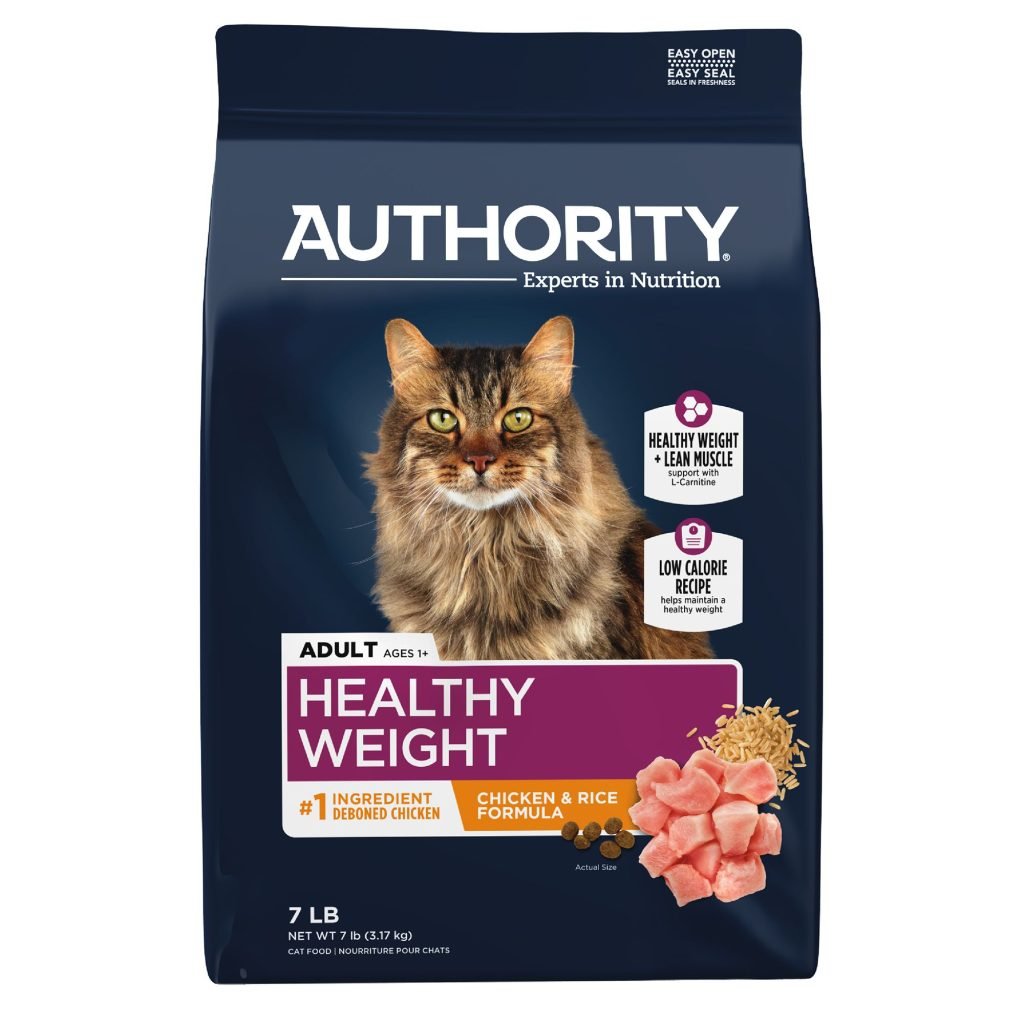
If your cat is struggling to maintain a healthy weight or needs extra energy, choosing the right food is crucial. You want a cat food with high calories that supports their health without causing digestive issues.
But with so many options out there, how do you know which one is best for your furry friend? This guide will help you understand why high-calorie cat food might be necessary and how to pick the perfect formula to keep your cat strong and happy.
Keep reading to discover the key factors that make high-calorie cat food the right choice for your pet.
Why High-calorie Cat Food Matters
High-calorie cat food matters because not all cats have the same energy needs or health conditions. Choosing the right calorie content can directly impact your cat’s vitality, weight management, and overall well-being. Whether your cat is a playful youngster or a senior with special needs, understanding why calorie density matters can help you make better feeding choices.
Energy Needs Of Active Cats
Active cats burn more calories throughout the day. If your cat loves to run, jump, and explore, they need more energy to keep up with their lifestyle.
High-calorie cat food fuels their muscles and keeps them energetic. Without enough calories, your playful cat might lose weight or become lethargic.
Have you noticed your cat slowing down after playtime? It might be a sign they need more calories to sustain their activities.
Benefits For Underweight Cats
Underweight cats often struggle with low energy and weakened immune systems. Feeding them high-calorie food helps them gain healthy weight faster.
This type of food provides concentrated nutrients in smaller portions, which is ideal if your cat has a poor appetite or eats less.
When my friend’s cat was underweight due to illness, switching to calorie-rich food made a visible difference in weeks—more energy, shinier coat, and better mood.
Supporting Senior Cats
Senior cats may lose muscle mass and struggle to maintain weight. High-calorie food supports their changing metabolism and energy needs.
It also helps combat frailty and supports organ function by supplying essential nutrients in an easy-to-digest form.
Would your older cat benefit from fewer meals with more calories, reducing the stress of constant eating while still meeting their nutrition?
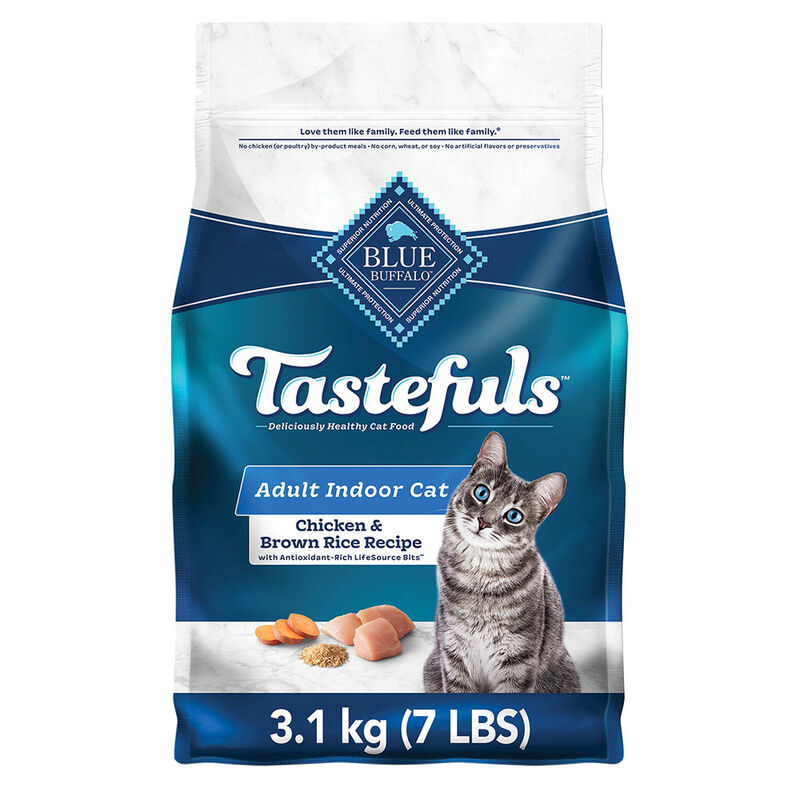
Credit: www.renspets.com
Key Nutrients In High-calorie Cat Food
High-calorie cat food is designed to meet the energy demands of cats that need extra fuel, such as growing kittens, active cats, or those recovering from illness. Understanding the key nutrients packed into these calorie-dense formulas helps you choose the best option for your feline friend. Each nutrient plays a crucial role in maintaining their health while providing the energy they need.
Proteins And Fats
Proteins are the foundation of a cat’s diet, supporting muscle growth and repair. High-calorie cat foods usually contain increased protein levels from sources like chicken, fish, or beef. Fats provide a concentrated energy source and help keep your cat’s coat shiny and skin healthy.
Look for foods with healthy fats such as omega-3 and omega-6 fatty acids. These fats not only boost calories but also support brain function and inflammation control. Have you noticed your cat’s energy drop when switching to low-fat food? That’s a sign fats matter more than you might think.
Essential Vitamins And Minerals
Vitamins and minerals in high-calorie cat food ensure your pet’s body functions properly beyond just energy supply. Vitamins A, D, and E support vision, bone health, and immune defense. Minerals like calcium and phosphorus are critical for strong bones and teeth.
Don’t overlook trace minerals such as zinc and selenium—they aid in healing and protect cells from damage. Your cat’s diet should balance these nutrients to avoid deficiencies or overloads. Have you checked if your cat’s food covers these essentials?
Carbohydrates Role
Cats don’t rely heavily on carbohydrates, but they still play a role in high-calorie diets. Carbohydrates provide quick energy and help keep the food palatable and easy to digest. Ingredients like rice or sweet potatoes often serve as carbohydrate sources in calorie-rich cat foods.
Too many carbs can lead to weight gain or digestive issues, so balance is key. Are you aware of the carbohydrate content in your cat’s food? Understanding this can help you avoid unwanted health problems while ensuring they get the energy they need.
Choosing The Right High-calorie Cat Food
Choosing the right high-calorie cat food is essential for your cat’s health and energy. Cats with high energy needs or weight gain goals require food with balanced nutrients. It is important to select food that supports their overall well-being while providing enough calories.
Consider the form of food, ingredients, and safety aspects. These factors help ensure your cat enjoys meals that fuel their activity and maintain good health.
Wet Vs. Dry Options
Wet cat food contains more moisture, which helps with hydration. It often has higher protein and fat content. Many cats find wet food tastier, encouraging better eating.
Dry food is convenient and has a longer shelf life. It can help keep teeth cleaner through chewing. Dry options tend to have concentrated calories but less moisture.
Choosing between wet and dry depends on your cat’s preference and needs. Mixing both can offer variety and balanced nutrition.
Reading Ingredient Labels
Look for meat or fish listed as the first ingredient. These provide essential proteins and fats. Avoid foods with too many fillers like corn or wheat.
Check the calorie content per serving to ensure it meets your cat’s energy needs. Ingredients should support muscle health and energy without extra sugar.
Quality ingredients often mean better absorption of nutrients. This helps your cat gain weight safely and stay active.
Avoiding Harmful Additives
Steer clear of artificial colors, flavors, and preservatives. These can cause allergies or digestive problems. Natural ingredients help maintain your cat’s health.
Some additives may harm cats over time. Read labels carefully to avoid harmful substances. Choose brands that prioritize safe and natural recipes.
Healthy cat food supports long-term wellness and energy. Avoiding additives protects your cat’s immune system and digestion.
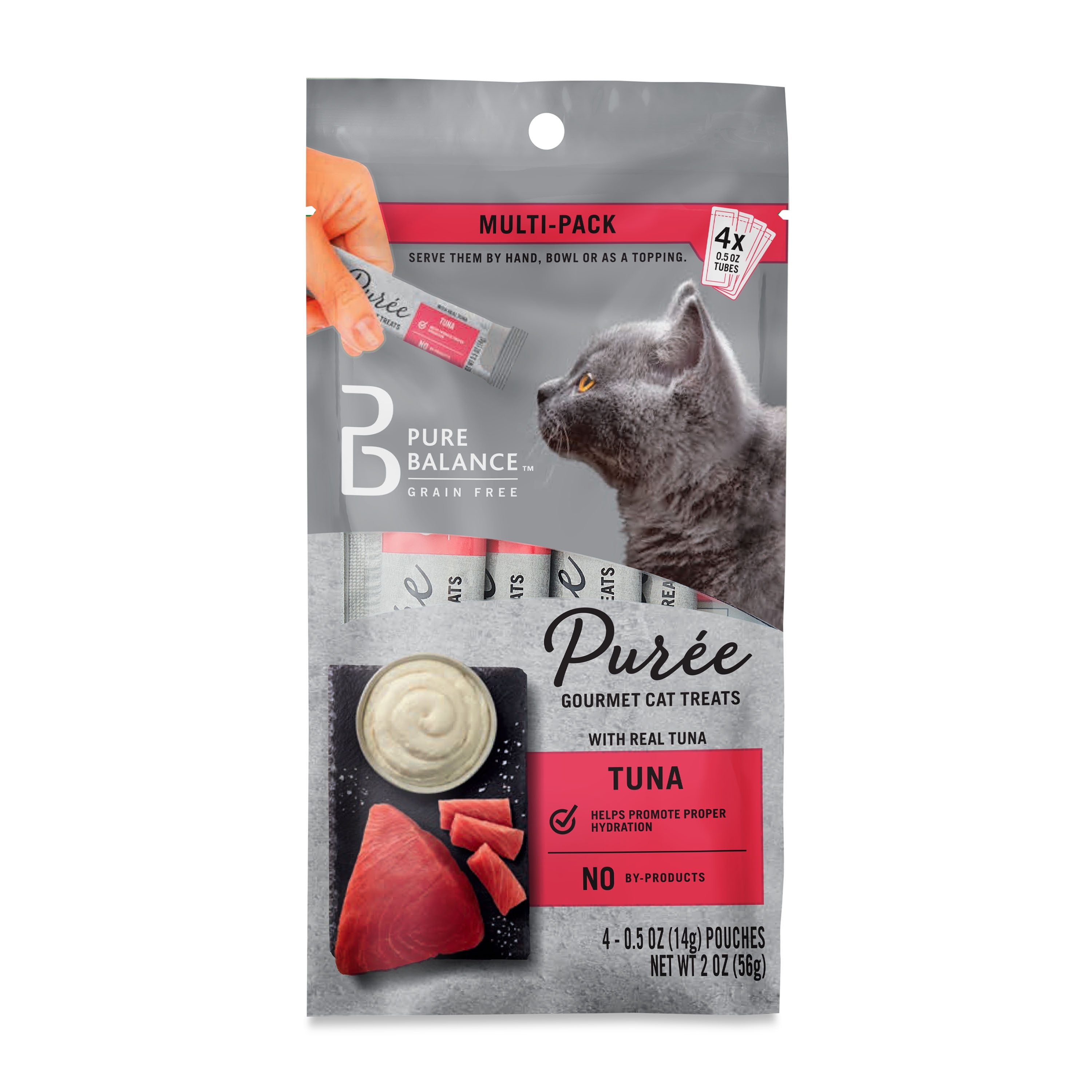
Credit: www.walmart.com
Homemade High-calorie Cat Food Ideas
Making high-calorie cat food at home lets you control exactly what your feline friend eats. It’s perfect if your cat needs extra energy, such as during recovery or if they’re naturally picky. Homemade meals can be both nutritious and delicious, helping your cat gain weight without unhealthy fillers.
Protein-rich Recipes
Your cat needs strong protein sources to build muscle and stay active. Try cooking lean chicken, turkey, or rabbit, then finely chop or shred the meat for easy eating. Mixing in boiled eggs can boost protein even more, plus they’re gentle on your cat’s stomach.
Have you noticed how cats perk up with fresh, meaty flavors? Adding small amounts of fish like salmon or sardines occasionally can also provide variety and extra calories.
Healthy Fat Sources
Fat is a dense energy source that cats love. You can add small amounts of fish oil or olive oil to your cat’s meals. These fats not only increase calories but also promote a shiny coat and healthy skin.
Be careful not to overdo it—too much fat can upset your cat’s digestion. A teaspoon of oil mixed into the food a few times a week is usually enough to see benefits without risks.
Safe Treats And Supplements
Boost calories by offering safe treats like cooked liver or small cubes of cheese. These are nutrient-dense and often irresistible to cats. Just remember that treats should not replace balanced meals.
Consider adding supplements like taurine, which is essential for cats but might not be sufficient in homemade diets. Always check with your vet before adding supplements to avoid overdosing.
Feeding Tips For Boosting Energy
Boosting your cat’s energy through high-calorie food requires more than just picking the right product. How you feed your cat can make a huge difference in how well they absorb and use those calories. You want to support their vitality without overfeeding or causing digestive issues.
Meal Frequency And Portions
Feeding smaller meals more often can help your cat digest high-calorie food better and maintain steady energy levels throughout the day. Instead of one or two large meals, try dividing the daily portion into three to four servings.
Watch your cat’s appetite closely—some cats prefer grazing while others thrive on scheduled meals. Adjust portions based on how much your cat eats comfortably without leaving excess food.
Monitoring Weight And Health
Keep a close eye on your cat’s weight and overall health as you increase calorie intake. Sudden weight gain or loss can signal that adjustments are needed.
Regularly check for changes in coat condition, energy level, and bathroom habits. These signs often tell you if your cat is benefiting from the calorie boost or if the diet needs tweaking.
Adjusting Diet For Activity Levels
If your cat becomes more active, their calorie needs may increase. Conversely, a more sedentary lifestyle means you might need to reduce portions to avoid excess weight gain.
Observe how your cat moves and plays. You might find yourself increasing calories on active days and scaling back during rest periods to maintain a healthy balance.
When To Consult A Veterinarian
Knowing when to consult a veterinarian about your cat’s diet is crucial, especially if you’re considering high-calorie cat food. Cats have unique nutritional needs, and sudden changes in their energy intake can signal underlying issues. Watching for specific signs can help you decide when professional advice is necessary to keep your feline friend healthy and active.
Signs Of Nutritional Deficiency
Have you noticed your cat losing weight despite eating well? Or maybe their coat looks dull and lifeless. These can be red flags for nutritional deficiency.
- Weight loss or poor weight gain
- Excessive shedding or patchy fur
- Reduced energy levels or lethargy
- Digestive problems like vomiting or diarrhea
If any of these signs persist, it’s time to seek veterinary advice. Your cat’s diet might lack essential nutrients despite high calories, and a vet can pinpoint what’s missing.
Health Conditions Affecting Energy
Certain health conditions can affect how your cat processes calories and energy. Diabetes, thyroid problems, and kidney disease are common examples that can cause unexpected weight changes and appetite shifts.
High-calorie food might not always be the answer if your cat has an underlying illness. A vet can run tests to identify these conditions early and tailor a treatment plan.
Don’t ignore sudden changes in behavior or eating habits. Could your cat’s lack of energy be more than just a diet issue?
Customized Dietary Plans
Every cat is different, and what works for one might not suit another. A veterinarian can create a customized dietary plan based on your cat’s age, weight, activity level, and health status.
This plan often includes recommendations for specific types of high-calorie cat food, supplements, or feeding schedules. It ensures your cat gets the right balance without risking obesity or nutrient imbalance.
Working with a vet means you’re not guessing—you have expert guidance to help your cat thrive. Have you considered professional advice to fine-tune your cat’s nutrition?
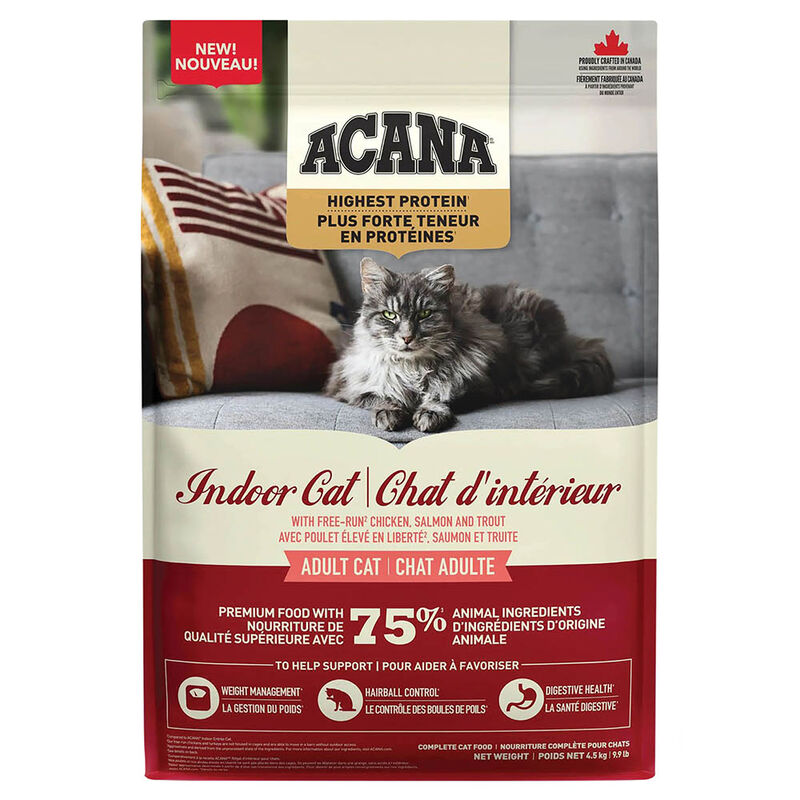
Credit: www.renspets.com
Frequently Asked Questions
What Are The Benefits Of High-calorie Cat Food?
High-calorie cat food supports weight gain and energy needs. It’s ideal for active, growing, or underweight cats. It helps maintain muscle mass and overall health. This food type ensures cats get enough nutrients for vitality and recovery.
How To Choose The Best High-calorie Cat Food?
Look for foods with 400+ calories per cup. Check ingredients for quality protein and fat sources. Avoid fillers like corn or soy. Choose brands with good reviews and veterinary approval. Tailor choice to your cat’s age and health needs.
Can High-calorie Cat Food Cause Obesity?
Yes, overfeeding high-calorie food can lead to obesity. Monitor your cat’s weight regularly. Feed the recommended portion size based on activity and health. Consult a vet for personalized feeding advice to avoid excess weight gain.
When Should I Feed My Cat High-calorie Food?
Use high-calorie food for kittens, pregnant or nursing cats. Also for cats recovering from illness or surgery. Active outdoor cats may benefit too. Always consult your vet before switching to high-calorie diets for safety.
Conclusion
Choosing cat food with high calories helps active or underweight cats stay healthy. Such foods provide energy and support growth. Always check the ingredients for quality nutrients. Feed your cat the right amount to avoid weight problems. Watch your cat’s health and adjust food if needed.
Good nutrition makes your pet happier and stronger. Keep your cat’s needs in mind for the best diet. A careful choice leads to a healthy, lively feline friend.
