

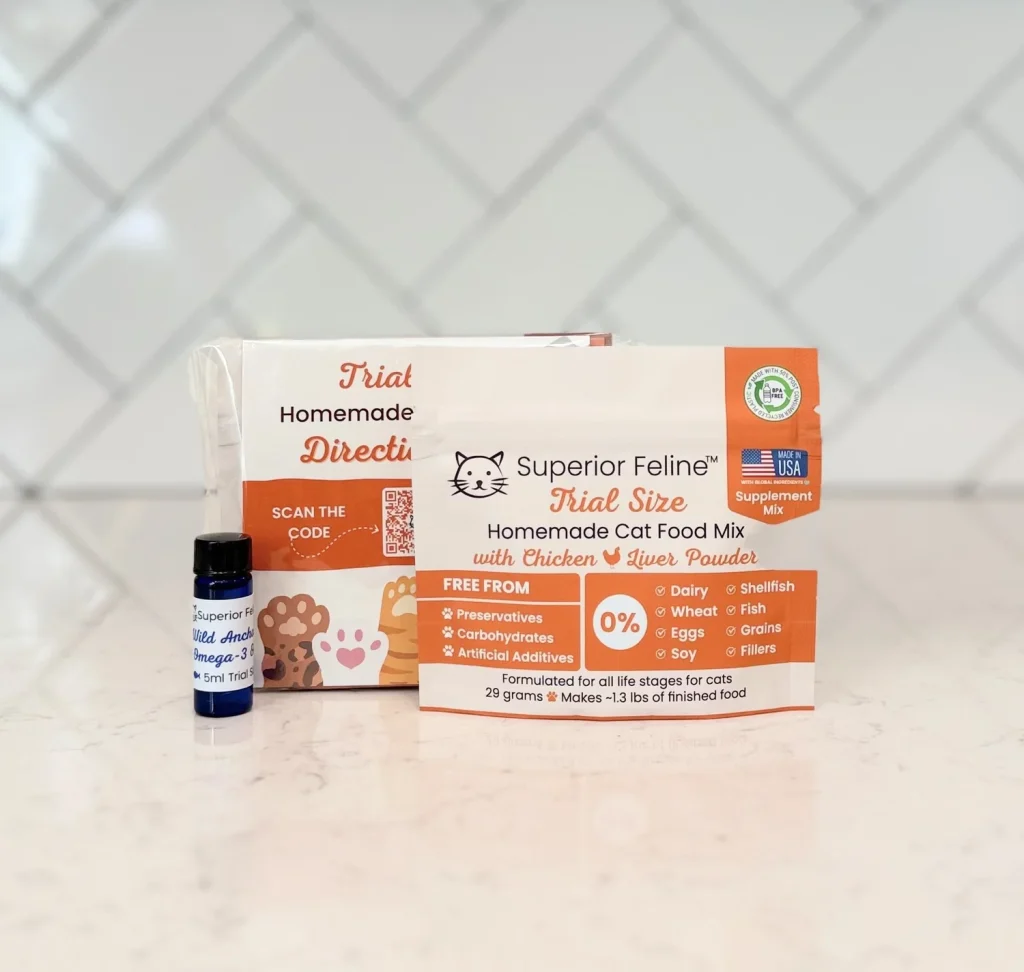
Is your cat struggling to put on weight no matter what you try? You’re not alone, and the good news is that you can take control by preparing homemade cat food designed to help your furry friend gain healthy weight.
Feeding your cat the right meals isn’t just about adding calories—it’s about giving them the nutrients they need to feel stronger and more energetic. Keep reading, because you’re about to discover simple, effective recipes and tips that will transform your cat’s diet and bring back their sparkle.
Your cat’s health and happiness depend on it!
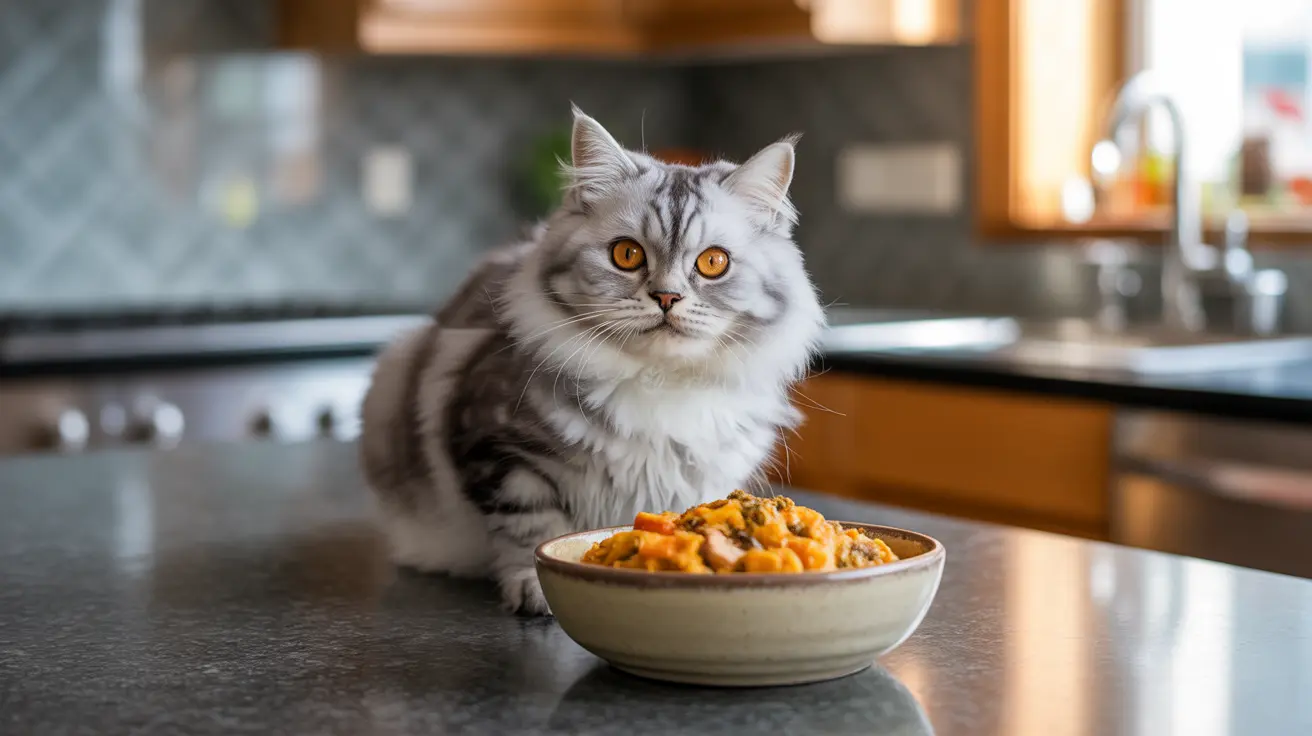
Credit: www.petscare.com
Benefits Of Homemade Cat Food
Choosing homemade cat food to help your feline gain weight offers several unique benefits that you might not find in commercial options. When you prepare meals yourself, you have the chance to provide fresh, wholesome ingredients tailored specifically to your cat’s needs. This hands-on approach can make a real difference in your cat’s health and happiness.
Control Over Ingredients
Making food at home means you know exactly what goes into each meal. You can avoid fillers, artificial preservatives, and ingredients that might cause allergies or digestive issues. This control helps you focus on nutrient-rich foods like lean meats, healthy fats, and essential vitamins.
Have you ever read a pet food label and wondered about some of the mysterious ingredients listed? With homemade meals, that uncertainty disappears.
Improved Nutrient Intake
Homemade cat food allows you to increase the calorie density and add specific nutrients to support healthy weight gain. Adding ingredients like cooked eggs, chicken liver, or salmon oil boosts protein and healthy fats, which are crucial for building muscle and maintaining energy.
Pay attention to your cat’s response to different ingredients. You can adjust recipes to maximize nutrient absorption and keep meals exciting.
Tailored To Cat’s Preferences
Each cat has unique tastes and textures they prefer. You can experiment with different proteins and textures—like minced meat, shredded chicken, or soft pâtés—to find what your cat enjoys most.
Have you noticed your cat turning their nose up at certain foods? Homemade meals give you the flexibility to customize every bite, making mealtime something your cat looks forward to.
Key Nutrients For Weight Gain
Helping your cat gain weight safely means focusing on the right nutrients. Not all calories are equal, and your cat’s body needs specific building blocks to add healthy pounds. Knowing which nutrients to prioritize can make a big difference in your homemade cat food recipes.
High-quality Proteins
Protein is the foundation of muscle growth and repair. Cats are obligate carnivores, so they need animal-based proteins like chicken, turkey, or fish. These proteins provide essential amino acids like taurine, which cats can’t produce on their own.
Try adding cooked chicken breast or canned sardines to your cat’s meals. This not only boosts protein but also makes the food tastier, encouraging your cat to eat more. Ever noticed how your cat perks up at the smell of fresh meat? That’s a good sign you’re on the right track.
Healthy Fats
Fats are a dense energy source and help your cat gain weight faster. They also improve skin and coat health, which means your cat will look as good as they feel. Ingredients like salmon oil, chicken fat, or egg yolks are excellent sources of healthy fats.
Adding a small amount of these fats can make homemade food more calorie-rich without increasing volume. Have you tried mixing in a teaspoon of fish oil? Many cats love the taste and you’ll see a difference in their energy levels.
Essential Vitamins And Minerals
Vitamins and minerals support your cat’s overall health and help their body use proteins and fats effectively. Calcium, phosphorus, and vitamins A, D, and E are crucial for weight gain and strong bones. Without these, your cat might gain weight but miss out on vital health benefits.
Bone meal powder or finely ground eggshells can add calcium naturally. Don’t forget a quality multivitamin supplement designed for cats if you’re unsure about nutrient balance. What vitamins do you currently include in your cat’s diet?
Safe Ingredients For Cats
Choosing the right ingredients is crucial when preparing homemade cat food to help your feline friend gain weight safely. Cats have very specific dietary needs, and including safe, nutritious foods can make a big difference in their health and energy levels. Let’s look at some ingredients that support healthy weight gain without compromising your cat’s wellbeing.
Meats And Proteins
Cats are obligate carnivores, which means they need animal-based proteins to thrive. High-quality meats like chicken, turkey, and lean cuts of beef provide the essential amino acids your cat requires.
Adding cooked eggs or fish can also boost protein intake, but avoid raw fish due to the risk of parasites. When I started feeding my cat homemade meals with well-cooked chicken and eggs, I noticed a steady increase in his muscle tone and energy.
- Chicken (skinless, boneless)
- Turkey
- Lean beef
- Cooked eggs
- Salmon (cooked, occasional)
Vegetables And Supplements
While cats don’t need many vegetables, small amounts of safe veggies can add fiber and vitamins. Pumpkin and carrots are great options that also help digestion, which can aid weight gain by improving nutrient absorption.
Supplements like taurine and omega-3 fatty acids are vital. Taurine supports heart health, and omega-3s reduce inflammation. I added a taurine supplement to my cat’s diet, and his coat became shinier and softer, showing improved overall health.
- Pureed pumpkin
- Steamed carrots
- Taurine supplement
- Fish oil (for omega-3s)
Avoiding Harmful Foods
Never feed your cat onions, garlic, chocolate, grapes, or raisins—they are toxic and can cause serious health problems. Also, avoid excessive dairy as many cats are lactose intolerant, which can lead to stomach upset.
Processed human foods and raw dough should be off-limits. Have you ever wondered why some cats refuse homemade food? Sometimes it’s because of harmful or unappealing ingredients sneaking in.
- No onions or garlic
- No chocolate or grapes
- Avoid dairy products
- No raw dough or processed foods

Credit: holisticvetblend.com
Easy Homemade Cat Food Recipes
Easy homemade cat food recipes can help your cat gain weight safely. They use simple ingredients that provide good nutrition. These recipes are gentle on your cat’s stomach and full of flavor. You can prepare them quickly at home. Each recipe focuses on high protein and healthy fats.
Chicken And Rice Mix
This recipe combines lean chicken and soft rice. Chicken gives protein, rice adds energy. Cook chicken thoroughly and shred into small pieces. Boil rice until soft. Mix chicken and rice in a bowl. Add a little chicken broth for taste and moisture. Serve warm for best results.
Salmon And Sweet Potato Blend
Salmon is rich in omega-3 fats that help weight gain. Sweet potato provides fiber and vitamins. Bake or steam salmon, remove bones, and flake it. Cook sweet potato until soft and mash it. Blend salmon and sweet potato together. Add a teaspoon of olive oil to increase calories. This meal is tasty and healthy.
Turkey And Pumpkin Meal
Turkey is a lean meat packed with protein. Pumpkin helps digestion and adds moisture. Cook ground turkey thoroughly. Use canned or cooked pumpkin puree without spices. Mix turkey and pumpkin in equal parts. Add a small amount of cooked quinoa for extra energy. This meal supports weight gain and keeps your cat’s tummy happy.
Tips To Encourage Eating
Encouraging a cat to eat homemade food can be a challenge. Cats may resist new tastes or textures at first. Patience and small changes help improve their interest. The goal is to make meals inviting and enjoyable for your cat. Simple adjustments can boost their appetite and support healthy weight gain.
Feeding Frequency And Portions
Feed small meals several times a day. Cats prefer multiple small portions over one large meal. This approach helps improve digestion and appetite. Keep portions manageable to avoid overwhelming your cat. Gradually increase portion sizes as their interest grows. Consistent feeding times create a routine and comfort for your pet.
Enhancing Flavor And Texture
Mix in tasty ingredients like broth or cooked fish. Warm the food slightly to release aroma and enhance flavor. Add a bit of moisture to soften dry food. Offer a variety of textures, such as pate or chunks, to find your cat’s favorite. Avoid strong spices or seasonings that may upset their stomach.
Monitoring Cat’s Response
Watch your cat’s behavior during and after meals. Note which foods and textures they prefer. Adjust the recipe based on their reactions and appetite. Keep track of their weight and overall health regularly. Consult a vet if eating problems persist or worsen. Early changes can prevent serious health issues.
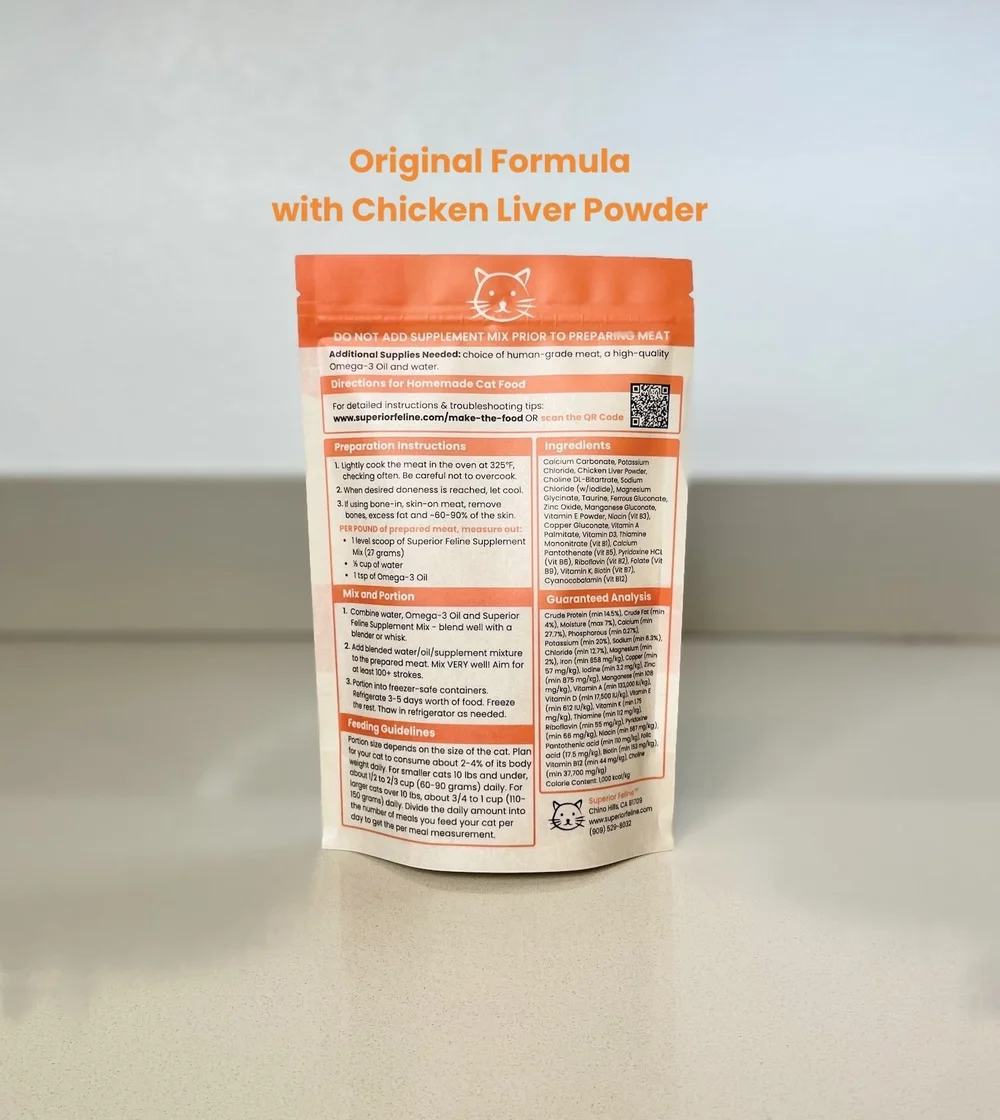
Credit: www.alertlearning.co.th
When To Consult A Veterinarian
Knowing when to consult a veterinarian is crucial if you’re preparing homemade cat food to help your feline gain weight. Your cat’s health can change quickly, and professional guidance ensures you’re on the right track. Ignoring warning signs or nutrition gaps can lead to serious health problems.
Signs Of Weight Issues
Watch for sudden weight loss or if your cat looks noticeably thinner over a short period. You might notice ribs, spine, or hip bones becoming prominent, which can indicate unhealthy weight loss.
Other signs include lack of energy, decreased appetite, or changes in grooming habits. If your cat is hiding more or seems lethargic, these can also be red flags.
Professional Dietary Advice
A veterinarian can tailor dietary advice to your cat’s specific needs. Cats have unique nutritional requirements that homemade meals might miss without careful planning.
Discuss your homemade recipes with the vet to ensure they meet protein, fat, and vitamin requirements. They can also recommend safer feeding schedules and portion sizes to encourage healthy weight gain.
Supplement Recommendations
Sometimes, homemade food alone isn’t enough, and your cat may need supplements to fill nutritional gaps. A vet can suggest supplements like omega-3 fatty acids, taurine, or specific vitamins that support healthy weight gain.
Do not add supplements without professional advice, as overdosing can harm your cat. Your vet will provide the right type and dosage, keeping your cat’s health balanced and safe.
Frequently Asked Questions
What Ingredients Help Cats Gain Weight?
Homemade cat food should include high-protein ingredients like chicken, turkey, or fish. Healthy fats such as fish oil or flaxseed oil can also promote weight gain. Incorporate carbohydrates like rice or sweet potatoes for energy. Always ensure the food is nutritionally balanced and consult your vet for tailored advice.
How Often Should I Feed My Underweight Cat?
For underweight cats, feeding small, frequent meals can help. Offering 3 to 4 meals daily may encourage better weight gain. This approach allows for consistent nutrient absorption and energy levels. Adjust portions and frequency based on your cat’s needs and veterinarian recommendations.
Can Supplements Aid In Cat Weight Gain?
Yes, supplements can assist in cat weight gain. Nutrient-rich supplements like omega-3 fatty acids or probiotics can enhance their diet. These supplements support digestion and overall health. Always consult your vet before introducing new supplements to ensure they’re appropriate and safe for your cat.
How Can I Make Cat Food More Appealing?
To make cat food more appealing, try warming it slightly to enhance aroma. Adding a small amount of wet food or broth can also increase palatability. Experiment with different textures and flavors to find your cat’s preference. Ensure any additions are safe and nutritionally appropriate.
Conclusion
Feeding your cat homemade food helps them gain healthy weight. Use fresh ingredients rich in protein and fats. Keep meals balanced and tasty to encourage eating. Watch your cat’s progress and adjust recipes as needed. Always ensure the food suits your cat’s needs.
Homemade meals can make your cat stronger and happier. Small changes can bring great results over time. Give your cat the nutrition it deserves every day.
