

Are you curious about how long your cat will be pregnant? Understanding your cat’s pregnancy timeline can help you prepare for the arrival of her kittens and ensure she stays healthy throughout the process.
Knowing what to expect can ease your worries and keep you ready for every stage. Keep reading to discover exactly how long cats stay pregnant and what signs you should watch for along the way. This knowledge will make you feel confident and prepared for the exciting days ahead.
Credit: www.pethealthclub.com
Cat Pregnancy Duration
Understanding how long cats stay pregnant helps you prepare for the arrival of kittens and care for your feline friend properly. Cat pregnancy, also called the gestation period, varies slightly among individual cats but usually fits within a predictable range. Knowing what affects this duration can help you spot any issues early and ensure a smooth pregnancy.
Typical Gestation Period
The usual pregnancy length for cats is about 63 to 65 days, roughly two months. Some cats may deliver a few days earlier or later, but going beyond 70 days is uncommon and should prompt a vet visit.
During this time, your cat’s body changes quickly as the kittens develop. You might notice her belly growing, changes in appetite, and shifts in behavior as she prepares for motherhood.
Factors Affecting Length
Several factors can influence how long your cat stays pregnant. Age plays a role; younger cats might have slightly shorter pregnancies, while older cats could take a bit longer.
The number of kittens also matters. Smaller litters often mean a longer gestation, while larger ones can lead to a shorter pregnancy. Stress and health conditions can impact timing too.
- Nutrition quality during pregnancy
- Breed differences, as some breeds have naturally varying gestation lengths
- First-time mothers may experience slightly different pregnancy lengths compared to experienced cats
Have you noticed any unusual signs during your cat’s pregnancy? Tracking these details can help you support her better and know when to seek veterinary advice.
Signs Of Cat Pregnancy
Recognizing the signs of cat pregnancy helps in providing proper care. Cats show different symptoms as pregnancy progresses. Early detection can improve health support for the mother and her kittens.
Early Symptoms
- Loss of appetite may occur in the first week.
- Increased affection or clinginess towards humans.
- Nausea or occasional vomiting might be noticed.
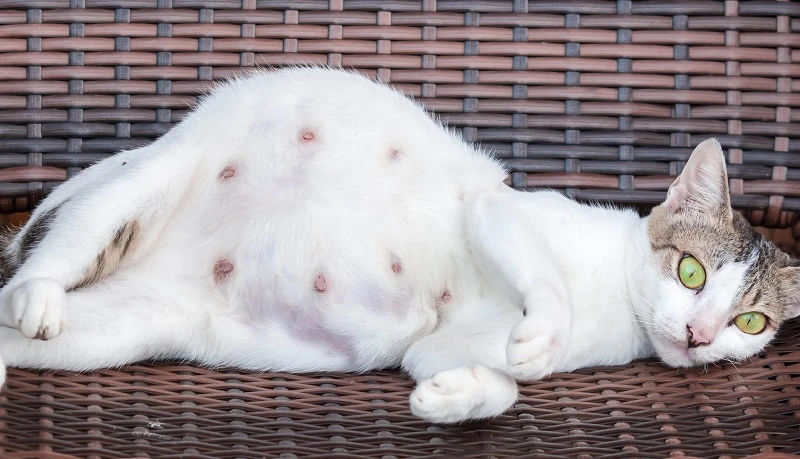
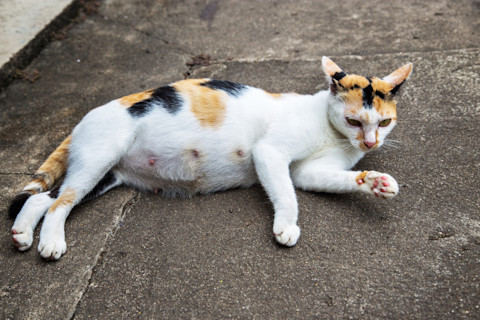
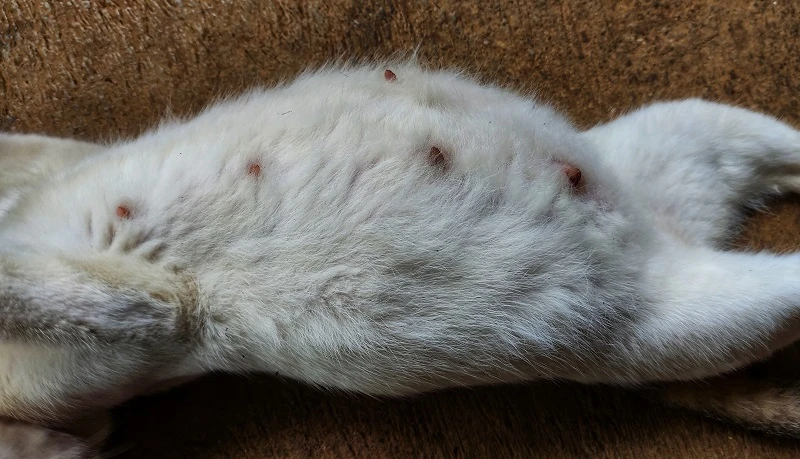
- Swelling and redness of nipples appear after two weeks.
- Some cats become more tired and rest often.
Physical Changes
- Abdomen starts to swell around the third week.
- Nipples grow larger and pinker, known as “pinking up.”
- Weight gain becomes visible as kittens grow.
- Skin around the belly stretches and becomes loose.
- Some cats develop a slight waddle when walking.
Behavioral Shifts
- Increased nesting behavior as delivery time nears.
- More vocal or restless during the final weeks.
- Less active and prefers quiet, safe places.
- May become protective or cautious around strangers.
- Changes in grooming habits, sometimes over-grooming.
Stages Of Cat Pregnancy
Understanding the stages of cat pregnancy helps you provide the best care for your feline friend during this crucial time. Each trimester brings unique changes and needs, both for the mother and her developing kittens. By recognizing these stages, you can watch for signs, support her health, and prepare for the arrival of the litter.
First Trimester
The first trimester lasts about three weeks. During this time, fertilization occurs, and the embryos begin to implant in the uterus.
Your cat might show subtle changes like slight appetite shifts or mild tiredness, but often, signs are easy to miss. You may notice her spending more time resting or a little increase in affection.
Have you ever wondered how early you could tell if your cat is pregnant? A vet can confirm pregnancy through ultrasound as early as 15 days after mating.
Second Trimester
This phase covers weeks four to six and is when the kittens grow rapidly. You’ll start to see a visible change: your cat’s belly will enlarge noticeably.
Her appetite usually increases, so be prepared to offer extra, nutritious meals. You might also observe behavioral changes such as nesting or increased protectiveness.
Keep an eye on her energy—she may still be active but will tire more easily. Providing a quiet and comfortable space now is crucial to reduce stress.
Third Trimester
The final trimester lasts from week seven until birth, about nine weeks in total. Your cat’s belly becomes very round, and her mammary glands may swell in preparation for nursing.
She may start nesting behavior more intensely, seeking out safe, cozy places to give birth. This is the time to prepare a quiet birthing area for her.
Have you noticed your cat’s appetite drop or restlessness increase during this time? These are signs that labor is approaching, so stay alert and ready to assist if needed.
Caring For A Pregnant Cat
Caring for a pregnant cat requires attention and gentle care. Pregnancy changes a cat’s needs and behavior. Providing the right support helps her stay healthy and comfortable. Understanding her nutrition, environment, and health checks is essential during this time.
Nutrition Needs
A pregnant cat needs more calories and nutrients. Feeding high-quality kitten food supports her and her growing kittens. Increase her food portions gradually as pregnancy progresses. Fresh water must always be available. Avoid giving treats that offer no nutrition. Balanced meals help kittens develop strong bones and healthy organs.
Safe Environment
Pregnant cats need a quiet and cozy space. Prepare a nesting area with soft blankets and low noise. Keep her away from other pets that may stress her. Avoid sudden loud sounds or too much handling. Make sure the space is clean and warm. This environment helps her feel calm and secure.
Regular Vet Visits
Vet check-ups ensure the pregnancy is on track. The vet can detect any health issues early. Vaccinations and parasite control may need adjustment. Discuss any unusual behavior or symptoms with the vet. Follow all medical advice to keep mother and kittens safe. Regular visits give peace of mind during this special time.
Preparing For Cat Birth
Preparing for your cat’s birth is a crucial time that requires attention and care. You want to create a calm and safe environment for your cat as she gets ready to welcome her kittens. Understanding what to expect and how to assist can make a big difference in the experience for both you and your feline friend.
Signs Of Labor
Recognizing the signs of labor helps you stay calm and ready. Your cat might start nesting, becoming restless and pacing around. She may also groom herself excessively and lose interest in food.
Other signs include:
- Heavy breathing or panting
- Visible contractions or abdominal tightening
- Vocalizing more than usual
Have you noticed your cat suddenly acting different or more clingy? These behavior changes often mean labor is near.
Setting Up A Nest
Your cat needs a quiet, warm, and comfortable place to give birth. Choose a box or a small enclosed space lined with soft blankets or towels. This nest should be in a low-traffic area where your cat feels safe and undisturbed.
Keep the nest clean but avoid changing the bedding too often, as your cat likes familiar scents. Adding a heating pad under part of the nest can help keep it warm, but make sure your cat can move away if she feels too hot.
When To Call The Vet
Knowing when to call the vet can save lives. If your cat has been in active labor for more than two hours without delivering a kitten, it’s time to seek help. Also, watch for signs like:
- Excessive bleeding
- Strong contractions for over an hour without progress
- Visible distress or weakness
- Clear or green discharge lasting more than 24 hours
Don’t hesitate to call your vet if you feel unsure or notice anything unusual. Your quick action can ensure a safe delivery for your cat and her kittens.
Common Pregnancy Issues
Pregnancy in cats can come with various challenges. Knowing common pregnancy issues helps cat owners support their pets better. Some problems might affect the mother or the kittens. Early detection is important for a healthy pregnancy and birth.
Miscarriage Signs
Miscarriage happens when a cat loses her kittens before birth. Watch for these signs:
- Vaginal bleeding or discharge
- Sudden weight loss
- Weakness or lethargy
- Loss of appetite
- Excessive licking of the genital area
If these signs appear, a vet visit is necessary immediately.
Health Complications
Pregnant cats may face health issues that need attention. Common complications include:
- Eclampsia: low calcium causing tremors or seizures
- Infections like uterine infection or pyometra
- Excessive vomiting or dehydration
- Difficulty breathing or coughing
- Abnormal swelling of the abdomen
Timely veterinary care can prevent serious harm to mother and kittens.
Preventive Measures
Good care reduces the risk of pregnancy problems. Follow these tips:
- Provide a balanced diet with enough nutrients
- Keep the cat indoors to avoid infections
- Schedule regular vet check-ups during pregnancy
- Ensure a quiet, safe place for rest
- Avoid stress and sudden changes in environment
Early care supports a safe and smooth pregnancy journey.
After Birth Care
After birth care is essential for both the mother cat and her newborn kittens. This time is delicate and requires attention to ensure health and comfort. Proper care supports recovery and helps kittens grow strong.
Caring For Newborn Kittens
Newborn kittens need warmth and safety. Keep them in a quiet, clean space. Avoid loud noises and sudden movements that might stress the mother or kittens.
Check kittens often to see if they are feeding well. They should be warm and active. If a kitten seems weak or cold, consult a vet immediately.
Mother Cat’s Recovery
The mother cat needs rest and gentle care. Provide a calm environment with soft bedding. Limit visitors to reduce stress.
Watch for signs of illness such as fever or lack of appetite. A healthy diet with fresh water helps her regain strength. Regular vet check-ups are important after birth.
Feeding And Hygiene
Feed the mother nutritious food to support milk production. Kittens rely on her milk for the first weeks.
Keep the nesting area clean by changing bedding often. Use warm water and mild soap to clean any messes gently. This prevents infections and keeps the area comfortable for all.
Credit: www.discovermagazine.com
Credit: www.pethealthclub.com
Frequently Asked Questions
How Long Is A Cat’s Pregnancy Period?
A cat’s pregnancy, or gestation, lasts about 58 to 67 days. Most cats give birth around day 63. This period varies slightly depending on the breed and health of the cat.
What Are The Signs A Cat Is Pregnant?
Pregnant cats often show nipple enlargement and color changes by week three. Increased appetite and slight weight gain follow. Behavioral changes like nesting also appear near the pregnancy’s end.
Can Cats Have Multiple Litters In One Year?
Yes, cats can have multiple litters yearly. They can go into heat shortly after giving birth. This makes it possible to have two or more litters within 12 months.
When Should I Take My Pregnant Cat To The Vet?
Visit the vet as soon as pregnancy is confirmed. Regular check-ups ensure the cat’s health and the kittens’ development. The vet can also advise on proper nutrition and care.
Conclusion
Cats stay pregnant for about 58 to 67 days. This time can vary slightly depending on the cat. Knowing this helps you prepare for the new kittens. Watch your cat closely for any signs of labor. Provide a quiet, safe place for her to give birth.
If you notice any problems, contact a vet right away. Understanding cat pregnancy helps you care for your pet better. Stay patient and enjoy this special time with your furry friend.
