

Have you ever wondered if male cats go into heat like female cats do? If you’re a cat owner or thinking about getting a cat, this question might have crossed your mind.
Understanding your cat’s behavior is key to keeping them happy and healthy. You’ll discover the truth about male cats and heat cycles. By the end, you’ll know exactly what to expect and how to handle your furry friend’s needs better.
Keep reading to clear up the confusion and take better care of your cat!
Male Cat Reproductive Behavior
Male cats do not go into heat like females, but their reproductive behavior is driven by hormones. Understanding male cat behavior helps pet owners manage their pets better. Male cats become sexually active as they grow older and show unique behaviors linked to mating instincts.
Hormonal Cycles In Male Cats
Male cats produce testosterone, the main hormone that controls their sexual behavior. This hormone triggers instinctive actions like marking territory and seeking mates. Unlike female cats, males do not have clear heat cycles. Their hormone levels stay fairly steady but can rise during breeding seasons. This causes increased roaming and vocalizing as they look for females in heat.
Signs Of Sexual Maturity
Male cats reach sexual maturity between 5 to 12 months of age. Signs include:
- Spraying strong-smelling urine to mark territory
- Increased aggression or restlessness
- Loud yowling, especially at night
- Frequent attempts to escape outdoors
- Mounting other cats or objects
These behaviors show the male’s readiness to mate. Neutering can reduce these signs and help control the cat population.
Heat Cycles In Female Cats
Female cats experience heat cycles, also called estrus cycles, several times a year. These cycles signal when they are ready to mate. Understanding these cycles helps pet owners recognize normal behaviors and care needs. The heat cycle is a natural part of a female cat’s reproductive system.
What Happens During Heat
During heat, a female cat’s body releases hormones to prepare for mating. Her ovaries produce eggs, and her reproductive tract becomes ready for pregnancy. This phase lasts about one week but can vary. The cat may call loudly and assume certain postures to attract males. If she does not mate, the cycle repeats every few weeks.
Behavioral Changes To Expect
Female cats in heat often show clear behavior changes. They may become more vocal, making loud yowling sounds. Restlessness is common, as they pace or rub against furniture. Some cats show extra affection, seeking attention from people. Others try to escape outdoors to find a mate. These behaviors can last until the heat cycle ends.
Do Male Cats Experience Heat?
Many pet owners wonder if male cats experience heat like females do. The term “heat” refers to the female cat’s estrus cycle, when she is fertile and ready to mate. Male cats do not go into heat. Their reproductive behavior is different and driven by other instincts.
Male cats become sexually mature around six months old. Instead of heat cycles, they show readiness to mate through specific signs. These signs are linked to hormones and mating instincts, not cycles like females have.
Physical And Behavioral Differences
Male cats do not have heat cycles. Their hormones cause different physical and behavior changes:
- Increased spraying of urine to mark territory
- Loud yowling or calling to attract females
- Restlessness and pacing around the house
- Attempting to escape outdoors to find mates
- Mounting behaviors, sometimes even on other cats or objects
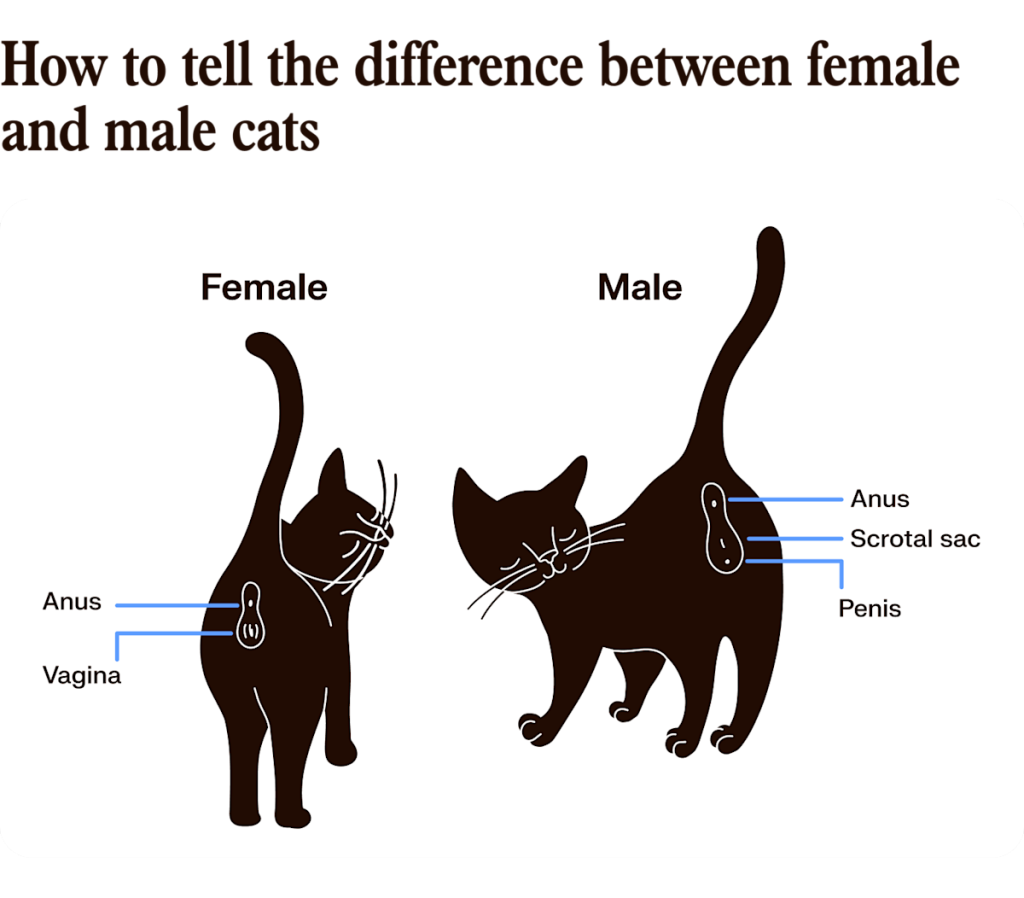
Physically, male cats may develop a stronger, more muscular body. Their testicles are visible unless neutered. These signs show sexual maturity but are not heat cycles.
Common Misconceptions
Many people confuse male cat behaviors with heat. Some believe male cats “go into heat,” but this is incorrect.
- Male cats do not have an estrus cycle like females.
- Spraying and loud vocalizing are not signs of heat but mating urges.
- Neutering male cats can reduce these behaviors greatly.
- Male cats stay ready to mate year-round, not just in cycles.
Understanding these facts helps owners manage male cat behavior better. It also reduces confusion about their reproductive health.
Credit: www.diamondpet.com
Male Cat Mating Instincts
Male cats don’t experience heat like females do, but they have strong mating instincts that influence their behavior. These instincts are driven by hormones and the need to find a mate. Understanding these behaviors can help you manage your male cat’s actions and reduce unwanted issues.
Territorial Behavior
Male cats become highly territorial when their mating instincts kick in. They patrol their space more aggressively and may even get into fights with other males. You might notice your cat pacing along windowsills or doorways, clearly marking their territory in subtle ways.
Have you seen your cat suddenly become more defensive around your home? This behavior is often about protecting their turf to attract females and keep rivals away. Providing plenty of space and distractions can help ease this tension.
Vocalizations And Marking
One clear sign of a male cat’s mating drive is increased vocalization. They often yowl loudly, especially at night, to announce their presence to potential mates. This can be loud and persistent, making it hard to ignore.
Marking is another common behavior. Male cats spray urine around their territory to signal their availability and ward off competitors. This can be frustrating for owners, but understanding that it’s a natural instinct helps you address it more effectively.
Consider neutering your male cat if these behaviors become overwhelming. It can reduce both vocalizations and marking, making life easier for you and your feline friend.
Impact Of Neutering On Male Cats
Neutering male cats has a significant impact on their behavior and health. It changes how they interact with you and other animals around them. Understanding these changes helps you provide better care for your furry friend and decide the best time for neutering.
Behavioral Changes After Neutering
After neutering, many male cats become calmer and less aggressive. You may notice a drop in behaviors like spraying to mark territory or roaming in search of a mate.
One owner shared how their once restless cat started enjoying quiet naps by the window after neutering. This shows how neutering can reduce stress and anxiety linked to mating instincts.
However, some cats might gain a little weight since their activity levels may drop. Keeping an eye on their diet and encouraging play can help maintain a healthy balance.
Health Benefits And Considerations
Neutering lowers the risk of certain cancers, such as testicular cancer, and prevents infections of the reproductive organs.
It can also reduce the chances of your cat getting into fights with other males, which means fewer injuries and vet visits.
Think about the long-term: neutering not only benefits your cat’s health but also helps control the stray cat population. Have you considered how this choice affects your community and the lives of other cats?
Caring For Male Cats During Mating Season
Caring for male cats during mating season requires patience and attention. Unlike females, male cats don’t go into heat, but they do experience increased restlessness and aggression. Understanding these behaviors helps you support your cat through this challenging time.
Managing Aggression And Restlessness
Male cats can become more aggressive and restless when they sense females in heat nearby. You might notice your cat pacing, yowling loudly, or even marking territory with strong scents.
Try to redirect this energy with play sessions using interactive toys like feather wands or laser pointers. Physical activity helps reduce stress and prevents destructive behavior.
Have you noticed your cat acting out more during spring or fall? This is often linked to the mating season. Calm your cat by speaking softly and providing safe spaces where they can retreat.
Providing A Comfortable Environment
Creating a calm and secure environment lowers your cat’s stress during mating season. Offer cozy bedding and quiet spots away from windows or doors where outdoor cats might be visible.
Using pheromone diffusers can also soothe your cat’s nerves. These products mimic natural calming scents and can reduce agitation without medication.
Make sure food and water are always accessible. When your cat feels comfortable and secure, he’s less likely to act out due to hormonal urges.
When To Consult A Veterinarian
Knowing when to reach out to a veterinarian about your male cat’s behavior can make a big difference in his health and happiness. Male cats don’t go into heat like females, but changes in their actions or physical condition can signal a problem. You should stay alert to signs that aren’t typical for your cat and act quickly when something feels off.
Unusual Behaviors To Watch For
Have you noticed your male cat suddenly becoming aggressive, restless, or vocalizing more than usual? These could be signs of discomfort or stress rather than a “heat” cycle. Other unusual behaviors include:
- Excessive rubbing or licking of the genital area
- Frequent attempts to escape outdoors
- Loss of appetite or lethargy
These behaviors might mean your cat is dealing with irritation or pain. Don’t ignore these signals—your cat can’t tell you what’s wrong, but a vet can help diagnose the issue.
Health Issues Related To Reproductive System
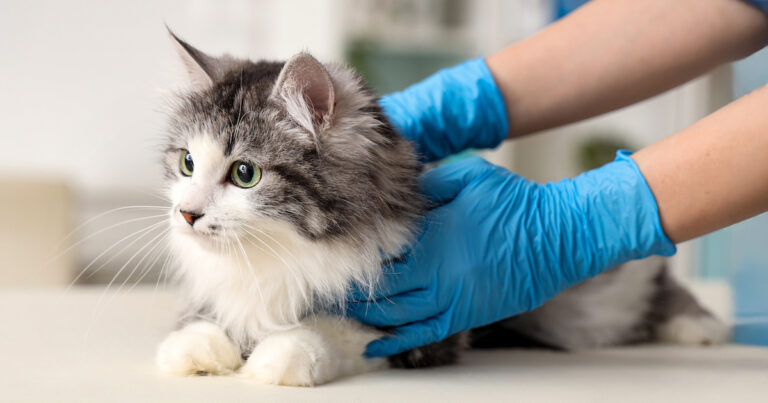
Male cats can face health problems related to their reproductive organs that require veterinary care. Conditions such as urinary tract infections, blockages, or testicular tumors may cause discomfort and affect behavior.
If your cat is straining to urinate, showing blood in his urine, or seems in pain, these are red flags. Early vet visits can prevent complications and ensure your cat stays healthy.
Have you ever hesitated before taking your cat to the vet because you weren’t sure if his behavior was serious? Trust your instincts. When in doubt, a quick checkup can save you stress and keep your feline friend safe.

Credit: felinefancy.co.uk
Credit: animals.howstuffworks.com
Frequently Asked Questions
Do Male Cats Experience Heat Cycles Like Females?
No, male cats do not go into heat. Heat cycles are specific to female cats during their estrus phase for reproduction.
Why Do Male Cats Behave Aggressively Sometimes?
Male cats may act aggressively due to territorial instincts or mating competition, not because they are in heat.
How Can I Tell If A Male Cat Is Fertile?
A fertile male cat will show interest in females, spray urine to mark territory, and may roam more.
Does Neutering Affect Male Cat Behavior?
Yes, neutering reduces aggression, roaming, and mating behaviors in male cats, making them calmer and less territorial.
Conclusion
Male cats do not go into heat like females do. Instead, they may show signs of mating behavior all year. This happens because they are ready to breed whenever they sense a female in heat. Understanding this helps in caring for your cat better.
Neutering can reduce unwanted behaviors and calm your male cat. Knowing these facts keeps your pet happy and healthy. Keep an eye on your cat’s behavior and consult a vet if needed. Caring well means a happier life for both of you.
