

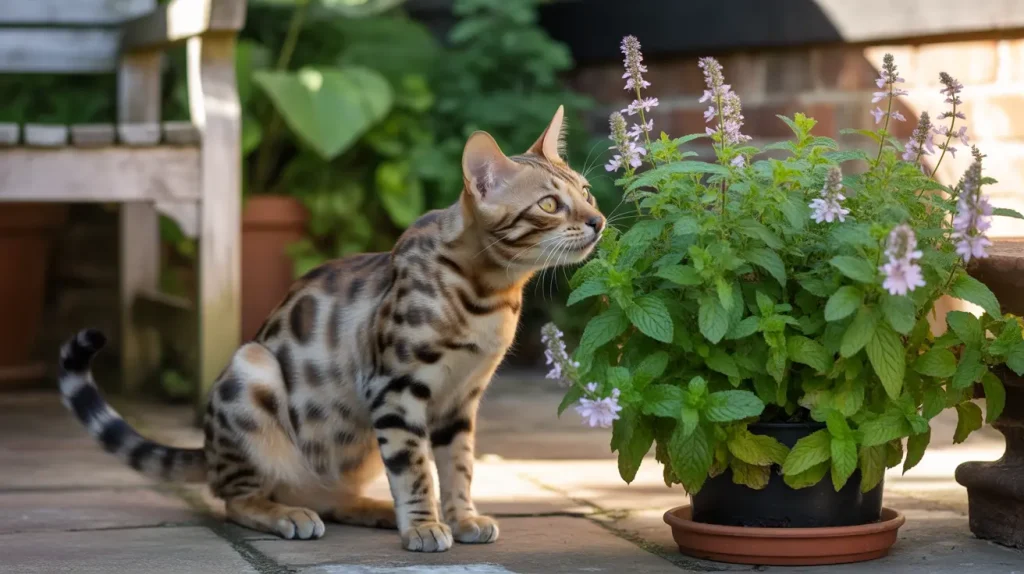
Have you ever noticed your cat suddenly sniffing around your mint plant or showing unusual interest in mint-scented items? You might be wondering, do cats like mint, or is it something they avoid?
Understanding your cat’s reaction to mint can help you create a safer and more enjoyable environment for your furry friend. You’ll discover surprising facts about how cats respond to mint and what it means for their health and happiness. Keep reading to find out if mint is a friend or foe to your curious companion!

Credit: www.reddit.com
Cats And Mint Plants
Cats and mint plants share a curious relationship. Many cats show interest in mint, but their reactions vary. Some cats are drawn to the scent and taste, while others avoid it. Understanding the types of mint and their natural compounds helps explain these behaviors.
Common Mint Varieties
Mint comes in several varieties. Each has a unique scent and effect on cats.
- Spearmint:Mild scent, less irritating to cats.
- Peppermint:Stronger smell, may repel some cats.
- Catnip:Often mistaken for mint, but belongs to a different family.
- Apple mint:Sweet aroma, sometimes attracts cats.
Knowing these types helps pet owners choose safe plants for cats.
Mint’s Natural Compounds
Mint plants contain essential oils and compounds. These affect cats in different ways.
- Menthol:Gives mint its cooling scent. Cats may find it intriguing or off-putting.
- Limonene:Adds a citrusy note. Some cats dislike its smell.
- Nepetalactone:Found in catnip, not mint. It strongly attracts many cats.
- Other oils:Can cause mild irritation if cats chew mint leaves.
These compounds explain why some cats like mint, and others don’t.

Credit: uk.news.yahoo.com
How Cats React To Mint
Cats react to mint in different ways. Some cats are curious and show interest. Others may ignore it completely. Understanding these reactions helps pet owners provide safe and fun experiences for their cats.
Attraction To Catnip Vs Mint
Catnip is famous for attracting cats. It contains a compound called nepetalactone. This chemical triggers a strong response in many cats.
Mint has a different scent and chemical makeup. Most cats do not respond to mint like they do to catnip. Some cats may sniff or lick mint leaves. Few cats show excitement or playfulness.
Catnip acts as a stimulant for cats. Mint may act as a mild irritant or simply a new smell.
Behavioral Responses
- Sniffing or licking mint leaves
- Walking away or ignoring mint
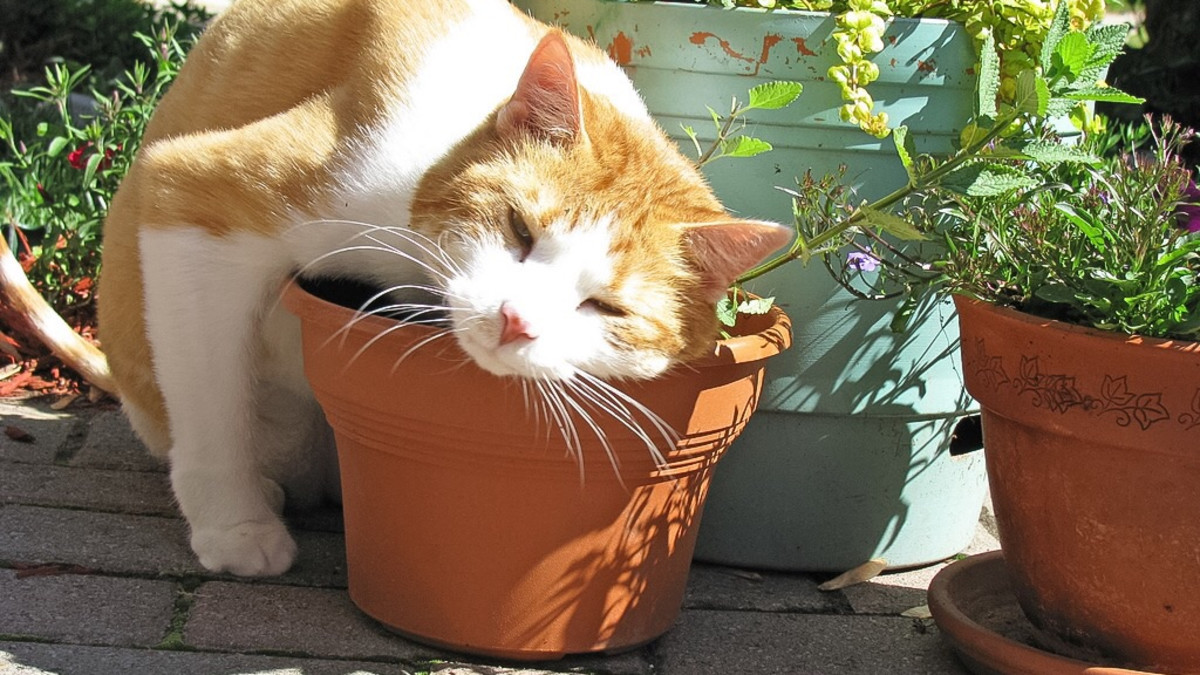
- Occasional pawing at mint plants
- Rare signs of excitement or rubbing
- Possible sneezing or mild irritation
Most cats do not show the rolling or jumping seen with catnip. Mint’s effects are usually subtle. Always watch your cat for any signs of discomfort.
Is Mint Safe For Cats?
Mint is a popular herb, loved by many for its fresh smell and taste. But is mint safe for cats? Many cat owners wonder if this plant can harm their furry friends. Understanding the effects of mint on cats helps keep them safe and healthy.
Toxicity Concerns
Some types of mint can be harmful to cats. Peppermint and spearmint contain oils that may upset a cat’s stomach.
- Ingesting large amounts can cause vomiting and diarrhea.
- Essential oils from mint can irritate a cat’s skin and mouth.
- Some cats may be allergic to mint oils.
Keep mint plants and products away from cats to avoid any risks.
Potential Health Benefits
Not all mint effects are negative. Small amounts of cat-safe mint types might offer benefits.
- Catnip, a type of mint, stimulates playful behavior in cats.
- Mint leaves can freshen a cat’s breath.
- Some mints may help with mild digestive issues.
Always use mint carefully and watch your cat’s reaction closely.
Using Mint Around Cats
Using mint around cats requires care and attention. Mint has a strong smell that can attract or repel cats. Some cats enjoy the scent, but others might find it overwhelming. Mint oils can be too strong for their sensitive noses. It is important to know how to use mint safely. This helps keep cats happy and healthy while enjoying mint’s refreshing aroma.
Safe Ways To Introduce Mint
- Start with a small amount of fresh mint leaves. Place them near your cat’s play area.
- Watch your cat’s reaction closely for signs of discomfort or allergy.
- Use dried mint instead of essential oils, which can be toxic to cats.
- Keep mint products out of reach to avoid ingestion.
- Consult your vet before using mint for any health benefits.
Alternatives To Mint For Cats
- Catnip is a popular herb that most cats love.
- Silver vine offers a strong, safe attraction similar to catnip.
- Valerian root can calm cats and encourage playful behavior.
- Chamomile has a gentle scent and is safe in small amounts.
- Herbs like parsley and basil provide mild aromas without risks.
Myths And Facts About Cats And Mint
Many cat owners wonder if cats like mint or if it affects them in any way. Mint is a common plant with a strong smell. Some people believe cats are attracted to mint, while others think mint repels them. Let’s clear up the confusion by exploring some myths and facts about cats and mint.
Common Misconceptions
- Cats love mint like catnip. This is not always true. Mint and catnip have different effects on cats.
- Mint is safe for cats to eat in any amount. This can be risky. Some types of mint can upset a cat’s stomach.
- Mint repels cats completely. Many cats ignore mint or show no strong reaction at all.
- All cats react the same way to mint. Each cat is different, and reactions can vary widely.
Scientific Findings
Studies show that catnip contains a chemical called nepetalactone. This chemical causes a strong reaction in many cats. Mint does not have this chemical. Therefore, mint usually does not trigger the same response as catnip.
Some mints, like spearmint or peppermint, contain oils that may irritate a cat’s nose or stomach. Cats may avoid these smells or tastes. There is no strong evidence that mint is toxic, but eating large amounts can cause problems.
Research confirms cats respond differently to various plants. Mint is not harmful in small amounts but does not attract cats like catnip does.
Credit: owlcation.com
Frequently Asked Questions
Do Cats Like The Smell Of Mint?
Most cats are attracted to the scent of catnip, a mint family member. However, regular mint may repel or irritate some cats. Sensitivity varies, so observe your cat’s reaction to mint plants or products before offering them.
Is Mint Safe For Cats To Eat?
Small amounts of mint are generally safe for cats, but large quantities can cause digestive upset. Some mints contain essential oils that are toxic to cats. Always consult a vet before introducing mint into your cat’s diet.
Why Do Cats React Differently To Mint Plants?
Cats’ reactions depend on the specific mint species and their individual sensitivity. Catnip triggers a euphoric response, while peppermint or spearmint may cause avoidance. Genetics and past experiences influence their behavior around mint plants.
Can Mint Help Repel Fleas On Cats?
Mint has natural insect-repelling properties but is not a reliable flea treatment for cats. Use vet-approved flea prevention products instead. Mint-based sprays or oils may irritate your cat’s skin or respiratory system.
Conclusion
Cats often react differently to mint plants. Some enjoy the scent, while others avoid it. Mint can be safe in small amounts but watch for allergies. Never force your cat to smell or eat mint. Always observe your pet’s behavior around new plants.
Keep their safety as the top priority. Mint might be fun for your cat, or not. Either way, understanding your cat helps build a happy home. Simple care and attention make all the difference.
