

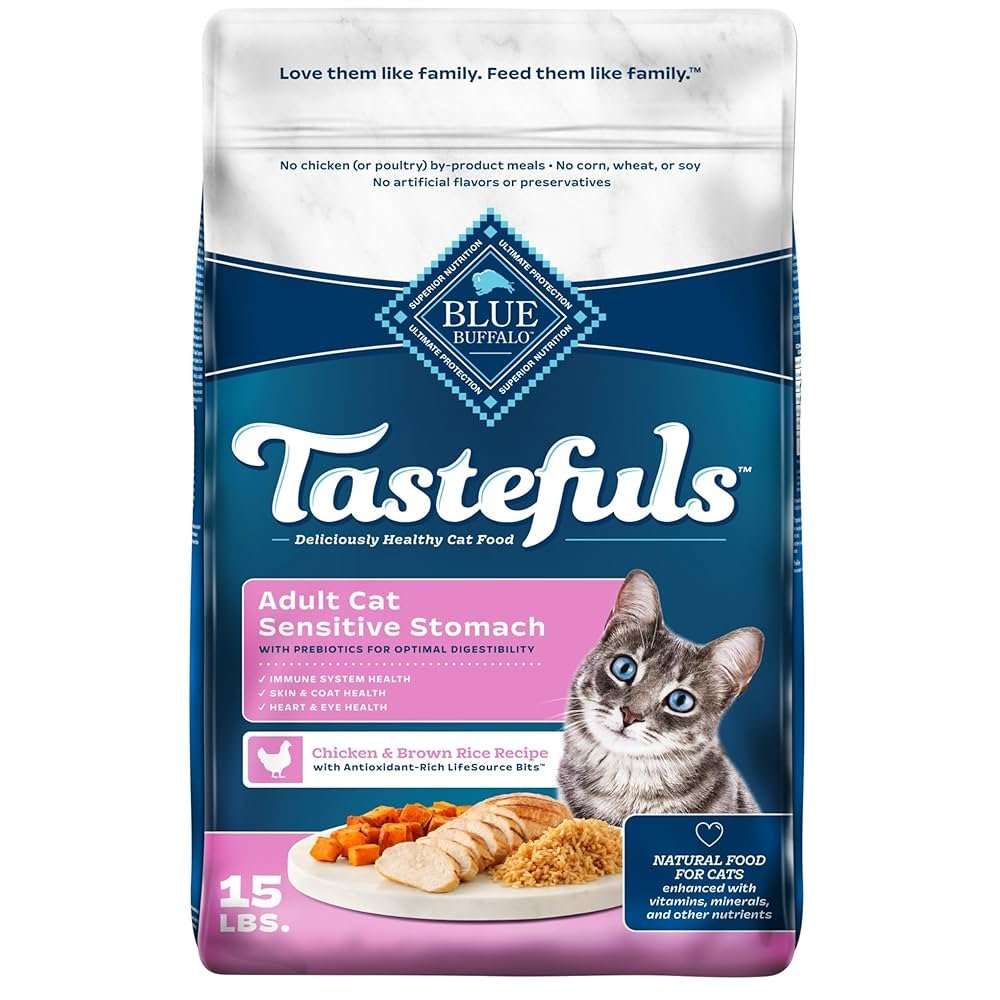
If your cat struggles with upset stomachs, you know how stressful it can be to find the right food. You want to keep your furry friend happy and healthy, but sensitive stomachs make that tricky.
Choosing the right cat food isn’t just about taste—it’s about comfort and well-being. You’ll discover how to pick the best food that soothes your cat’s tummy and keeps them purring with joy. Keep reading to learn simple tips and trusted options that can make a big difference for your cat’s sensitive stomach.
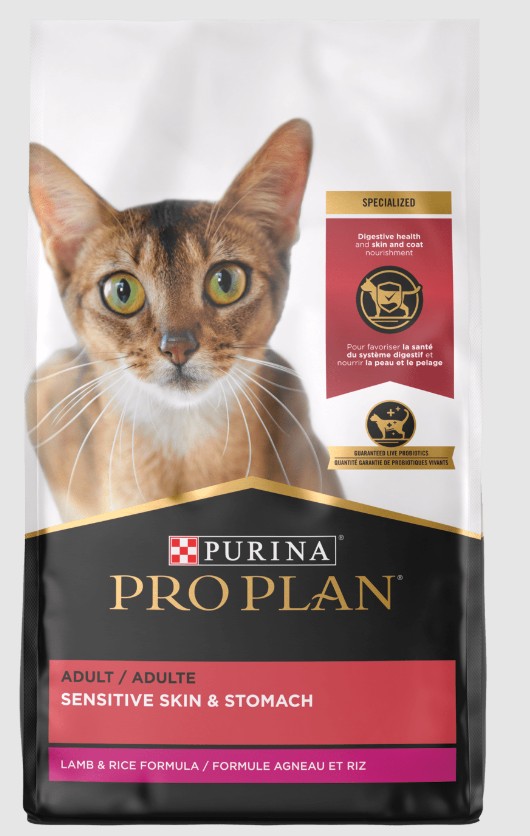
Credit: kohapet.com
Causes Of Sensitive Stomachs
Cats with sensitive stomachs often face discomfort after eating. Understanding the causes helps in choosing the right food. Sensitive stomachs can result from several factors. These factors impact digestion and overall health. Recognizing these causes can improve your cat’s well-being.
Common Triggers
Several triggers can upset a cat’s stomach. Sudden changes in diet often cause digestive issues. Low-quality ingredients may irritate sensitive tummies. Stress and anxiety also affect digestion. Environmental changes can worsen stomach sensitivity. Identifying these triggers aids in managing symptoms effectively.
Food Allergies
Food allergies are a common cause of stomach sensitivity. Cats may react to proteins like beef or chicken. Dairy products often cause intolerance. Allergies lead to vomiting, diarrhea, or itching. Detecting allergies requires careful observation and testing. Feeding hypoallergenic or limited-ingredient diets helps reduce reactions.
Digestive Disorders
Digestive disorders can cause chronic stomach problems. Conditions like inflammatory bowel disease disrupt digestion. Parasites may also trigger stomach upset. Some cats develop pancreatitis or food intolerances. These disorders need veterinary diagnosis and treatment. Proper care improves digestion and comfort for affected cats.

Credit: www.merrickpetcare.com
Symptoms To Watch For
Recognizing the symptoms of sensitive stomachs in cats can save your furry friend from prolonged discomfort. Paying attention to subtle changes in behavior or health is crucial. Let’s look at the key signs you should watch for to ensure your cat stays healthy and happy.
Vomiting And Diarrhea
Frequent vomiting or diarrhea is one of the most obvious signs of a sensitive stomach. If your cat vomits occasionally, it might not be alarming, but repeated episodes indicate a problem. Diarrhea can quickly lead to dehydration, so don’t ignore loose or watery stools that last more than a day.
Have you noticed your cat rushing to the litter box more often or leaving small puddles outside? These can be subtle hints of digestive upset. Tracking these episodes helps you provide your vet with clear information for diagnosis.
Loss Of Appetite
A sudden refusal to eat or a noticeable drop in appetite often signals stomach trouble. Cats with sensitive stomachs may avoid food that irritates their digestive system. This behavior can be frustrating, but it’s a clear message from your pet’s body.
Consider how long your cat has been eating less and whether this coincides with any diet changes or stress factors. Sometimes, even a minor ingredient in their food can trigger this response. Would you tolerate eating something that constantly upsets your stomach?
Weight Changes
Weight loss is a serious symptom that should never be overlooked. If your cat’s sensitive stomach causes poor nutrient absorption or chronic vomiting, they may lose weight rapidly. On the other hand, weight gain could happen if you try to compensate with high-calorie treats or inappropriate foods.
Regularly weighing your cat at home can help you catch these changes early. Ask yourself: Is my cat’s coat looking dull or less energetic? These signs often accompany unhealthy weight shifts and indicate deeper issues.
Choosing The Right Cat Food
Choosing the right cat food is essential for cats with sensitive stomachs. The wrong food can cause discomfort, vomiting, or diarrhea. Cats with sensitive stomachs need gentle, easy-to-digest ingredients. Selecting food carefully helps maintain their health and happiness.
Ingredients To Avoid
Certain ingredients often upset sensitive stomachs. Avoid foods with:
- Artificial colors and flavors
- Preservatives like BHA and BHT
- Fillers such as corn, wheat, and soy
- Dairy products, which many cats can’t digest
- Excessive fat or protein sources
These ingredients may cause allergies or digestive issues. Choose simple, natural ingredients instead.
Hypoallergenic Options
Hypoallergenic cat food reduces the risk of allergic reactions. These foods use limited protein sources. Common proteins include duck, rabbit, or fish. Hydrolyzed protein formulas break proteins into tiny pieces. This makes them easier to digest.
Hypoallergenic diets help cats avoid common allergens. These foods support sensitive stomachs and skin health.
Grain-free Vs. Grain-inclusive
Grain-free cat food removes grains like wheat, rice, and corn. This can help cats sensitive to grains. However, some cats do well with grains included. Whole grains provide fiber, which aids digestion.
Choose grain-free if your cat has grain allergies. Otherwise, grain-inclusive food with quality grains works fine. Check your cat’s reaction to decide what suits best.
Top Cat Food Brands
Choosing the right cat food for sensitive stomachs is crucial for your pet’s health. The market offers many options designed to soothe digestion and provide balanced nutrition. Some brands focus on vet-approved recipes, while others offer affordable or premium products. Understanding these categories helps pick the best food for your cat’s needs.
Veterinarian Recommended
- Hill’s Prescription Diet: Special formulas for digestive care.
- Royal Canin Veterinary Diet: Tailored for sensitive stomachs.
- Purina Pro Plan Veterinary Diets: Supports gut health and nutrient absorption.
Budget-friendly Choices
- Blue Buffalo Basics: Simple ingredients, gentle on the stomach.
- Natural Balance L.I.D.: Limited ingredient diets for easy digestion.
- Wellness Simple: Affordable with quality protein sources.
Premium Formulas
- Farmina N&D: Grain-free with natural ingredients.
- Canidae PURE: High-quality proteins and limited ingredients.
- Merrick Limited Ingredient Diet: Crafted for sensitive cats with wholesome recipes.
Homemade Diets For Sensitive Stomachs
Homemade diets offer a gentle option for cats with sensitive stomachs. These meals avoid harsh additives and let you control every ingredient. Preparing food at home can reduce tummy troubles and improve digestion. Careful selection and preparation make a big difference in how your cat feels.
Safe Ingredients
Choose ingredients that are easy to digest and low in allergens. Common safe choices include:
- Boiled chicken or turkey without skin
- Cooked rice or pumpkin
- Plain cooked carrots
- Small amounts of cottage cheese or yogurt
Avoid onions, garlic, and spices. These can upset your cat’s stomach.
Balancing Nutrition
Balance is vital to keep your cat healthy. Include protein, fats, and some carbs. Add a source of taurine, an essential amino acid for cats. Consider supplements for vitamins and minerals. Consult a vet to create a complete diet plan.
Preparation Tips
- Cook all meats thoroughly to kill bacteria.
- Use plain water to cook grains and vegetables.
- Chop ingredients finely for easy chewing and digestion.
- Store food in airtight containers in the fridge.
- Serve meals at room temperature to avoid digestive shock.
Homemade diets demand effort but can soothe sensitive stomachs well.
Feeding Tips And Tricks
Managing a cat’s sensitive stomach requires more than just picking the right food. How you feed your cat plays a big role in keeping their digestion calm and comfortable. Here are some feeding tips and tricks to help you make mealtime easier and healthier for your feline friend.
Portion Control
Overfeeding can upset your cat’s stomach, even if the food is specially made for sensitive digestion. Measure your cat’s meals carefully using a kitchen scale or measuring cup. This helps avoid bloating and reduces the chance of vomiting or diarrhea.
Smaller portions also encourage better digestion. Have you noticed your cat feels more energetic and less gassy when fed less but more frequently? That’s because their system isn’t overloaded at once.
Meal Frequency
Instead of two large meals, try offering your cat multiple small meals throughout the day. Feeding 3 to 4 times daily can keep digestion steady and prevent stomach upset.
Some cats with sensitive stomachs do well with scheduled meals rather than free feeding. This gives their digestive system a predictable routine and can reduce stress-related digestive issues.
Introducing New Foods
Switching foods too quickly is a common cause of digestive problems. When trying a new food, mix it gradually with your cat’s current diet over 7 to 10 days. Start with 10% new food and increase slowly.
Watch your cat closely during this transition. Are they showing signs of discomfort, like vomiting or diarrhea? If yes, slow down the transition even more or consult your vet for advice.
When To See A Vet
Knowing when to see a vet for your cat with a sensitive stomach can make all the difference in managing their health. Some symptoms might seem minor but could signal a bigger issue. Paying attention to these signs helps you act before things get worse.
Persistent Symptoms
If your cat’s vomiting, diarrhea, or excessive gas lasts more than a couple of days, it’s time to get professional advice. Occasional upset stomachs can happen, but persistent symptoms suggest something deeper. You might notice your cat losing weight or becoming less active—these are red flags you shouldn’t ignore.
Diagnostic Tests
Your vet can run tests to identify what’s causing your cat’s stomach trouble. These might include blood work, stool analysis, or allergy testing. Sometimes, imaging like X-rays or ultrasounds helps spot blockages or inflammation.
Treatment Options
Treatment depends on the root cause your vet finds. It might mean switching to a special diet, giving medications, or addressing infections. In some cases, probiotics or supplements can support digestion and reduce symptoms.
Have you noticed any patterns in your cat’s stomach issues? Keeping a diary of their food and symptoms can help your vet make a quicker diagnosis.
Credit: www.purina.com
Frequently Asked Questions
What Ingredients Help Cats With Sensitive Stomachs?
Ingredients like rice, chicken, and pumpkin soothe sensitive stomachs. Avoid fillers, artificial additives, and dairy, which can cause irritation.
How To Choose Cat Food For Sensitive Stomachs?
Choose foods labeled hypoallergenic or for sensitive digestion. Look for limited ingredients, easy-to-digest proteins, and added probiotics to support gut health.
Can Wet Or Dry Food Be Better For Sensitive Cats?
Wet food is often better as it’s easier to digest. It also provides hydration, which supports digestive health in sensitive cats.
How Long To See Results From Sensitive Stomach Cat Food?
Typically, you’ll notice improvement within 2 to 4 weeks. Consistency is key; sudden changes can worsen stomach issues.
Conclusion
Choosing the right food helps your cat feel better every day. Sensitive stomachs need gentle ingredients and balanced nutrition. Watch how your cat reacts to new meals. Small changes can make a big difference in health. Always offer clean water alongside their food.
Your care helps your cat stay happy and strong. Finding the best food takes time, but it’s worth it. Trust your instincts and keep your cat’s needs first. Healthy eating means a happier, more active cat.
