

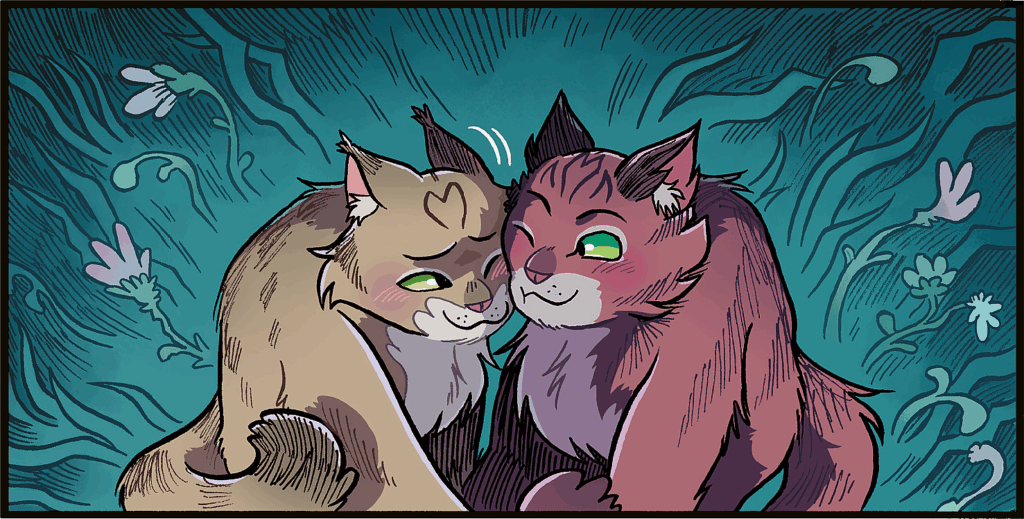
Do you want to bring your favorite Warrior Cats to life with your own drawings? Whether you’re a beginner or someone who’s drawn before, learning how to draw Warrior Cats can be fun and rewarding.
Imagine creating your own fierce warriors, capturing their unique personalities and wild spirit on paper. In this guide, you’ll discover simple steps and helpful tips that make drawing these iconic cats easier than you think. Ready to unleash your creativity and impress your friends with your art?
Let’s dive in and start drawing your very own Warrior Cats!

Credit: www.reddit.com
Materials Needed
Before you start drawing your Warrior Cats, gathering the right materials sets the foundation for your artwork. Having the proper tools not only makes the process smoother but also helps you bring your vision to life with more detail and precision. Whether you’re a beginner or have some experience, knowing what to use can make a big difference in the quality of your drawing.
Basic Drawing Tools
Start with essentials that are easy to find and simple to use. A good quality pencil with a range of hardness (like HB, 2B, and 4B) lets you create light sketches and darker lines for shading. Don’t forget an eraser—preferably a soft one—to clean up mistakes without damaging the paper.
You’ll also need some smooth drawing paper. It doesn’t have to be expensive; even a standard sketchbook works well. A sharpener is crucial to keep your pencil tips fine for detailed work, especially when you draw the intricate fur and facial features of your cats.
Optional Coloring Supplies
If you want to add color to your Warrior Cats, there are plenty of options depending on your style and budget. Colored pencils give you control and layering ability, perfect for subtle fur patterns and shading. Markers can add vibrant, bold colors but require smooth strokes to avoid streaks.
Watercolors offer a soft, natural look but take some practice to manage blending and drying times. You might also experiment with gel pens or fine liners for adding sharp details and highlights. What colors do you imagine for your Warrior Cats? Gathering a small set first helps you test which medium fits your style best.
Sketching The Basic Shapes
Sketching the basic shapes forms the foundation of drawing a Warrior Cat. This stage helps capture the cat’s pose and proportions simply. Focusing on simple shapes keeps the drawing process clear and manageable.
Start with light lines to outline the cat’s main parts. These shapes guide the details later. Keep the shapes loose and easy to adjust.
Drawing The Body Outline
Begin with an oval for the main body. This oval shows the cat’s torso size and position. Next, sketch a smaller oval or circle for the chest area in front of the body shape.
Draw a curved line connecting the chest and back. This line forms the cat’s spine and gives flow to the body. Use a gentle curve to suggest movement or stillness.
Adding Head And Limbs
For the head, sketch a circle or rounded shape at one end of the body. Add a small triangle or oval for the nose area.
Draw simple lines extending from the body for the legs. Use elongated ovals or cylinders for the limbs’ thickness. Mark the paws with small circles or rounded shapes at the limb ends.
Place the limbs naturally to show the cat’s posture. Front legs may be straight or bent. Hind legs usually have a noticeable curve.
Defining The Features
Defining the features of your Warrior Cat is crucial for creating a lifelike drawing. These features give the character personality and depth. Focus on details that make the cat unique and expressive. Pay attention to shapes, lines, and proportions. Keep the style simple yet clear for a striking result.
Facial Details
The face reveals much about a Warrior Cat’s character. Start with the eyes, making them large and bright. Use almond shapes to show alertness. Add small pupils for intensity. Draw the nose small and triangular. Position it right above the mouth. Use soft curves for the cheeks and jawline. Include whisker spots to add realism. Ears should be pointed and slightly tilted. This shows attentiveness and movement.
Paws And Tail
Paws are essential for showing strength and agility. Draw the paws rounded with clear toe pads. Add small claws peeking from each toe. Make the legs muscular but not too bulky. The tail balances the cat’s posture. It should be long and flexible. Use smooth lines to show fur flow. A slight curve in the tail adds grace and motion. Details like fur texture on paws and tail enhance your drawing.

Credit: www.reddit.com
Adding Fur Texture
Adding fur texture brings your Warrior Cats drawing to life. It creates depth and makes the character feel real. The type of fur—short or long—changes how you approach the texture, so tailoring your technique is key.
Short Fur Techniques
Short fur demands subtle strokes. Use quick, small lines close together to mimic the sleekness of short hair. Keep your pencil or brush light to avoid overwhelming the drawing.
Try layering these strokes in the direction the fur naturally grows, like around the face or body curves. This adds realism without making the fur look stiff.
Don’t forget to vary the length and pressure slightly. This avoids a flat appearance and gives a soft, natural feel.
Long Fur Techniques
Long fur requires a different touch. Use longer, flowing strokes that follow the cat’s body shape. This helps show how the fur moves and flows with the character.
Combine smooth lines with some jagged edges to capture the wild, untamed look of a warrior cat’s coat. Adding shading between fur strands creates volume and depth.
Think about how light hits the fur. Highlighting some strands and darkening others makes the texture pop and gives your drawing a dynamic look.
Inking The Drawing
Inking the drawing is a key step in creating a Warrior Cats illustration. It brings your pencil sketch to life by adding depth and definition. This stage requires patience and a steady hand to enhance every detail. Careful inking makes your artwork bold and clear, ready for coloring or shading.
Choosing The Right Pens
Select pens that suit your drawing style and paper type. Fine liners with different tip sizes work best for various line thicknesses. Use thinner tips for delicate fur details and thicker tips for outlines. Waterproof ink is ideal to prevent smudging during coloring. Test your pens on scrap paper before starting to avoid surprises.
Outlining Tips
Start by tracing the main shapes with smooth, confident lines. Avoid rushing to keep lines clean and sharp. Use varied line weight to show depth—thicker lines for closer parts, thinner for distant details. Keep your hand relaxed to prevent shaky strokes. Allow the ink to dry fully before erasing pencil marks to keep the drawing neat.
Credit: www.reddit.com
Coloring Your Warrior Cat
Coloring your Warrior Cat brings your drawing to life. The right colors show your cat’s personality and story. Choose shades that fit the cat’s traits and background. Use different tones to create depth and interest. Coloring makes your artwork stand out.
Selecting Colors
Start by picking base colors that match your cat’s fur type. Consider natural colors like brown, gray, black, and orange. You can also use unique colors to make your cat special.
- Think about the cat’s clan or role.
- Use darker tones for bold characters.
- Choose lighter colors for gentle cats.
Keep color harmony in mind. Avoid mixing too many bright colors. Simple combinations often look best.
Shading And Highlights
Shading adds volume and shape to your Warrior Cat. Use darker shades near the edges or under the fur. This gives a 3D effect. Highlights make the fur look shiny and soft.
- Apply lighter colors on top of the head and back.
- Blend shades smoothly for a natural look.
- Use a soft brush or pencil for gentle transitions.
Shadows and highlights create contrast. This makes your cat appear more real and lively.
Personalizing Your Character
Personalizing your Warrior Cat character makes your drawing stand out and tells a story beyond just the shape and posture. Adding unique traits helps your cat feel alive and special. You get to decide what makes your character different from the others in the clan.
Unique Markings
Markings are like the cat’s fingerprint—they make your character instantly recognizable. Think about stripes, spots, scars, or even unusual color patches. You could add a bold stripe down the back or a splash of white on the paw to hint at your cat’s history or personality.
Try mixing colors you don’t usually see together to create something fresh. Maybe your warrior has a faded scar that tells a story of a past battle. Small details like these can make your character memorable and meaningful.
Expressive Eyes
Eyes show what your character feels and thinks. You can use shape, size, and color to express emotions or traits. Wide, bright eyes might suggest curiosity or youth, while narrow, sharp eyes could hint at cunning or experience.
Experiment with pupil shapes too—round pupils give a calm look, while slitted ones can add intensity. Have you ever noticed how a tiny change in the eyes can completely change the mood of a drawing? Your cat’s gaze can tell a story on its own.
Common Mistakes To Avoid
Drawing Warrior Cats can be thrilling, but certain mistakes can quickly turn a promising sketch into a confusing image. Recognizing these pitfalls early helps you improve faster and enjoy the process more. Avoiding common errors ensures your cats look powerful and true to their fierce nature.
Proportion Issues
One of the biggest challenges is getting the proportions right. Cats have sleek bodies, but their legs, heads, and tails need to balance perfectly. If the legs are too short or the head too big, your warrior might look more like a cartoon than a fierce feline.
Try measuring parts of your drawing against each other. For example, the head should generally be smaller than the body but larger than the paws. If you struggle, compare your sketch to photos of real cats or other Warrior Cats art to see if your proportions match.
Have you noticed how a tiny mistake in one part throws off the whole figure? That’s why constant checking and adjusting is key before adding details.
Overworking Details
It’s easy to get caught up in tiny details like every fur strand or whisker. But adding too many details too soon can make your drawing look messy and less dynamic. Sometimes, less is more when portraying fur texture or facial features.
Focus on capturing the cat’s overall shape and expression before zooming in on details. You can always add more texture later once the basic form feels right. Overworking details early on can also drain your energy and slow progress.
Ask yourself if each detail adds to the character of your warrior or just clutters the image. Keeping your lines clean and purposeful makes your cats stand out with confidence and strength.
Practice Tips
Improving your skills in drawing Warrior Cats relies heavily on consistent practice and smart study habits. The key is not just to draw often but to draw thoughtfully. You need to push your boundaries while keeping your practice structured to see real progress.
Daily Sketching Habits
Make a habit of sketching a little every day, even if it’s just for 10 minutes. Short, frequent sessions help build muscle memory and keep your creative muscles active without overwhelming you.
Try setting a simple goal like drawing one Warrior Cat pose or facial expression daily. Over time, you’ll notice your lines become more confident and your understanding of anatomy sharper.
Ask yourself: What small change can I make to today’s sketch to improve? Maybe focus on the shape of the ears or the way the tail flows. This keeps you engaged and improving steadily.
Using References
References are your best friends when drawing detailed characters like Warrior Cats. Use photos of real cats to study fur texture, muscle structure, and natural poses. You can also look at other artists’ work to understand different styles and techniques.
Keep a reference folder or Pinterest board handy for quick access during your drawing sessions. When you hit a tricky part, pause and compare your work to your references. What details did you miss? How can you make your drawing more realistic or dynamic?
Have you noticed how your drawings improve when you pause to observe real-life cat movements? Using references not only helps accuracy but sparks new ideas for unique character designs.
Frequently Asked Questions
How Do I Start Drawing A Warrior Cat?
Begin by sketching the basic cat shape with simple lines and circles. Focus on the head, body, legs, and tail proportions. Use light strokes to adjust easily. This foundation helps create an accurate Warrior Cat figure before adding details like fur and facial features.
What Are Key Features Of Warrior Cats To Draw?
Warrior Cats have sharp eyes, pointed ears, and distinct fur patterns. Emphasize their muscular build and expressive faces. Adding unique markings and claws enhances authenticity. These features bring your drawing closer to the Warrior Cats style from the book series.
Which Tools Work Best For Drawing Warrior Cats?
Use pencils for sketching and fine liners for outlines. Colored pencils or markers add vibrant fur colors. Digital tools like tablets allow easy corrections and layering. Choosing the right tools depends on your preferred style and medium for detailed Warrior Cats art.
How Can I Improve My Warrior Cats Drawing Skills?
Practice regularly by copying different Warrior Cats poses and expressions. Study cat anatomy and fur texture for realism. Use references from the books and fan art for inspiration. Consistent effort and feedback help you refine your drawing techniques effectively.
Conclusion
Drawing Warrior Cats takes patience and practice. Start with simple shapes and add details step by step. Use reference pictures to help with cat features. Keep practicing to improve your skills daily. Enjoy the process and have fun creating your own cats.
Every drawing gets better with time. Soon, you will feel confident to draw different poses and characters. Keep your lines light at first, then darken the best ones. Drawing is a skill anyone can learn. Just keep trying and never give up.
