

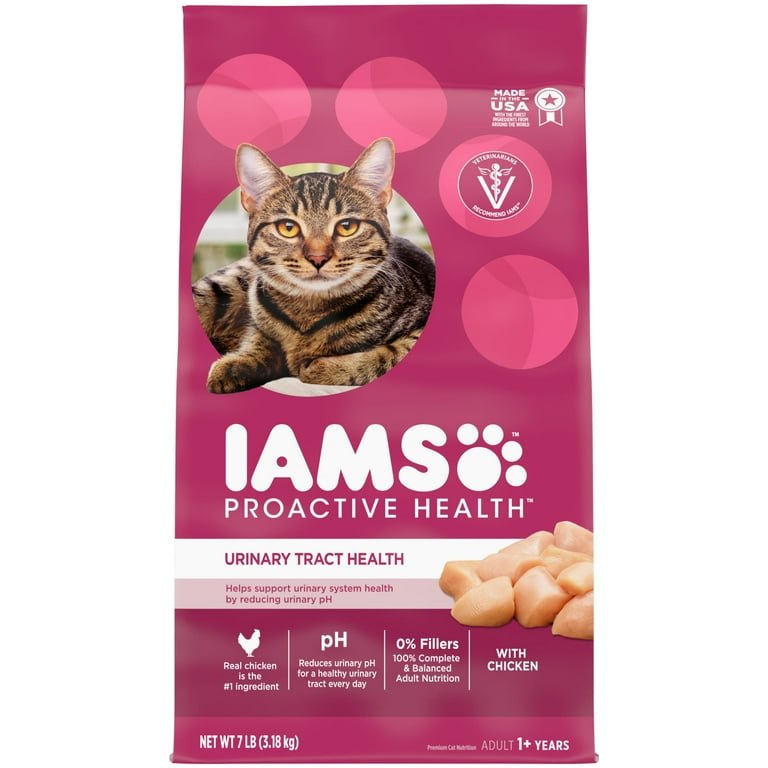
If your cat has ever struggled with a urinary infection, you know how worrying it can be. Finding the right food to support your cat’s urinary health is crucial, but it can also be confusing with so many options out there.
You want to give your furry friend the best chance to stay comfortable and avoid future problems. You’ll discover exactly what to look for in urinary infection cat food and how the right diet can make a big difference in your cat’s well-being.
Keep reading to learn how to protect your cat’s health with smart food choices.
Causes Of Urinary Infections In Cats
Urinary infections in cats cause discomfort and health risks. Understanding their causes helps prevent and manage these infections effectively. Several factors contribute to urinary infections, ranging from bacteria to lifestyle and diet.
Common Bacterial Triggers
Bacteria are the main culprits behind most urinary infections in cats. These bacteria usually come from the skin or environment and enter the urinary tract. Once inside, they multiply and cause inflammation.
Escherichia coli (E. coli) is the most common bacteria found in cat urinary infections. Other bacteria like Staphylococcus and Proteus can also cause infections. Poor hygiene or a weakened immune system increases the risk.
Dietary Factors
Diet plays a big role in urinary health. Foods high in magnesium, phosphorus, and calcium can lead to crystal formation in the bladder. These crystals irritate the urinary tract and encourage infections.
Dry food diets often lack enough moisture, which concentrates the urine. Concentrated urine creates a perfect environment for bacteria to grow. Feeding a balanced diet with enough water helps reduce infection risks.
Stress And Environmental Influences
Stress affects cats’ immune systems and urinary health. Changes in environment, new pets, or loud noises can trigger stress. Stress may cause a cat to hold urine longer, leading to infections.
Lack of clean litter boxes and poor sanitation also contribute to urinary problems. Cats need a calm, clean space to avoid stress-related urinary issues.
Credit: www.walmart.com
Key Nutrients For Urinary Health
Keeping your cat’s urinary tract healthy is about more than just avoiding infections. The right nutrients in their food play a crucial role in supporting urinary health. Understanding these key nutrients helps you choose the best urinary infection cat food and keep your feline friend comfortable and active.
Role Of Moisture Content
Moisture is vital in preventing urinary problems. Cats naturally have a low thirst drive, so wet food or food with high moisture content encourages better hydration. More water intake means diluted urine, which lowers the chance of crystal and stone formation in the urinary tract.
If your cat mainly eats dry kibble, consider adding wet food or water to their meals. Have you noticed your cat drinking less water? Increasing moisture in their diet could reduce their risk of urinary infections.
Importance Of Ph Balance
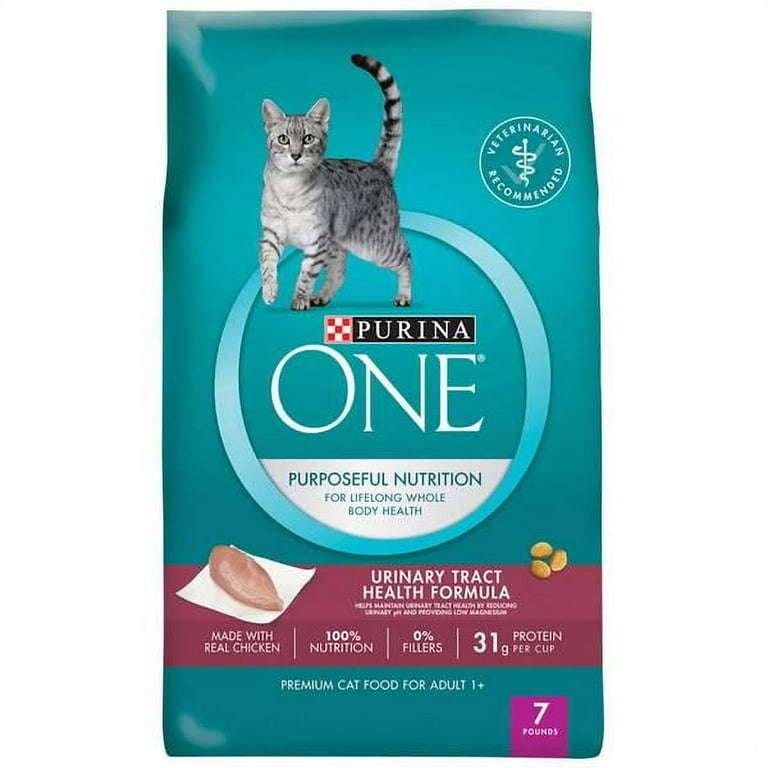
The acidity or alkalinity of your cat’s urine can affect the growth of bacteria and crystal formation. Urinary infection cat food often aims to maintain an optimal urinary pH, usually slightly acidic, around 6.0 to 6.5. This pH level discourages the growth of harmful bacteria and prevents common urinary crystals.
Feeding your cat a diet that controls urinary pH is a proactive way to avoid flare-ups. Have you checked the pH of your cat’s urine during vet visits? It can reveal a lot about their urinary health and guide dietary choices.
Essential Vitamins And Minerals
Certain vitamins and minerals support your cat’s urinary system by strengthening the bladder and preventing infections. Key players include:
- Magnesium:Lower levels help reduce crystal formation.
- Vitamin E and C:These antioxidants protect the urinary tract lining.
- Taurine:An essential amino acid that supports overall urinary and heart health.
Choosing a cat food formulated for urinary health ensures these nutrients are balanced correctly. Next time you shop, look for labels highlighting these ingredients to protect your cat’s urinary system effectively.
Types Of Cat Food For Urinary Care
Choosing the right type of cat food is crucial when managing your cat’s urinary health. Different foods target urinary issues in unique ways, helping to prevent infections and promote overall wellbeing. Understanding these options lets you make informed decisions that protect your furry friend’s health.
Prescription Urinary Diets
Prescription diets are specially formulated by veterinarians to address urinary problems. These foods often contain controlled levels of minerals like magnesium, phosphorus, and calcium to reduce crystal formation in the urine.
Brands like Hill’s Prescription Diet and Royal Canin offer options tailored for cats with urinary tract issues. Have you noticed how a vet-recommended diet can sometimes make a visible difference in your cat’s comfort and energy?
Wet Vs. Dry Food Options
Wet food generally contains higher moisture, which helps increase your cat’s water intake. This can dilute the urine and lower the risk of crystal buildup, a common cause of urinary infections.
Dry food, while convenient, usually has less moisture, so you might need to encourage your cat to drink more water alongside it. Mixing both types could offer a balance, but what does your cat prefer, and how does it affect their urinary health?
Natural And Holistic Choices
Natural and holistic cat foods focus on whole ingredients without artificial additives. Some include ingredients like cranberries or omega-3 fatty acids, which may support urinary tract health naturally.
Choosing these options means paying attention to ingredient lists and consulting your vet to ensure they meet your cat’s urinary care needs. Could a natural diet be the gentle approach your cat needs to stay infection-free?
Credit: www.purina.com
How To Choose The Right Food
Choosing the right urinary infection cat food can feel overwhelming with so many options on the market. But understanding what to look for makes the decision clearer and more effective. Your cat’s health depends on food that supports urinary tract health without compromising nutrition or taste.
Reading Labels Effectively
Labels tell you a lot about what’s inside the food bag or can. Look for terms like “low magnesium,” “controlled mineral content,” or “urinary health formula.” These phrases indicate the food is designed to reduce the risk of urinary crystals or stones.
Check the guaranteed analysis section to compare protein, fat, fiber, and mineral levels. Avoid foods with high magnesium or excessive ash content, as these can worsen urinary issues.
Also, watch out for artificial colors, flavors, or fillers that don’t add nutritional value and might irritate sensitive cats.
Consulting Your Veterinarian
Your vet knows your cat’s medical history and can recommend foods tailored to your cat’s specific urinary condition. Don’t hesitate to ask about prescription diets versus over-the-counter options.
They can also guide you on how long your cat should stay on a special diet and when it’s safe to transition back to regular food.
Have you ever tried switching foods without professional advice? Many owners find that a vet’s input saves both time and frustration in managing urinary health.
Recognizing Quality Ingredients
Good urinary infection cat food contains high-quality proteins from real meat sources. Ingredients such as chicken, turkey, or fish should be at the top of the list.
Look for natural antioxidants like vitamin E and C, which support overall health and immune function. Avoid foods with excessive grains or by-products that offer little nutritional benefit.
Remember, a balanced diet with proper hydration support helps prevent future urinary problems. Does your cat enjoy wet food? It can be a great way to increase fluid intake naturally.
Feeding Tips For Cats With Urinary Issues
Feeding a cat with urinary issues requires careful attention to what and how you feed them. The right approach can help manage their condition and improve their quality of life. Small changes in feeding habits often make a big difference in preventing flare-ups and keeping your cat comfortable.
Portion Control And Feeding Schedule
Overfeeding can strain your cat’s urinary system. Measure your cat’s food carefully to avoid excess calories and nutrients that could worsen urinary problems.
Try splitting their daily food into smaller, more frequent meals. This keeps their metabolism steady and reduces the chance of urinary crystals forming.
Have you noticed if your cat’s symptoms worsen after certain meals? Adjusting meal size and timing might provide relief you didn’t expect.
Encouraging Hydration
Hydration is key to flushing out toxins and preventing urinary blockages. Wet food naturally adds moisture, so include it regularly in your cat’s diet.
Place multiple water bowls around your home to encourage drinking. Some cats prefer running water, so a cat water fountain might increase their intake.
If your cat resists drinking enough, try adding a splash of low-sodium broth to their water to make it more appealing.
Avoiding Common Feeding Mistakes
Many cat owners don’t realize that table scraps or certain treats can worsen urinary conditions. Avoid giving your cat salty or processed human foods.
Also, switching foods abruptly can upset your cat’s digestion and urinary health. Introduce new urinary-friendly diets gradually over a week or more.
Have you checked the ingredients list on your cat’s food? Some contain high levels of minerals like magnesium that can aggravate urinary problems. Choose formulas specifically designed for urinary health.

Credit: www.amazon.com
Signs Of Improvement And When To Act
Noticing signs of improvement in your cat’s urinary health is crucial when feeding specialized urinary infection cat food. It helps you understand if the diet is working or if further action is necessary. You need to watch closely and know exactly when to act to keep your feline friend comfortable and healthy.
Monitoring Urinary Behavior
Keep an eye on how often your cat urinates and the size of each urine output. Normalizing frequency and volume often signals that the urinary infection is easing. Also, check if your cat strains less or shows fewer signs of discomfort during urination.
Look for changes in your cat’s litter box habits. Are there fewer accidents outside the box? Is the urine color returning to normal? These small details can reveal a lot about your cat’s recovery progress.
Recognizing Persistent Symptoms
If your cat continues to lick its genital area excessively or shows signs of pain while urinating, these could be red flags. Sometimes, symptoms like blood in the urine or a strong odor persist, indicating the infection might not be clearing up.
Watch for behavioral changes such as increased irritability or hiding more than usual. These signs often accompany ongoing discomfort and should not be ignored. How long have these symptoms been present? If they last beyond a few days on the special diet, it’s time to reconsider your approach.
When To Seek Veterinary Help
If you notice no improvement after a week of feeding urinary infection cat food, or if symptoms worsen, contact your vet immediately. Persistent infections can lead to serious complications like bladder stones or kidney issues.
Emergency signs include vomiting, lethargy, or refusal to eat. Don’t wait to get professional advice—early intervention can save your cat from severe pain and prolonged illness.
Are you tracking your cat’s progress daily? Regular notes can help you spot subtle changes and provide valuable information to your vet. Remember, your quick action can make all the difference.
Frequently Asked Questions
What Is Urinary Infection Cat Food?
Urinary infection cat food is specially formulated to support cat urinary health. It helps reduce urinary crystals and prevent infections. Such foods maintain proper urine pH and promote bladder health. They often contain controlled minerals and added moisture. This diet aids in managing and preventing urinary tract issues in cats.
How Does Cat Food Prevent Urinary Infections?
Cat food prevents infections by balancing urine pH and reducing crystals. It limits minerals like magnesium that cause urinary blockages. Added moisture in wet food helps flush the bladder. Special diets contain ingredients that support urinary tract health. These factors together reduce infection risks and promote healing.
Can Urinary Infection Cat Food Cure Infections?
Urinary infection cat food helps manage but does not cure infections alone. It supports treatment by preventing crystal formation and maintaining urine health. Antibiotics prescribed by a vet are essential to cure infections. The food plays a preventive and supportive role during and after treatment.
Which Ingredients Help With Cat Urinary Health?
Ingredients like controlled magnesium, increased moisture, and antioxidants promote urinary health. Cranberry extract and omega-3 fatty acids support bladder health and reduce inflammation. Low ash content helps prevent crystal formation. High-quality proteins and balanced minerals maintain overall kidney and urinary function.
Conclusion
Choosing the right urinary infection cat food helps keep your cat healthy. It supports bladder health and reduces infection risks. Good nutrition can improve your cat’s comfort and energy. Always check food ingredients for urinary support benefits. Feeding your cat properly is a simple way to care.
Regular vet visits and proper diet work hand in hand. Your cat deserves the best care every day. Small changes in food can make a big difference. Keep your cat happy and feeling well with good food.
