

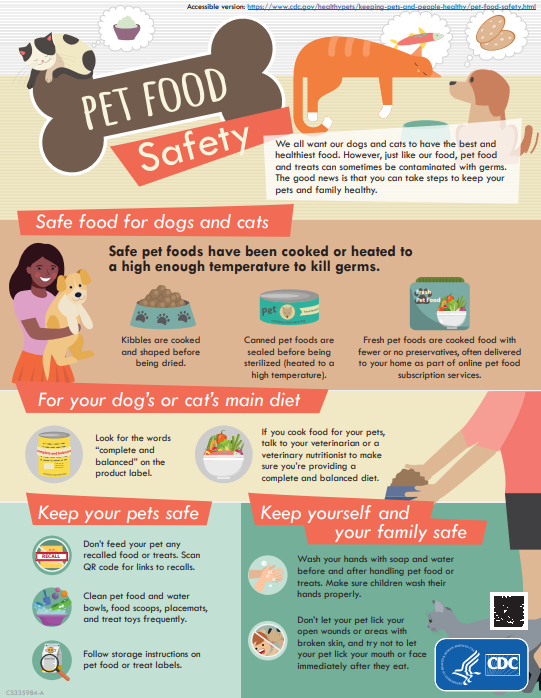
Have you ever caught your dog sneaking a bite of your cat’s food and wondered, “Is this safe for them?” It’s a common sight that might seem harmless, but the truth could surprise you. What if that tasty cat food is actually putting your dog’s health at risk?
Understanding the risks and what you should do next is crucial to keep your furry friend safe. Keep reading to discover everything you need to know about cat food and your dog’s well-being.
Cat Food Ingredients
Cat food ingredients differ from dog food in many ways. These differences affect how safe cat food is for dogs. Understanding the main parts of cat food helps explain why it may not suit dogs well. Key ingredients like protein, fat, and additives play a big role.
Protein Levels
Cat food usually has much higher protein than dog food. Cats need more protein to stay healthy. This high protein can be hard for dogs to digest. Too much protein may cause stomach upset in dogs. Dogs need less protein, and too much can stress their kidneys.
Fat Content
Fat in cat food is often higher than in dog food. Cats use fat for energy and skin health. Dogs eating high-fat cat food may gain weight fast. Excess fat can lead to pancreatitis in sensitive dogs. Dog diets balance fat to avoid these risks.
Additives And Preservatives
Cat foods contain additives to keep food fresh and tasty. Some additives are safe for dogs, but some may cause allergies. Preservatives like BHA and BHT appear in both foods. Too many additives can upset a dog’s stomach or cause reactions. Always check ingredients if dogs eat cat food.
Why Dogs Should Avoid Cat Food
Dogs and cats have very different dietary needs. Cat food is made to support a cat’s unique health. Feeding cat food to dogs can cause problems. It is important to understand why dogs should avoid cat food to keep them safe and healthy.
Nutritional Imbalance
Cat food has more protein and fat than dog food. Dogs need a balanced diet with the right nutrients. Too much protein and fat can harm dogs. Cat food lacks some nutrients that dogs require. Feeding cat food regularly can lead to poor health in dogs.
Digestive Issues
Dogs’ stomachs are different from cats’. Cat food is rich and heavy for dogs. Eating cat food may cause vomiting or diarrhea. Some dogs might have stomach pain or gas. Digestive upset happens because dogs cannot digest cat food well.
Toxic Components
Cat food may contain ingredients that are toxic to dogs. Some cat foods have high levels of taurine and certain vitamins. These can be harmful in large amounts to dogs. Also, some cat foods include additives dogs should avoid. Feeding cat food risks poisoning or illness in dogs.
Short-term Effects On Dogs
Feeding your dog cat food might seem harmless at first, but it can trigger noticeable short-term effects. Even a small amount can upset your dog’s system quickly. Knowing what to watch for helps you act fast and keep your pet comfortable.
Stomach Upset
One of the most common short-term reactions is stomach upset. Cat food is richer in protein and fat, which can overwhelm your dog’s digestive system.
You might see symptoms like vomiting, diarrhea, or gas. These signs usually appear within a few hours after your dog eats cat food. If your dog suddenly acts lethargic or refuses to eat, stomach discomfort could be the reason.
Have you ever noticed your dog’s stomach acting up after sneaking some cat food? It’s a clear warning that their digestive system isn’t built for it.
Behavioral Changes
Besides physical symptoms, cat food can cause changes in your dog’s behavior. They may seem restless or irritable due to discomfort from indigestion.
Some dogs might drink more water, pant excessively, or even hide in quiet corners. These behaviors often signal that something isn’t right internally.
Pay attention if your dog’s mood shifts suddenly after eating cat food. This could be your cue to check their diet and prevent further issues.
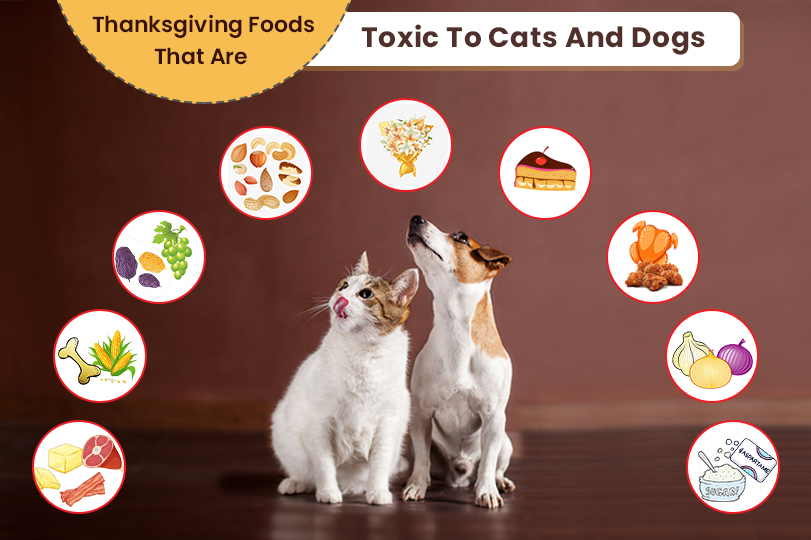
Credit: www.canadapetcare.com
Long-term Risks
Feeding dogs cat food regularly can cause serious health problems over time. Cat food is designed for cats’ unique needs, not dogs’. This mismatch can lead to long-term risks that harm your dog’s wellbeing.
Obesity And Weight Gain
Cat food is higher in fat and calories than dog food. Dogs eating cat food often gain weight quickly. Excess weight strains joints and organs. Obesity also raises the risk of diabetes and heart disease in dogs.
Organ Damage
Too much protein and fat in cat food can stress a dog’s organs. The liver and kidneys work harder to process these nutrients. Over time, this extra workload may cause organ damage. Signs include vomiting, lethargy, and changes in urination.
Nutrient Deficiencies
Cat food lacks some nutrients dogs need daily. Dogs require certain vitamins and minerals not found in cat food. Feeding cats’ meals regularly can cause nutrient shortages. This leads to weak immune systems and poor coat health in dogs.
When To Seek Veterinary Help
Knowing when to seek veterinary help after your dog has eaten cat food can make a big difference in their health. Cat food isn’t toxic in the usual sense, but it contains nutrients in amounts that dogs shouldn’t consume regularly. This can cause various issues, some mild and others more serious, so being alert to warning signs is crucial.
Recognizing Symptoms
Watch your dog closely after they’ve eaten cat food. Symptoms like vomiting, diarrhea, or excessive thirst may appear within hours. If your dog shows signs of lethargy, loss of appetite, or unusual behavior, these could indicate a more serious problem.
Sometimes, symptoms are subtle at first. You might notice your dog panting more or having trouble breathing. These signs should never be ignored since they may develop into serious conditions quickly.
Emergency Situations
If your dog experiences seizures, difficulty breathing, or collapses, seek emergency veterinary care immediately. These are critical signs that the body is reacting severely to the cat food. Quick action can save your dog’s life.
Also, if you see bloating or a distended abdomen, don’t wait to call the vet. This can be a sign of a dangerous condition called gastric torsion, which requires urgent treatment. Trust your instincts—when in doubt, get professional help.
Safe Feeding Alternatives
Finding safe feeding alternatives is crucial when you realize that cat food can be harmful to your dog. Choosing the right diet supports their health and avoids digestive upset or nutrient imbalances. Let’s look at some practical options that keep your dog happy and healthy without risking their well-being.
Dog-specific Diets
Dog-specific diets are formulated to meet your pet’s unique nutritional needs. Unlike cat food, these diets balance protein, fats, vitamins, and minerals suitable for dogs.
Look for brands that highlight complete and balanced nutrition for dogs. This ensures your dog gets the right amount of nutrients without excess that could cause problems.
Have you ever checked the ingredient list on your dog’s food? Avoid products with fillers or artificial additives, which can lead to allergies or digestive issues.
Homemade Dog Food Tips
Preparing homemade meals for your dog can be rewarding and safe if done correctly. Start with lean proteins like chicken, turkey, or beef, and add dog-friendly veggies such as carrots or green beans.
Remember to avoid toxic foods like onions, garlic, grapes, and chocolate. These can seriously harm your dog even in small amounts.
Consult your vet before switching to homemade food to ensure you cover all essential nutrients. Supplements like fish oil or calcium might be necessary for a balanced diet.
Preventing Accidental Feeding
Preventing your dog from accidentally eating cat food is essential for their health. Cat food often contains higher levels of protein and fat that can upset your dog’s stomach or cause long-term issues. Taking simple steps to keep these foods separate helps protect your furry friend and gives you peace of mind.
Storage Solutions
Keep cat food in a secure, elevated spot that your dog cannot reach. Using containers with tight-fitting lids can also prevent curious noses from getting in. Consider placing cat food inside a cabinet or on a high shelf to add an extra layer of safety.
Think about the feeding area too. Feeding cats in a separate room or behind a baby gate can stop your dog from sneaking bites. Have you noticed how quickly your dog can find food when it’s left out? Minimizing access is key.
Training Tips
Teaching your dog basic commands like “leave it” or “stay” can greatly reduce accidental feeding. Practice these commands regularly during treat time to build strong habits. Consistency and patience will help your dog understand boundaries better.
Reward your dog when they ignore cat food or wait patiently during feeding times. Positive reinforcement encourages good behavior without stress. Have you tried redirecting your dog’s attention to their own food bowl during cat feeding moments? This simple trick can work wonders.
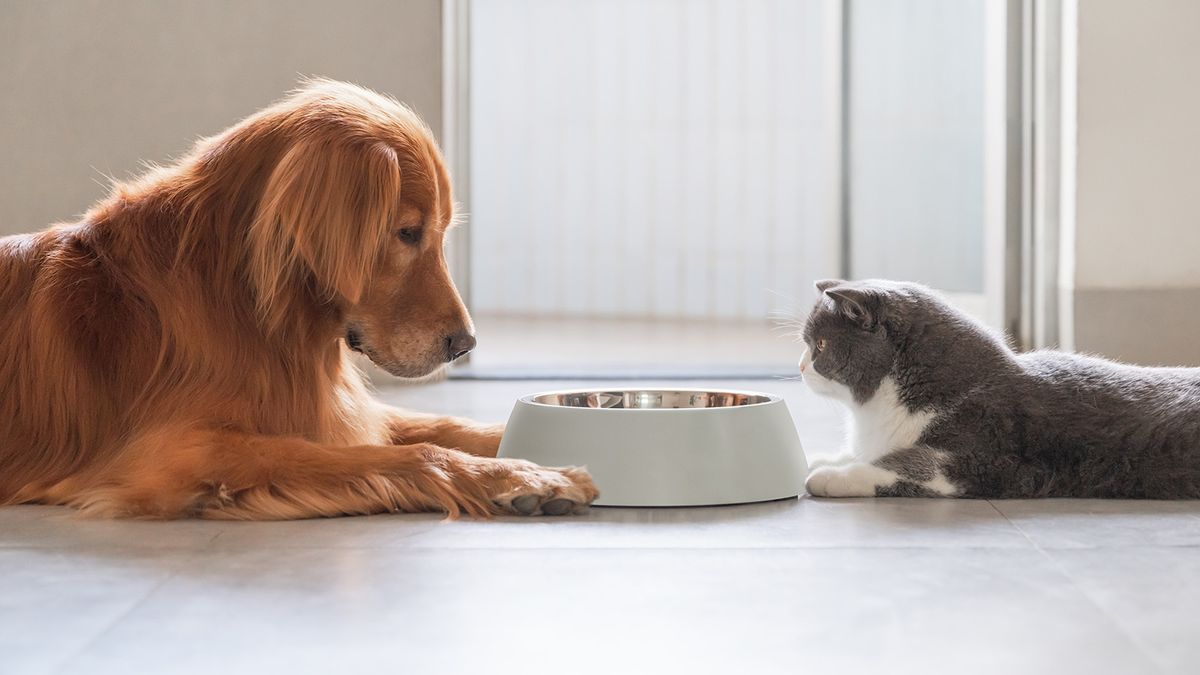
Credit: animals.howstuffworks.com
Credit: www.houndsy.com
Frequently Asked Questions
Is Cat Food Harmful To Dogs If Eaten Occasionally?
Cat food is not highly toxic to dogs in small amounts. However, it lacks essential nutrients dogs need. Regular consumption can cause health issues like obesity and digestive upset.
Why Is Cat Food Not Suitable For Dogs?
Cat food contains higher protein and fat levels tailored for cats. Dogs require different nutrient balances. Feeding cats’ food to dogs may lead to nutritional imbalances and related health problems.
What Symptoms Show Dog Ate Toxic Cat Food?
Symptoms include vomiting, diarrhea, lethargy, and abdominal pain. Some dogs may experience allergic reactions or pancreatitis. Immediate vet consultation is recommended if symptoms appear.
Can Dogs Develop Pancreatitis From Cat Food?
Yes, high-fat cat food can trigger pancreatitis in dogs. This condition causes inflammation of the pancreas and requires urgent veterinary care. Avoid feeding dogs cat food regularly to prevent this risk.
Conclusion
Cats and dogs need different foods to stay healthy. Cat food has more protein and fat than dog food. Eating cat food often can upset a dog’s stomach or cause health issues. It’s best to feed dogs food made just for them.
Keep cat food away from dogs to avoid problems. Watching what your dog eats helps keep them safe and happy. Always choose the right food for your pet’s needs. A healthy diet means a happy pet. Simple but important.
