

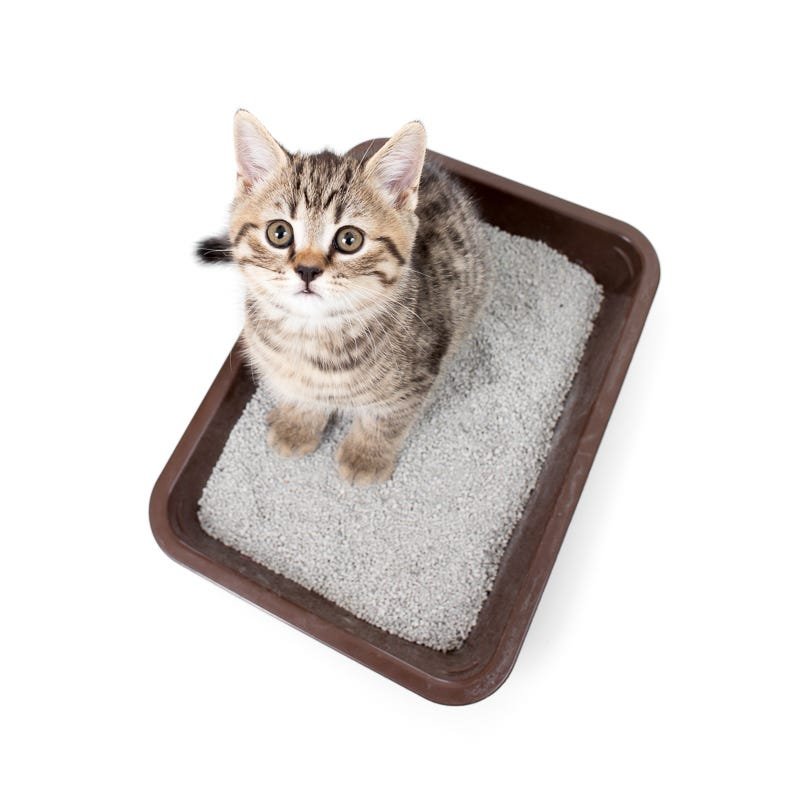
Have you ever wondered how many times a day your cat pees? It might seem like a simple question, but the answer can tell you a lot about your furry friend’s health.
Knowing what’s normal for your cat’s bathroom habits helps you spot problems early and keep them happy. You’ll discover the typical number of times cats pee each day and what changes you should watch out for. Keep reading to make sure your cat stays healthy and comfortable every day.
Normal Cat Urination Patterns
Understanding your cat’s normal urination patterns helps you spot any unusual changes early. Cats usually have consistent bathroom habits, which reflect their health and well-being. Knowing what to expect can save you from unnecessary worry and help you act when something feels off.
Average Frequency For Healthy Cats
Most healthy cats pee about two to four times a day. This frequency can vary slightly depending on how much they drink and their diet. If your cat consistently urinates less than once or more than five times daily, it might be a sign to check with your vet.
Have you noticed if your cat’s litter box visits have changed recently? Tracking these visits can be a simple way to monitor their health.
Factors Influencing Urination
Several factors affect how often your cat urinates. Water intake is the biggest one—cats drinking more will pee more. Wet food also increases urination because of its higher moisture content compared to dry kibble.
Other things like temperature, stress, and health issues can play a role too. For example, a stressed cat might hold urine longer or go more frequently. Keep an eye on changes in your cat’s routine or environment that might explain shifts in urination habits.
Age And Urination Changes
As cats grow older, their urination patterns can change noticeably. Older cats might pee more often due to kidney function changes or age-related diseases like diabetes. Younger kittens, on the other hand, may urinate more frequently simply because they have smaller bladders.
Does your senior cat seem to visit the litter box more? That could signal a health issue that needs attention. Regular vet checkups become even more important as your cat ages to catch these changes early.
Signs Of Urinary Health Issues
Noticing signs of urinary health issues in your cat early can save them discomfort and prevent serious complications. Cats are masters at hiding pain, so subtle changes might be your only clue. Paying close attention to how often and how your cat pees can reveal a lot about their urinary health.
Changes In Peeing Frequency
If your cat suddenly starts peeing more or less than usual, it’s worth investigating. An increase might signal a urinary tract infection or diabetes. On the other hand, peeing less or struggling to urinate could indicate a blockage, which is a medical emergency.
Ask yourself: Have you noticed your cat making more trips to the litter box or avoiding it altogether? Tracking these changes daily helps catch problems early.
Straining And Discomfort
Watch for signs like your cat crouching in the litter box for a long time or vocalizing while peeing. These behaviors often mean they are in pain or having difficulty urinating. Straining can be a symptom of crystals or stones blocking their urinary tract.
Have you seen your cat licking their genital area more than usual? This could be a sign of irritation or discomfort needing prompt attention.
Color And Smell Indicators
Healthy cat urine is usually pale yellow and mild-smelling. Darker urine or the presence of blood indicates potential issues like infection or bladder stones. A strong, foul odor can also be a warning sign of bacterial growth.
When was the last time you checked your cat’s litter box closely? Taking a moment to observe the color and smell can provide vital clues about their health.
Impact Of Diet And Hydration
Diet and hydration greatly influence how often cats urinate daily. What a cat eats changes its water needs and urine output. Proper hydration helps keep their urinary tract healthy and prevents problems.
Understanding how different foods and water intake affect urination helps cat owners care better for their pets. Small changes in diet can lead to noticeable changes in peeing frequency.
Wet Vs Dry Food Effects
Wet food contains about 70-80% water. Cats eating wet food usually drink less water. Their urine is more diluted and they may pee more often. Dry food has less than 10% water. Cats eating dry food need to drink more water to stay hydrated. They may produce less urine but it is more concentrated. Choosing between wet and dry food affects a cat’s hydration and urination patterns.
Water Intake Importance
Cats naturally drink less water than other animals. Providing fresh water encourages them to drink more. More water means more urine production. This helps flush out toxins and prevents urinary tract issues. Some cats prefer running water or multiple water bowls. Monitoring water intake is key to understanding changes in urination frequency.
Supplements And Their Role
Supplements like fish oil or vitamins can support urinary health. Some contain ingredients that promote hydration and reduce inflammation. They do not replace water but help maintain a healthy urinary system. Always consult a vet before adding supplements. Proper supplements can improve overall well-being and affect urination habits.
Credit: thediscerningcat.medium.com
Behavioral And Environmental Factors
Several behavioral and environmental factors impact how often cats pee daily. These factors shape their habits and comfort levels. Understanding these influences helps you notice changes in their bathroom routine.
Stress And Its Influence
Stress can make cats urinate more or less than usual. Loud noises, new people, or changes at home cause stress. Stress might lead to accidents outside the litter box. Cats under stress may visit their litter box often or avoid it completely.
Litter Box Preferences
Cats are picky about their litter box. The box’s size, cleanliness, and location matter a lot. A dirty box can stop a cat from using it. Some cats prefer covered boxes, while others like open ones. Changing the litter type might also affect peeing frequency.
Multi-cat Household Dynamics
Living with other cats changes bathroom habits. Some cats mark territory by peeing more. Competition for litter boxes can cause stress and irregular peeing. Having enough boxes, placed in quiet areas, helps reduce problems. Each cat needs its own safe space to pee.
When To See A Vet
Knowing when to take your cat to the vet based on their urination habits can make a huge difference in their health. Cats might hide signs of illness, so it’s important to pay close attention to changes in how often or how much they pee. Understanding what is normal and spotting warning signs early can save your cat from serious discomfort or complications.
Urgent Symptoms To Watch For
Watch for any sudden changes like your cat peeing more or less than usual. Straining to urinate, blood in the urine, or crying out while peeing are clear signs something is wrong.
If your cat stops peeing altogether, this is an emergency. It can quickly lead to dangerous kidney problems, so you need to get to a vet immediately.
Routine Checkups And Testing
Even if your cat’s urination seems normal, routine vet visits help catch hidden issues early. Your vet can perform urine tests to check for infections, crystals, or kidney problems before symptoms appear.
Ask your vet about how often you should bring your cat in based on their age and health. Regular checkups allow you to discuss any subtle changes you notice at home.
Preventative Measures
Keeping your cat hydrated is one of the best ways to support healthy urination. Make fresh water available at all times and consider wet food to increase fluid intake.
Stress can affect your cat’s bathroom habits, so provide a calm environment and clean litter boxes often. These small steps can prevent urinary problems before they start.

Credit: www.reddit.com

Credit: happycatshome.com
Frequently Asked Questions
How Often Do Healthy Cats Typically Pee Daily?
Healthy cats usually pee two to four times a day. Frequency depends on water intake, diet, and age. Regular urination indicates good kidney and bladder health in cats.
What Factors Affect How Many Times Cats Urinate?
Water consumption, diet type, age, and health conditions affect urination frequency. Cats drinking more water or eating wet food may pee more often. Illnesses like urinary tract infections also change urination habits.
When Should I Worry About My Cat’s Urination Frequency?
If your cat pees more than six times or less than once daily, consult a vet. Changes in urination patterns can signal health issues like infections or kidney problems.
Does Cat Breed Influence How Often They Pee?
Breed has minimal impact on urination frequency. Individual cat health, diet, and hydration levels are more significant factors. Monitor your cat’s habits regardless of breed.
Conclusion
Cats usually pee between two to six times daily. This depends on their age, diet, and health. Watching your cat’s bathroom habits helps spot health problems early. Changes in frequency or difficulty peeing need a vet’s attention. Keeping your cat hydrated supports normal urination.
Remember, every cat is different, so learn what is normal for yours. This knowledge helps you care better for your furry friend. Simple observation can keep your cat happy and healthy.
