

Have you ever wondered how often your cat goes into heat? Understanding your cat’s heat cycles is key to keeping her happy and healthy.
If you’ve noticed unusual behavior or sounds from your furry friend, it might be her way of telling you she’s in heat. Knowing when and how often this happens can help you prepare and care for her better. Keep reading to discover everything you need to know about your cat’s heat cycle and how it affects her.
Cat Heat Cycles
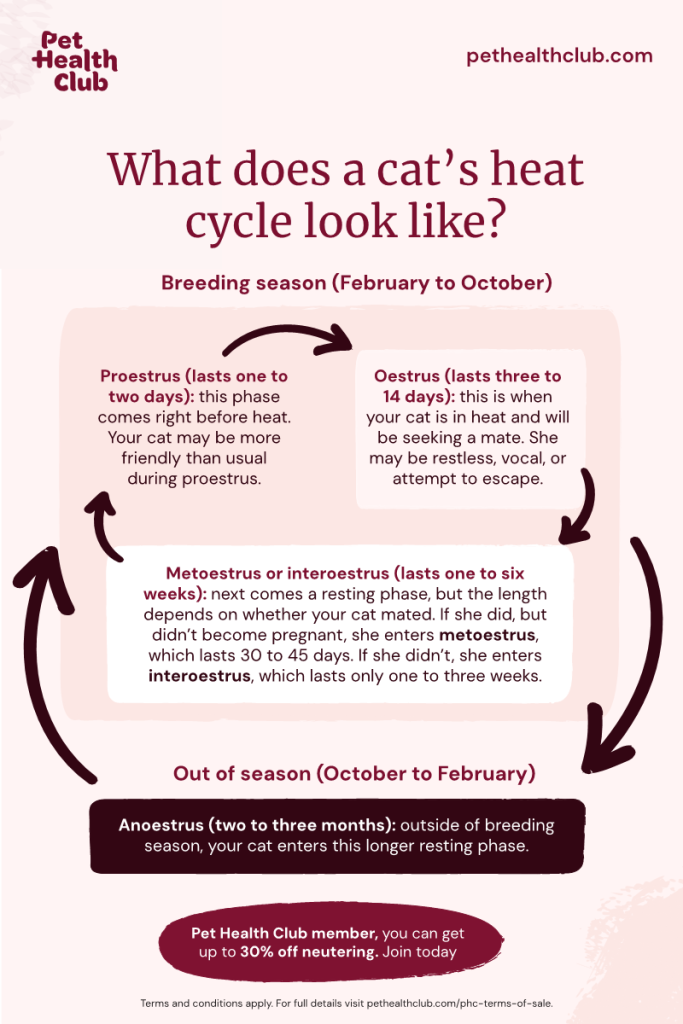
Cats experience heat cycles as part of their natural reproductive process. These cycles signal when a female cat is ready to mate. Understanding these cycles helps in caring for your cat properly. It also prepares you to manage behaviors linked to heat.
What Is A Heat Cycle
A heat cycle is a period when a female cat is fertile. During this time, she can become pregnant. The cycle is controlled by hormones in her body. It involves several stages, starting with the proestrus and ending with the diestrus. Each stage has specific changes in behavior and physical signs.
Typical Frequency
Cats usually go into heat every two to three weeks. This happens during the breeding season, mostly in spring and summer. Indoor cats may have cycles year-round due to artificial light. Each heat lasts about 5 to 10 days if the cat does not mate. Without mating, the cycle repeats until the cat becomes pregnant or the season ends.
Signs Of Heat
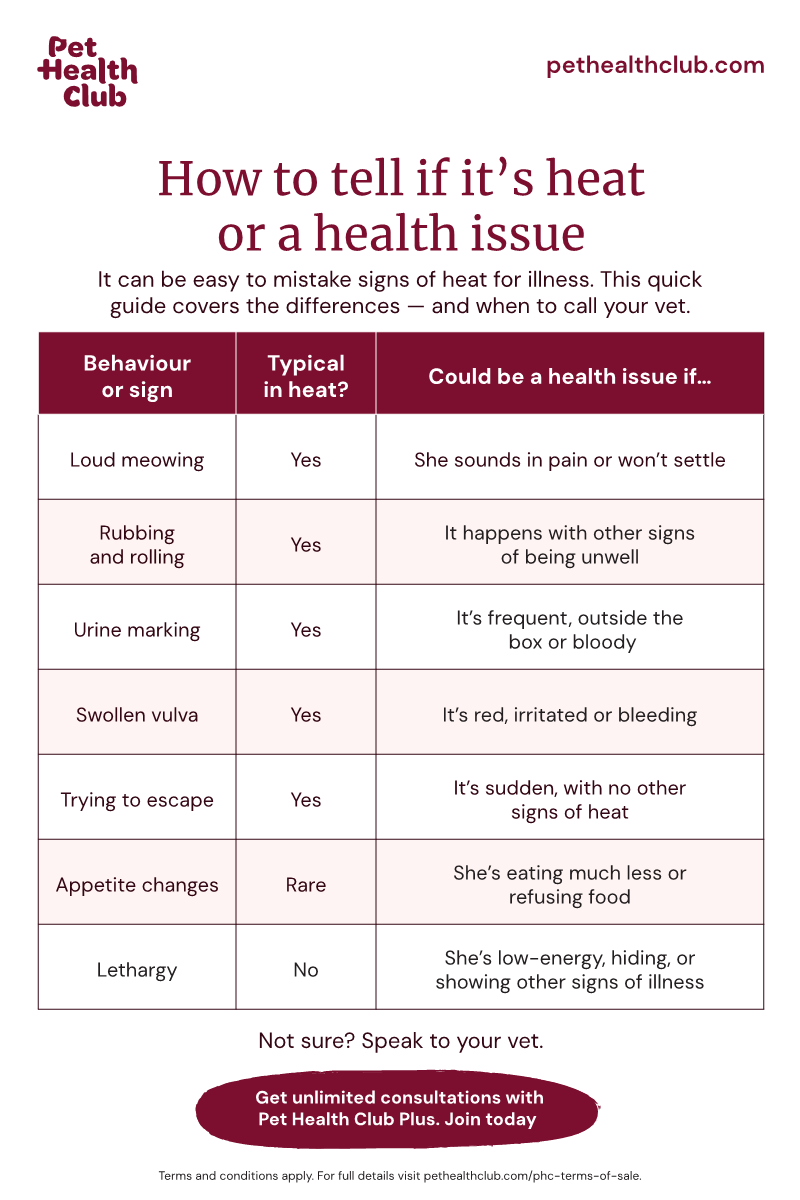
Cats in heat show clear signs. These include:
- Loud vocalizing or yowling
- Increased affection and rubbing against objects
- Restlessness and pacing
- Raising the hindquarters when petted
- Frequent urination and scent marking
Recognizing these signs can help you support your cat’s needs during this time.
Factors Affecting Heat Frequency
The frequency of a cat’s heat cycles varies due to several factors. Understanding these helps predict when a cat might go into heat next. Some cats experience heat more often, while others less frequently. These differences depend on age, breed, environment, and other conditions.
Age And Breed
Young cats usually start their heat cycles around six months old. Some breeds have shorter or longer cycles than others. For example, Siamese cats often go into heat more frequently. Older cats may have less frequent cycles or stop going into heat altogether.
Seasonal Influences
Cats are seasonal breeders. Their heat cycles often depend on daylight length. More daylight means more frequent heat cycles. This usually happens in spring and summer. In winter, cats may have fewer or no heat cycles due to shorter days.
Indoor Vs Outdoor Cats
Indoor cats may have heat cycles all year long. Artificial light indoors can confuse their natural cycle. Outdoor cats follow the natural seasons more closely. They tend to have heat cycles mainly in warmer months. The environment plays a big role in heat frequency.
Behavior Changes During Heat
When your cat enters heat, her behavior can shift noticeably. These changes are signals she’s ready to mate, and understanding them helps you manage her needs better. Observing these patterns closely can also prevent misunderstandings about her mood or health.
Vocalization Patterns
One of the most obvious signs of a cat in heat is increased vocalization. Your cat may start yowling loudly or making persistent meows at odd hours. This loud calling is her way of attracting male cats and expressing her restlessness.
Have you noticed your cat’s nighttime cries becoming more frequent or intense? It’s her natural instinct kicking in, and you might find it hard to ignore. Providing a calm environment can sometimes help reduce the volume, but it often won’t stop the vocal urges entirely.
Physical Activity
During heat, your cat’s energy levels can spike dramatically. She might pace around the house, scratch surfaces more often, or try to escape outdoors. This heightened activity is linked to her drive to find a mate, so keeping her entertained indoors is crucial.
You could try interactive toys or extra play sessions to channel her energy positively. Have you ever caught your cat suddenly darting around like she’s on a mission? It’s a common behavior and a sign she’s feeling the urge strongly.
Affection Levels
Many cats become unusually affectionate during heat, seeking more attention and physical contact. Your cat might rub against you, furniture, or even the floor more often than usual. This behavior shows her desire for closeness and comfort amidst hormonal changes.
On the other hand, some cats can also become a bit irritable or restless, so watch for shifts in mood. How do you usually respond when your cat’s demand for affection spikes? Meeting her needs with gentle petting can make this phase easier for both of you.
Credit: www.pethealthclub.com
Managing A Cat In Heat
Managing a cat in heat can be a challenging time for both you and your feline friend. The behaviors your cat shows may test your patience, but with the right approach, you can ease her discomfort and keep your home calm. Understanding how to support your cat during this period helps prevent stress and unwanted situations.
Comfort Strategies
During heat, your cat may become restless and vocal. Create a quiet and cozy space where she can relax without distractions. Soft bedding, gentle petting, and playing soothing music can help reduce her anxiety.
Try using a warm compress or a heated pad set on low to provide comfort. Cats often respond well to warmth, which can ease muscle tension. Also, engage her with interactive toys to divert her attention from mating behaviors.
Preventing Unwanted Pregnancies
Keeping your cat indoors is the most effective way to prevent unplanned pregnancies. Ensure windows and doors are securely closed, especially during her heat cycles when she might try to escape.
If your cat goes outside, consider supervised outdoor time or a secure cat enclosure. You might also explore options like spaying, which not only prevents pregnancies but also reduces heat cycles and associated behaviors.
When To Consult A Vet
If your cat’s heat cycles seem unusually long, frequent, or intense, it’s time to check with your veterinarian. Health issues like ovarian cysts can cause abnormal heat behaviors and require medical attention.
Also, if you notice signs such as excessive bleeding, lethargy, or loss of appetite, consult your vet promptly. They can provide guidance tailored to your cat’s health and help you decide on the best course of action.
Spaying And Heat Cycles
Spaying is a common surgery for female cats that removes their reproductive organs. This procedure stops their heat cycles and prevents pregnancy. Understanding how spaying affects a cat’s heat cycle helps owners make informed decisions.
Benefits Of Spaying
- Prevents unwanted litters and reduces cat overpopulation.
- Lowers the risk of certain cancers like ovarian and uterine cancer.
- Reduces behaviors linked to heat cycles such as yowling and restlessness.
- Eliminates the risk of pyometra, a serious uterine infection.
- Often leads to a calmer and healthier cat overall.
Impact On Heat Cycles
Spaying stops the heat cycle completely. Once the surgery is done, a female cat will no longer go into heat. There are no more hormonal changes that cause heat behaviors. This means no more signs like loud meowing or frequent urination to attract mates.
Timing For Spaying
Most vets recommend spaying cats before their first heat, usually around five to six months old. Spaying early can prevent health issues and unwanted behaviors. Cats can be spayed later too, but early spaying offers the best protection and benefits.

Credit: www.purina.com
Credit: www.diamondpet.com
Frequently Asked Questions
How Often Do Cats Go Into Heat Annually?
Cats typically go into heat every 2 to 3 weeks during breeding seasons. This cycle repeats until the cat mates or the season ends.
What Triggers A Cat’s Heat Cycle?
Heat cycles are triggered by longer daylight hours and hormonal changes. Most cats experience heat in spring and summer when days are longer.
How Long Does Each Heat Cycle Last In Cats?
Each heat cycle usually lasts about 5 to 7 days. If the cat does not mate, the cycle repeats every few weeks.
Can Indoor Cats Have Heat Cycles Year-round?
Yes, indoor cats can experience heat cycles throughout the year due to artificial lighting and stable temperatures.
Conclusion
Cats usually go into heat every few weeks during certain seasons. This cycle can last several days each time. Understanding this helps pet owners care for their cats better. It also helps in managing behaviors that come with heat. Spaying can stop these cycles and prevent unwanted litters.
Watching your cat closely makes it easier to notice heat signs. This knowledge keeps your cat happy and healthy. Simple care and attention make a big difference. Cats rely on you for comfort during these times. Knowing their cycle helps build a stronger bond.
