

Is your cat acting different lately? You might be wondering, “How do I know if my cat is in heat?” Understanding the signs can help you take better care of her and keep her comfortable.
You’ll discover clear, easy-to-spot clues that show when your cat is in heat. Knowing these signs will help you respond quickly and avoid surprises. Keep reading to learn what to watch for and how to help your furry friend through this phase.
Credit: www.pethealthclub.com
Behavioral Changes
Noticing behavioral changes in your cat is one of the clearest signs she might be in heat. These shifts can be subtle or quite obvious, depending on her personality. Paying attention to these behaviors helps you understand her needs and manage her comfort better during this phase.
Increased Affection
Your cat may suddenly become more loving than usual. She might rub against you, furniture, or walls more frequently, seeking attention and contact.
Some cats even follow their owners around, purring loudly and nudging for petting. If your usually independent cat becomes clingy, it’s a strong sign she’s in heat.
Restlessness
Have you noticed your cat pacing or unable to settle down? This restlessness is common during heat cycles as hormones surge and energy spikes.
She might also scratch doors or windows, trying to escape outside to find a mate. This behavior can be frustrating for both you and your cat, but it’s a clear indicator of her heat status.
Vocalization Patterns
Listen closely to your cat’s meows—they change during heat. Expect louder, more frequent yowling or caterwauling that seems almost like a call for help.
These sounds can be persistent, especially at night, reflecting her urge to attract a mate. If your cat’s vocal habits shift noticeably, it’s likely she’s in heat.
Physical Signs
Recognizing the physical signs of a cat in heat can help you understand her needs and behavior better. These signs are often quite noticeable and can give you clear clues about her reproductive cycle. Paying close attention to changes in her body and actions can make a big difference in how you care for her during this time.
Swollen Genital Area
One of the most obvious signs is a swollen and reddish genital area. It may look slightly larger than usual and can be tender to touch. If you notice this change, it’s a strong indicator that your cat is in heat and ready to mate.
Change In Posture
Your cat may start adopting a different posture to signal her readiness. She might raise her hindquarters, lower her front body, and move her tail to one side. This stance is a natural invitation to male cats, and it’s something you can observe if you spend time watching her closely.
Frequent Grooming
During heat, cats often groom their genital area more frequently and intensely than usual. This behavior helps keep the area clean but can sometimes seem excessive. Have you noticed your cat spending more time licking herself lately? It’s likely connected to her being in heat.
Timing And Frequency
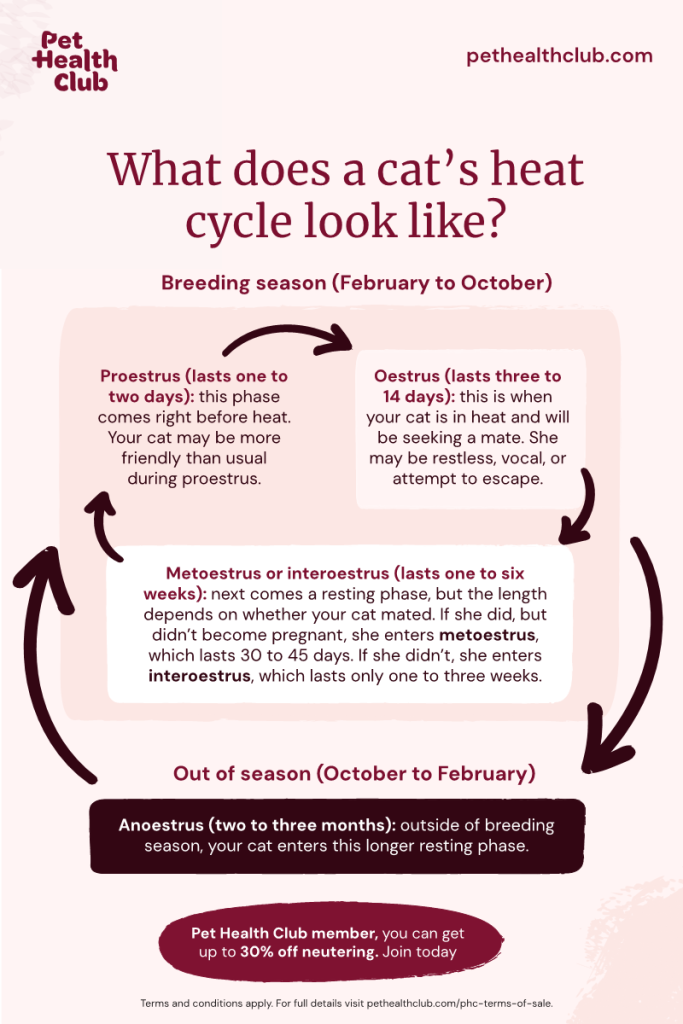
Understanding the timing and frequency of your cat’s heat cycles can help you better care for her and anticipate her behavior. Cats don’t stay in heat continuously; their cycles come and go, often catching owners by surprise. Paying close attention to when these cycles start and how often they repeat gives you clearer insight into your cat’s reproductive health.
Heat Cycle Duration
A typical heat cycle in cats usually lasts between 4 to 7 days, but it can vary. Some cats may show signs for as few as 3 days, while others might stay in heat for up to two weeks. During this time, your cat might vocalize loudly, become more affectionate, or display restlessness.
Have you noticed your cat suddenly acting clingy or meowing nonstop for several days? That’s often a strong indicator her heat cycle is underway. Tracking these changes on a calendar can help you predict when the next cycle might start.
Signs Of Repeat Cycles
Cats are polyestrous, meaning they can go into heat multiple times in a breeding season, typically every 2 to 3 weeks if they don’t mate. You might observe your cat cycling again just a few weeks after the previous heat ended. This can feel exhausting if you’re not prepared.
Look for recurring behaviors like frequent rubbing against objects, elevated tail posture, and persistent vocalizing. These signs often return with each cycle until your cat becomes pregnant or the breeding season ends.
- Be ready for multiple cycles through spring and summer months.
- Note the length between cycles to understand your cat’s pattern.
- Consult your vet if cycles seem unusually frequent or prolonged.
Common Misinterpretations
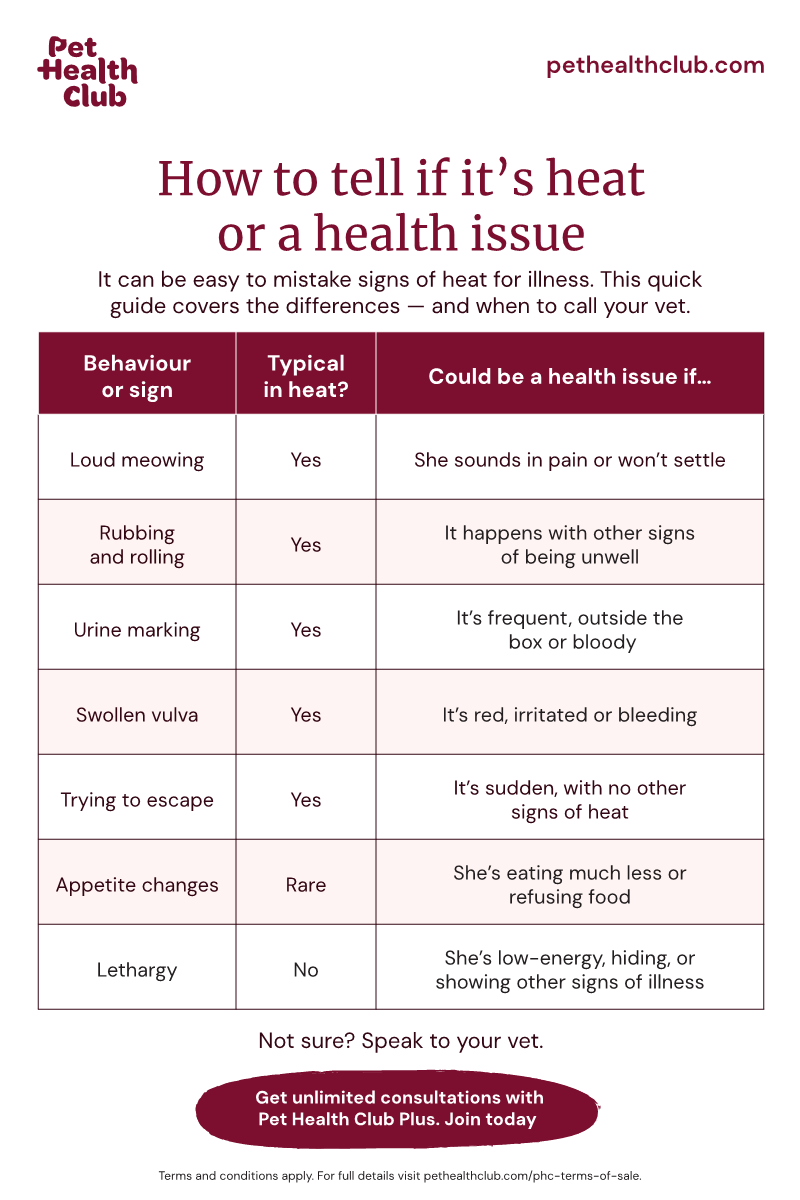
Common misinterpretations about a cat in heat can confuse many pet owners. Cats display various signs that might look like sickness or behavior problems. Recognizing the difference helps you care for your cat better. This section explains how to tell heat signs apart from other issues.
Distinguishing Heat From Illness
Cats in heat often vocalize loudly. They may also seem restless or seek attention more than usual. Illness, on the other hand, might cause lethargy or lack of appetite. Heat does not usually cause vomiting or diarrhea. Watch for symptoms like sneezing or coughing; these are not heat signs. If your cat shows these, a vet visit is best. Heat causes clear behavior changes, not physical sickness.
Behavioral Issues Vs Heat
Some cats act differently due to stress or changes in their environment. This can include hiding or aggression. Heat makes cats more affectionate or restless, not aggressive. They might rub against objects or roll on the floor often. Behavioral problems usually last longer and are less predictable. Knowing these differences helps you respond correctly to your cat’s needs.
When To Consult A Vet
Knowing when to see a vet for a cat in heat is important. Some signs show your cat needs professional care. Early vet visits can prevent health problems. Pay attention to changes in behavior or health.
Unusual Symptoms
Watch for symptoms that seem strange or severe. These include:
- Excessive bleeding or discharge
- Extreme restlessness or aggression
- Loss of appetite or vomiting
- Signs of pain or discomfort
- Sudden lethargy or weakness
These signs may indicate an infection or other health issues. A vet can diagnose and treat these problems quickly.
Spaying Considerations
Spaying stops heat cycles and prevents unwanted litters. Talk to a vet about the best age for spaying. The vet will explain benefits and risks clearly. This surgery also lowers the risk of some diseases. Planning spaying early helps your cat stay healthy and calm.

Credit: www.youtube.com

Credit: www.youtube.com
Frequently Asked Questions
What Are The Common Signs My Cat Is In Heat?
Cats in heat often show restlessness, loud vocalizing, and increased affection. They may also assume mating positions and spray urine to mark territory. These behaviors signal your cat’s reproductive cycle and can last several days if unbred.
How Often Do Cats Go Into Heat Annually?
Unspayed cats can enter heat every 2 to 3 weeks during breeding season. This cycle continues until mating or the season ends. Frequency depends on factors like breed, climate, and individual health.
Can Male Cats Sense When A Female Is In Heat?
Yes, male cats can detect pheromones released by females in heat. This causes increased interest, territorial behavior, and sometimes aggression. The scent helps males locate females ready for mating.
How Long Does A Cat’s Heat Cycle Last?
A typical heat cycle lasts about 4 to 7 days. If the cat doesn’t mate, she may go back into heat every few weeks. Heat cycles continue seasonally until she is spayed or pregnant.
Conclusion
Cats in heat show clear signs you can notice easily. Watch for changes in behavior and sounds. These signals help you understand your cat’s needs. Knowing this helps you care for her better. Always stay patient and gentle during this time.
If you are unsure, consult your vet for advice. Caring well supports your cat’s health and happiness. Keep learning about your pet to build a strong bond. Understanding your cat’s heat cycle makes life easier for both.
