

Have you ever wondered how long your cat can go without food or water? It’s a question every pet owner should know the answer to because your cat’s health depends on it.
Knowing the limits can help you act fast in emergencies and keep your furry friend safe. You’ll discover the surprising facts about how long a cat can survive without these essentials. Keep reading—what you learn could save your cat’s life.
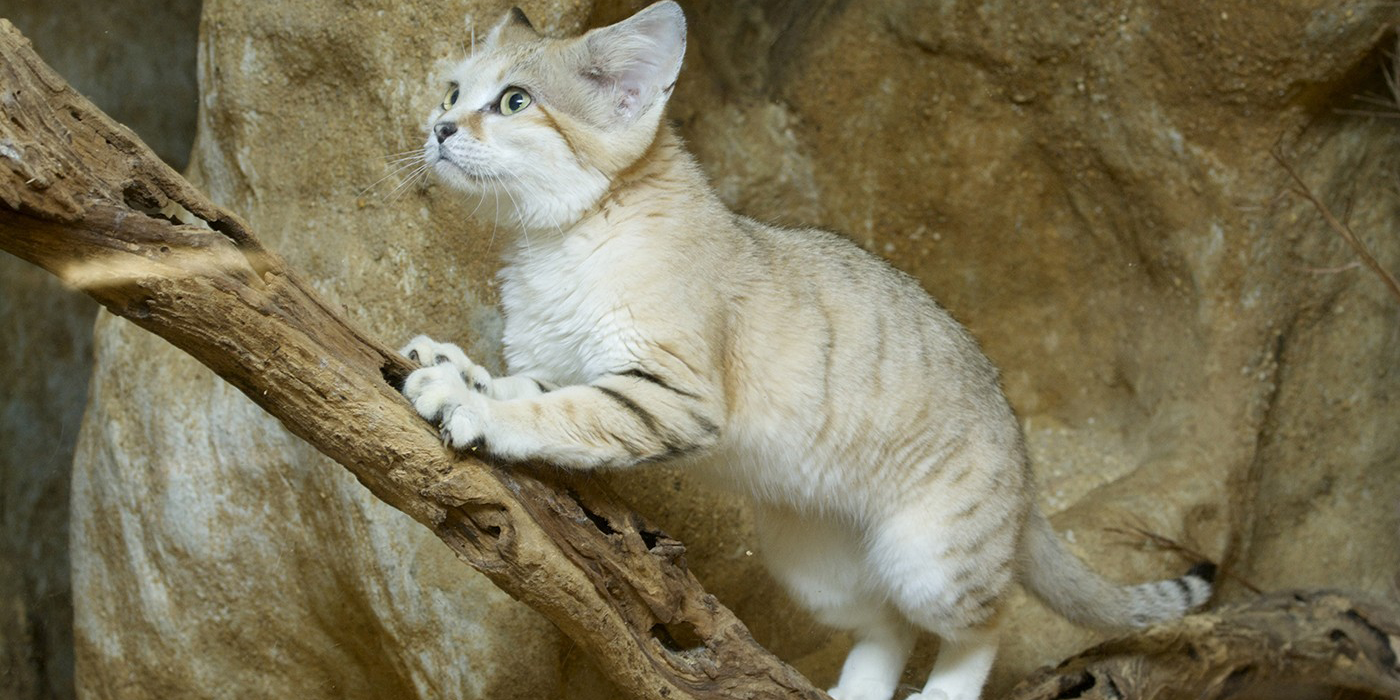
Credit: nationalzoo.si.edu
Cat’s Water Needs
Understanding your cat’s water needs is crucial for their health and well-being. Cats naturally have a low thirst drive because they evolved from desert animals, meaning they often don’t drink enough water on their own. This can make them more vulnerable to dehydration, especially if their diet lacks moisture.
Daily Water Intake
A typical cat needs about 50-70 ml of water per kilogram of body weight each day. So, if your cat weighs 4 kg, they should drink roughly 200-280 ml daily. This includes water from wet food, which can contribute significantly to hydration.
Dry kibble contains very little moisture, so cats eating only dry food must drink more water to stay hydrated. If you’ve ever noticed your cat drinking from the faucet or bowl multiple times a day, that’s a sign they’re meeting their hydration needs.
Effects Of Dehydration
Dehydration can sneak up quickly in cats and cause serious health issues. Early signs include lethargy, sunken eyes, and dry gums. If you notice these symptoms, it’s critical to act fast to avoid kidney problems or worse.
Have you ever wondered how long a cat can survive without water? Without any water, a cat may survive only a few days, typically around 3 to 4 days. This short window highlights why constant access to fresh water is non-negotiable for your pet’s survival.
Pay close attention to your cat’s drinking habits. Providing multiple water sources or a cat water fountain can encourage more drinking. After all, keeping your cat well-hydrated is one of the simplest ways to protect their health every day.
Cat’s Food Requirements
Understanding your cat’s food requirements is crucial to keeping them healthy and happy. Cats are obligate carnivores, meaning they need specific nutrients found mainly in animal products. Knowing what your cat needs daily helps you recognize the signs of inadequate nutrition and prevents serious health issues.
Nutritional Needs
Cats require a balanced diet rich in proteins, fats, and certain vitamins. Protein is essential for muscle maintenance and energy, while fats support brain function and skin health. Key nutrients like taurine, arachidonic acid, and vitamin A must come from their food because cats cannot produce them on their own.
Water is equally important. Cats often get some moisture from wet food, but they still need fresh water daily. Without enough water, their kidneys can suffer, leading to long-term health problems.
Impact Of Starvation
How long do you think a cat can survive without food? Typically, cats can last about one to two weeks without eating, but this depends on their age, health, and hydration levels. Starvation quickly weakens their immune system and damages organs.
Without food, cats start breaking down muscle and fat for energy, which leads to rapid weight loss and muscle wasting. This process also causes harmful toxins to build up in their bodies, putting them at risk of liver failure.
Dehydration makes things worse. A cat without water may survive only three to four days. You might notice lethargy, sunken eyes, and dry gums as warning signs. If you see these, act immediately—delaying could cost your cat’s life.
Survival Time Without Water
Cats need water to survive just like any other living creature. Without water, a cat’s body begins to shut down quickly. Water keeps their organs working and helps regulate their temperature.
Generally, a cat can survive only a few days without water. The exact time depends on several factors. Understanding these helps in recognizing when a cat is in danger.
Factors Influencing Survival
- Age:Kittens and older cats are more vulnerable to dehydration.
- Health:Cats with illnesses or infections need water more urgently.
- Environment:Hot or dry conditions speed up water loss from the body.
- Activity Level:Active cats lose water faster through panting and movement.
- Access to Food:Wet food contains water, helping reduce dehydration.
Signs Of Severe Dehydration
- Dry, sticky gums and mouth.
- Sunken eyes or dull appearance.
- Skin that does not snap back when gently pinched.
- Weakness or lethargy.
- Rapid breathing or panting.
- Loss of appetite.
Survival Time Without Food
Cats are known for their resilience, but food is vital for their survival. Understanding how long a cat can last without food helps caretakers act quickly. This period varies based on the cat’s health, age, and environment. On average, a healthy cat can survive without food for about one to two weeks. During this time, the cat’s body uses stored fat and muscle for energy.
Survival without food is possible only if water is available. Without water, a cat’s survival time reduces drastically. Fasting triggers several changes inside the cat’s body to preserve energy and vital functions. These changes are important to understand to protect a cat’s health during illness or stress.
Body’s Adaptation To Fasting
When a cat stops eating, the body shifts to using fat stores for energy. This process is called ketosis. The liver breaks down fat into ketones, which the body uses as fuel. Muscle protein also breaks down if fasting continues. The cat’s metabolism slows to save energy. This adaptation helps the cat survive longer without food.
The cat’s digestive system also slows down. This conserves energy since digestion requires effort. The body prioritizes vital organs like the brain and heart. Energy use in less critical systems decreases. These adaptations keep the cat alive during short-term starvation.
Health Risks From Prolonged Starvation
Fasting beyond a few days can harm a cat’s health. Muscle loss weakens the cat and reduces mobility. The immune system becomes weaker, increasing infection risk. Organ damage can occur, especially to the liver and kidneys. A dangerous condition called hepatic lipidosis may develop. This liver disease happens when fat accumulates in liver cells.
Prolonged starvation causes dehydration and electrolyte imbalances. These can lead to seizures and heart problems. The cat may become lethargic and unresponsive. Recovery becomes harder the longer the cat goes without food. Immediate veterinary care is essential if a cat refuses to eat for more than 24 hours.
Emergency Care Tips
Emergency care for a cat without water or food requires quick and careful action. Immediate attention can save your pet’s life. Knowing how to provide basic care helps ease their recovery. Focus on gentle rehydration and proper feeding to avoid harm.
Rehydration Techniques
Start by offering small amounts of fresh water frequently. Use a syringe if the cat won’t drink on its own. Avoid giving too much water at once. This can cause vomiting or choking. For severe dehydration, electrolyte solutions made for pets help balance fluids. Never use sports drinks or human oral rehydration solutions. Keep your cat warm and calm during rehydration. Observe for signs of improvement or distress.
Feeding After Starvation
Introduce food slowly to prevent digestive upset. Begin with soft, easy-to-digest meals like wet cat food or boiled chicken. Serve small portions several times a day. Avoid dry food at first as it can be hard to digest. Monitor your cat’s reaction to food and water. Stop feeding if vomiting or diarrhea occurs and seek vet help immediately. Gradually increase portion size and food variety as your cat recovers.

Credit: www.purina.com
Preventive Measures
Preventive measures are your best defense against the serious risks cats face without food and water. By taking simple, consistent actions, you can protect your furry friend from dehydration and malnutrition. Let’s look at how you can keep your cat healthy and hydrated every day.
Ensuring Constant Water Access
Water should never be out of reach for your cat. Always keep fresh, clean water available in multiple spots around your home. Some cats prefer running water, so a pet water fountain might encourage them to drink more.
Think about how often you check and refill their water bowls. Could you improve this routine to prevent accidental dehydration? Also, avoid placing water bowls near their litter box since cats dislike drinking close to their bathroom.
Maintaining A Balanced Diet
Your cat’s diet directly affects their hydration and overall health. Wet food contains more moisture than dry kibble, so including it regularly helps increase their water intake. Variety in protein sources and nutrients keeps their appetite strong and supports sustained energy.
Have you noticed if your cat’s eating habits change suddenly? Monitoring their food intake daily helps you catch early signs of illness or stress. Providing a balanced diet tailored to their age and health needs ensures they get all essential vitamins and minerals.

Credit: www.youtube.com
Frequently Asked Questions
How Long Can A Cat Survive Without Water?
A cat can survive about 3 to 4 days without water. Lack of water causes dehydration quickly. Immediate hydration is crucial for a cat’s health and survival.
How Long Can A Cat Survive Without Food?
Cats can survive up to 1 to 2 weeks without food. However, lack of food weakens their immune system. Proper feeding is essential to maintain their energy and health.
What Signs Show A Cat Is Dehydrated?
Signs include lethargy, dry gums, sunken eyes, and loss of skin elasticity. Dehydration is dangerous and requires urgent veterinary care to prevent severe health issues.
Can Cats Survive Longer Without Food Or Water?
Cats survive longer without food than water. Water deprivation causes faster health decline. Providing fresh water regularly is vital for a cat’s survival and wellbeing.
Conclusion
Cats cannot live long without food and water. Usually, they survive about three days without water. Without food, cats may last up to two weeks but become very weak. Dehydration and starvation harm their health quickly. Always provide fresh water and proper food every day.
Watch for signs of illness or distress. Acting fast can save a cat’s life. Remember, caring for pets means meeting their basic needs. Keep your cat safe, healthy, and happy with regular food and water.
