

Have you ever noticed your cat acting differently and wondered if she might be in heat? It can be confusing to understand what your furry friend is trying to tell you.
Knowing the signs of a cat in heat is important for her comfort and your peace of mind. You’ll discover clear, simple ways to recognize when your cat is in heat. By the end, you’ll feel confident in understanding her behavior and ready to take the right steps to help her through this natural phase.
Keep reading to learn what to watch for and how to respond.
Behavioral Changes
Behavioral changes are often the clearest signs that your cat is in heat. These shifts can catch you off guard, especially if you’re used to a calm and quiet feline. Understanding these behaviors helps you respond better and keeps your cat comfortable during this time.
Increased Vocalization
You might notice your cat suddenly becoming much louder than usual. She may yowl or meow persistently, especially at night. This vocalization is her way of signaling readiness to mate and seeking attention.
Have you ever been woken up by your cat’s intense meowing? It’s her natural instinct trying to communicate, not just random noise.
Restlessness And Agitation
Your cat may seem unable to settle down. She might pace around the house, repeatedly rub against furniture, or scratch surfaces more than usual. This restlessness shows her inner discomfort and eagerness to find a mate.
Noticing this, you can try providing extra playtime or a cozy spot to help ease her anxiety. Do you observe her jumping on high places or darting from room to room? These are signs she’s feeling unsettled.
Affectionate Behavior
Many cats become unusually clingy during heat cycles. Your cat might seek constant petting, nuzzle your hands, or rub her head against you more frequently. This behavior is her way of craving comfort and reassurance.
It’s a good time to offer gentle affection but be mindful if she suddenly becomes irritable. Have you seen your cat roll on the floor and expose her belly? That’s another signal she’s looking for attention.
Credit: www.pethealthclub.com
Physical Signs
Recognizing the physical signs that indicate your cat is in heat is key to understanding her needs and behavior. These signs are often clear and visible, helping you respond appropriately. Paying close attention to these changes can improve her comfort and your bond.
Swollen Genital Area
One of the most obvious signs is a swollen genital area. You may notice her vulva appears larger and redder than usual. This swelling can last for several days and is a reliable indicator that your cat is in heat.
Frequent Licking
Your cat may lick her genital area more often than normal. This behavior helps her stay clean but also signals discomfort or awareness of changes. If you see her spending an unusual amount of time grooming this area, it’s a strong clue she’s in heat.
Posture And Movements
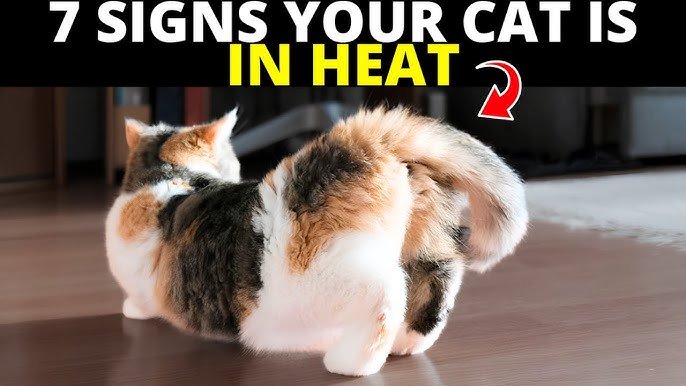
Notice her body language—she might adopt a distinctive posture, such as raising her hindquarters and treading with her back legs. These movements are instinctive and meant to attract male cats. Have you seen your cat rubbing against furniture or people more than usual? This behavior often accompanies the physical signs of heat and is worth watching for.
Timing And Cycle
Understanding the timing and cycle of a cat’s heat is essential if you want to manage her behavior or make informed decisions about her health. Cats don’t just go into heat randomly; there’s a clear pattern that repeats itself throughout certain times of the year. Recognizing these patterns helps you anticipate her needs and respond accordingly.
Heat Cycle Duration
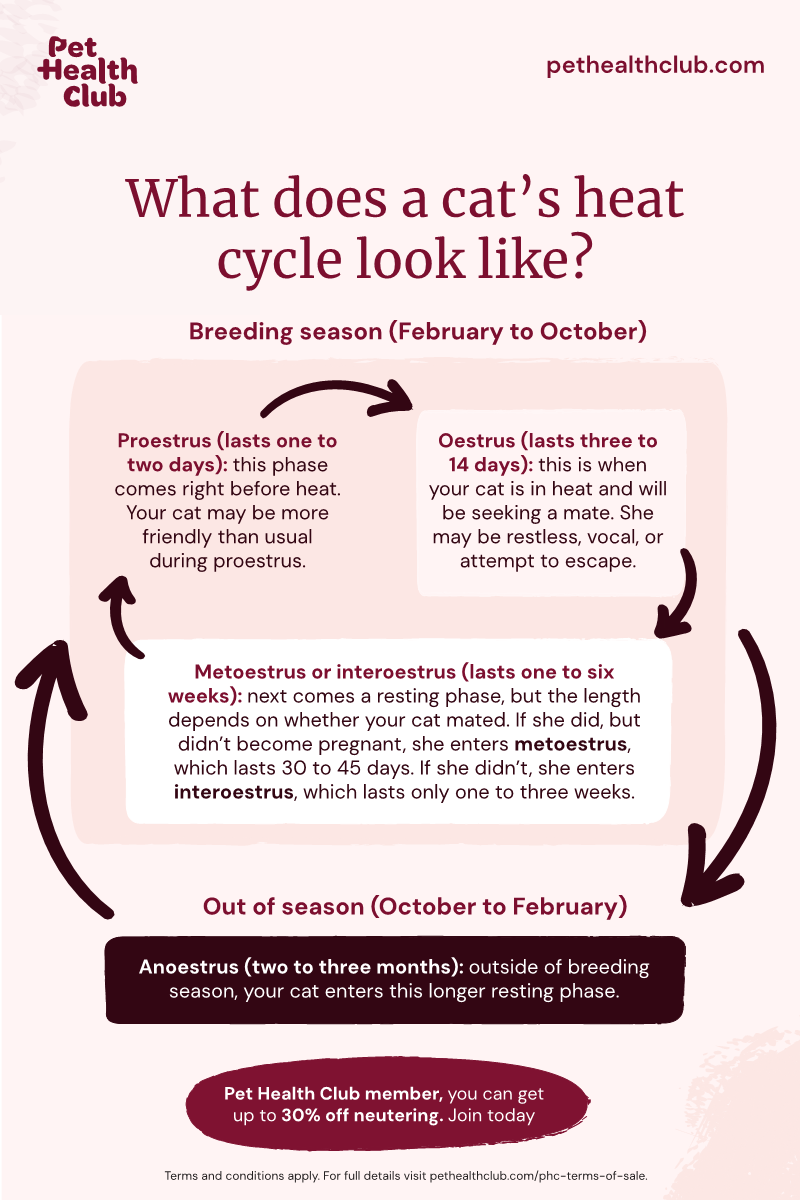
The typical heat cycle in a cat lasts about 7 days but can range anywhere from 3 to 14 days. During this period, your cat may show noticeable changes like loud vocalizing, restlessness, and increased affection. If she doesn’t mate, the cycle will usually pause for a week or two before starting again.
Some cats seem to be in a constant state of heat with only short breaks between cycles. Have you noticed how your cat’s behavior intensifies or fades within a week? That’s the heat cycle duration in action.
Frequency Of Heat Periods
Cats usually go into heat multiple times during the breeding season, which often spans from early spring to late fall. On average, a cat may have heat cycles every 2 to 3 weeks. This means you could be dealing with her heat behavior frequently if she isn’t spayed.
Indoor cats exposed to artificial light might experience heat cycles all year round. This frequency can be exhausting for both you and your cat. Knowing this can help you plan better, especially if you’re considering spaying or managing her environment.
Credit: www.diamondpet.com
Common Myths
Many myths surround cats in heat. These myths can confuse cat owners and affect how they care for their pets. Knowing the truth helps you support your cat better during her heat cycle.
Cats In Heat And Pregnancy
Some people think cats cannot get pregnant during their first heat. This is false. Cats can become pregnant the very first time they go into heat.
Another myth is that cats in heat always get pregnant. Cats need to mate with a male during heat to become pregnant. Heat only makes them ready to mate.
Indoor Cats And Heat Cycles
Many believe indoor cats do not go into heat. This is incorrect. Indoor cats still have heat cycles like outdoor cats.
Light and temperature changes can affect heat cycles but do not stop them. Indoor cats may show the same signs of heat as outdoor cats.
Managing A Cat In Heat
Managing a cat in heat requires patience and care. The behavior of a cat in this phase can be intense and confusing. Understanding how to support her helps both you and your pet stay calm. Creating a safe and comforting environment eases her stress. Protecting her from unwanted pregnancy is important for her health and wellbeing.
Providing Comfort
Give your cat a quiet and cozy space. Soft blankets and a warm bed help her relax. Play gentle music or keep noise low to reduce stress. Spend extra time petting and talking softly. Use toys to distract her from restless behavior. Keep her litter box clean to ensure comfort.
Preventing Unwanted Pregnancy
Keep your cat indoors during her heat cycle. Close windows and doors to avoid escape attempts. Watch her closely around male cats in the neighborhood. Consider using a secure cat carrier for trips outside. Spaying your cat after the heat cycle is the best long-term solution. It prevents future heat cycles and unwanted kittens.
When To Consult A Vet
Contact your vet if your cat shows unusual signs. Excessive crying or aggression may need medical advice. If she refuses to eat or drink, seek help quickly. A vet can check for infections or health issues. Ask about safe options for managing heat cycles. Your vet can guide you on spaying and care tips.

Credit: www.youtube.com
Frequently Asked Questions
How Long Does A Cat Stay In Heat?
A cat typically stays in heat for 3 to 7 days. If she doesn’t mate, the cycle repeats every 2 to 3 weeks until she becomes pregnant or the season changes.
What Are Common Signs A Cat Is In Heat?
Common signs include loud vocalizing, restlessness, rubbing against objects, and raising her hindquarters. She may also show increased affection and try to escape outdoors.
Can A Cat In Heat Be Aggressive?
Yes, some cats become irritable or aggressive during heat. This behavior results from hormonal changes and discomfort. Providing comfort and distraction helps manage aggression.
How Often Do Cats Go Into Heat Annually?
Cats usually have multiple heat cycles from spring to fall. On average, they experience 2 to 3 cycles per month during breeding season.
Conclusion
Cats in heat show clear signs that owners can easily spot. They may meow loudly and seek attention more. Restlessness and rubbing against objects are common too. Knowing these signs helps you care for your cat better. It also prevents unwanted litters and stress.
Watch your cat closely during heat cycles. Understanding her behavior keeps her safe and happy. This knowledge makes pet care simpler and more effective. Trust your observations and respond with care. Your cat will appreciate your attention and comfort.
