

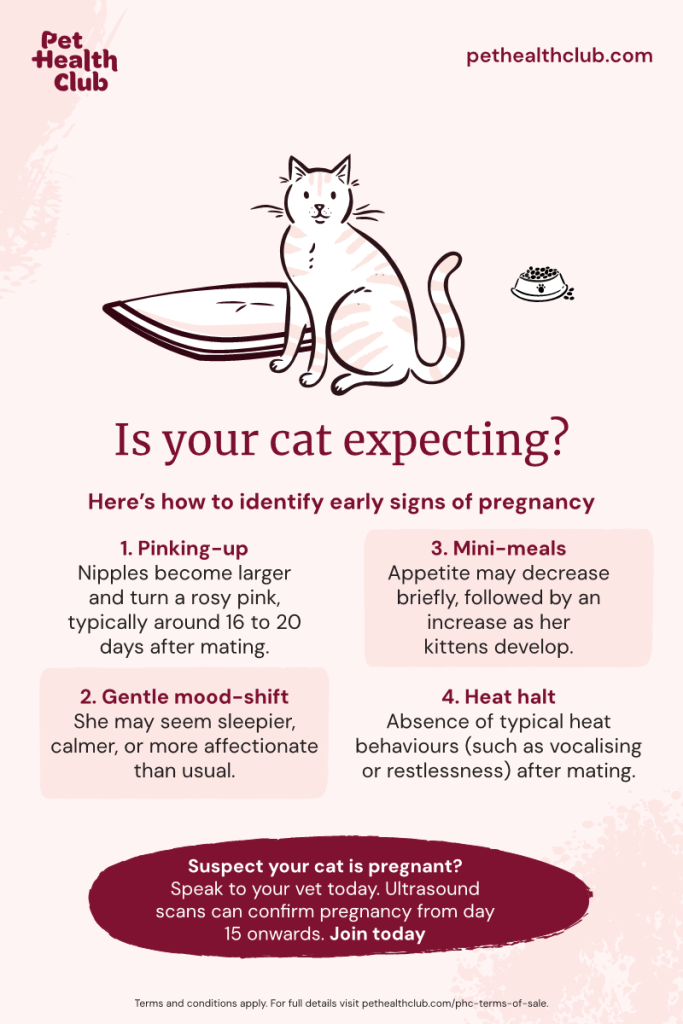
Are you wondering if your cat might be expecting kittens? It can be tricky to tell, especially if you’re not sure what signs to look for.
Knowing if your cat is pregnant early on helps you give her the care she needs. You’ll discover the simple ways to spot pregnancy in your cat, what changes to watch for, and when to visit the vet. Keep reading to learn how to be ready for this exciting time with your furry friend.
Early Signs Of Cat Pregnancy
Recognizing the early signs of cat pregnancy can save you from worries and help you prepare for your feline’s new arrival. These signs often show up within the first few weeks after mating, and they can be subtle. Paying close attention to your cat’s behavior and body can reveal clues that she’s expecting.
Behavioral Changes
Your cat’s mood might shift noticeably. She may become more affectionate, seeking extra cuddles and attention, or sometimes she might prefer solitude. Some cats display nesting instincts early, scratching or arranging cozy spots as if preparing a nursery.
Have you noticed your cat suddenly becoming clingy or unusually quiet? These behavioral changes often signal early pregnancy and can help you spot it before physical signs appear.
Physical Changes
Look for subtle differences in your cat’s body shape. In the first few weeks, her belly might appear slightly rounder, but it’s not always obvious. Weight gain is gradual and may go unnoticed if you’re not watching closely.
Your cat might also show changes in appetite—either eating more or sometimes less—depending on her individual response. These physical shifts are your first hints that something is changing inside.
Nipple Development
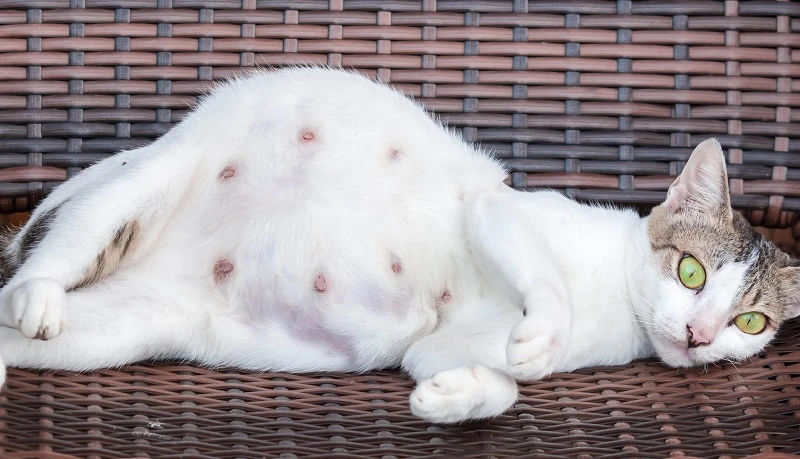
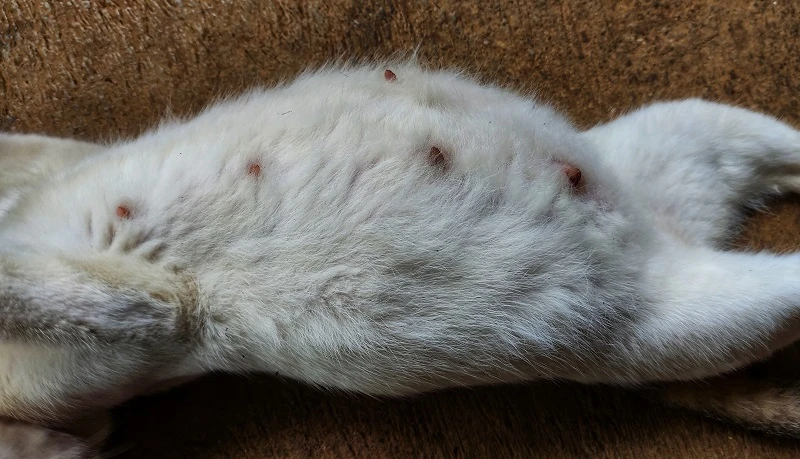
One of the clearest signs is the change in your cat’s nipples. They often become pinker and more prominent, a process called “pinking up.” This usually happens around the third week of pregnancy and is a reliable indicator.
Check your cat’s nipples gently; if they are larger and more pronounced than usual, it’s a strong sign she’s carrying kittens. Have you ever noticed this change before your cat had babies?
Common Symptoms During Pregnancy
Pregnant cats show clear signs during their pregnancy. Recognizing these signs helps you care better for your cat. The symptoms start early and change as the pregnancy progresses. Paying attention to these common symptoms can confirm pregnancy and guide you in providing proper care.
Increased Appetite
Pregnant cats often eat more than usual. Their bodies need extra energy to support growing kittens. You may notice your cat asking for food more frequently. Make sure to provide nutritious meals to meet her increased needs.
Morning Sickness
Some cats experience mild nausea during early pregnancy. This can cause occasional vomiting or decreased appetite. Symptoms usually last a few weeks and then improve. Monitor your cat closely and consult a vet if vomiting persists.
Weight Gain
Weight gain is a clear sign of pregnancy in cats. It happens gradually as the kittens grow inside. You might see a rounder belly and fuller body shape. Regularly weigh your cat to track healthy weight gain during pregnancy.
Advanced Pregnancy Indicators
Advanced pregnancy indicators help confirm a cat’s condition beyond early signs. These signs become clearer as the pregnancy progresses. Observing these changes helps prepare for the arrival of kittens. It also ensures the cat receives proper care and comfort.
Visible Belly Enlargement
The cat’s belly grows noticeably larger as the kittens develop. This enlargement usually starts around the fifth week. The belly changes shape, becoming rounder and softer. It is easier to see in cats with short or thin fur. Regular belly checks can track this growth over time.
Changes In Activity Levels
Pregnant cats often show a drop in energy. They may rest more and avoid vigorous play. This change helps conserve energy for the growing kittens. Some cats become quieter and less social during pregnancy. Noticeable changes in activity can signal advanced pregnancy stages.
Nesting Behavior
As the due date nears, cats start nesting. They seek quiet, safe spots to prepare for birth. Nesting includes arranging blankets or soft materials. This behavior indicates the cat is readying for labor. Providing a cozy nesting area supports the cat’s comfort and safety.

Credit: pennypaws.com
Confirming Pregnancy With A Vet
Confirming pregnancy in a cat requires a visit to the veterinarian. The vet uses specific methods to verify pregnancy safely and accurately. Early confirmation helps prepare for the care your cat will need.
Ultrasound Scans
Ultrasound scans are a common way to check pregnancy. The vet uses sound waves to create images of the inside of the cat’s abdomen. This method can detect pregnancy as early as 2-3 weeks after mating. It also shows the number of kittens and their heartbeats.
Palpation Technique
Palpation means gently feeling the cat’s abdomen. The vet uses this technique around 3-4 weeks after mating. They can feel small, round bumps which are the developing kittens. This method requires skill and care to avoid harming the mother or babies.
Blood Tests
Blood tests check hormone levels related to pregnancy. The vet takes a small blood sample from the cat. This test is reliable about 25 days after mating. It helps confirm pregnancy and rule out other health issues.
Caring For A Pregnant Cat
Caring for a pregnant cat requires attention and gentle care to ensure both mom and kittens stay healthy. Your cat’s needs will change throughout pregnancy, so staying informed helps you provide the best support. Small changes in her routine and environment can make a big difference during this special time.
Nutrition Needs
Your pregnant cat needs more calories and nutrients to support her growing kittens. Feeding her high-quality kitten food is a smart choice because it contains extra protein and essential vitamins. You might notice she eats more often or seems hungrier—this is normal, so offer meals in smaller portions multiple times a day.
Make sure fresh water is always available. Avoid sudden changes in diet as they can upset her stomach. Have you checked if her food label mentions “complete and balanced” for all life stages? That ensures she gets everything she needs.
Safe Environment
Create a calm, quiet space where your cat feels secure. Pregnant cats often look for a cozy spot to rest and prepare for birth. Provide a soft bed or box lined with clean towels in a low-traffic area of your home.
Keep this space free from loud noises, other pets that might stress her, and any hazards like sharp objects. Have you noticed your cat hiding or becoming more withdrawn? This behavior often means she’s seeking safety and comfort. Respect her space and avoid disturbing her unnecessarily.
Regular Vet Visits
Scheduling regular vet check-ups is crucial during pregnancy. Your vet will confirm the pregnancy, estimate how far along she is, and check her overall health. They can also advise on vaccinations, parasite control, and any supplements your cat might need.
Early vet visits can catch potential issues before they become serious. Don’t hesitate to ask questions about what to expect during labor and signs of complications. How prepared do you feel to support your cat through delivery? Your vet’s guidance can boost your confidence and keep your cat safe.
Credit: www.pethealthclub.com
Credit: www.pethealthclub.com
Frequently Asked Questions
How Early Can You Tell If A Cat Is Pregnant?
You can detect pregnancy in cats around 2-3 weeks after mating. Early signs include swollen nipples and behavioral changes. A vet can confirm pregnancy with an ultrasound or palpation after 3 weeks.
What Physical Changes Show A Pregnant Cat?
Pregnant cats often have enlarged, pink nipples called “pinking up. ” Their abdomen grows noticeably by the fifth week. Weight gain and a more relaxed appetite are common physical changes.
Can A Cat’s Behavior Indicate Pregnancy?
Yes, pregnant cats may become more affectionate or seek solitude. They might eat more and show nesting behavior as they prepare for kittens. Behavioral changes usually appear around the third week.
When Should I Take My Cat To The Vet For Pregnancy Check?
Visit the vet 3-4 weeks after suspected mating to confirm pregnancy. The vet can perform an ultrasound or palpation. Early checkups ensure proper care and nutrition for the expecting cat.
Conclusion
Knowing if a cat is pregnant helps you care for her better. Watch for clear signs like changes in appetite and behavior. A vet visit confirms pregnancy and keeps your cat healthy. Early care supports the mother and her future kittens.
Stay patient and gentle, giving extra love and attention. This helps your cat feel safe and comfortable during pregnancy. Understanding these signs prepares you for the exciting arrival ahead.
