

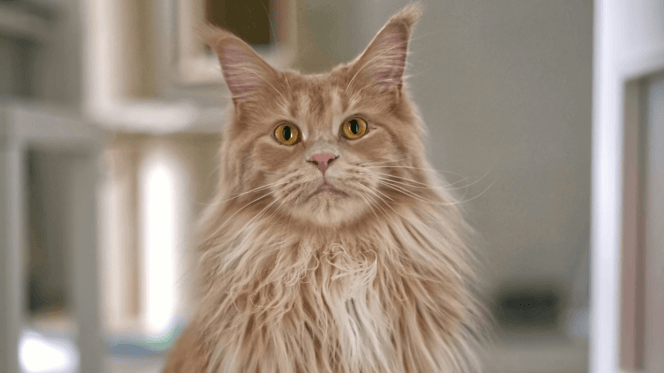
If you have a Maine Coon cat or are thinking about getting one, you probably wonder, “How long will my furry friend be by my side?” Knowing your Maine Coon’s lifespan helps you prepare for the many happy years ahead. You’ll discover what affects their life expectancy and how you can give your cat the best chance at a long, healthy life.
Keep reading to learn everything you need to know about your Maine Coon’s lifespan and how to make every moment count.
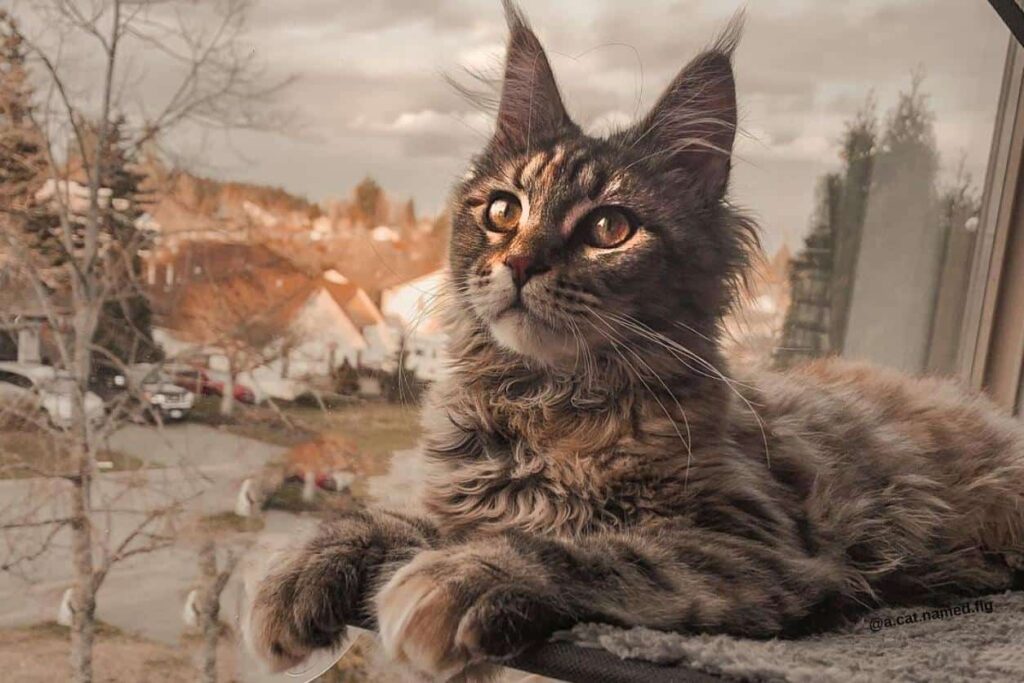
Credit: rawznaturalpetfood.com
Maine Coon Lifespan Basics
The Maine Coon is a popular cat breed known for its large size and friendly nature. Understanding their lifespan helps owners provide better care. Knowing how long Maine Coons typically live gives insight into their health and needs.
Many factors influence how long a Maine Coon will live. These include genetics, diet, and lifestyle. Taking care of these areas can help extend a cat’s life and improve its quality.
Average Lifespan Range
Maine Coon cats usually live between 12 and 15 years. Some may live longer with proper care. This range is typical for large cat breeds. Lifespans shorter than 10 years are less common but possible.
Factors Affecting Longevity
Several key factors affect how long Maine Coons live:
- Genetics:Strong family history of health adds years.
- Diet:Balanced nutrition supports growth and immunity.
- Exercise:Regular activity keeps muscles and joints healthy.
- Healthcare:Routine vet visits catch problems early.
- Environment:Safe, stress-free homes reduce risks.
Genetics And Health
Genetics play a key role in the health and lifespan of Maine Coon cats. Their genes determine not only their size and appearance but also their vulnerability to certain diseases. Understanding these genetic factors helps owners provide better care and extend their cat’s life.
Common Genetic Traits
Maine Coons have unique genetic traits that make them special. They have a large, muscular build and a thick, water-resistant coat. Their genes also give them tufted ears and bushy tails. These traits help them survive in cold climates.
These cats are known for their friendly and social nature. Their genetic makeup supports strong bones and a healthy heart in many cases. But genetics can vary, so not all Maine Coons look or behave the same.
Inherited Health Issues
Certain health problems run in Maine Coon families due to genetics. Common inherited issues include:
- Hypertrophic cardiomyopathy (HCM) – a heart disease causing thickened heart walls
- Hip dysplasia – a joint problem affecting movement and causing pain
- Spinal muscular atrophy (SMA) – muscle weakness from nerve loss
- Polycystic kidney disease (PKD) – cysts in kidneys leading to kidney failure
Regular vet check-ups and genetic testing can detect these issues early. Early care can improve quality of life and increase lifespan.
Diet And Nutrition
Diet and nutrition play a key role in the lifespan of Maine Coon cats. A balanced diet supports their large size and active lifestyle. Proper nutrition helps maintain a strong immune system and healthy coat. Feeding the right foods can prevent obesity and common health problems.
Best Foods For Maine Coons
Maine Coons need high-quality protein to stay strong. Meat-based foods suit their natural diet best. Choose wet or dry cat food with real meat like chicken, turkey, or fish listed first. Look for foods rich in taurine, an essential amino acid for cats.
- High-protein wet food helps keep them hydrated and nourished.
- Dry kibble can support dental health but should be high in protein.
- Avoid fillers like corn, soy, and wheat which offer little nutrition.
- Fresh water should always be available to prevent dehydration.
Supplements That Boost Health
Supplements can support Maine Coons’ overall health. Omega-3 fatty acids improve coat shine and joint health. Probiotics aid digestion and strengthen the immune system. Glucosamine supports healthy cartilage and joints, important for large cats.
- Fish oil capsules for omega-3 fatty acids.
- Probiotic powders or treats for gut health.
- Glucosamine supplements recommended by a vet.
- Vitamin E for skin and immune support.
Always consult a veterinarian before adding supplements to their diet. Proper nutrition combined with supplements helps Maine Coons live longer, healthier lives.
Credit: www.dutch.com
Exercise And Environment
The lifespan of Maine Coon cats can be influenced significantly by their exercise routines and the environment they live in. Keeping your cat active and providing a safe, stimulating space can help maintain their health and happiness over the years. Let’s look at how these factors play a crucial role in extending your Maine Coon’s life.
Importance Of Physical Activity
Physical activity keeps your Maine Coon’s muscles strong and joints flexible. These cats are naturally playful and curious, so encouraging movement is easy if you provide the right toys and playtime.
Try interactive toys like feather wands or laser pointers to get them moving. Even simple activities, such as climbing on cat trees or exploring new spaces, can help avoid obesity and related health issues.
Have you noticed your cat’s energy drop as they age? Regular exercise can slow this decline and keep their mind sharp. You might be surprised how much your Maine Coon enjoys a daily game session.
Creating A Safe Living Space
Your cat’s environment needs to be both safe and enriching. Sharp objects, toxic plants, or open windows pose risks that can shorten your Maine Coon’s life.
Set up cozy resting spots away from loud noises and stressful areas. Adding scratching posts and climbing shelves gives your cat places to stretch and express natural behaviors.
Consider the temperature and cleanliness of the home. Maine Coons have thick fur, so a cool, well-ventilated space helps prevent overheating and skin problems.
- Remove hazardous items like chemicals or small choking hazards
- Secure windows with screens to prevent falls
- Provide fresh water and a clean litter box
How often do you evaluate your home from your cat’s perspective? Small changes in their environment can make a big difference in their overall well-being and longevity.
Regular Vet Care
Regular vet care plays a key role in extending the life of Maine Coon cats. Healthy cats need consistent medical attention to catch problems early. Vets help keep your cat’s body strong and free from disease. This care supports a long, happy life for your Maine Coon.
Routine Checkups
Routine checkups allow vets to monitor your Maine Coon’s health closely. These visits help catch illnesses before they become serious. During exams, vets check weight, teeth, and heart health. They also inspect the skin and coat for any signs of trouble. Regular visits help keep your cat feeling good and active.
Vaccinations And Preventive Care
Vaccinations protect Maine Coons from dangerous diseases. Keeping shots up to date lowers the risk of infections. Preventive care also includes flea, tick, and worm control. These treatments stop parasites that can harm your cat. Preventive care ensures your Maine Coon stays safe and healthy year-round.
Credit: www.tippaws.com
Signs Of Aging
Noticing the signs of aging in your Maine Coon cat can help you provide the best care as they grow older. These majestic cats live long lives, often reaching 12 to 15 years or more, but their behavior and health needs change over time. Being alert to these signs allows you to adjust your care routine and keep your feline friend comfortable and happy.
Behavioral Changes
Older Maine Coons often show subtle shifts in how they act. You might see your cat becoming less active or sleeping more throughout the day. This isn’t just laziness; it’s a natural response to aging joints and muscles.
Some cats become more withdrawn or less interested in playing, while others may seek more attention than before. Changes in grooming habits also stand out—your cat might groom less often, leading to a duller coat. Have you noticed your Maine Coon avoiding stairs or jumping less? These can be signs of joint pain or arthritis.
Health Monitoring Tips
Keeping an eye on your Maine Coon’s health as they age is crucial. Regular vet visits are a must, but you can also monitor your cat at home. Watch for changes in appetite or water intake, as these can signal health issues.
- Check their weight monthly to catch sudden losses or gains.
- Observe their litter box habits for signs of urinary or digestive problems.
- Look out for coughing, sneezing, or breathing difficulties.
- Pay attention to any lumps, bumps, or skin changes.
Keeping a journal of these observations can help you notice patterns and provide valuable information to your vet. What small changes have you seen in your Maine Coon that made you adjust their care? Sharing your experience might help others spot aging signs early.
Extending Your Cat’s Life
Extending your Maine Coon cat’s life means more quality years together. Small changes in daily care can make a big difference. A healthy lifestyle supports their heart, joints, and immune system. Keeping your cat happy and active also helps them live longer.
Lifestyle Adjustments
Offer a balanced diet rich in proteins and essential nutrients. Avoid overfeeding to prevent obesity, which shortens a cat’s life. Regular exercise keeps muscles strong and joints flexible. Provide safe spaces for climbing and playing. Routine vet visits catch health problems early. Vaccinations and parasite control protect against diseases. Maintain a clean litter box to reduce infections. Fresh water should always be available.
Mental Stimulation
Engage your Maine Coon with toys and puzzles. Rotate toys to keep their interest high. Teach simple tricks to challenge their mind. Interactive play strengthens your bond and reduces stress. Create safe outdoor experiences using a leash or catio. Social interaction with other cats or humans improves mood. A stimulated cat stays curious and lively, which supports longevity.
Frequently Asked Questions
How Long Do Maine Coon Cats Typically Live?
Maine Coon cats usually live between 12 to 15 years. Proper care and a healthy diet can extend their lifespan. Regular vet check-ups also help detect health issues early, improving their longevity and quality of life.
What Factors Affect Maine Coon Cats’ Lifespan?
Genetics, diet, exercise, and regular veterinary care impact their lifespan. Avoiding obesity and stress also promotes a longer, healthier life. Indoor cats tend to live longer than outdoor cats due to fewer risks.
How To Increase A Maine Coon Cat’s Lifespan?
Feed balanced nutrition, provide regular exercise, and schedule vet visits. Maintain a safe, stress-free environment and watch for early illness signs. Proper grooming and dental care also support their overall health and longevity.
Are Maine Coons Prone To Specific Health Issues?
Yes, they may develop hypertrophic cardiomyopathy (HCM) and hip dysplasia. Regular vet screenings can detect these conditions early. Awareness and management of these health risks help improve their life expectancy.
Conclusion
Maine Coon cats usually live 12 to 15 years or more. Their lifespan depends on good care and healthy living. Feeding them well and regular vet visits help them stay strong. These cats enjoy active play and lots of love.
Watching their health closely can catch problems early. A happy Maine Coon can be your loyal friend for many years. Caring for them means enjoying their gentle nature every day. Think of their lifespan as a journey you share together.
