

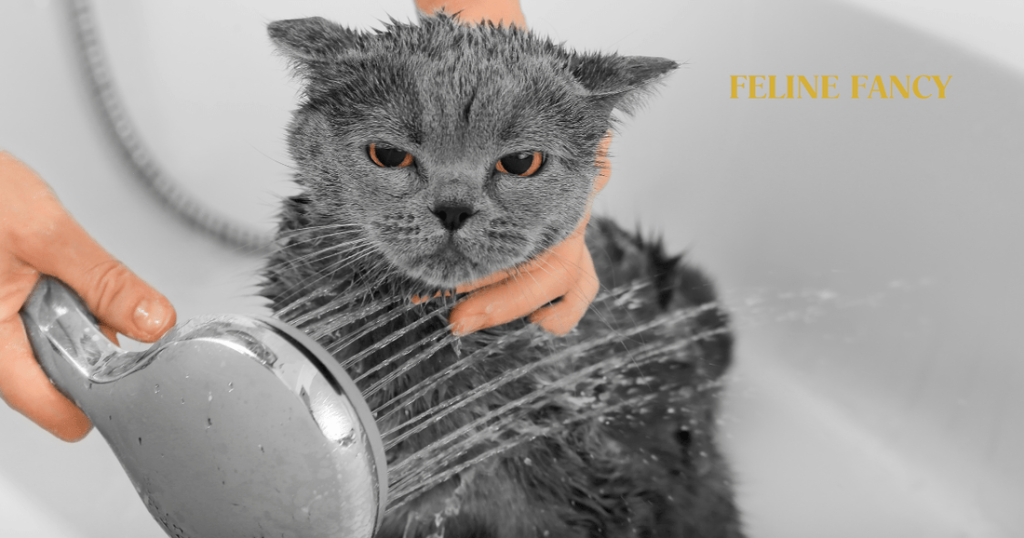
Do you ever wonder if your cat really needs a bath? Cats are famous for keeping themselves clean, but sometimes their fur looks dirty or smells off.
You might ask yourself, “Should I give my cat a bath, or will it make things worse? ” Understanding when and how to bathe your cat can save you stress and keep your furry friend happy and healthy. Keep reading to discover the simple truth about cats and baths—and learn the best tips to make the experience easier for both of you.
Why Cats Usually Don’t Need Baths
Cats are known for their cleanliness and neat appearance. Bathing a cat is often seen as unnecessary. Their bodies have special ways to stay clean without frequent baths. Understanding these reasons helps pet owners care better for their cats.
Natural Grooming Habits
Cats spend a large part of their day grooming themselves. Their tongues have tiny, hook-like structures that help remove dirt. Grooming also spreads natural oils across their fur. These oils keep the fur soft and waterproof. Cats use their paws to clean hard-to-reach places. This natural behavior keeps them clean and comfortable.
Self-cleaning Efficiency
Cats are very good at cleaning themselves without help. Their saliva contains enzymes that help fight bacteria. This reduces the risk of skin infections. Grooming also helps cats regulate their body temperature. It removes loose fur and reduces shedding. Because of this efficiency, regular baths are rarely needed. Bathing can even stress some cats out.
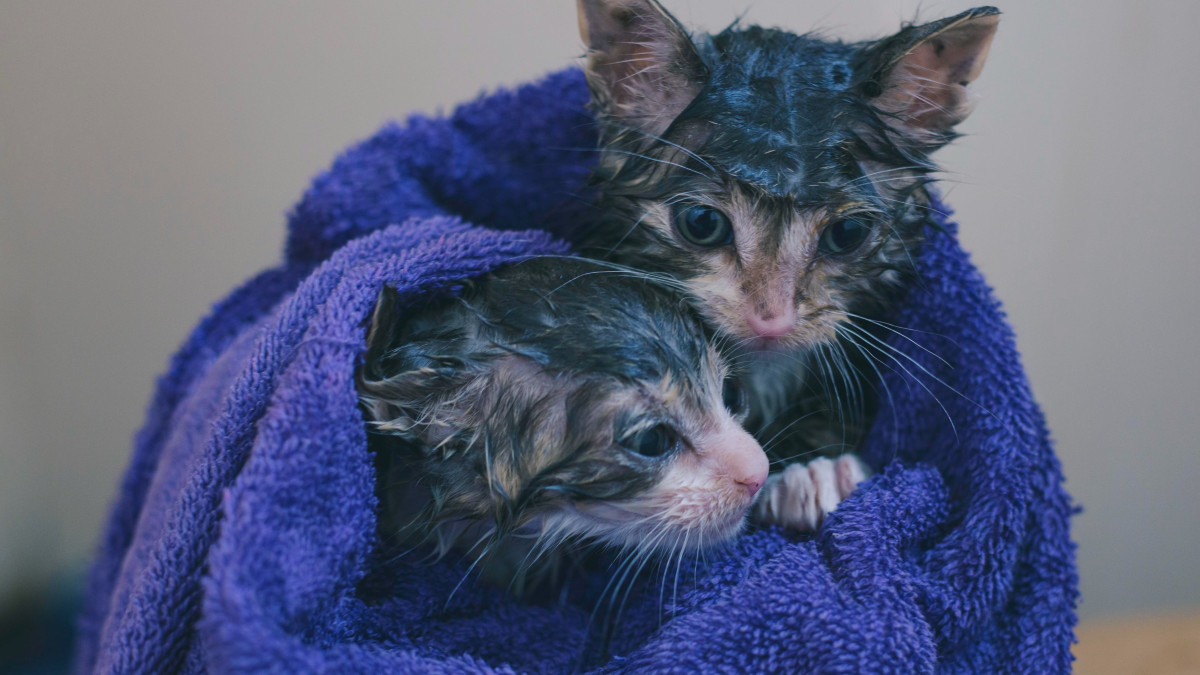
Credit: pethelpful.com
When Baths Become Necessary
Baths are not often needed for cats. Most cats keep themselves clean by licking their fur. Still, there are times when a bath becomes necessary to keep a cat healthy and comfortable. Knowing these moments helps cat owners care for their pets better.
Dealing With Dirt And Odor
Cats sometimes get into sticky or dirty situations. Mud, paint, or strong smells can stick to their fur. In these cases, a bath helps remove the dirt and odor. It stops the cat from licking harmful substances off its fur. A gentle bath with cat-safe shampoo is best for cleaning.
Medical Reasons
Some health issues require baths. Skin infections, allergies, or wounds may need medicated shampoos. These baths soothe the skin and help heal faster. A vet usually recommends the right shampoo and bath schedule. Never use human products on cats as they can harm them.
Flea And Parasite Control
Fleas and parasites cause discomfort and illness. Baths with special flea shampoos kill these pests quickly. Regular bathing can help control flea infestations. It also keeps the cat’s skin healthy and fur smooth. Follow vet advice on how often to bathe for parasite control.
Choosing The Right Bathing Products
Choosing the right bathing products for your cat is essential to keep their skin and coat healthy. Not all shampoos are created equal, and using the wrong product can cause irritation or dryness. Understanding what to look for will make bath time more comfortable for both you and your feline friend.
Cat-friendly Shampoos
Look for shampoos specifically labeled for cats. These products are formulated to match your cat’s pH level, which is different from humans and dogs. Using a cat-friendly shampoo helps maintain the natural oils in their fur and prevents skin problems.
Many brands offer options with soothing ingredients like aloe vera or oatmeal. These can calm sensitive skin and reduce itching. Have you noticed your cat scratching after a bath? Switching to a gentle, cat-specific shampoo might solve that problem.
Avoiding Harmful Ingredients
Check the ingredient list carefully before buying any bathing product. Avoid shampoos that contain harsh chemicals such as sulfates, parabens, or artificial fragrances. These can irritate your cat’s skin or cause allergic reactions.
Essential oils may seem natural but can be toxic to cats. Ingredients like tea tree oil or eucalyptus should be off your list. Always choose products with simple, safe ingredients to protect your pet’s health during bath time.
Preparing For A Cat Bath
Preparing your cat for a bath is key to a calm and safe experience. Cats usually dislike water, so planning ahead helps reduce stress for both of you. Taking time to prepare can make the bath smoother and quicker.
Gathering Supplies
Collect all items before starting the bath. This keeps the process fast and less stressful. You will need:
- Cat-friendly shampoo, specially made for feline skin
- A large towel to dry your cat afterwards
- A cup or gentle sprayer for rinsing
- A non-slip mat to keep your cat steady
- Brush to remove loose fur before bathing
- Optional: cotton balls to protect ears from water
Setting Up A Comfortable Space
Choose a quiet, warm area with good lighting. Avoid places with loud noises or many distractions. A bathroom sink or small tub works well.
Place the non-slip mat on the surface to prevent slipping. Fill the tub or sink with lukewarm water, about 3-4 inches deep. Keep the water temperature comfortable to avoid shocking your cat.
Have towels ready nearby for quick drying. Keep everything within reach to avoid leaving your cat alone. Speak softly and move gently to keep your cat calm during the bath.
Step-by-step Bathing Process
Bathing a cat can seem tricky. Most cats dislike water and struggle during baths. A careful, gentle approach helps keep your cat calm and clean. Follow this step-by-step bathing process to make the experience easier for both of you.
Brushing Before Bathing
Start by brushing your cat’s fur. This removes loose hair and tangles. Brushing also helps reduce shedding during the bath. Use a soft brush suitable for your cat’s fur type. Be gentle and patient. This step prepares the coat for washing.
Water Temperature And Techniques
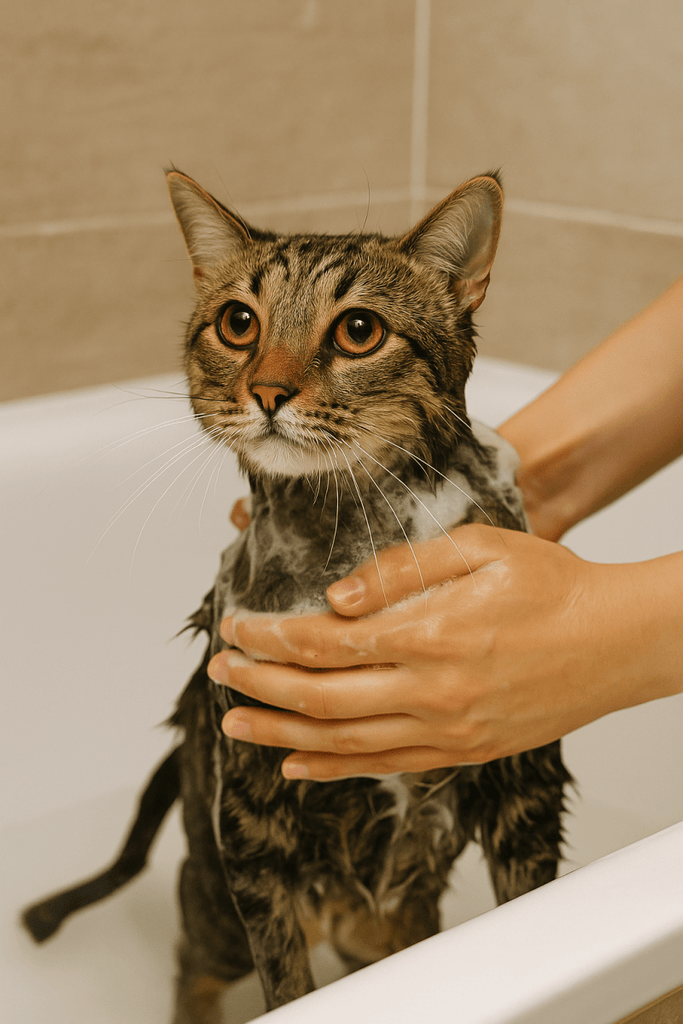
Use lukewarm water to avoid discomfort. Test the water with your hand first. Fill a small basin or sink with water. Keep your cat’s head dry if possible. Use a cup or gentle sprayer to wet the fur slowly. Avoid splashing. Speak softly to soothe your cat. Apply a small amount of cat-safe shampoo. Massage gently to clean the coat without stressing your cat.
Rinsing And Drying
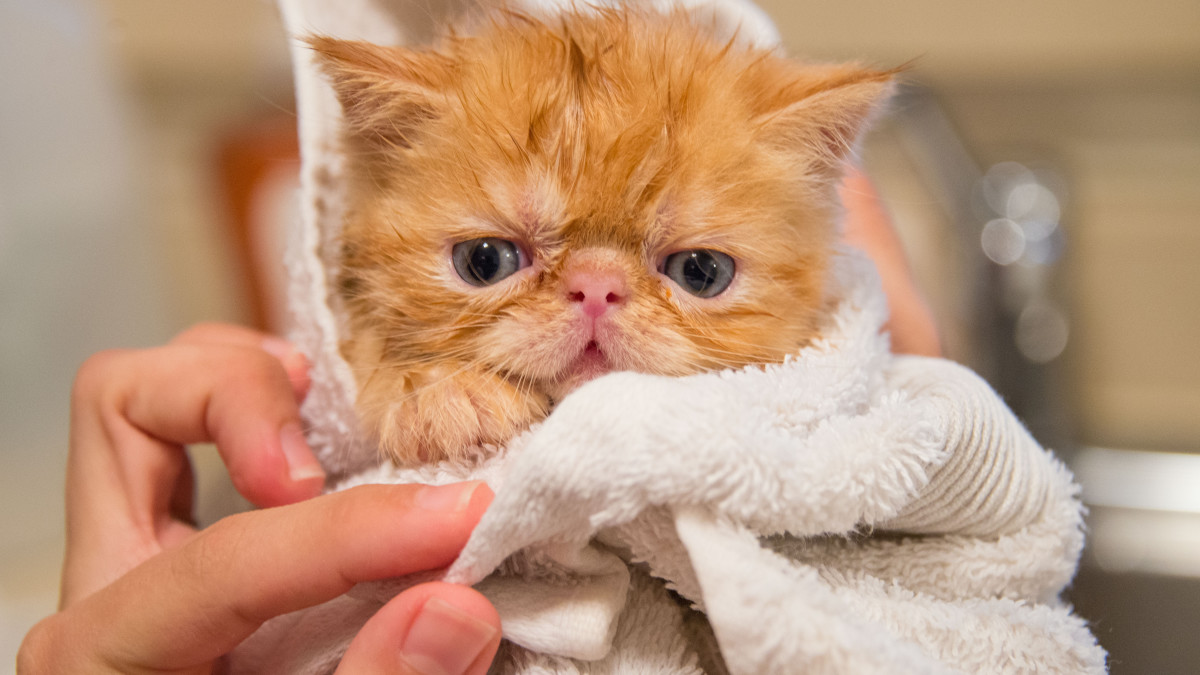
Rinse thoroughly to remove all shampoo. Leftover soap can irritate your cat’s skin. Use lukewarm water again and pour gently. Wrap your cat in a soft towel immediately. Pat dry without rubbing. Use multiple towels if needed. Keep your cat warm and indoors until fully dry. Avoid using a hairdryer unless it is quiet and on a low setting.
Credit: pethelpful.com
Tips To Reduce Stress During Bathing
Bathing cats can be stressful for both pets and owners. Cats dislike water and loud noises. Preparing the right environment helps calm your cat. Gentle handling reduces fear and avoids accidents. Here are tips to make bath time easier and less stressful.
Calming Methods
- Speak softly and calmly to soothe your cat.
- Use a quiet room with no sudden noises.
- Brush your cat before the bath to remove loose fur.
- Place a non-slip mat in the sink or tub to prevent slipping.
- Use warm water, not too hot or cold, for comfort.
- Keep bathing sessions short to avoid overwhelming your cat.
- Offer treats before and after to create positive associations.
- Play soft music or white noise to mask disturbing sounds.
Handling A Resistant Cat
- Hold your cat gently but firmly to avoid struggling.
- Use a towel to wrap your cat, leaving the head free.
- Keep your movements slow and steady to prevent panic.
- Focus on wetting and cleaning key areas quickly.
- Have a helper assist in holding or comforting your cat.
- Rinse carefully to avoid water in ears and eyes.
- Dry your cat thoroughly with a soft towel after the bath.
- Stop if your cat becomes too stressed and try again later.
Alternatives To Full Baths
Giving your cat a full bath can be stressful for both of you. Luckily, there are alternatives that keep your feline friend clean without the hassle of water and soap. These options help maintain your cat’s hygiene while respecting their natural dislike for baths.
Using Cat Wipes
Cat wipes are a quick and easy way to clean your pet’s fur and paws. They are specially formulated to be gentle and safe for cats, avoiding harsh chemicals that could irritate their skin.
Keep a pack handy for quick clean-ups after outdoor adventures or when your cat gets into something sticky. Regular wiping can help reduce odors and remove dirt without the need for a full bath. Have you tried wiping your cat’s face and paws after playtime? You might notice they enjoy the gentle attention.
Spot Cleaning Techniques
Spot cleaning targets only the dirty or oily areas on your cat’s coat. Using a damp cloth or a pet-safe cleaning solution, you can focus on specific spots without wetting your cat completely.
This method is especially useful if your cat has a small stain or something stuck in their fur. It saves time and reduces stress for your cat. Try blotting rather than rubbing to avoid tangling their fur or causing discomfort.
Do you notice your cat grooming themselves more after spot cleaning? It’s a natural way for them to finish the job and keep themselves fresh.
Maintaining Cat Hygiene Between Baths
Maintaining your cat’s hygiene between baths is essential for their health and comfort. Cats groom themselves often, but they still need some help to stay clean. Regular care prevents dirt buildup and reduces odors. It also keeps their fur soft and skin healthy.
Regular Brushing
Brushing your cat removes loose fur and dirt. It helps reduce hairballs by catching shed hair. Use a brush suited to your cat’s fur type. Long-haired cats need daily brushing. Short-haired cats benefit from brushing a few times a week. Brushing also stimulates blood flow and spreads natural oils. This keeps the coat shiny and healthy.
Diet And Health Impact
A good diet affects your cat’s skin and fur quality. High-quality food with proper nutrients supports healthy fur. Omega-3 and omega-6 fatty acids improve coat shine. Poor diet can cause dry, flaky skin and dull fur. Regular vet check-ups catch health issues early. Skin problems or allergies can affect hygiene and comfort. Keeping your cat healthy helps maintain a clean and happy coat.
Credit: dirtbusters.co.uk
Frequently Asked Questions
Do Cats Need Regular Baths?
Cats usually groom themselves and rarely need regular baths. Bathing is necessary only if they get very dirty or have skin issues.
How Often Should You Bathe A Cat?
Bathing a cat is typically needed only a few times a year. Frequent baths can dry their skin and cause stress.
Can Cats Get Stressed From Baths?
Yes, many cats find baths stressful due to water and handling. Use gentle techniques to minimize their anxiety during bathing.
What Shampoo Is Safe For Cats?
Use only shampoos formulated specifically for cats. Human or dog shampoos can irritate their sensitive skin and cause health issues.
Conclusion
Cats usually keep themselves clean with little help. Bathing a cat is not always needed. Sometimes, a bath can help if your cat is very dirty or has fleas. Use warm water and gentle shampoo made for cats. Always stay calm and patient during bath time.
Regular brushing often replaces baths and keeps fur healthy. Understanding your cat’s needs makes grooming easier. Keep your pet happy and clean with simple care. Baths can be rare but helpful in special cases. Your cat will thank you with purrs and love.
